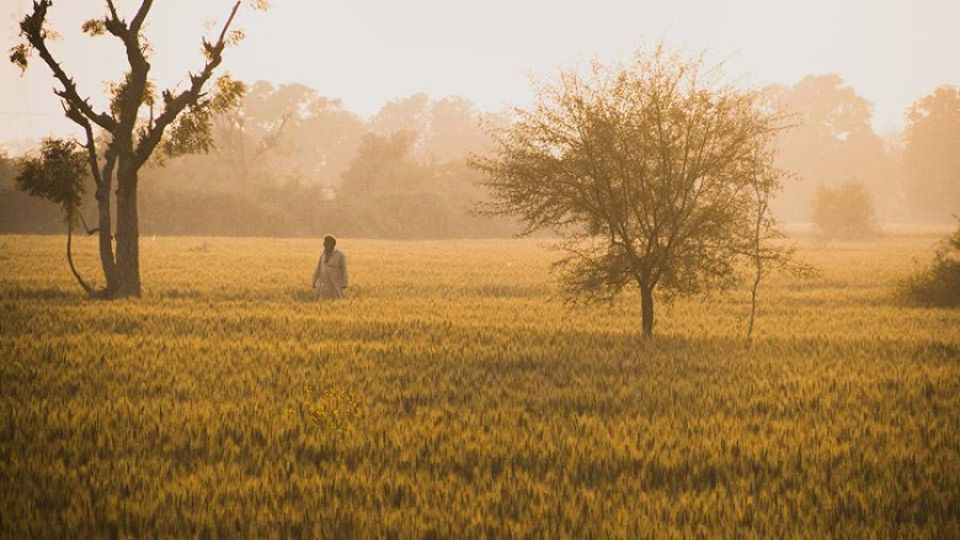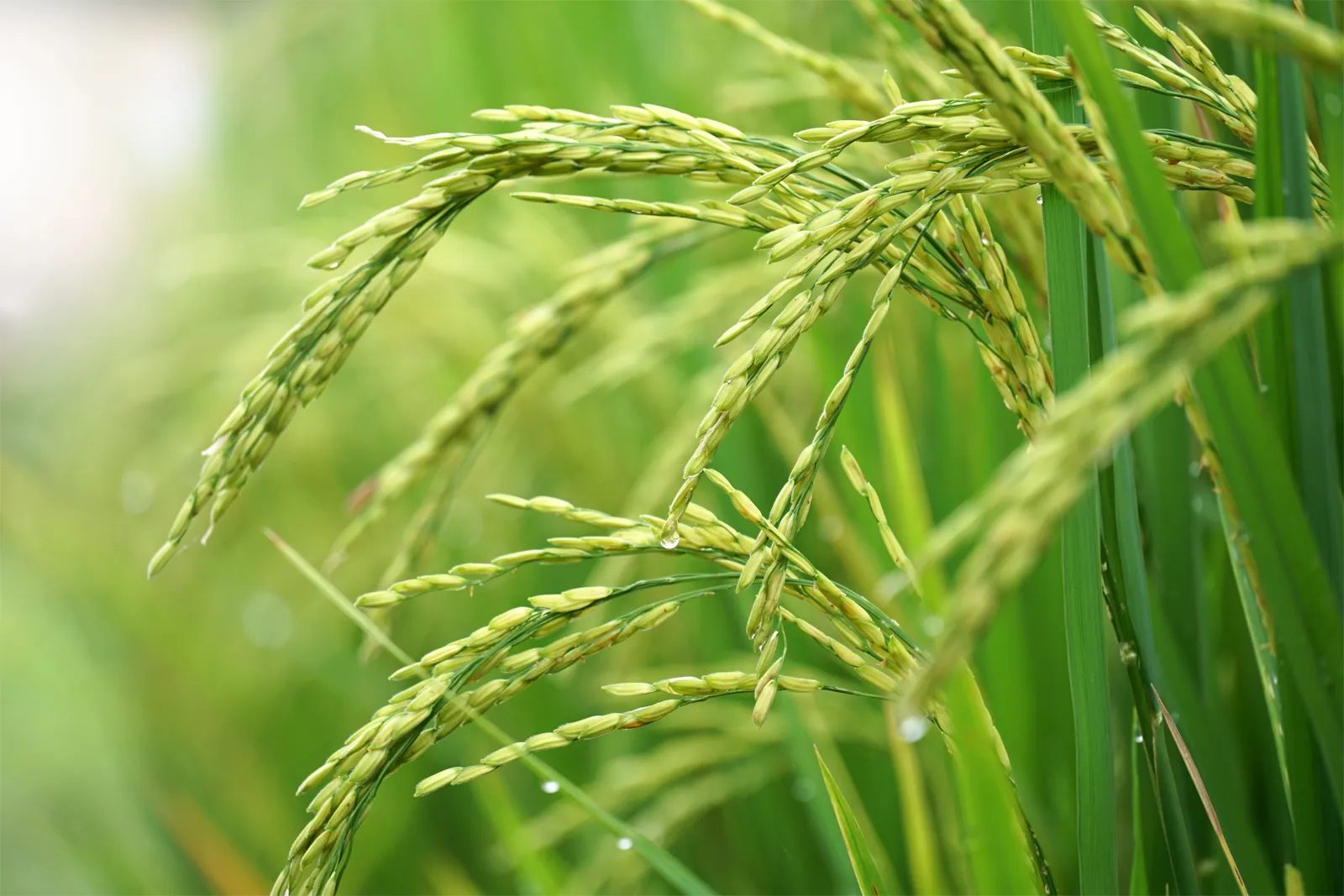
The north-west — Rajshahi and Rangpur divisions — of Bangladesh produces more than one-third of the country’s staple food, especially boro rice. The region has 40 per cent of the country’s total irrigated area and 30 per cent of the net cultivable area, with the highest average rice yield. However, this has not been the scenario all along in history. The so-called ‘green revolution’ in the region started during the mid-eighties of the last century and resulted in a 300 per cent rice production area expansion, thanks to conducive technology introduction and policy interventions. However, it allegedly caused a localised, unsustainable practice of groundwater usage.
A recent study conducted by the Center for Participatory Research and Development investigated the multifaceted impacts of climate change using qualitative methods in north-west Bangladesh. The study also investigated the situation of climate finance expenditure in the region, as well as the gaps in current activities and the scope of further interventions. Along with an extensive secondary literature review, field visits were conducted in five districts of the region, namely: Dinajpur, Thakurgaon, Chapainawabganj, Naogaon, and Kurigram.
Climate change is well documented in the north-western region of Bangladesh. The trend analysis shows that over the time period of 1951–2020, the mean surface air temperature has increased by 0.1°C per decade for the Rangpur division and by 0.07°C per decade for the Rajshahi division. The long-term trends show the emergence of an anthropogenically forced trend against the backdrop of natural climatic variability. The precipitation trend for the same time period does not show any significant trend for both of the divisions. However, for the time period 1991–2020 in both divisions, there is a sightly decreasing trend — 36.63 mm/decade in Rangpur and 75.51 mm/decade in Rajshahi.
Apart from the geographical location, there are some other factors that significantly raise the vulnerability of the region to natural hazards (which are becoming more frequent and intensified due to climate change), such as the presence of the Barind tract within the region, the region’s agriculture-based economy, and the existence of plainland indigenous communities. The group discussions and interviews reiterated the existing evidence of the climatic condition of the region being prone to several slow-onset natural hazards like rainfall variability, heat waves in summer, drought, hail storms, and thunderstorms, along with nor’wester, cold waves, floods, flash floods, riverbank erosion, etc. These hazards, mostly water-related, are posing profound impacts on the various aspects of the lives and livelihoods of the people in the study areas. The field survey findings revealed multifaceted impacts of climate change in the study areas across various sectors such as water, agriculture, health, women, indigenous and minority communities, etc.
Among all the impacts identified, three interrelated facets of climate change can be portrayed against the region’s food bowl image, which are the water sector, agriculture, and indigenous communities. The rapid expansion of agriculture was possible due to the groundwater irrigation service provided by the BMDA, and the majority of the agricultural labour force in the region consists of indigenous farmers, especially women members of indigenous communities.
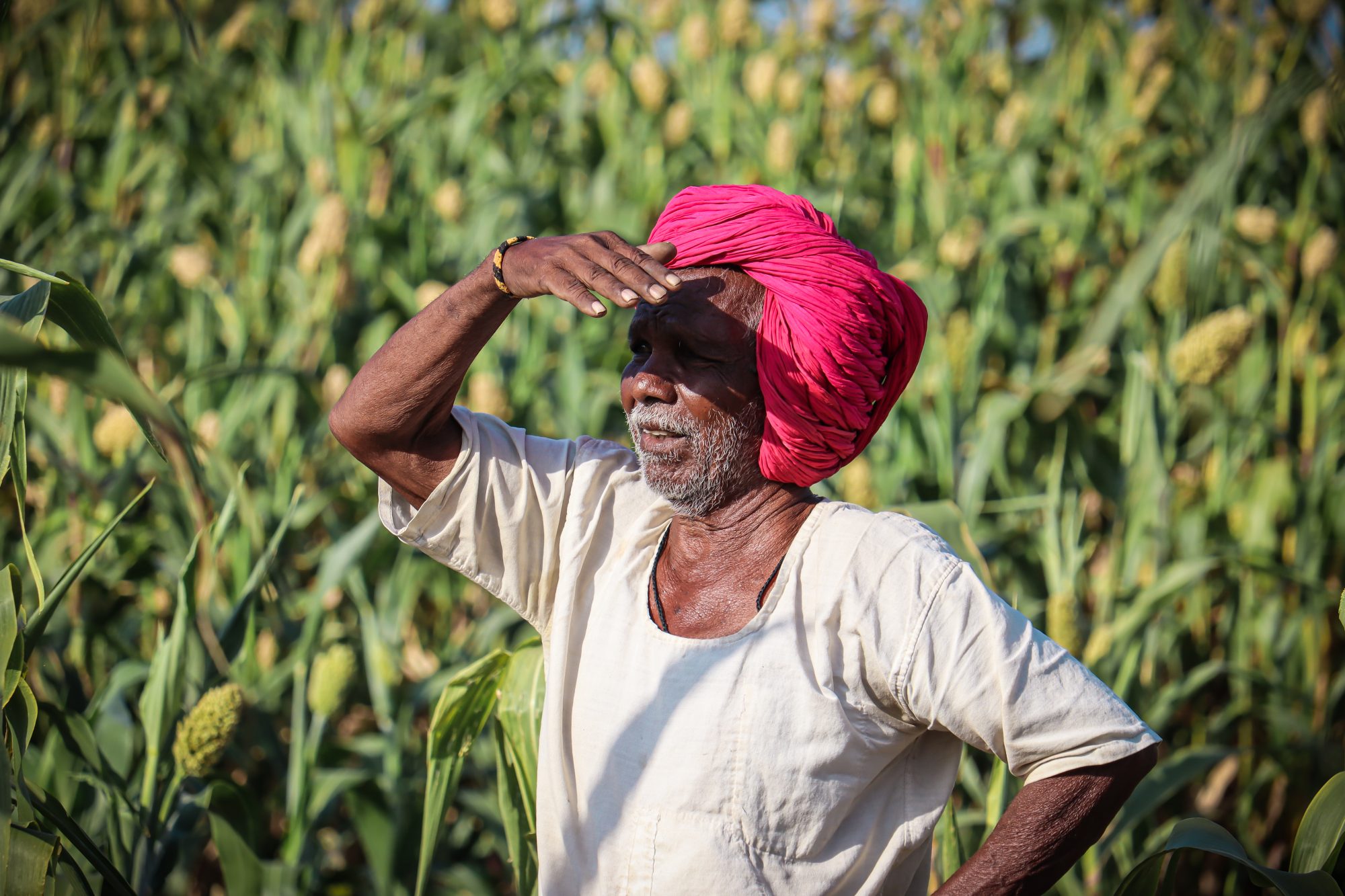
In the study areas, it was found that agricultural production (especially water-intensive paddy cultivation) has faced setbacks in recent years due to water scarcity. Rainfall variability, drought, and depletion of groundwater at some places are causing interruptions in irrigation, resulting in crop failure and production loss. Due to rainfall variability, even during the rain-fed Aman season, farmers had to irrigate their lands with groundwater, which raised the production cost. Again, during the late monsoon, heavy rainfall damaged the standing crops. Due to climate change, certain pest infestations and diseases are also leading to crop failure. To withstand all these hassles, many farmers have already converted their croplands into cash crop cultivation. Mango, litchi, dragon fruit, guava, etc are taking place of high-water-demanding paddy cultivation. These are not only less water-demanding but also less labour-intensive.
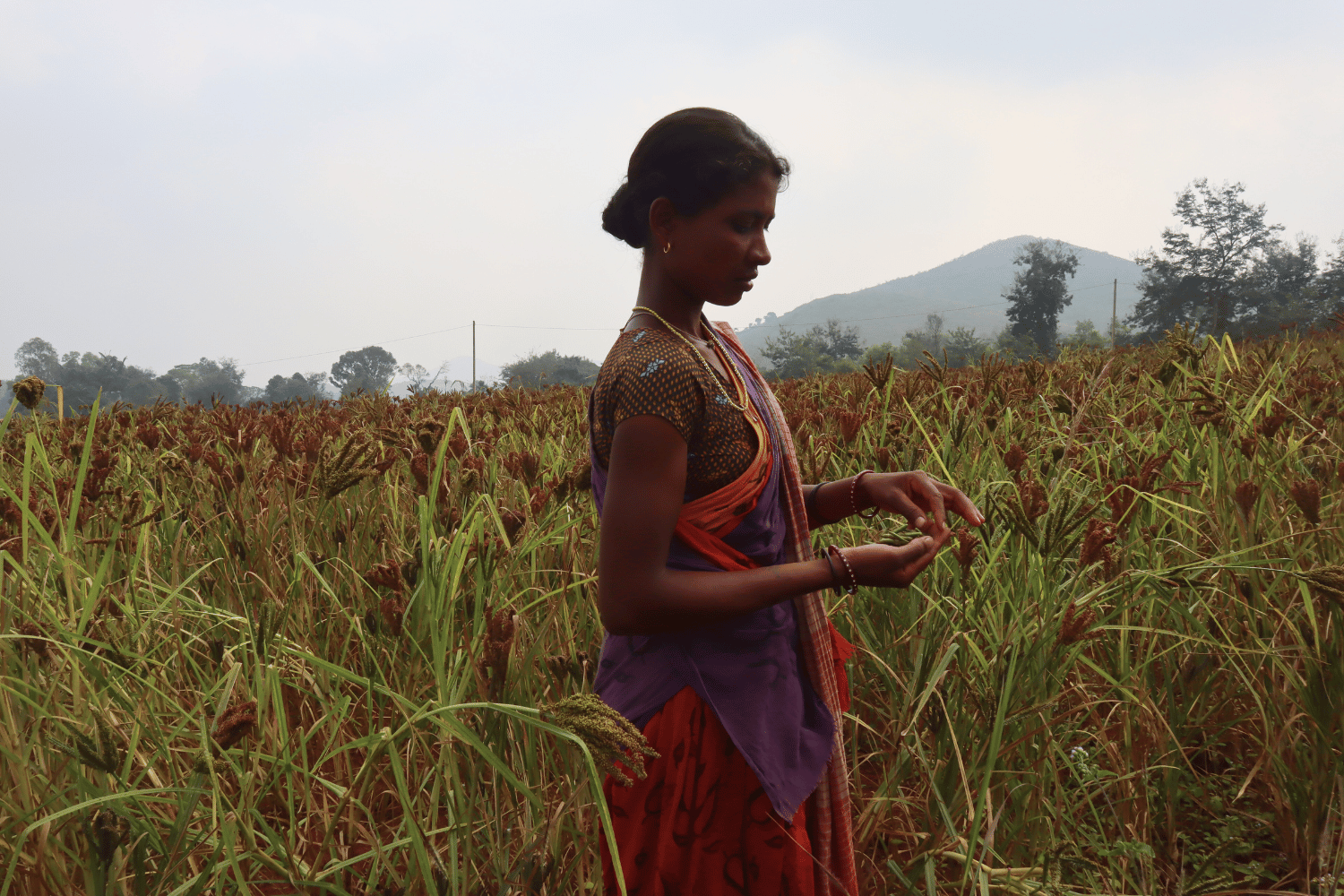
Indigenous communities in the north-west are at the forefront of the impacts, as they depend heavily on nature-based livelihoods such as agriculture. Most of them traditionally work as agricultural labourers or cultivate land on lease. They are heavily impacted by natural hazards, and the ongoing transition to cash crop cultivation is pushing them to the brink of joblessness. They are now facing unemployment, food insecurity, and poverty, despite the fact that agriculture has proliferated in the region. The increased cost of production owing to excessive irrigation is making them face economic losses repeatedly. Moreover, they are already socio-economically marginalised and reside at the lower level of the societal power ladder. There are instances of indigenous farmers suicides for not getting irrigation water on time here. The newly converted orchards do not employ indigenous farmers. They reported various reasons behind it, namely: most of them do not know yet anything apart from paddy cultivation; the labour market is saturated as now a days even Bangali-Muslim women are entering the agricultural labour force, which was not the case previously; there is less manual work to do in the orchards as the places are being taken by technologies or chemicals. For example, chemical herbicides are used to kill weeds in mango orchards, which just require one person to do the spraying.
While being vulnerable to climate change shocks and stresses, agricultural systems are a major contributor to global anthropogenic GHG emissions too. Apart from excessive groundwater consumption, paddy cultivation in the north-west is also responsible for emitting a significant portion of the country’s total GHG emissions. It is undeniable that to meet the growing demand for food for an exponentially growing population in Bangladesh, increasing the yield of Boro rice is required. Nevertheless, that should not come at the cost of exhausting valuable and non-replenishable resources. Moreover, the livelihoods of indigenous people depending on rice farming should be protected too. To this end, the study identified several ways to achieve sustainable management of water resources, agricultural production, and livelihoods for the indigenous people.
To ensure the sustainability of groundwater, the government should shift its focus from water resource development to water resource management. Irrigation with surface water sources should be mainstreamed, and excavation and re-excavation of canals, rivers, and other water bodies should be speeded up by all concerned authorities. When done efficiently, these waterbodies can be of multipurpose simultaneously storing rainwater, channelling surface water flow, mitigating flood impact, and supporting biodiversity. Side-by-side private tubewell installation approval should be rigorously overseen by the concerned authority, and BMDA irrigation coverage should be increased. Efficient irrigation methods, like alternating wetting and drying, should be widely promoted. Also, farmers should be given incentives and training to cultivate crops that require less water. Engaging the local government sectors to strategically zone agricultural fields for cultivation of different crops and implementing an equitable water distribution system are needed. Groundwater recharge wells are being installed by BMDA on an experimental basis. This technology, while sounding promising, still needs more research and development. If proven safe and functional, it should be scaled up by the government. Moreover, existing water control structures are not sufficient. More water control structures like rubber dams should be constructed across different points (5–10 kilometres apart) of rivers in the north-western region to retain water. River training works for the prevention of floods and riverbank erosion are also required. Participants also mentioned the frustrating topic of transboundary river issues with neighbouring countries. The government’s diplomatic interventions should be strengthened to ensure that Bangladesh gets its fair share of water from the transboundary rivers flowing through the region.
To ensure income and livelihood security and, in broader terms, to enhance the resilience of indigenous people to climate change-induced disaster shocks, alternate income-generating activities should be introduced. They should be educated enough to be confident in other business sectors. However, it is not enough just to train and give loans; efforts should be made to create a market and ensure the security of the products and services that they produce to ensure the sustainability of their livelihood. For example, participants in FGD from santal communities said that they received training and loans for cattle rearing from NGOs; however, they fear (as there were such instances) that their cattle might be stolen or die from ailments. Establishing food processing facilities, especially for fruits that are being grown in huge quantities in this region (mango, guava, dragon fruit, etc) and engaging indigenous people can create a win-win situation. Many of the indigenous people have marketable skills like making musical instruments, mats, baskets, fishing nets, traps, etc. However, they cannot afford the raw materials, as either they are costly or they do not have access to the forests anymore. There can be subsidies, entrepreneurship development programmes, or microcredits to create climate-resilient livelihood options for them, capitalising on the knowledge and skills they already possess. The indigenous people should be given protection against their land being grabbed by local influential gangs.
The agriculture sector is still a major contributor to our national GDP. Making this sector sustainable as well as resilient to climate change impacts is thus crucial for ensuring the food security of the country. However, in areas like the north-western region, where indigenous people constitute a major portion of the agricultural workforce and water is becoming scarcer with time, the current improvements seem fragile. This demands prompt policy attention and real-time actions as well.
Source - https://www.newagebd.net