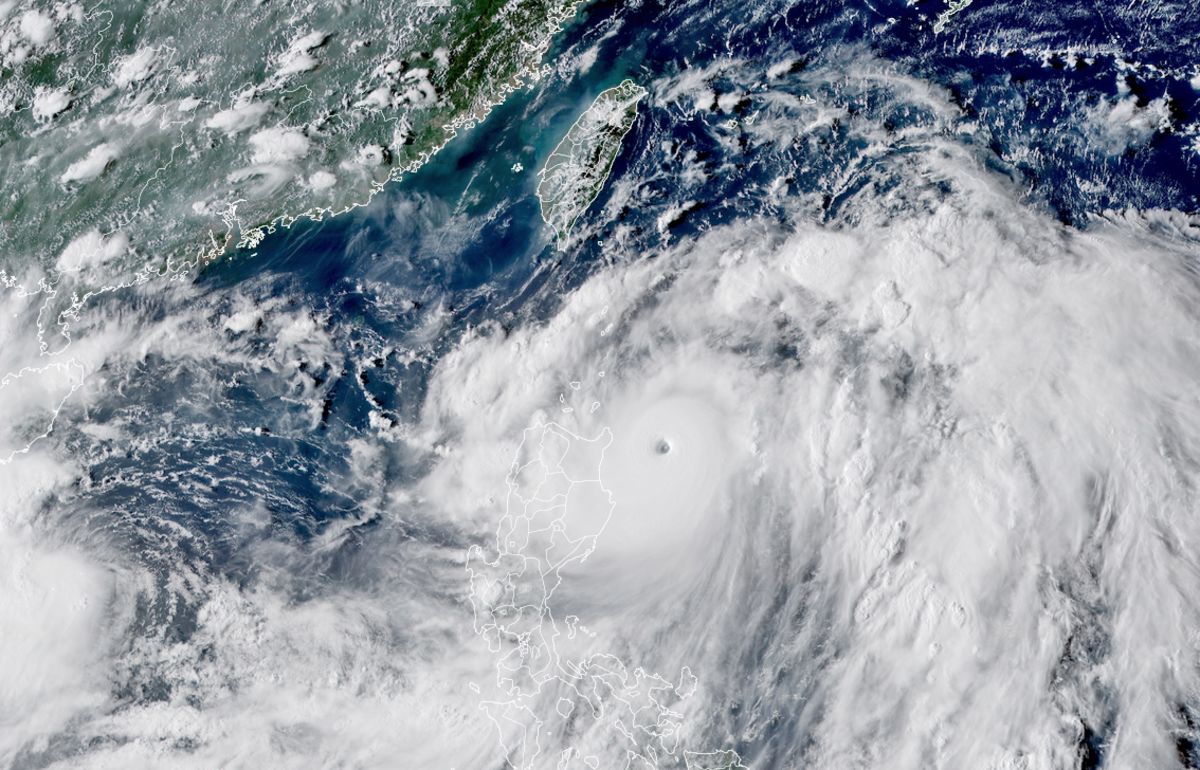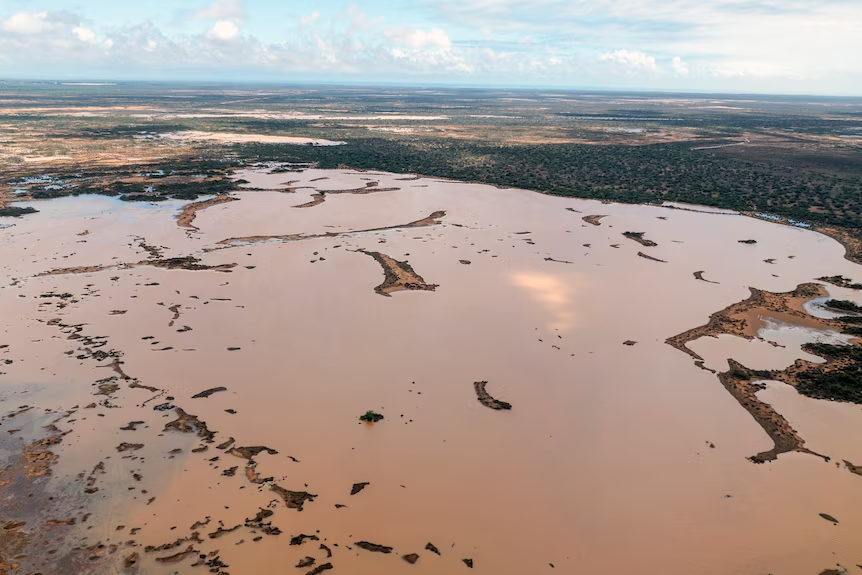
The South of Brazil has seen record breaking flooding with up to 78 people dead, over 100 missing and around 100,000 people displaced following ongoing heavy rain in the South of the country since last week. The limited fruit production of mainly apples is said to be unaffected, while the rain continues to fall in the affected southern Rio Grande do Sul state. Rescue efforts by the different levels of the Brazilian government is ongoing.
Part of a dam wall at a hydroelectric power plant burst its banks last Thursday, leaving over half a million people without power. Dramatic scenes of people waiting on their rooftops to be rescued from high water levels unfolded over the weekend.
In the most affected Rio Grande do Sul state, which borders Uruguay and Argentina, a state of emergency has been declared. In the state's capital city, Porto Alegre, where the Guaíba River bank broke, led to flooding of the streets. Most of the state's 497 cities have been hit by storms leading to widespread flooding, collapse bridged, burst river banks and flooded streets. This led to the huge amount of displaced people. Luiz Inácio Lula da Silva, President of Brazil, along with his cabinet visited the state on Sunday to assess the damage and help the government's responses. He told reports it is the worst flooding that has hit the country.
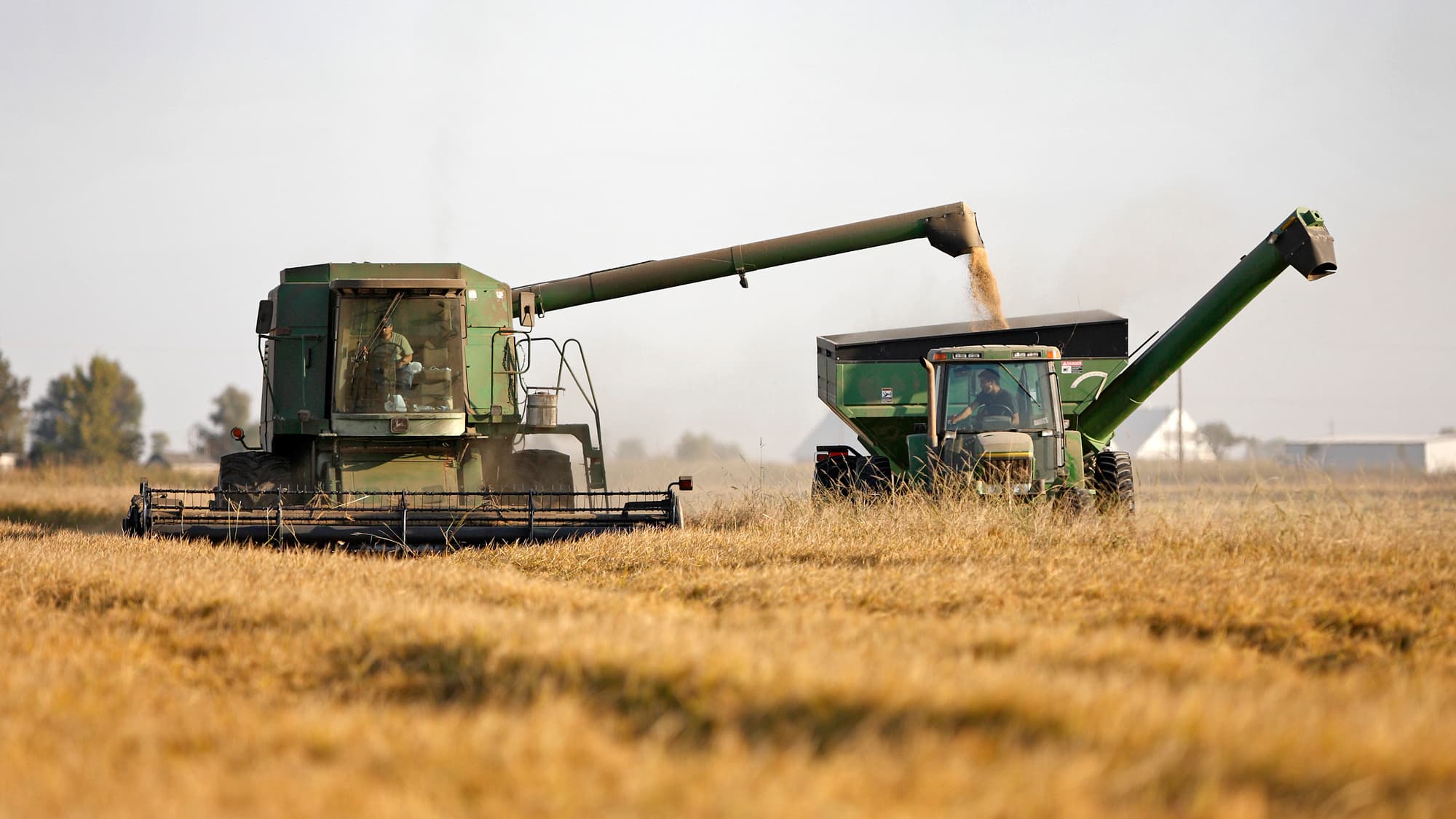
The Rio Grande do Sul state, that is the most affected by the flooding, is where most of Brazil's grains are produced. Experts in Brazil say it will likely affect supply globally because it is an important commodity.
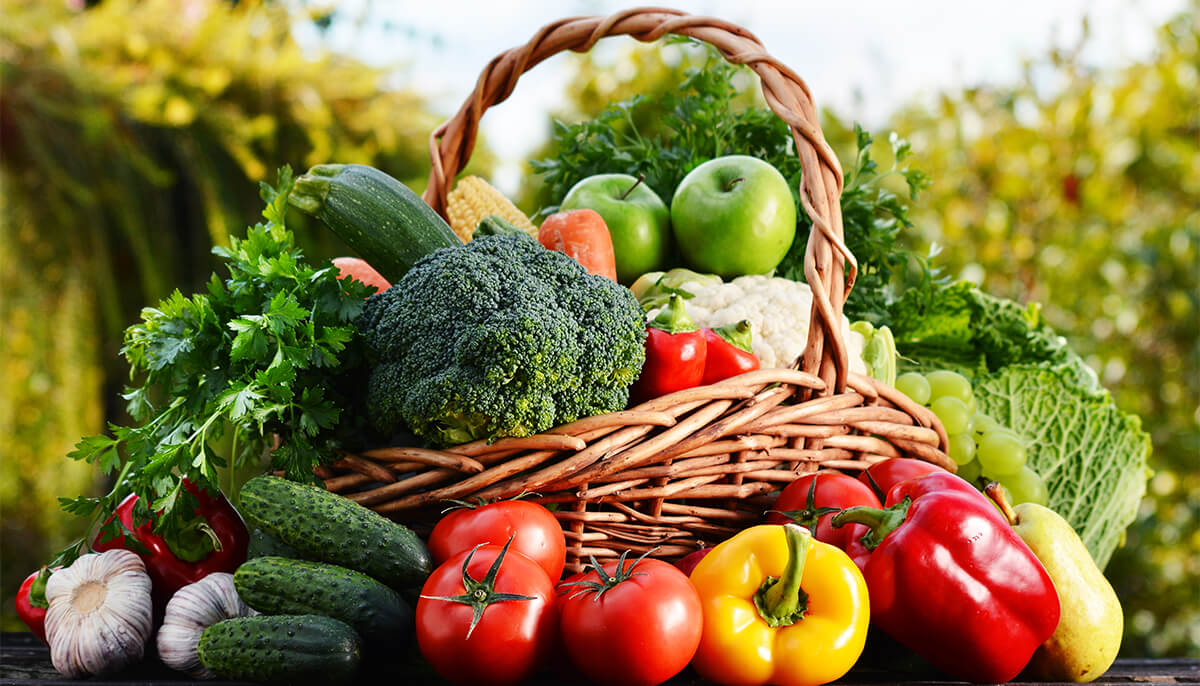
According to Jorge de Souza, technical and project manager at the Brazilian Fruit Growers and Exporters Association (ABRAFRUTAS), fruit production in the affected Rio Grande do Sul state is unaffected by the flooding. "I confirm there are no undesirable effects on fruit production because Rio Grande do Sul State produces apples in the North, relatively far away from the points where flooding has been serious, basic along the rivers that cross the State. There were no negative effects on fruit production, because the harvest has already been done and apples are stored safely. We have only some roads where traffic has been more difficult, but with no negative effect on distribution due to alternative routes."
Flooding leads to 30% export fruit losses in Petrolina
In another city Petrolina, a municipality located in the southernmost point of the state of Pernambuco, in Northeast Brazil, in the valley of the São Francisco River, rain and wind damage has also been reported on export fruit. Renata Alves, a grape grower in the city of Petrolina, where mangoes are also grown, said they have had significant losses due to the rain and strong winds. "The rains in Petrolina were strong, and we have significant losses, around 30% in quantity and around 80% in the conditions for exportation. In other words, out of the losses, 80% of the fruits had no condition for exportation, so we just left the fruit in the local market."
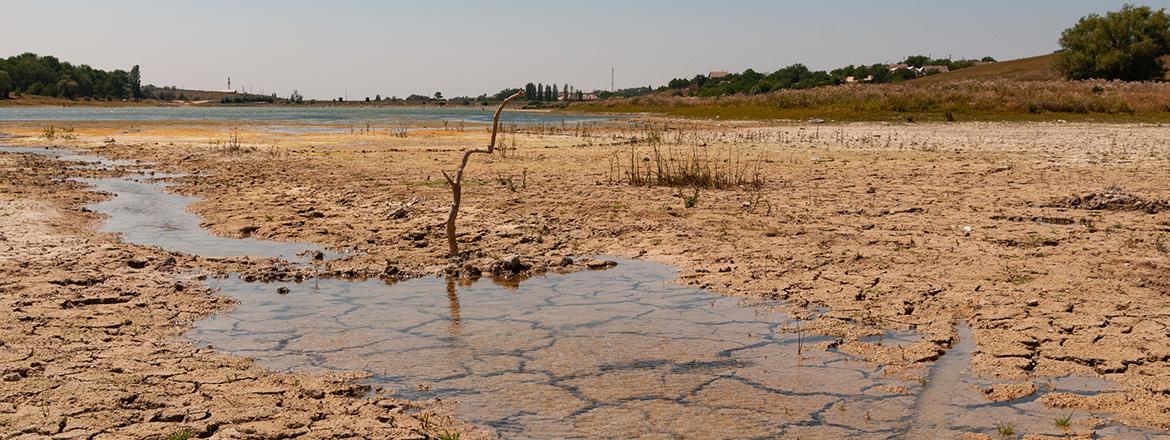
De Souza warns that the climate is increasingly becoming unpredictable, making fresh produce production very challenging for growers in Brazil and around the world. "The only question we have is: How often those heavy rains / drought conditions will occur in the future and where? We have observed several climate disasters all over the world and the future shows a lot of energy about that!"
Source - https://www.freshplaza.com