New findings from the El Niño-Southern Oscillation (Enso) reference group highlight the significant impact of the 2023/24 El Niño event on various aspects of climate and agriculture in Southern Africa.
An assessment statement released by the co-authors provides a comprehensive overview of the developments since the declaration of El Niño by the World Meteorological Organisation (WMO) in July.
Summer crops impacted
According to the report, while the 2023 El Niño event was not as intense as some of the strongest recorded in history, it still ranked among the top five in terms of severity. This event brought about warmer and drier conditions than the long-term average, leading to notable changes in climate metrics such as sea surface temperatures (SSTs).
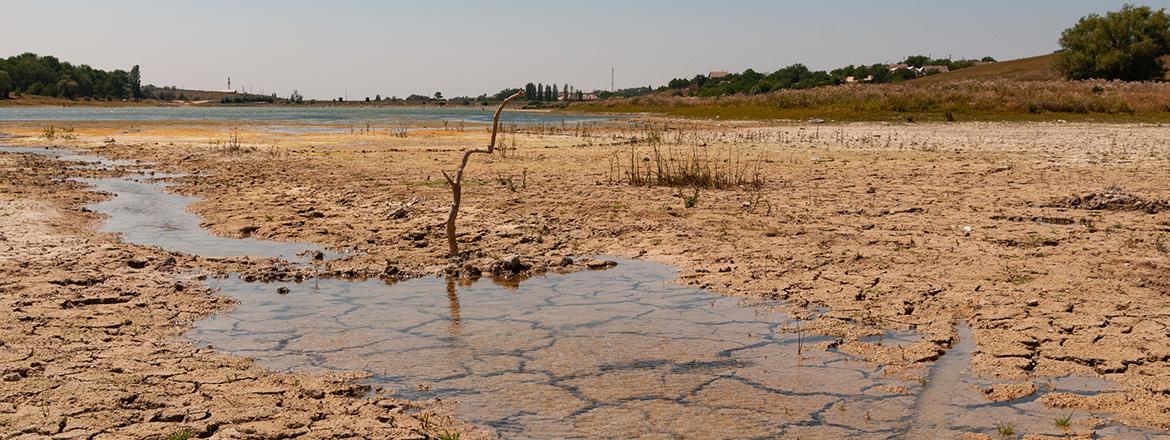
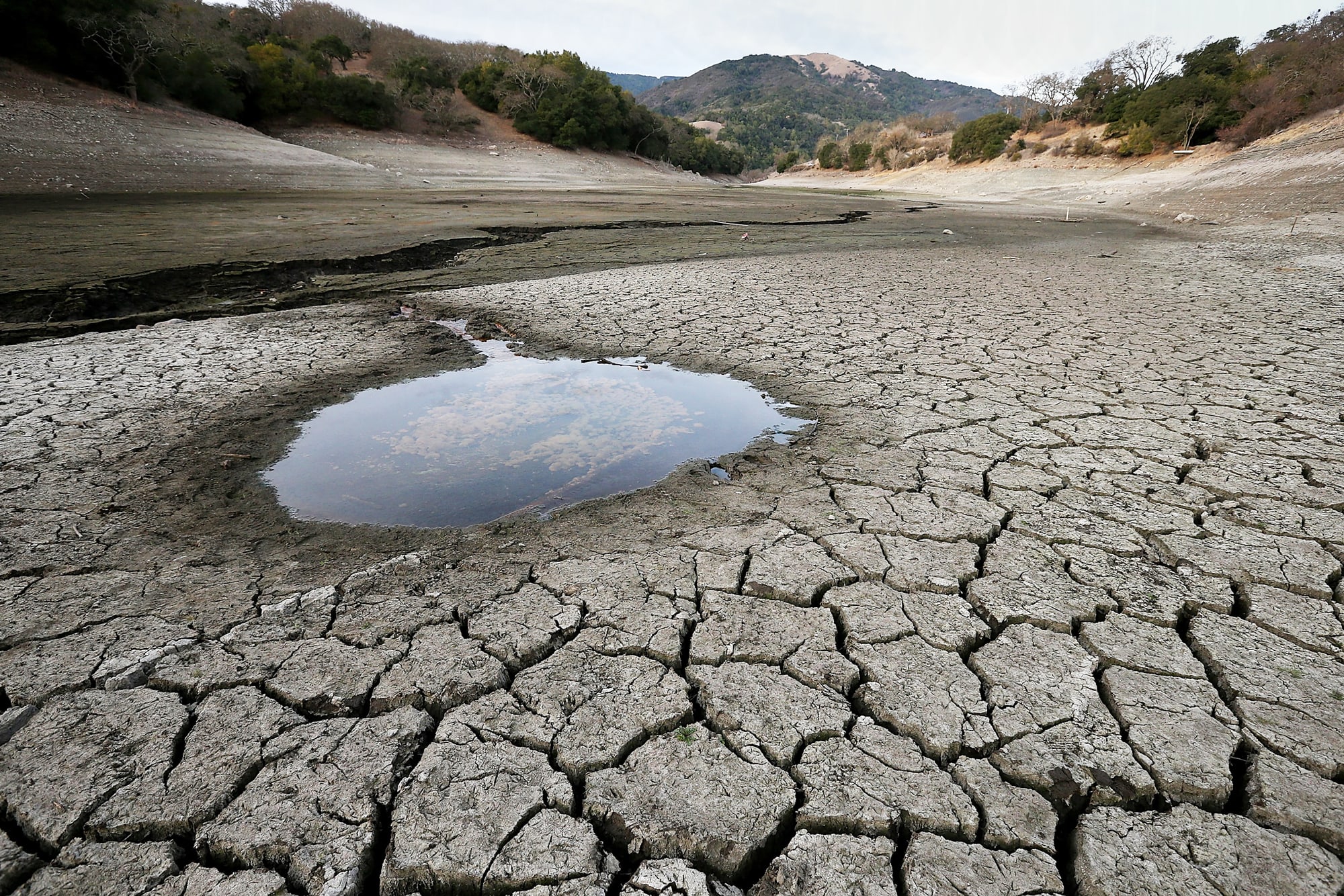
Global SST observations revealed unprecedented warming trends, with 2023 recording the highest temperatures on record. Similarly, the 2023/24 El Niño had a discernible impact on dam levels across the region. Comparisons between provinces highlighted a significant decrease in water reserves, with dams being approximately 6% emptier than the previous year.
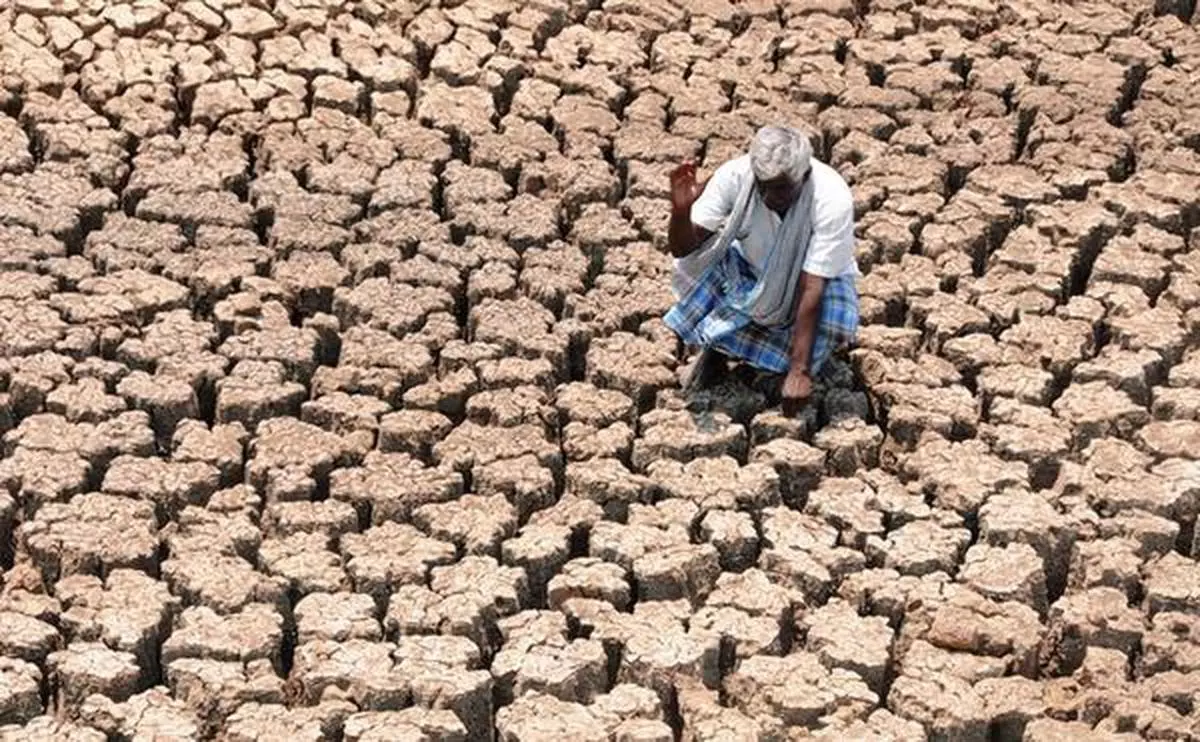
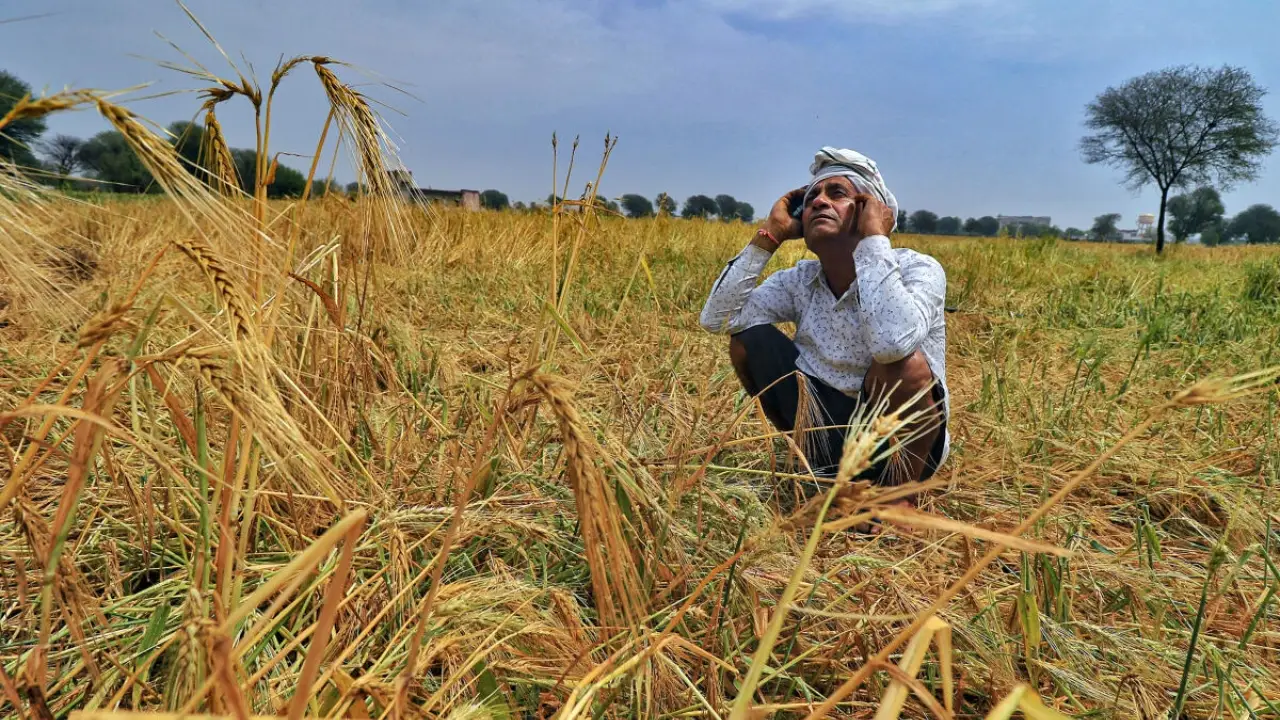
The effects of El Niño were particularly felt in agriculture, where hot and dry conditions since mid-January have severely impacted summer crop production. The National Crop Estimates Committee reported significant reductions in maize and soybean production compared to the previous year, raising concerns about food security and trade in the region.
Moreover, the increased temperatures during the summer season have resulted in a higher frequency of heatwaves, further exacerbating the challenges faced by communities and ecosystems. Despite these adverse conditions, early signs of a transition to La Niña conditions have been detected in forecast models, offering hope for a moderation of climate extremes soon.
The Enso reference group emphasised the urgency of addressing climate change, stating that its impacts are no longer a future threat but a present reality. The group plans to continue monitoring climate dynamics and collaborating with experts to better understand and mitigate the effects of ENSO events in Southern Africa.
The research report was co-authored by Dr Neville Sweijd (Access/CSIR), Professor Willem Landman (University of Pretoria), Dr Christien Engelbrecht and Dr Katlego Ncongwane (both from the South African Weather Service), Dr Mokhele Moeletsi and Dr Johan Malherbe (both from the Agricultural Research Council), Dr Peter Johnston (University of Cape Town), Dechlan Pillay (National Disaster Management Centre), and Wandile Sihlobo (Agbiz).
Source - https://www.foodformzansi.co.za