Egypt - Weather has caused a reduction in the mango harvest

26.08.2021 2190 views

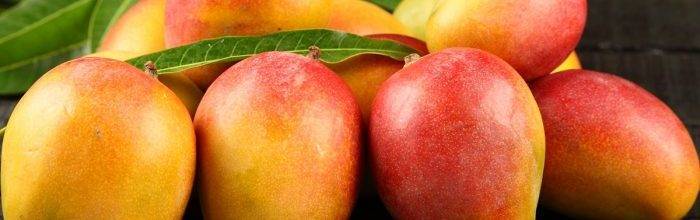
There’s still a few more months left in the Egyptian mango season, but the year has brought significant challenges. The weather resulted in 30% less production this year, and the heat could be a threat to other Egyptian produce as well. Demand has been solid, but the lower harvest has resulted in a price increase. 

According to Indji El-Shahawy, export manager for Egyptian produce exporter Green Tiba, the season started slightly later than usual this season: “The Egyptian mango season usually starts from end of June and lasts till November, However, this year it started a little bit later, in July. The Egyptian soil fertility, as well as humidity during the summer, is what makes the perfect environment for the cultivation of mangoes. The Nile Delta region, mainly in Ismailia, is the main area where mangoes are produced in Egypt. Green Tiba offers more than 15 varieties of juicy Egyptian Mango that are all produced on Egyptian soil with different flavors and textures.” 

Challenges with the weather conditions did lead to a significantly lower harvest than last year, El-Shahawy explains. This could also threaten other Egyptian fresh products. “The cultivation area for Egyptian mango is supposed to be growing steadily. However, this year fluctuating temperatures have resulted in a decrease of harvested mangoes by about 30 per cent. The rising heat isn’t just endangering the Egyptian mangoes, but bananas, tomatoes and even palm trees as well. The reduced harvest has also resulted in a price increase over the course of the season.” 

Despite all of this, Green Tiba has had a solid season under the circumstances: “The Egyptian mango season this year came with a set of challenges, but we’ve seen solid demand for the mangoes, especially when looking at our own products. We’ve tried to cover the orders of our clients as much as possible, which means a lot of mangoes have been sent to Europe, Russia and the Gulf countries.” El-Shahawy concludes. 


Source – https://www.freshplaza.com 

11.01.2026

USA - USDA’s Agricultural Research Service (ARS) helping wheat farmers fight a devastating crop disease

Researchers released a new spring wheat germplasm line with resistance to Fusarium head blight.

11.01.2026

Kenya - Government Mobilises Food and Livestock Relief for Mandera Amid Drought

The Government of Kenya has mobilised food and non-food essentials for urgent delivery to areas affected by food and nutrition shortages caused by adverse weather and low rainfall during the recently ended short rains.

11.01.2026

Indonesia - Govt identifies 30,000 hectares of fish ponds damaged by Aceh flooding

The Ministry of Marine Affairs and Fisheries has identified around 30,000 hectares of aquaculture ponds damaged by floods that hit several regions in Aceh.

11.01.2026

India - Pests and climatic factors damage tomato crop in Haldwani

The Gaulapar area in Haldwani, known for tomato cultivation, has been hit hard by pests and climatic factors this season. 

11.01.2026

Ethiopia’s Agricultural Reforms Attract Global Partners as Food Sovereignty Gains Momentum

Ethiopia’s ongoing agricultural reforms are reinforcing national food self-reliance while attracting growing interest from international development partners, according to a senior official from the Canadian Food Grains Bank (CFGB).

11.01.2026

India - Delhi to digitise agriculture under federal support scheme

Delhi Chief Minister Rekha Gupta has announced plans to fully digitise the city’s agricultural system, introducing digital records for farmers and farmland. 

08.01.2026

Pakistan - Balochistan Agriculture Secretary inspects vegetable seed research farm

Balochistan Secretary of Agriculture, Noor Ahmed Parkani, inspected the Vegetable Seed Breeding Division on Mastung Road. 

08.01.2026

Vietnam pushes biopesticides to support green farming

Biological plant protection products have emerged as an important solution to gradually reduce dependence on chemical pesticides, support integrated pest management (IPM), and advance ecological and organic farming.