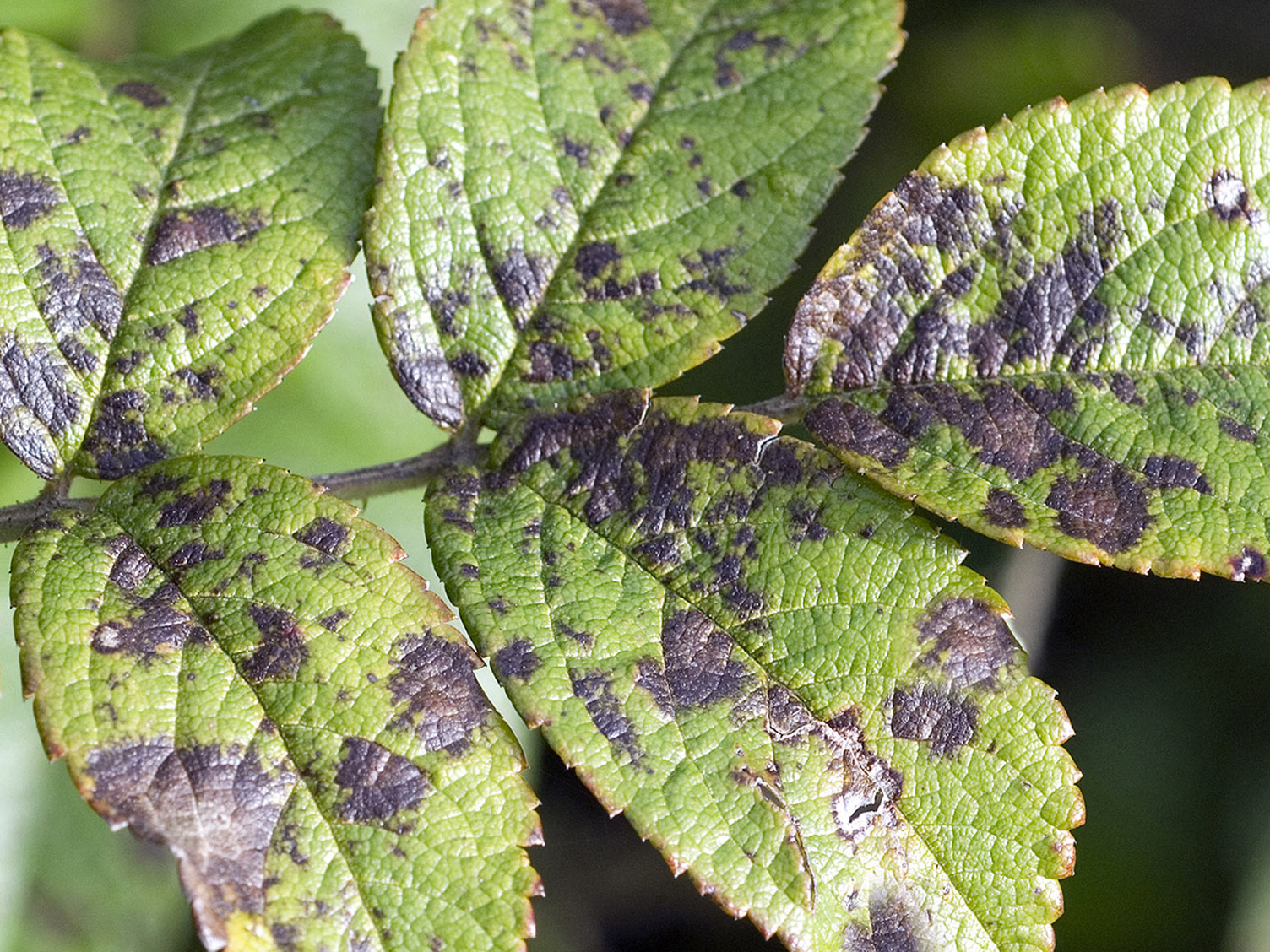
The plants slowly choke to death, wither and dry out. They die en masse, leaves dropping and bark turning grey, creating a sea of monochrome. Since scientists first discovered Xylella fastidiosa in 2013 in Puglia, Italy, it has killed a third of the region’s 60 million olive trees – which once produced almost half of Italy’s olive oil – many of which were centuries old. Farms stopped producing, olive mills went bankrupt and tourists avoided the area. With no known cure, the bacterium has already caused damage costing about €1bn.
“The greatest part of the territory was completely destroyed,” says Donato Boscia, a plant virologist and head researcher on Xylella at the Institute for Sustainable Plant Protection in Bari.
A decade later, far from nearing resolution, the threat to European plants from Xylella and other diseases is only growing: in February 2024, Puglia scientists found another Xylella subspecies, which had annihilated US vineyards and never previously been detected in Italy. For many farmers, scientists and regulators, the disease is emblematic of a far broader problem: the EU’s difficulty curtailing the introduction of devastating new plant diseases, despite regulatory efforts over the past decade. New data, released to the Guardian, shows that dozens of newly introduced disease outbreaks are detected in the EU every year, even as farmers and scientists struggle to contain previously introduced pathogens. As the climate heats, scientists warn the problem will get worse.
Across the EU, data shows, outbreaks of newly introduced plant disease have continued unabated at an average rate of 70 a year between 2015 and 2020, despite regulations introduced to stop their spread in 2016. While a number of member states have taken steps to prevent and curb the outbreaks, scientists, plant epidemiologists and agronomists say it is still insufficient.
“I can’t understand how, after Xylella, we learned almost nothing,” says Pierfederico La Notte, an Italian plant epidemiologist.
Import system – open or closed?
On a scorching June morning in 2023, Paolo Solmi, a phytosanitary inspector at the port of Ravenna in northern Italy, tells his team to open the first of 28 containers of Egyptian potatoes to check that day. They fill bags with 100 potatoes each before taking them to the labs for EU standardised tests.
“Once these checks have been passed, the goods are free to move within the European Union,” Solmi says.
The EU has an open import system: everything that is not known to be harmful can enter. Some countries, such as New Zealand and Chile, have opted for a closed system: everything is considered guilty until proven innocent.
Evidence shows that the Xylella bacteria came from Latin America and, most likely, got a ride from ornamental coffee plants passing through the Netherlands. About 30 billion rooted and unrooted plants, cuttings, bulbs and tissues came from third countries into Europe between 2005 and 2014, mainly through Dutch ports.
According to Alberto Santini, a forest pathologist at the Italian National Research Council, such an open system has been letting in an alarming number of plant pests and diseases from third countries.
“If you know your enemy, you can try to stop it from entering your country,” Santini says. But, he added, many pathogens are harmless elsewhere because ecosystems evolved with them. While Xyllela might not have affected coffee plants in Costa Rica, it thrived when it met the defenceless southern Italian olive trees.
We continuously introduce new organisms … with climate change it will be more and more difficult to manage them
Pierfederico La Notte, plant epidemiologist
The EU introduced new regulations in 2016 to better manage what gets in and how, and to deal with outbreaks quickly. Still, with so many ports of entry, scientists and regulators can’t keep up with the volumes coming in. Trioza erytreae, a sap-sucking pest, has been endangering Portuguese citrus; a bacterium infecting carrots and celery has been raising concerns around the continent; and Hymenoscyphus fraxineus has been killing ash trees in Poland. Many scientists fear the spread will be helped by the climate crisis, which is making Europe a warmer, more hospitable place for foreign plant pests to thrive.
“With the current system in Europe, we continuously introduce new organisms,” La Notte says. “In the context of climate change, it will be more and more difficult to manage them.”
Data provided to the Guardian by Wopke van der Werf and Hongyu Sun, researchers at Wageningen University and Research in the Netherlands, shows that there were 1,720 recorded outbreaks of alien plant disease between 1975 and 2020 in the EU, with Italy, France and Spain accounting for half of them. 2018 was the worst year, with 115 known cases.
The data is drawn from the European and Mediterranean Plant Protection Organization (EPPO) database, which records where alien plant diseases – outbreaks caused by alien insects, pathogens and nematodes – are found for the first time or in a new region inside the union. That data is likely an underestimate: EPPO collects new findings by scanning the scientific literature and acquiring official pest reports from its member countries’ national plant protection organisations, so its reports are limited to each country’s responsiveness and interest in investigating an uncommon pest sighting.
According to La Notte, a few crops – such as grape vines – are heavily regulated. But many others, especially ornamental plants, are treated more leniently, making them potential carriers of alien plant pests. Wooden pallets, internet plant sales, and travellers carrying prohibited plants or fruits are all responsible for bringing in diseases, according to several researchers interviewed for this story.
A long trading history
For some countries, such as the Netherlands, open trade in plants is a core part of their history and economy – and they have been resistant to increased regulation. Christian Linden, the founder and CEO of IBH Export, walks around his 14,000-sq metre storage area in the Aalsmeer Flower Auction house in the Netherlands. He imports cut flowers and pot plants, mostly from Turkey and east Africa, and redistributes them around Europe.
Linden says he doesn’t know much about pathogens or bugs entering through the plant trade, but isn’t concerned because the phytosanitary authorities “are very strict”. He thinks the 2016 plant health regulation created higher protection for the EU, and points out the introduction of plant passports, which did not exist when Xylella arrived in Italy. Today, he adds, if one customer finds a disease or a bug on an imported plant, the whole shipment is tracked down and destroyed.
“When it’s necessary to protect the environment, you have to do it,” he says.
John Van Ruiten, the former director of Naktuinbouw, the Netherlands inspection service for horticulture, says their controls on imported material are strict. However, he admits it’s hard to detect everything – insects, symptoms of bacteria or viruses – especially during a visual inspection: “It is impossible that inspectors have the knowledge of all diseases in all commodities.”
Only a sample of about 2% of imported plants are inspected for the presence of symptoms, according to international protocols, says the Netherlands Food and Consumer Product Safety Authority (NVWA). Given the number of plants that come through the main EU ports, it is “possible that new species will be introduced”.
The NVWA says it believes the Netherlands has a robust control system. For example, once certain live plants pass the border and end up in a nursery, the phytosanitary inspector rechecks them after two weeks to see if they carry any latent disease.
According to Van Ruiten, the burden of preventing disease shouldn’t fall entirely on the shoulders of the importers. He says exporting countries in Africa, Asia and Latin America should also conduct proper checks.
Balancing costs and benefits
In the port at Ravenna, phytosanitary inspector Solmi recognises the challenge. “Europe was born around the movement of goods, capital and people,” he says. “Our mission is to do our best within the open phytosanitary system because an alternative currently does not exist.”
But while the economic cost of what the EU could lose in terms of trading is substantial, so is the price of the damages caused by alien pests and diseases. How do you put a price on a lost forest of ash trees?
“The main issue on the economics is that data is kind of scarce,” says Françoise Petter, former assistant director at EPPO. The costs and benefits of a closed system have not been calculated, and it is unknown whether losses incurred by a slower trading system would be offset by the preserved value of EU agriculture and biodiversity.
“We’ve never tried to do a full comparison with a closed system,” Petter says. “That’s a little bit depressing, isn’t it?”
Source - https://www.theguardian.com