Hunger in Southern Africa: addressing climate change effect

25.04.2024 709 views

As a result of climate disasters, millions of people in Southern Africa face the threat of starvation.

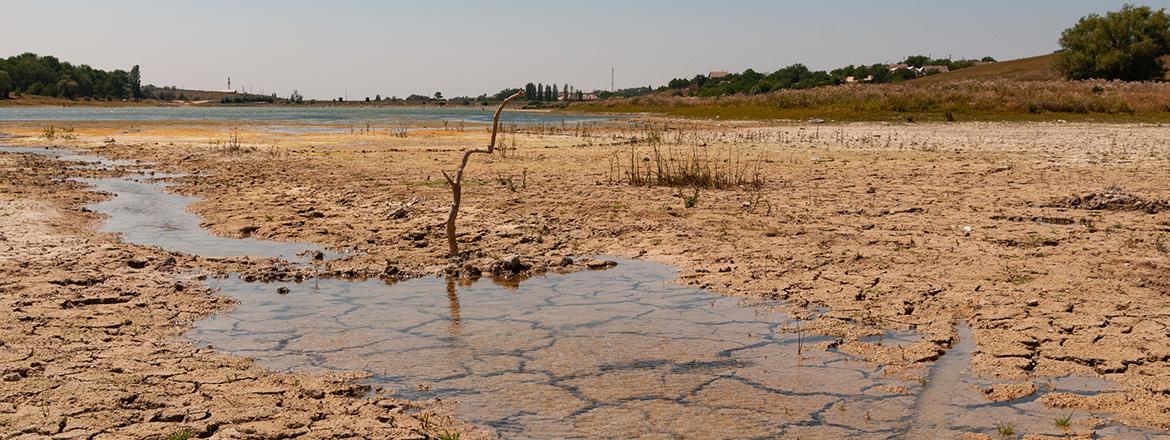
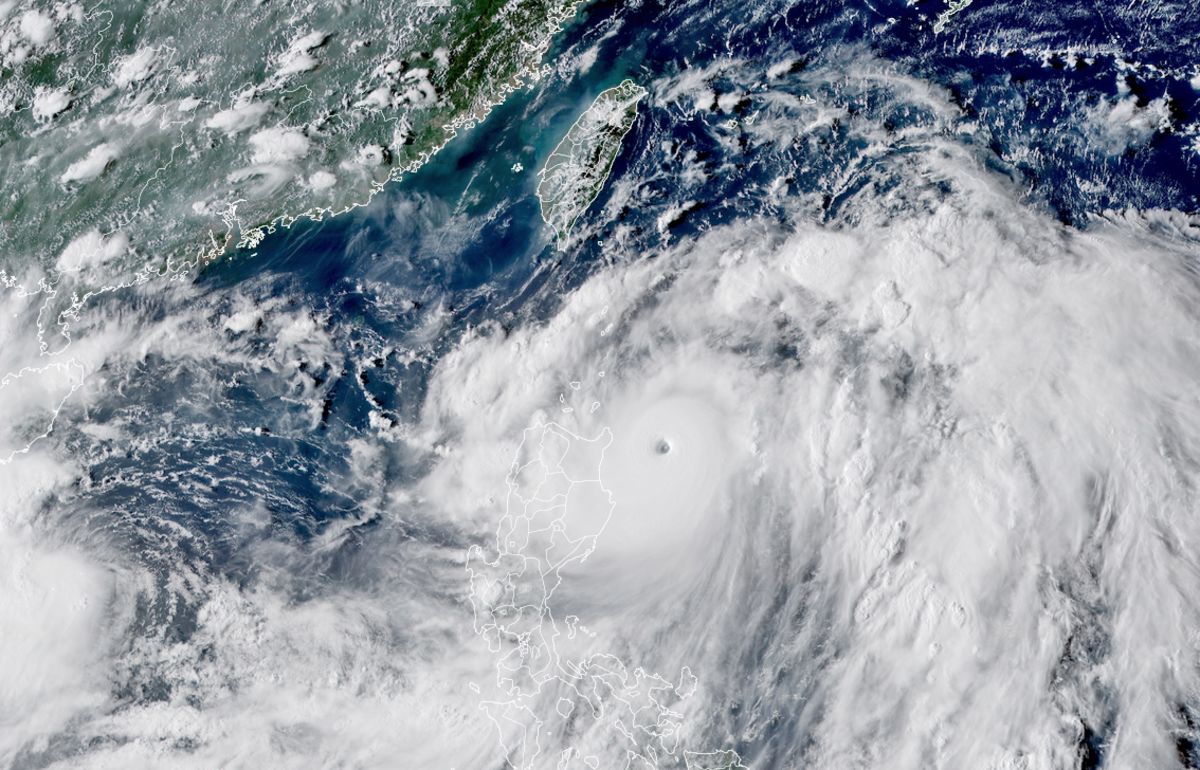
The onset of El Niño caused scorching heat waves that destroyed crops and dried up essential water sources in the region.

The situation is dire and calls for immediate and coordinated action to prevent a humanitarian catastrophe. We understand that the situation has impacted women and girls severely, even as they have witnessed the protracted drought destroy their livelihoods.

Also, hundreds of lives have been lost in recent cholera outbreaks in Malawi, Zambia, and Zimbabwe.

El Niño has caused below-average rainfall and scorching temperatures for over 4.4 million people in Malawi.

In Zimbabwe, it is also severe, with over 2.7 million people living in poverty as a result of prolonged dry spells that cause extensive crop loss. The rural areas have been especially affected, with 26 percent of people in these areas experiencing a lack of cereal.

In Zambia, 9.8 million people are affected by the drought, and a national disaster declaration has been made due to crop withering and delayed rainfall. Also, food insecurity has increased in the country, impacting 84 districts in eight provinces, and has been made worse by soaring food costs, which have increased by 45 percent.

Without decisive action, the humanitarian, economic, and environmental toll of the crisis will continue to escalate, hence the need to prioritise adaptation and resilience-building measures.

Development Diaries calls on the governments of these countries and donors to roll out a comprehensive response plan aimed at providing vital assistance to affected communities.

Source - https://developmentdiaries.com

04.05.2026

Bulgaria's Kyustendil cherry crop severely affected by frost for second consecutive year

Frosts have caused critical damage to cherry orchards in the Kyustendil region of Bulgaria for the second consecutive spring, with producers reporting near-total crop losses. 

04.05.2026

Vietnam - MoF moves to expand farm insurance support and eligibility

The Ministry of Finance has proposed sharply increasing agricultural insurance premium subsidies to up to 95 per cent and widening the pool of eligible beneficiaries to better share risks with producers, stabilise farm incomes, and strengthen climate resilience.

04.05.2026

Bangladesh - One lakh hectares of rice fields go underwater in haor regions

What should have been a vibrant harvest season in the country’s haor belt across seven districts has instead turned into widespread devastation. 

04.05.2026

Philippines - P150-M insurance buffer vs El Niño but PCIC limits coverage to irrigated farms

The Philippine Crop Insurance Corporation (PCIC) in Western Visayas has set aside P150 million in drought insurance as El Niño conditions intensify, with officials warning that the region is already nearing “critical” risk levels that could threaten thousands of farmers in the coming cropping season.

04.05.2026

Indian banana crops damaged across 809 hectares in Tamil Nadu

Strong winds and heavy rainfall in parts of Tamil Nadu have damaged banana crops across districts, including Theni, Dindigul, Coimbatore, and Salem.

04.05.2026

Poland reports up to 100% fruit crop losses after late April frosts

Fruit growers in Poland are assessing losses after late April frosts damaged crops across multiple regions, with eastern areas most affected and stone fruit production under pressure.

03.05.2026

Vietnam - Aid for agricultural insurance premiums proposed to rise

The Ministry of Finance has proposed increasing support for agricultural insurance premiums and expanding eligible beneficiaries in a move aimed at encouraging greater participation by farmers and agricultural organisations.

03.05.2026

USA - MDARD Awards Over $3.2 Million Through Resilient Food Systems Infrastructure Grant Program

The Michigan Department of Agriculture and Rural Development (MDARD) today announced more than $3.2 million of grants to 10 Michigan entities through the U.S. Department of Agriculture’s (USDA) Resilient Food Systems Infrastructure (RFSI) Grant Program.