South Africa - Apple crop loss in the Overberg after flooding

12.04.2024 528 views

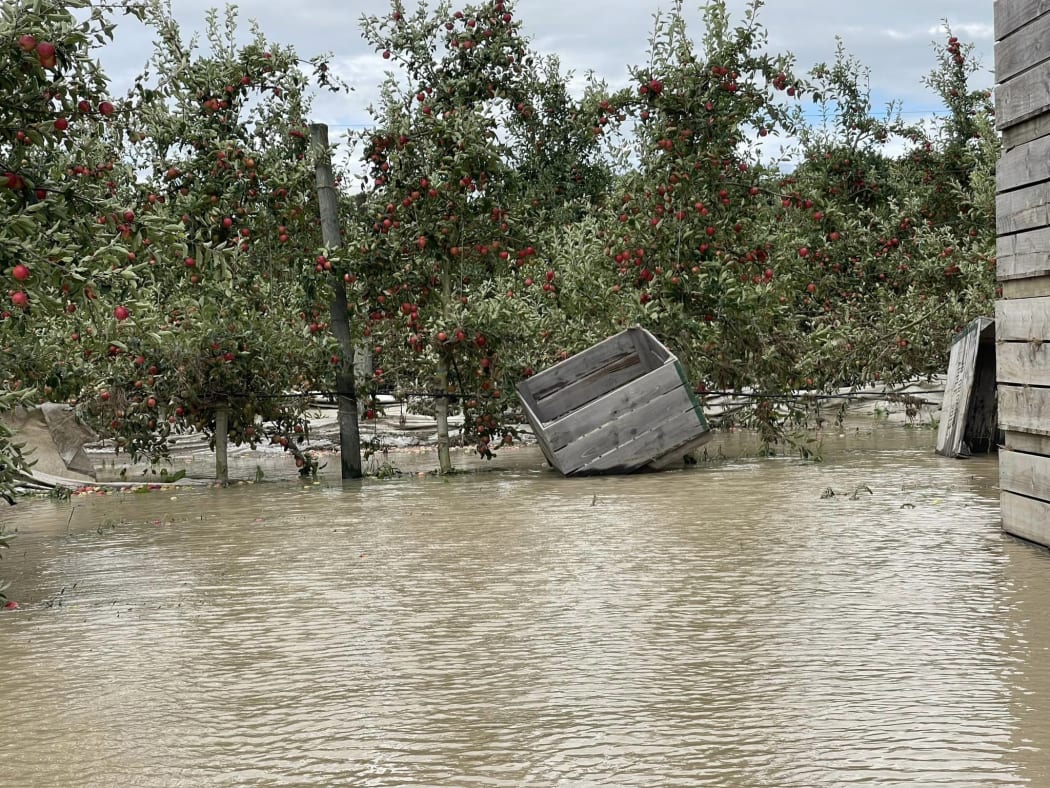
Tru-Cape’s producers are currently assessing the damage and losses caused by gale-force winds and rain over the weekend.

“We are currently doing a damage assessment,” said Roelf Pienaar, managing director of Tru-Cape Fruit Marketing, “but at the moment it seems our production areas weren’t hit as hard as the Helderberg and Stellenbosch areas.”

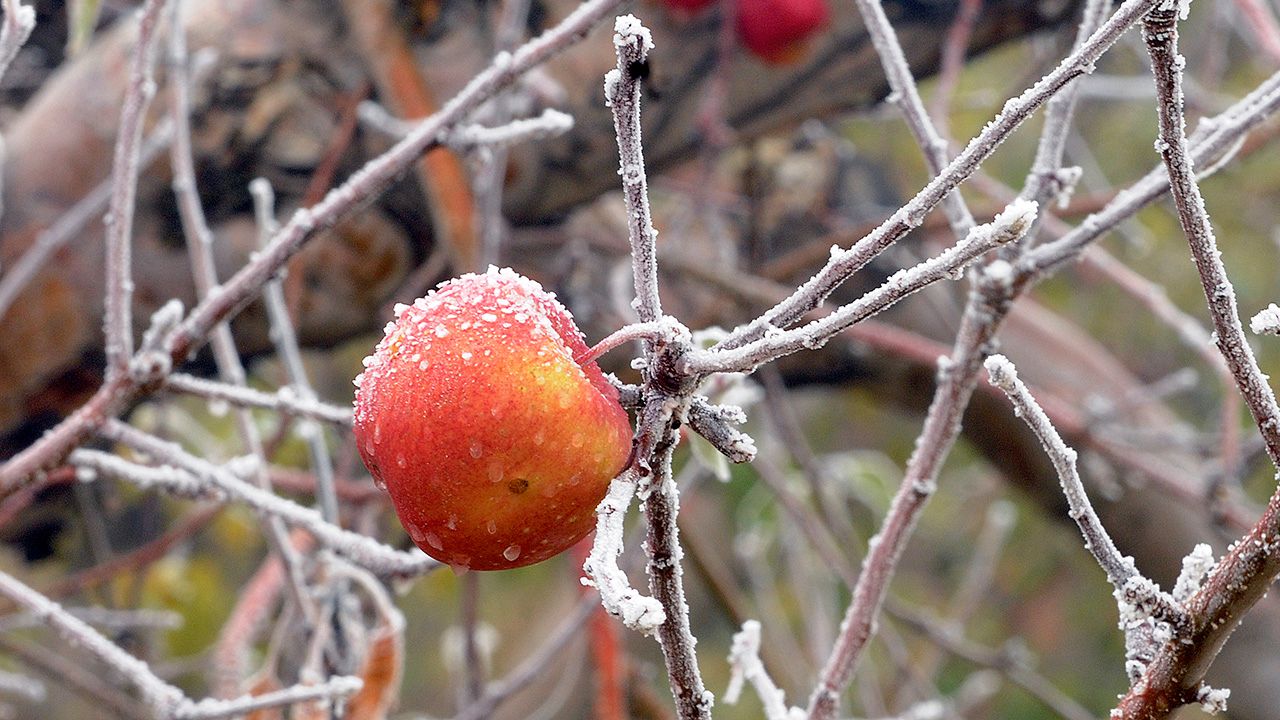
Apple varieties such as Pink Lady, Rosy Glow, Granny Smith and Sundowner are currently being or yet to be harvested. According to weather reports some rain and cooler weather was expected until Wednesday.

Limited damage was incurred in the Elgin Valley, where Two-A-Day producer Arno Reuvers farms on Heideland.

“Less than 5% of our fruit was blown off the trees,” Pienaar said. “It is a miracle.” Tru-Cape’s Pink Lady apples and the balance of their Granny Smith crop were hit the hardest.

“We experienced consistent wind speeds of 10 m/s (36 km/h),” Pienaar said, “but thankfully not the gusts of wind that were reported in Somerset West and Stellenbosch.” He added wind and rain damage to the fruit and orchards were minimal on his farm, Champagne, in the Greyton area.

Slight bruising can be expected, but it will be prevalent only once Tru-Cape resumes harvesting. “We had about 24 mm of rain already, with the big rain still expected this afternoon and tonight,” Pienaar said on Monday.

On the upside, rain and cold weather go hand in hand in the Western Cape.

“We need the cold for proper colour development on our Pink Lady apples,” said Pienaar. “The only negative is we’ll have to wait a few days for the orchards to dry out before we pick fruit again.”

Another Two-A-Day producer, Ben van der Merwe, from the farm Fortuin in the Vyeboom region, also welcomed the cooler weather.

“The cold weather is good for the colour of our Pink Lady and Sundowner apples. Colour development was challenging this season due to the warm, dry spell we experienced lately.”

He didn’t suffer any fruit or infrastructure damage over the weekend.

Source - https://www.news24.com

26.03.2026

USA - Government Payments and Crop Insurance Strengthen 2026 Outlook for Farmers

Before the start of the Iran conflict, 2026 farm economics was shaping up to be in a better position than 2025. 

26.03.2026

USA - Hawai‘i Farmers Confront $11M In Flood Damage Without A Safety Net

Crop insurance is hard to attain in Hawaiʻi, and federal programs are tailored to mainland agriculture.

26.03.2026

India - Belagavi mango crop hit by hailstorms, prices may rise 20–40%

Mango production in Belagavi district has been affected by recent hailstorms and rainfall, with damage reported across approximately 3,200 hectares. Growers indicate that fruit quality has been impacted, raising concerns about market returns.

26.03.2026

Uzbekistan and Italy Sign Memorandum on Agri-Insurance

As part of the business forum “Italy – Central Asia (C5) + Azerbaijan” in Tashkent, Uzbekistan’s Minister of Agriculture, Ibrokhim Abdurakhmonov, met with representatives of the Italian Agency for Agricultural Payments (AGEA), including leaders of the Agricultural Insurance Fund and the Payments Agency in the agricultural sector.

26.03.2026

USA - ADAI urges crop producers to report freeze damage

Alabama agriculture officials urge specialty crop producers to report recent freeze damage to local USDA FSA offices, as early fruit crops show significant losses across parts of the state.

26.03.2026

USA - Hawaii’s flood damage could top $1 billion

The worst flooding to hit Hawaii in two decades swept homes off their foundations, floated cars out of driveways and left floors, walls and counters covered in thick, reddish volcanic mud.

23.03.2026

Canada - Saskatchewan Government announces detailed changes to 2026 AgriStability Program

Today, Saskatchewan Agriculture Minister David Marit announced changes to the 2026 AgriStability Program, administered by the Saskatchewan Crop Insurance Corporation (SCIC).

23.03.2026

USA - Washington cherry industry seeks bigger fruit

Increasing minimum cherry size would boost returns, improve crop insurance.