Given the recent weather fluctuations, the Abu Dhabi Agriculture and Food Safety Authority (ADAFSA) has released a comprehensive set of guidelines tailored to farmers and livestock breeders. These aim to safeguard crops, livestock, and workers amidst varying weather conditions.
-
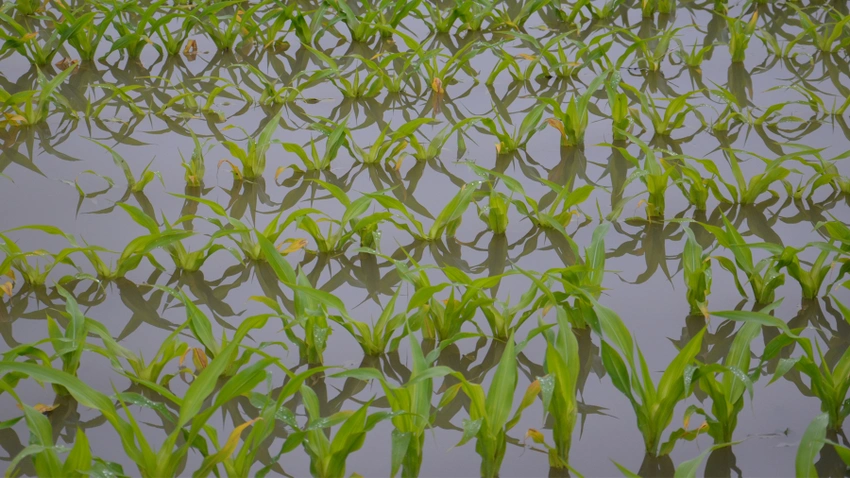
Ensuring Adequate Drainage: ADAFSA emphasizes the importance of maintaining proper drainage systems. This includes clearing water drainage channels to mitigate the risk of flooding and water damage to crops.
-
Protecting Electrical Installations: Farmers are advised to have their electrical systems inspected by qualified technicians to prevent electrical hazards, especially during inclement weather.
-
Sheltering Livestock: During storms, it is crucial to keep animals sheltered in their barns and provide ample water and feed to ensure their well-being.
-
Securing Feed Stocks: Storing feed in tightly sealed containers and covering them adequately helps prevent moisture damage, preserving the quality of the feed.
-
Securing Movable Equipment: To prevent damage and loss, it is recommended to secure tools and equipment to prevent them from being displaced by strong winds.
-
Tree Inspection: Regularly inspecting trees for broken branches and promptly removing them can prevent potential damage to the farm during adverse weather conditions.
-
Greenhouse Ventilation: Operating fans and cooling systems within greenhouses aids in reducing humidity levels and prevent dust build-up, ensuring optimal growing conditions for crops.
-
Structural Integrity Checks: Regular inspections of greenhouse structures for any signs of damage to the metal frame or plastic covering are essential to maintain structural integrity.
-
Electrical Systems Maintenance: Ensuring the proper functioning of electrical systems within greenhouses and having backup generators ready can prevent disruptions to agricultural operations during power outages.
-
Monitoring Drainage: Regularly clearing drainage channels around greenhouses helps prevent waterlogging, which can adversely affect crop health.
-
Temporary Suspension of Agricultural Activities: To prioritize worker safety, it's advisable to avoid agricultural work inside greenhouses during storms or adverse weather conditions.
-
Application of Preventive Fungicides: After rainfall, applying fungicides to crops can help prevent the onset of fungal diseases, safeguarding crop yields.
-
Seeking Expert Assistance: ADAFSA encourages farmers and livestock breeders to reach out to agricultural guidance centers or veterinary clinics for expert support when needed.
ADAFSA highlights the importance of utilizing social media platforms to disseminate timely and relevant information to the agricultural community, ensuring proactive measures are taken to mitigate risks associated with severe weather conditions.
Source - https://krishijagran.com