In response to feedback received from the producers, the U.S. Department of Agriculture is improving crop insurance for hemp. USDA’s Risk Management Agency is strengthening the hemp crop insurance policy by adding flexibilities around how producers work with processors as well as improving consistency with the most recent USDA hemp regulation.
“Hemp is an emerging crop, and we are working with hemp producers to provide insurance options that make sense for producers and for insurance providers,” RMA Administrator Marcia Bunger said. “RMA has worked to expand and refine our offerings to be responsive and dynamic.”
RMA revised the policy to add flexibility to the insurability requirements for hemp under contract. Producers are no longer required to deliver hemp without economic value for insurability. However, contracts between producers and processors may still include delivery requirements. Additionally, RMA clarified how the amount of insurable acreage is determined if the processor contract specifies both an acreage and a production amount. This change was made in the policy to ensure producers know how their insurable acreage is determined for those contracts.
Additionally, RMA added a new requirement for producers who grow direct-seeded hemp, or hemp grown from seeds planted in the ground. Before insurance attaches, producers must have acreage inspected and must have a minimum of 1,200 live plants per acre. This requirement was added to align direct-seeded hemp with the common farming practice for transplanted Cannabidiol (CBD) of transplanting at least 1,200 live plants per acre.
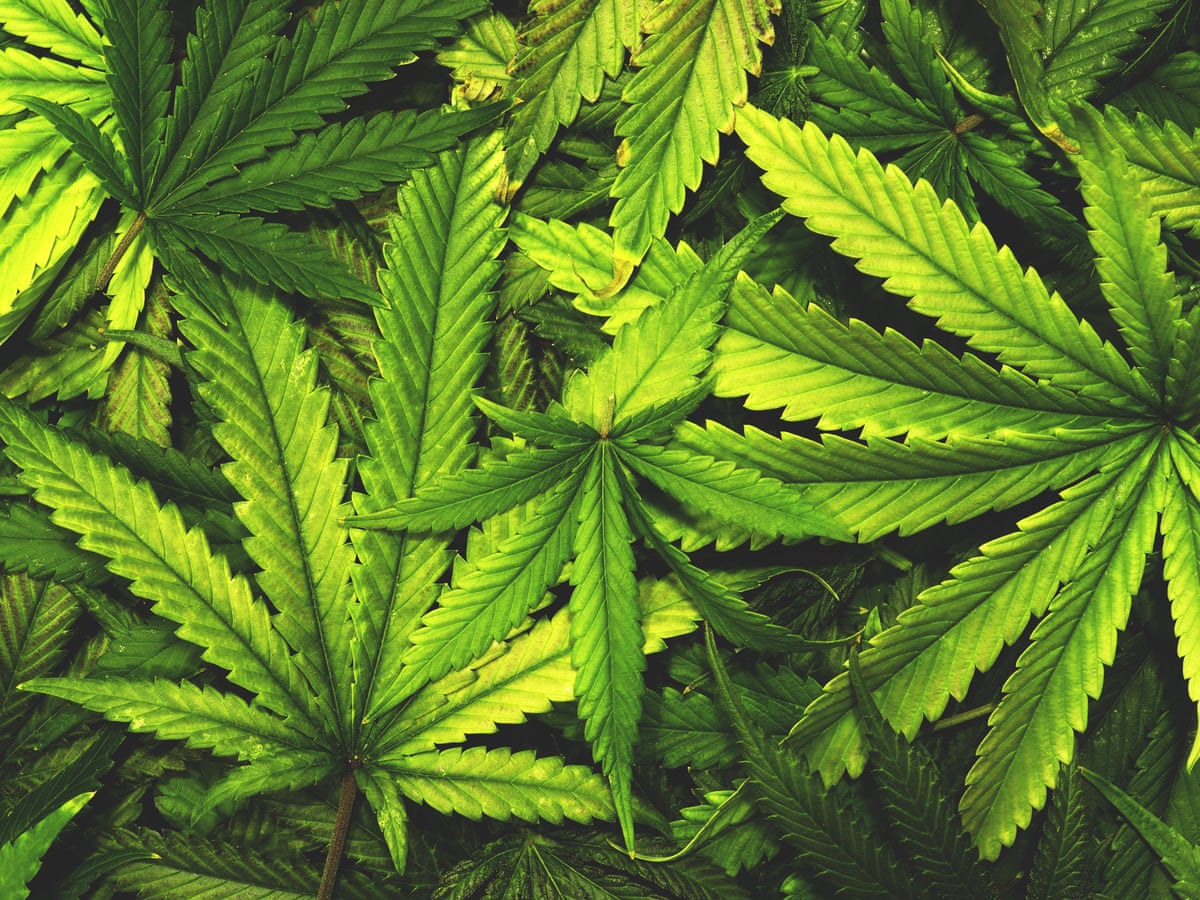
The hemp crop insurance policy provides Actual Production History coverage against loss of yield due to insurable causes of loss for hemp grown for fiber, grain, or CBD oil. The farm bill defines hemp as containing 0.3% or less tetrahydrocannabinol (THC) on a dry-weight basis. Hemp having THC above the federal statutory compliance level of 0.3% is an uninsurable or ineligible cause of loss and will result in the hemp production being ineligible for production history purposes.
The hemp crop insurance policy is available in certain counties within 25 states: Alabama, Arizona, Arkansas, California, Colorado, Illinois, Indiana, Kansas, Kentucky, Maine, Michigan, Minnesota, Montana, Nevada, New Mexico, New York, North Carolina, North Dakota, Oklahoma, Oregon, Pennsylvania, Tennessee, Texas, Virginia and Wisconsin.
In 2021, hemp producers insured 12,189 acres and 59 policies to protect $10.9 million in liabilities.
In addition to the APH crop insurance policy, coverage for hemp is available through Whole-Farm Revenue Protection, the nursery crop insurance program, and the Nursery Value Select pilot crop insurance program. Additionally, the Noninsured Crop Disaster Assistance Program coverage, offered through USDA’s Farm Service Agency, protects against losses associated with lower yields, destroyed crops or prevented planting where no permanent federal crop insurance program is available.
Source - https://www.thefencepost.com