U.S. blueberry growers face higher labor and replanting costs
Blueberry growers in West Michigan are preparing for higher labor costs in 2027 as the minimum wage is set to increase to US$15 per hour.


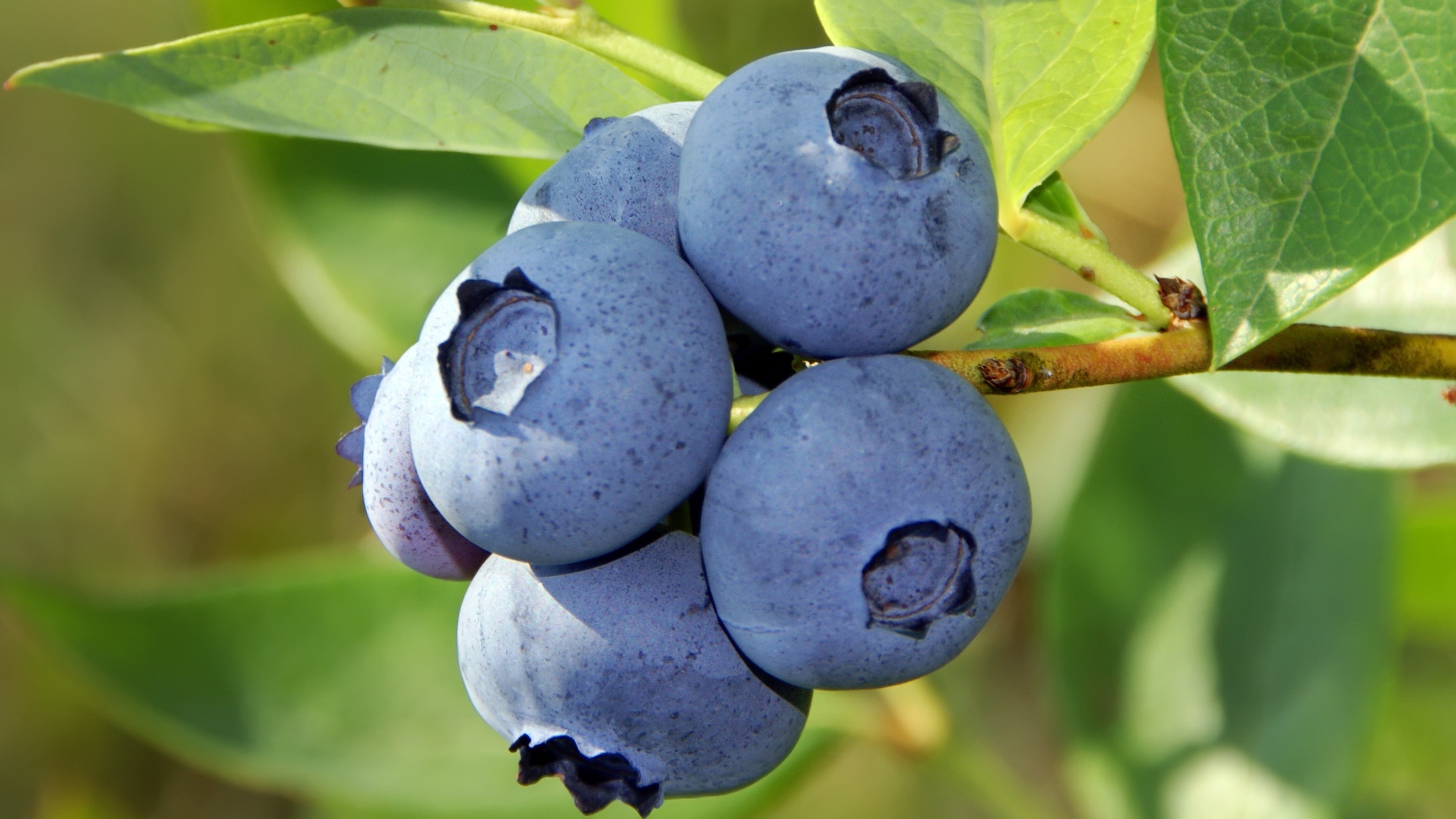
Blueberry growers in West Michigan are preparing for higher labor costs in 2027 as the minimum wage is set to increase to US$15 per hour.
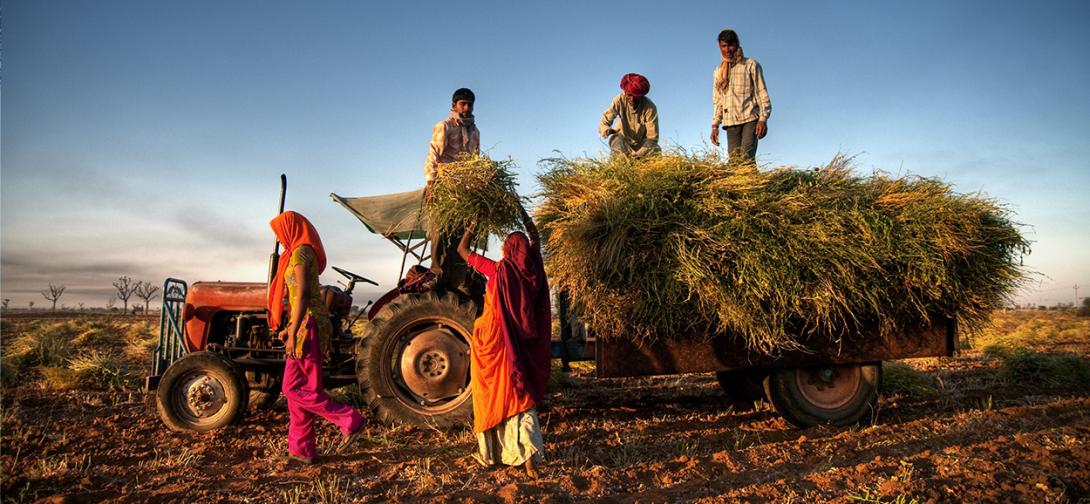
To minimize economic losses from natural disasters, diseases, and other risks in agriculture and livestock business, the government has been implementing a system of providing subsidies on insurance premiums. For this, the government itself is providing up to 80 percent subsidy on insurance premiums.

While greenhouses help boost agricultural production and meet market demand, experts warn that the excessive or unbalanced use of chemical fertilisers, water shortages and improper disposal of agricultural plastics can damage soil fertility and the environment.
American agriculture stands at a turning point. Increasingly severe weather and water risks are driving billions in losses — more than $20 billion in 2024 alone — increasing farmers’ financial exposure and an urgent need for more adaptive insurance solutions.
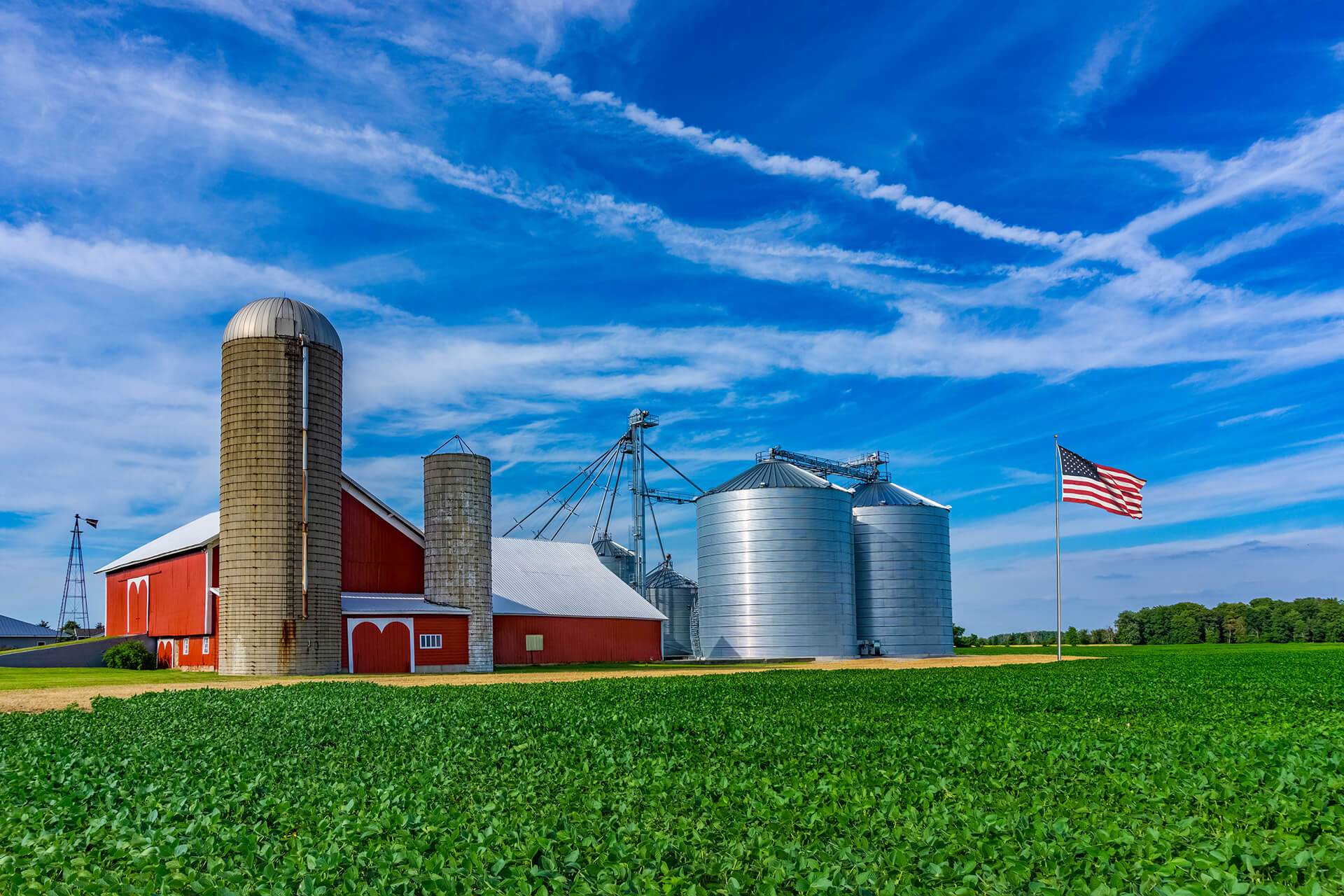
The Illinois Department of Agriculture (IDOA) is offering its insurance discount program for cover crops for the eighth year.
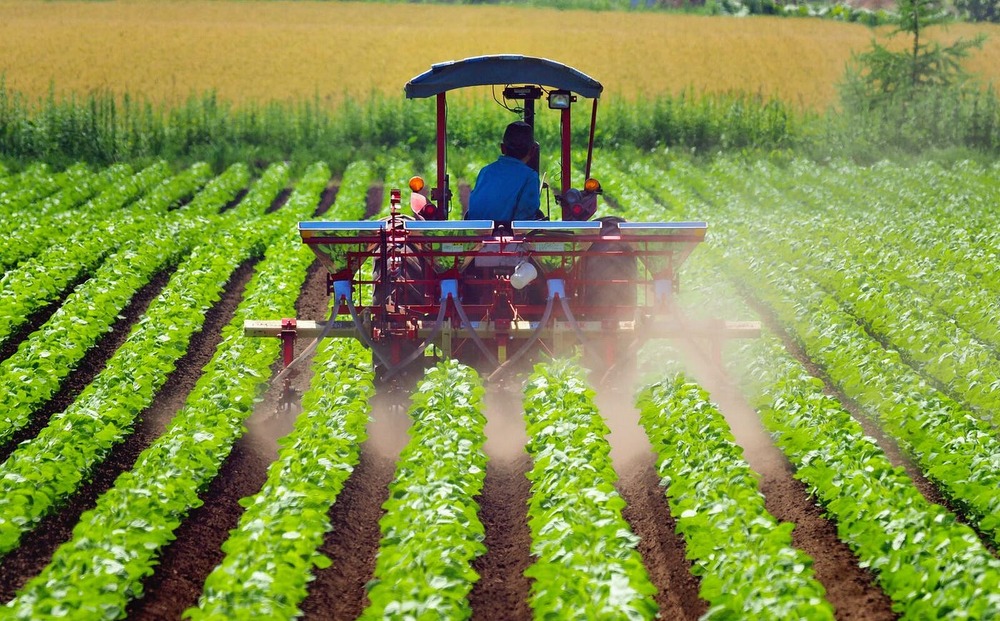
Participants call for fiscal adjustment, agricultural insurance, and policies aimed at the sector.
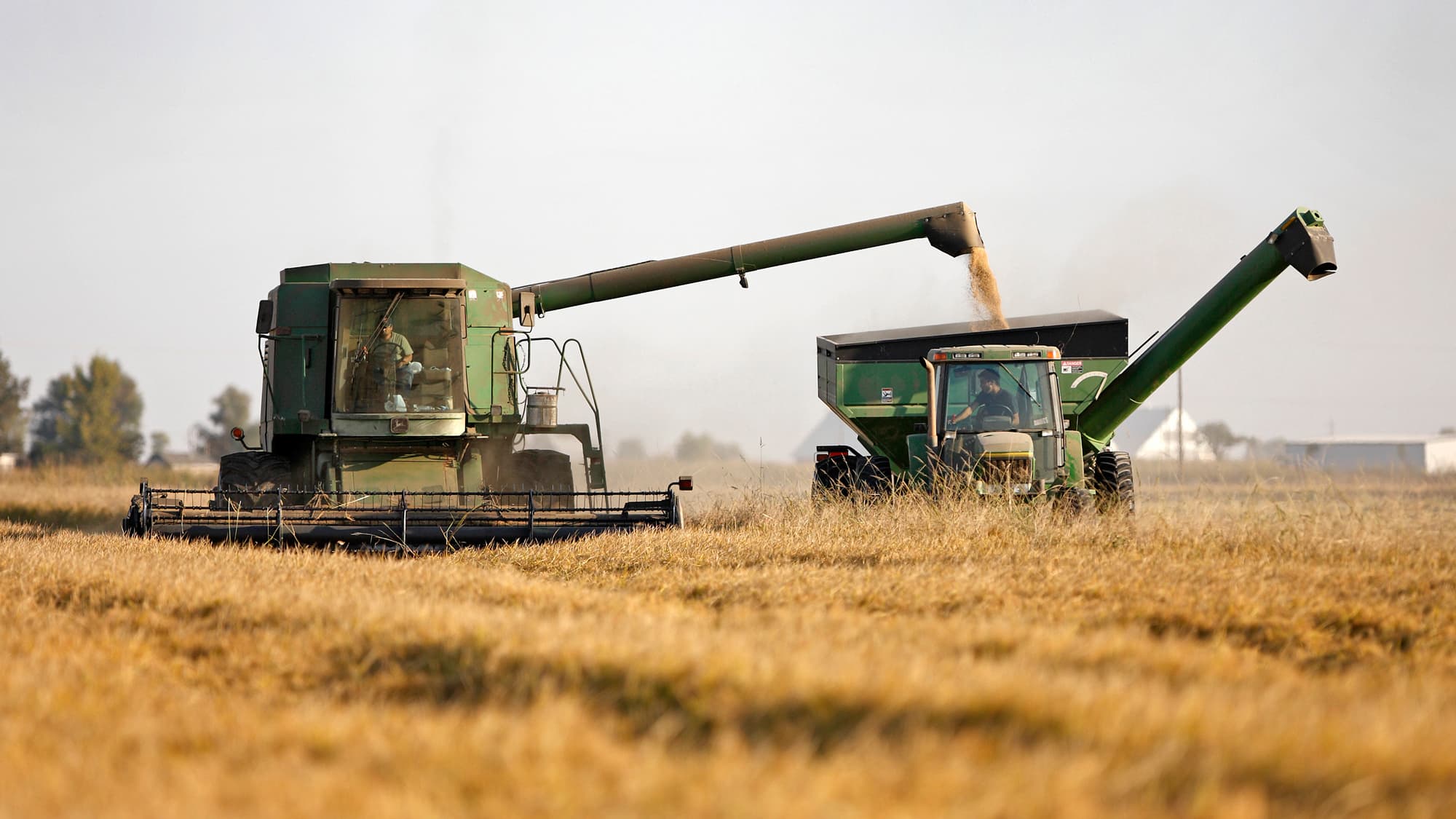
Prices remain below estimated break-even levels, underscoring the importance of crop insurance as farmers manage elevated production costs and tight margins heading into 2027.

In the coming days, the supply of Spanish kakis could be compromised due to a shortage of CO₂ gas, a key component in the deastringency process that makes the fruit marketable.
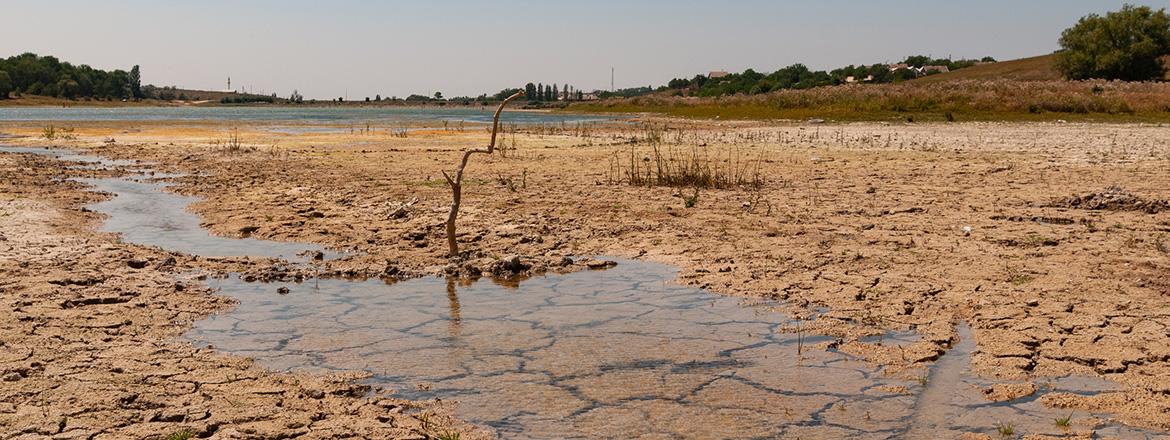
Pune’s crop insurance system is now facing a significant test after crop-cutting experiments recorded a 20-22% decline in soybean productivity and a 15% fall in maize production during a drought-affected kharif season.
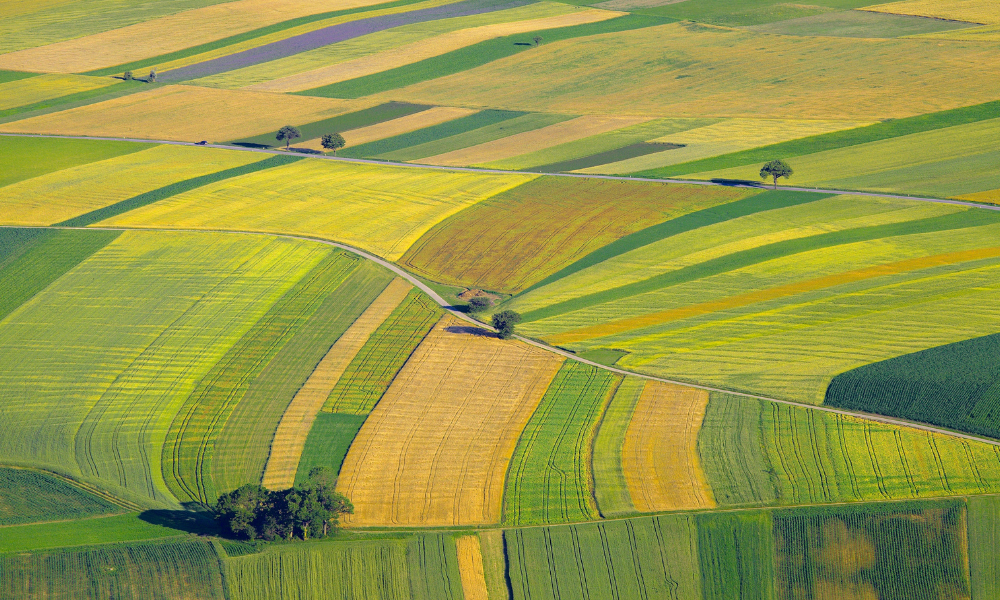
The project, titled “Bridging the Agricultural Risk Protection Gap to Scale Climate Smart Insurance,” is expected to benefit 300,000 farmers across 15 regions of Tanzania.
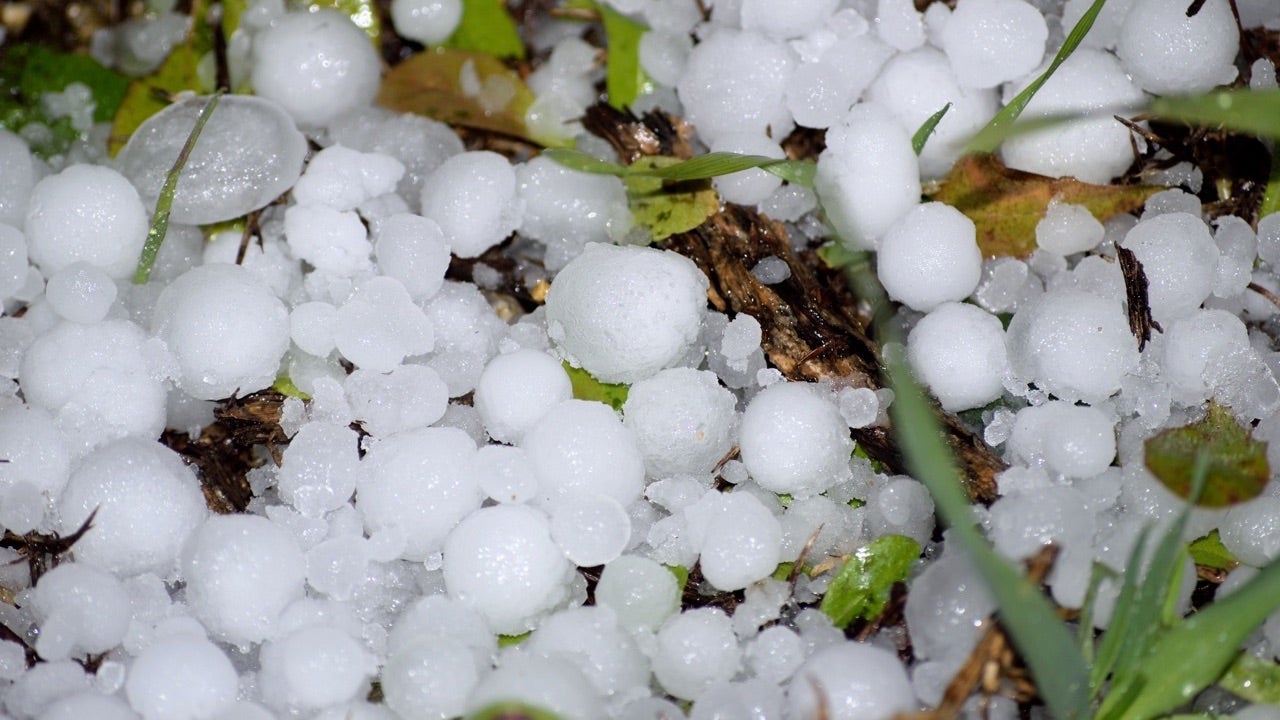
A hailstorm that smashed parts of Victoria's Mallee this week has devastated thousands of hectares of wheat, barley, lentils, canola and other cereal crops.

Fuel shortages and soaring production costs are damaging agricultural crops in Sudan’s El Gezira state, while rising food and transport prices are placing further pressure on household budgets.
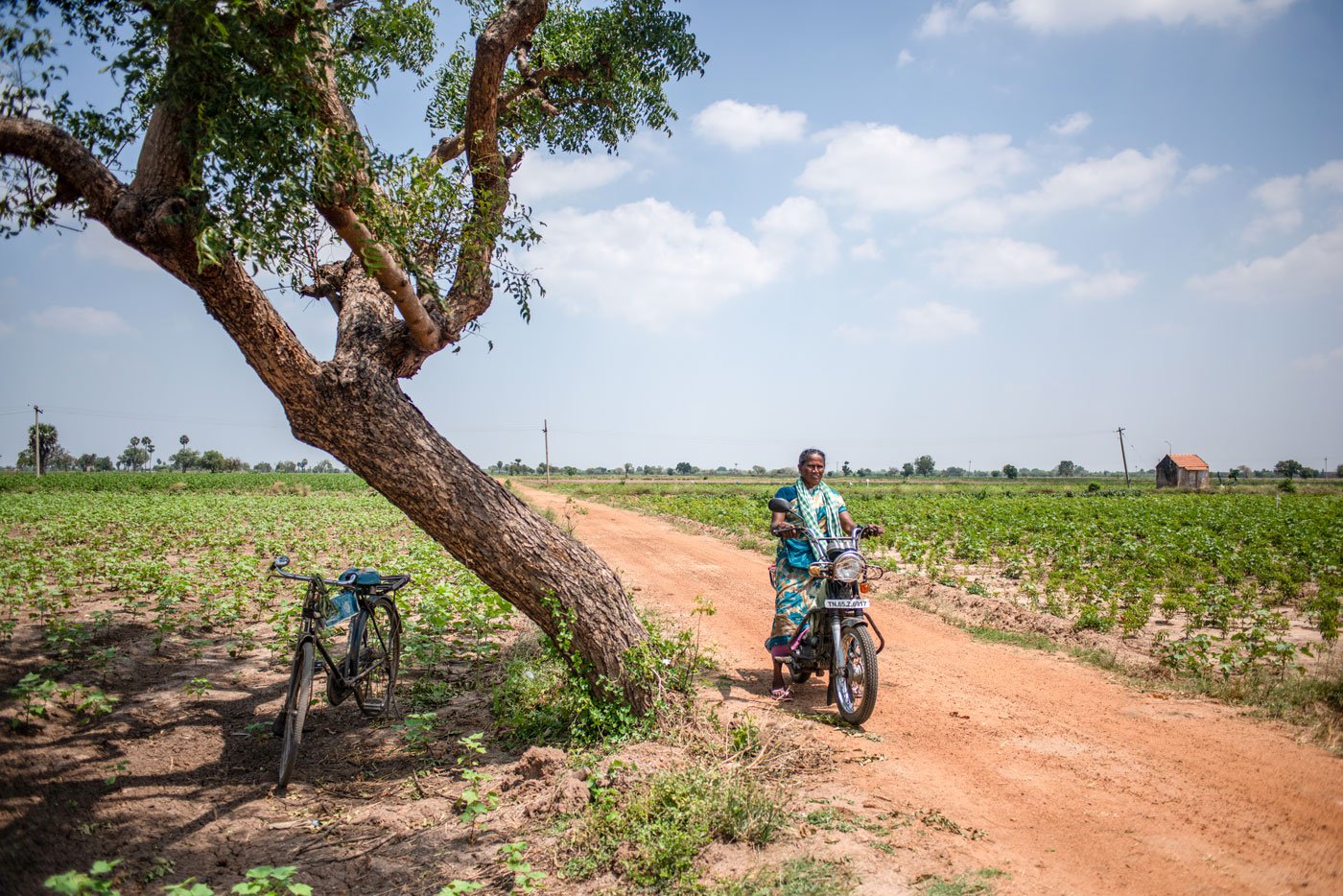
The Chief Minister’s Office says the revised norms will reach more than 10 lakh farmers, with higher payouts for crops, cattle, silk, homes and schools.

Agricultural lenders warn that $140 billion in emergency farm aid since 2018 may be masking financial risks as producers face rising costs.

Harvest has wrapped up across Saskatchewan, with 99 per cent complete and only a few acres of later-seeded crops remaining in the field. Despite the challenges experienced this year, crop yields were consistent with 10-year averages and while many crops graded in the top-quality categories, some downgrading did occur due to late-season rain and pest activity.

The Sudanese government has urged insurance companies to use deposit surpluses and investments to finance the 2026-2027 winter agricultural season.