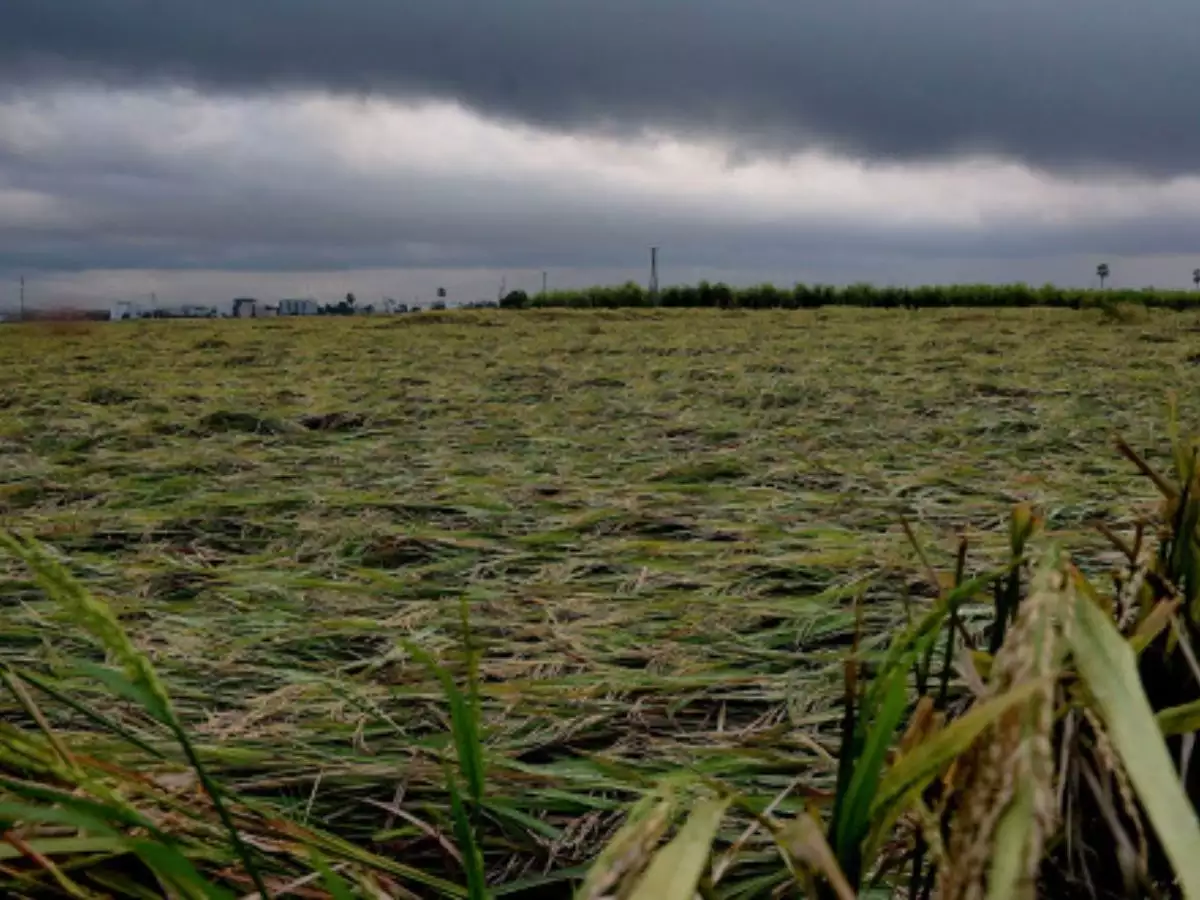
Dryness that was once mostly confined to northwestern Argentina has become a much larger concern as 2018 begins. Drought has moved around, expanded and contracted in parts of Argentina during the past few weeks. Most of the nation’s 2018 production potential is still intact, but not in some northern agricultural areas.
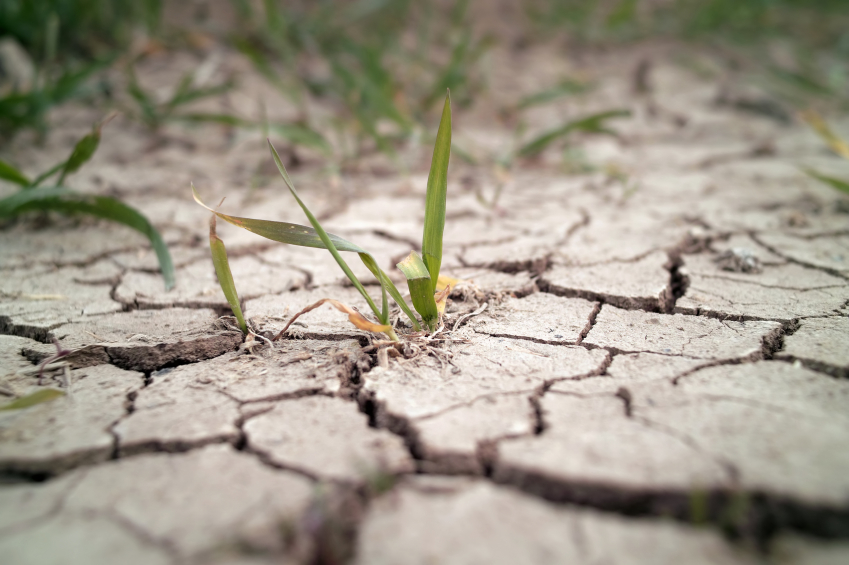
Drought has prevailed in northwestern Argentina during most of the growing season that began in late September and October. Dryness reached serious proportions a number of times, but most recently during December. The stress and strain of limited top and subsoil moisture put most crops into a state of distress. Persistence in dry weather was the largest issue, but like in most droughts around the world the dryness led its way into an oven-like environment with extreme temperatures noted at times during December. Extreme highs reached up to 113 degrees F (44 degrees C) during mid-month and there were many other days with highs varying from 100 to 109 degrees F (38-43 degrees C).
Some of the dryness began to break down at the end of December, and temperatures eased up just slightly toward the last days of 2017. The latest soil assessment suggested some relief occurred as a few locally strong thunderstorms developed. However, the relief was incomplete with dryness still going deep into the subsoil. Frequent rain over a couple of weeks will be needed to totally restore soil moisture and that is not likely to come easily since it is summertime and daily high temperatures are normally hot enough to evaporate a fair amount of moisture from the soil every day.
In the meantime, some of Santiago del Estero’s dryness expanded across a larger part of northern Argentina. Northern Santa Fe finished the month of December as dry as Santiago del Estero was in October and November, and serious stress was occurring in many neighboring crop areas of Corrientes and Chaco.
None of these northern production areas of Argentina are considered major contributors to the overall production in Argentina. However, the driest conditions were moving around during late December and a new area of dryness emerged in a more important grain and oilseed production region, including much of Buenos Aires. Topsoil moisture in Buenos Aires and La Pampa at the beginning of 2018 was critically low and subsoil moisture was in decline, as well. Subsoil moisture was still rated marginally adequate to short, allowing crops to continue developing, albeit at a much slower pace than earlier this season. Another week to 10 days of dryness might push some crops to the edge of a “potential production cliff.”
In other words, in Buenos Aires and La Pampa rainfall was needed in a significant manner in the first two weeks of the new year to protect early reproducing summer crops and to support the planting and establishment of late season crops. The same kind of scenario remains in the driest areas of northern Santa Fe, Chaco and Corrientes, where topsoil moisture was nearly depleted while the subsoil moisture was in decline.
Computer weather forecast models for South America suggested the first 10 to 12 days of the new year in Argentina would not show much improvement. A ridge of high pressure aloft was expected to evolve and block rainfall from occurring in many areas.
However, crop development will only be at the threshold of reproduction by mid-January, suggesting a sudden improvement in weather could restore much of the declining production potential. As noted above, however, mid-January will become a critical time for the nation’s summer crops with early crops likely to be facing a sharp decline in yield potentials if dryness continues any longer without significant rain falling first — hence, the “potential production cliff.”
Weather beginning to shift?
World Weather, Inc. believes weather in Argentina is beginning to shift. The shift in weather patterns often occurs in La Niña years so that dryness that was once widespread in the nation, but favoring the west and north, shifts to the east. Portions of Uruguay, Rio Grande do Sul and southern Paraguay are also often caught up in the drying tendency. The pattern change usually spares Argentina’s late-season crops, including many soybeans, sorghum and the late corn from suffering huge losses in production. However, the early season crops, including sunseed and early corn, are usually more seriously affected. Each La Niña event is different from those of the past and this one is already different. The shift in dryness is occurring two to three weeks later than most events and because of that there may be a little more damage done to production potentials. Nevertheless, as late January arrives there should be some changes, including wetter biases in western and northern Argentina and drier conditions in the east-central and southeast.
Southern Brazil may also experience some moisture stress later in January along with parts of Uruguay, southern Paraguay and a few areas as far north as southern Parana. Confidence in dryness evolving as far north as southern Parana is low, and a close monitoring of the situation is warranted. This year’s dryness is likely to be more focused on eastern Argentina, Uruguay, southern Paraguay and western and southern Rio Grande do Sul. The remainder of Brazil may experience more favorable weather, and improving conditions should occur in parts of western Argentina, as well.
The latest information about La Niña shows a weakening trend in the phenomenon. If this trend continues, as it should, traditional weather anomalies normally associated with La Niña should begin wavering. That may open the door for new anomalies or certainly some deviation from what is considered “traditional” in such an event. For that reason, a close monitoring of weather in South America and around the world is warranted in January and especially February. Enough weakening in La Niña will have occurred by mid-February that other weather patterns will begin influencing agriculture in South America more significantly. That should mean continued good weather for most of Brazil and some improvement for Argentina. The big question is, “how much damage will have occurred to Argentina production by that time?” Some loss is quite likely, but until significant rain falls, estimates will continue in flux.
Source - http://www.world-grain.com