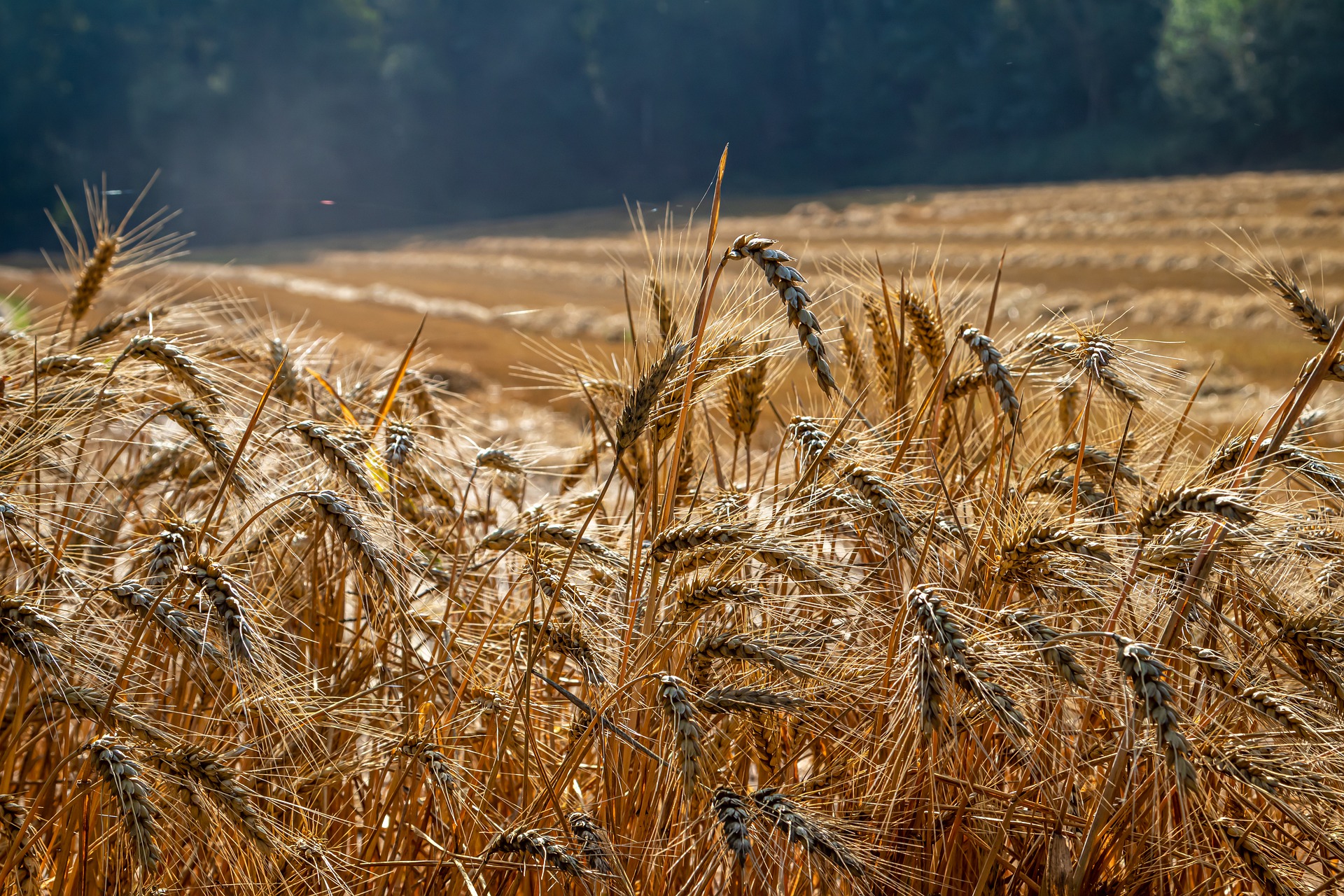
According to the data, there will be an important decrease the South oasis, where two thirds of the expected harvest was lost. According to the IDR study, this decrease was probably caused by the spring frosts, though it is important to take into account that the harvest in the South and East have always been smaller than in the Uco Valley, because of the technology used on the crops and the soils.
In the Eastern Oasis, the decrease was also significant, while in the Uco Valley the harvest, in terms of volume, is similar to that of the previous year. The yield in the are is 26.4 tons / hectare, against 9 tons / hectare in the South. This shows a total variation of 9.3% for peach.
Sizes expected
The fruit that has a good size is used by the halved-peaches industry, and has the best price, while the smaller peach is used by the pulp industry.
According to this year's crop estimate, only 3% of the fruit will have a size that is smaller than 57.1 mm in diameter. Next year, 34% of the fruit will have that size.
Context
Mendoza is the only province in the country that produces peaches for industry and positions Argentina as the 4th or 5th world producer.
The peaches for industry are the yellow peaches that have a pulp that is suitable for industrialization, but that can also be destined to the fresh market and sold in stores and supermarkets.
The industry uses peaches in two products, mainly: to produce halved-peaches and pulps. The big size peaches with no defects are used to produce halved-peaches, while the smaller, slush, or over-ripe peaches (which are paid at a lower price) are used to make pulp.
The sector includes almost 1,000 producers throughout the province and about 20 canning or concentrating companies.
The harvest takes place between January and the first days of April, and in the lat years the average volumes achieved oscillated around 150,000 tons of fresh fruit. The Uco Valley is the main productive oasis.
Source - https://www.freshplaza.com
Argentina - Peach production expected to be 10% lower next year
18.12.2018 599 views
According to the data, there will be an important decrease the South oasis, where two thirds of the expected harvest was lost. According to the IDR study, this decrease was probably caused by the spring frosts, though it is important to take into account that the harvest in the South and East have always been smaller than in the Uco Valley, because of the technology used on the crops and the soils.
In the Eastern Oasis, the decrease was also significant, while in the Uco Valley the harvest, in terms of volume, is similar to that of the previous year. The yield in the are is 26.4 tons / hectare, against 9 tons / hectare in the South. This shows a total variation of 9.3% for peach.
Sizes expected
The fruit that has a good size is used by the halved-peaches industry, and has the best price, while the smaller peach is used by the pulp industry.
According to this year's crop estimate, only 3% of the fruit will have a size that is smaller than 57.1 mm in diameter. Next year, 34% of the fruit will have that size.
Context
Mendoza is the only province in the country that produces peaches for industry and positions Argentina as the 4th or 5th world producer.
The peaches for industry are the yellow peaches that have a pulp that is suitable for industrialization, but that can also be destined to the fresh market and sold in stores and supermarkets.
The industry uses peaches in two products, mainly: to produce halved-peaches and pulps. The big size peaches with no defects are used to produce halved-peaches, while the smaller, slush, or over-ripe peaches (which are paid at a lower price) are used to make pulp.
The sector includes almost 1,000 producers throughout the province and about 20 canning or concentrating companies.
The harvest takes place between January and the first days of April, and in the lat years the average volumes achieved oscillated around 150,000 tons of fresh fruit. The Uco Valley is the main productive oasis.
Source - https://www.freshplaza.com
ScaleAgData Stakeholder Engagement Event
22.10.2024The ScaleAgData project is pleased to invite you to our second stakeholder event. Building on the discussions and connections formed during our first webinar, this event will focus on fostering collaboration among stakeholders, providing updates on our project’s progress, and outlining future opportunities for engagement.
EU reaches agreement on use of new genomic techniques in agriculture
The European Parliament and EU Member States have reached a political agreement on the use of “new genomic techniques” (NGTs) in the agri-food sector, the Danish presidency of the council confirmed on Thursday. The deal paves the way for a new regulatory framework governing how these technologies may be used to develop more resilient and sustainable plant varieties.
Vietnam targets 400 000 ha in winter crop plan
Vietnam's Ministry of Agriculture and Environment reports that the northern region aims to plant 400,000–410,000 hectares of winter crops, with an estimated output of 4.8–5 million tonnes.
USA - NDFU president says new crop insurance rule will hurt farmers' bottom lines
A new federal crop insurance rule that drops buy-up option coverage for prevented planting insurance will be “bad news for North Dakota farmers,” according to North Dakota Farmers Union President Mark Watne.
Australia - $20 million to grow state’s aquaculture industry
The state government launched the $20 million Aquaculture Industry Development Program on Monday, aiming to strengthen and expand the seafood industry’s economic contribution to NSW.
FAO’s new Global Emergency and Resilience Appeal seeks $2.5 billion to support 100 million people in 54 countries
Inaugural Appeal focuses on cost-effective agricultural solutions that link urgent needs with long-term resilience.
India - Farmers devastated as severe storm wreaks havoc on crops
Farmers in southern India are under pressure as a recent storm has severely damaged their crops.
India - Rodents destroy 42 pc crops in Mizoram, over 5K farmers affected
According to the Agriculture Department, Mamit district, which shares borders with Bangladesh and Tripura, was the worst hit.
Hailstorm damages half of Argentinian cherry crop in the western Middle Valley
The storm that hit western Valle Medio in Argentina on Sunday threatened the cherry harvest. Hail covered roughly 30 kilometers from Chelforó to near Chimpay, with a width of 3 to 4 kilometers, according to producers' reports.