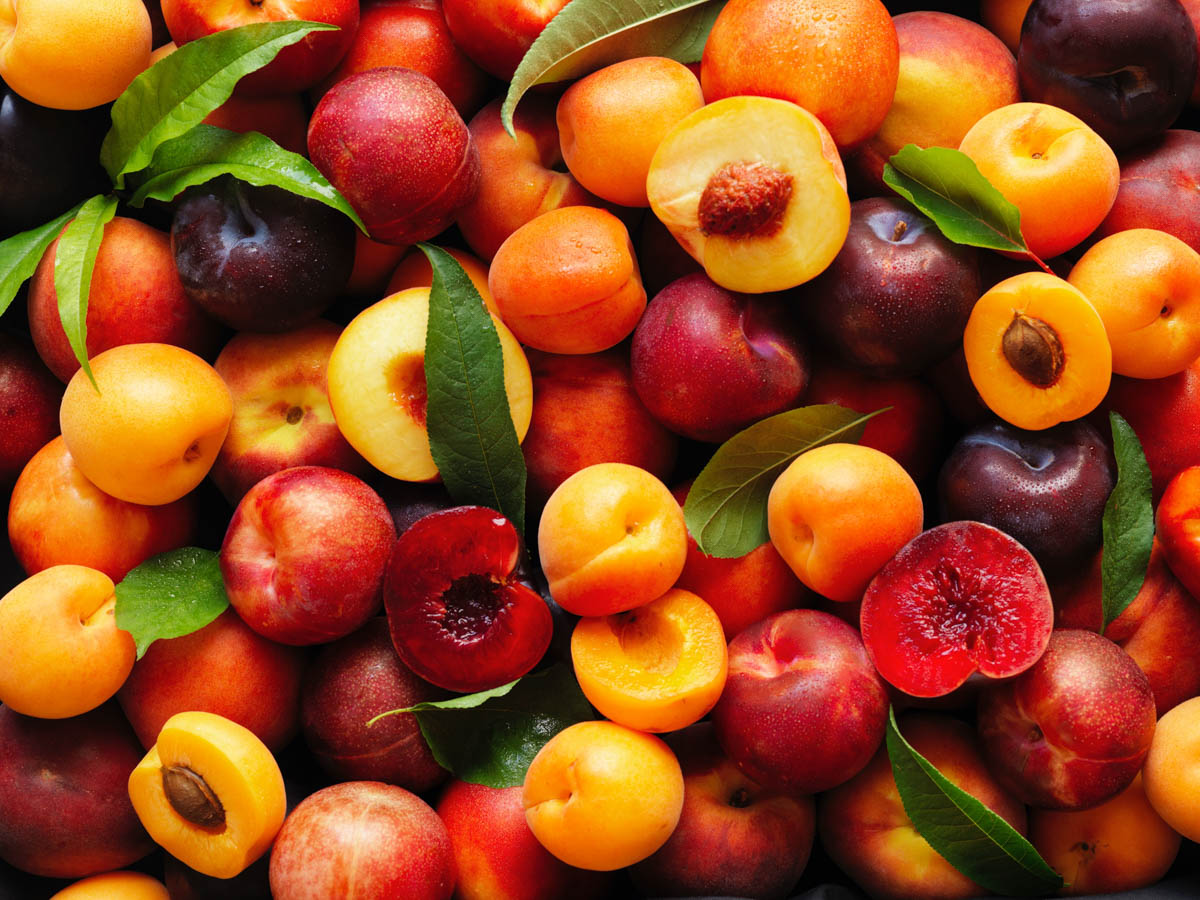
According to the data, there will be an important decrease the South oasis, where two thirds of the expected harvest was lost. According to the IDR study, this decrease was probably caused by the spring frosts, though it is important to take into account that the harvest in the South and East have always been smaller than in the Uco Valley, because of the technology used on the crops and the soils.
In the Eastern Oasis, the decrease was also significant, while in the Uco Valley the harvest, in terms of volume, is similar to that of the previous year. The yield in the are is 26.4 tons / hectare, against 9 tons / hectare in the South. This shows a total variation of 9.3% for peach.
Sizes expected
The fruit that has a good size is used by the halved-peaches industry, and has the best price, while the smaller peach is used by the pulp industry.
According to this year's crop estimate, only 3% of the fruit will have a size that is smaller than 57.1 mm in diameter. Next year, 34% of the fruit will have that size.
Context
Mendoza is the only province in the country that produces peaches for industry and positions Argentina as the 4th or 5th world producer.
The peaches for industry are the yellow peaches that have a pulp that is suitable for industrialization, but that can also be destined to the fresh market and sold in stores and supermarkets.
The industry uses peaches in two products, mainly: to produce halved-peaches and pulps. The big size peaches with no defects are used to produce halved-peaches, while the smaller, slush, or over-ripe peaches (which are paid at a lower price) are used to make pulp.
The sector includes almost 1,000 producers throughout the province and about 20 canning or concentrating companies.
The harvest takes place between January and the first days of April, and in the lat years the average volumes achieved oscillated around 150,000 tons of fresh fruit. The Uco Valley is the main productive oasis.
Source - https://www.freshplaza.com
Argentina - Peach production expected to be 10% lower next year
18.12.2018 850 views
According to the data, there will be an important decrease the South oasis, where two thirds of the expected harvest was lost. According to the IDR study, this decrease was probably caused by the spring frosts, though it is important to take into account that the harvest in the South and East have always been smaller than in the Uco Valley, because of the technology used on the crops and the soils.
In the Eastern Oasis, the decrease was also significant, while in the Uco Valley the harvest, in terms of volume, is similar to that of the previous year. The yield in the are is 26.4 tons / hectare, against 9 tons / hectare in the South. This shows a total variation of 9.3% for peach.
Sizes expected
The fruit that has a good size is used by the halved-peaches industry, and has the best price, while the smaller peach is used by the pulp industry.
According to this year's crop estimate, only 3% of the fruit will have a size that is smaller than 57.1 mm in diameter. Next year, 34% of the fruit will have that size.
Context
Mendoza is the only province in the country that produces peaches for industry and positions Argentina as the 4th or 5th world producer.
The peaches for industry are the yellow peaches that have a pulp that is suitable for industrialization, but that can also be destined to the fresh market and sold in stores and supermarkets.
The industry uses peaches in two products, mainly: to produce halved-peaches and pulps. The big size peaches with no defects are used to produce halved-peaches, while the smaller, slush, or over-ripe peaches (which are paid at a lower price) are used to make pulp.
The sector includes almost 1,000 producers throughout the province and about 20 canning or concentrating companies.
The harvest takes place between January and the first days of April, and in the lat years the average volumes achieved oscillated around 150,000 tons of fresh fruit. The Uco Valley is the main productive oasis.
Source - https://www.freshplaza.com
ScaleAgData Stakeholder Engagement Event
22.10.2024The ScaleAgData project is pleased to invite you to our second stakeholder event. Building on the discussions and connections formed during our first webinar, this event will focus on fostering collaboration among stakeholders, providing updates on our project’s progress, and outlining future opportunities for engagement.
Moldova - May frosts caused heavy damage to fruit orchards
10.05.2026The first frosty nights of May have significantly worsened estimates of damage to Moldova's fruit sector from spring frosts. According to initial assessments by fruit market operators, between a quarter and a third of the country's total orchard area was seriously affected.
Canada - Crop development on track in southeast despite weather, gophers
The Saskatchewan Ministry of Agriculture says the recent heatwave has led to the rapid development of crops, according to the latest weekly crop report. The heat also contributed to haying progress.
Spain - The Government launches aid to boost agricultural insurance against climate risks
The Generalitat reinforces the Agricultural Insurance Plan 2026 with almost 29 million and greater subsidies to lower the premiums against climate risks.
USA - USDA extends crop insurance premium terms, confirms 5% prevent plant buy up
Citing ongoing challenges to the U.S. farm economy, USDA’s Risk Management Agency (RMA) announced temporary premium payment flexibilities and reinstatement of the option to purchase additional 5% prevented planting coverage.
India - Rajasthan tops country with over 10 million hectares under crop insurance
Rajasthan has emerged as the national leader in the implementation of the Pradhan Mantri Fasal Bima Yojana (PMFBY), providing financial protection to millions of farmers against crop losses caused by natural calamities and adverse weather conditions, officials said on Wednesday.
USA - Webinar explains new forage revenue protection insurance program
For the first time, many forage producers have access to the Forage Production Revenue Protection insurance program, which provides protection against both yield and price losses.
India - Floodwaters recede in Balasore, damaged homes and crop loss reported
The situation across flood-affected regions of Balasore district remains critical even though the water levels finally receded after three days of inundation. Residents in affected areas have begun assessing the damage and attempting to repair their damaged homes.
The rising cost of severe weather for South African farmers
Severe weather events across South Africa continue to expose the agricultural sector to escalating climate-related risks. While hail remains a major concern, farmers are increasingly having to contend with multiple weather hazards – from strong winds and heavy rainfall to localised flooding and unseasonal conditions – often during the same production cycle.
Philippines - Go pushes expanded agriculture insurance
SEN. Bong Go urged the government to expand crop insurance, post-harvest infrastructure, and financing programs to protect the agriculture sector from mounting risks and ensure the country’s food security.