

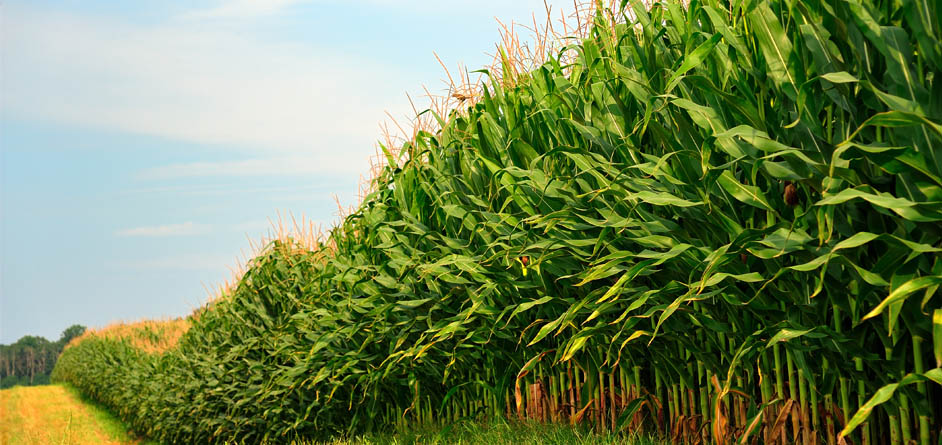
As wheat harvest heads to parched north, Europe braces for more losses
24.07.2018 1345 views
Europe’s grain market is bracing for more downgrades to the size of this year’s wheat crop as harvesting reaches the northern regions that have been worst hit by exceptional drought and heat since spring.
Germany, the European Union’s second-largest wheat grower, has been a focus of concern, and comments this week by the country’s farming association saying it could not forecast the crop because of uncertainty about weather damage have added to market jitters.
Harvesting is under way in south and central Germany and is spreading north to the regions most badly damaged by dryness.
“I think it pretty likely that the association will cut its forecast of the wheat crop in coming weeks as the harvest results arrive,” one German analyst said.
“The association cut its forecast of the winter barley sharply after the final northern and eastern areas were gathered where the damage was severest.”
The DBV farming association already forecast on July 5 that Germany’s winter wheat harvest will fall 15% from 2017 to 20.5 million tons. It declined to update the number this week but sharply lowered its winter barley crop estimate.
Neighboring Poland is also expected to see a significant drought impact, while harvest rain was now slowing field work.
Poland’s wheat output may fall 10% from 2017 to about 10 million tons, Sparks Polska forecasts.
“The winter wheat harvest started 2-3 weeks earlier than normal, but now it has been hampered by wet weather,” Wojtek Sabaranski of the analyst firm said.
As well as slowing field work, rain around harvest time can damage wheat quality, and downpours in southeastern Europe have raised concern that exporting EU members Romania and Bulgaria may have less milling-grade wheat than usual.
In Britain, the wheat harvest has just got underway earlier than normal, with a smaller crop widely anticipated.
Crop analysts expect production to fall below 14 million tons, well down on last year’s 14.8 million and the lowest since 2013.
“The continued decline in the UK wheat area, lack of rainfall and higher than usual temperatures in June could lead to a prospective tightening of the UK wheat supply,” the Agriculture and Horticulture Development Board said in a report.
France, the EU’s top wheat grower, is expected to play its part in the reduced European supply after torrential rain hurt crops earlier in the year, although recent hot, dry weather may have boosted grain quality.
Consultancy Agritel on Friday forecast the French soft wheat crop, excluding durum, at 34.2 million tons, more than 6% below last year’s crop.
Agritel’s estimate was toward the low end of current market expectations as market participants struggle to extrapolate varying local yields. But with a rapid harvest already two-thirds complete, results may become clearer in the week ahead.
Traders and analysts have widely reported good quality readings, notably for test weights and protein content, which could help French export prospects this season.
Source - http://www.blackseagrain.net
EVENTS

ScaleAgData Stakeholder Engagement Event
22.10.2024The ScaleAgData project is pleased to invite you to our second stakeholder event. Building on the discussions and connections formed during our first webinar, this event will focus on fostering collaboration among stakeholders, providing updates on our project’s progress, and outlining future opportunities for engagement.

09.04.2026
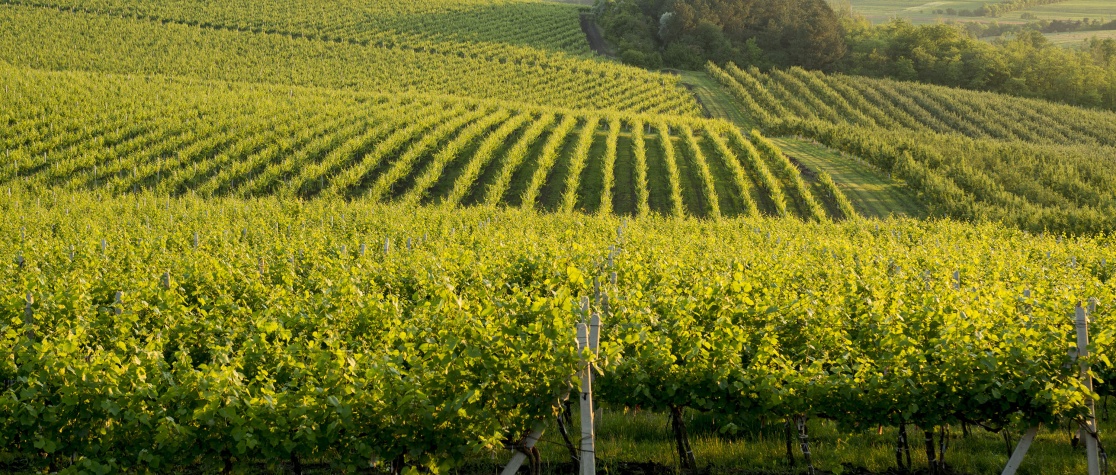
Moldova - Farmers received 117 million lei in insurance subsidies
The Agency for Investments and Payments in Agriculture (AIPA) announced that it has completed the payment of insurance subsidies (70% of the amount of insurance premiums) for 654 farmer applications received between February 1 and September 30, 2025. The total amount of subsidies to this category for last year amounted to LE 117.08 million.
09.04.2026
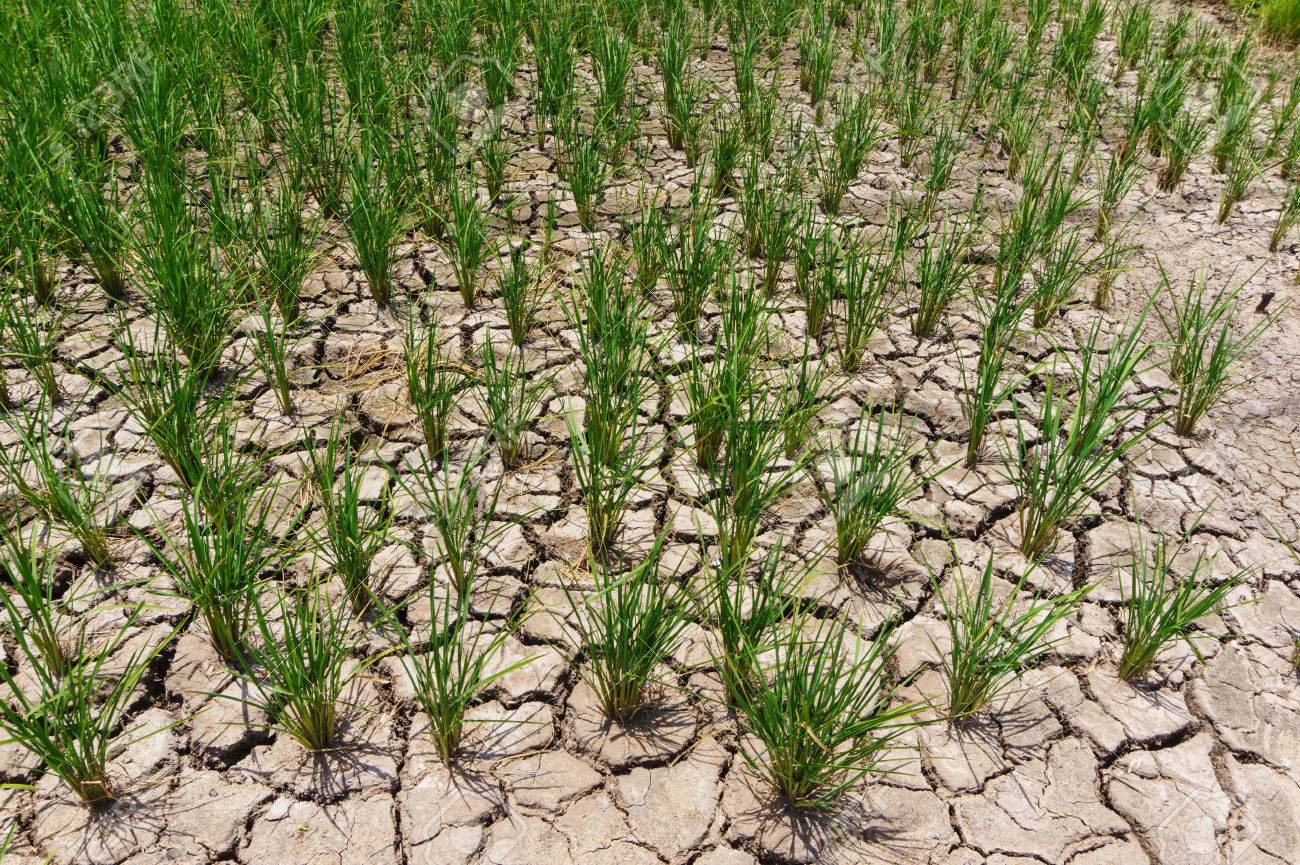
Philippines - Antique farmers urged to plant drought-resistant crops ahead of El Niño
The Antique Office of the Provincial Agriculturist is advising farmers to grow drought-resistant crops in preparation for the possible effects of El Niño.
09.04.2026

India - Farmers Urge Govt To Work On Climate Change Policy, Develop Climate-Resilient Crop Varieties
Farmers who lost their Rabi crops due to untimely hailstorms, rain, and strong winds say compensation is not a foolproof solution to the issue. Instead, the government should develop a comprehensive climate change policy and focus on developing climate-resilient crop varieties, seeds that can withstand excess moisture, resist lodging from strong winds, or mature early enough to escape erratic weather.
09.04.2026
Farmers proffer solutions to tackle Nigeria’s $10bn annual post-harvest losses
Some farmers in the country have proffered workable solutions to address Nigeria’s growing post-harvest losses estimated at $10 billion annually.
09.04.2026

India - Pre-monsoon season emerging as new high-risk period for crops, analysis shows
The monsoon has long been seen as the most destructive season for Indian agriculture, with heavy rains and floods between June and September damaging crops across large areas.
09.04.2026

Azerbaijan plans to insure new crops and boost payments for flood damages
The scope of the agricultural insurance system in Azerbaijan is being expanded, and along with the insurance of new products, the volume of payments for flood and inundation losses is expected to increase, Deputy Chairperson of the Agricultural Insurance Fund (AIF), Laman Aliyeva-Mamishova, told Trend.
08.04.2026
South Korean hail damages 802 hectares of crops in South Jeolla
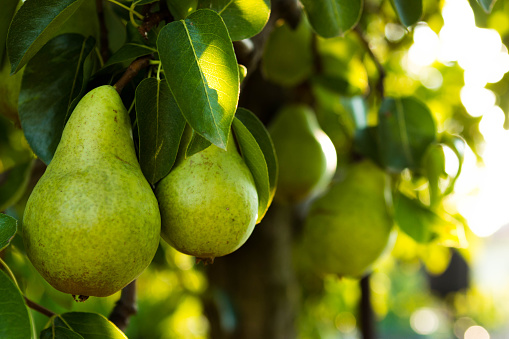
In South Jeolla Province, a hailstorm caused damage to more than 800 hectares of crops, with the impact concentrated in Naju, the country's main pear production area. This has raised concerns about the 2026 harvest.
08.04.2026
Corn leafhopper caused US$25.8 billion loss over four years in Brazil
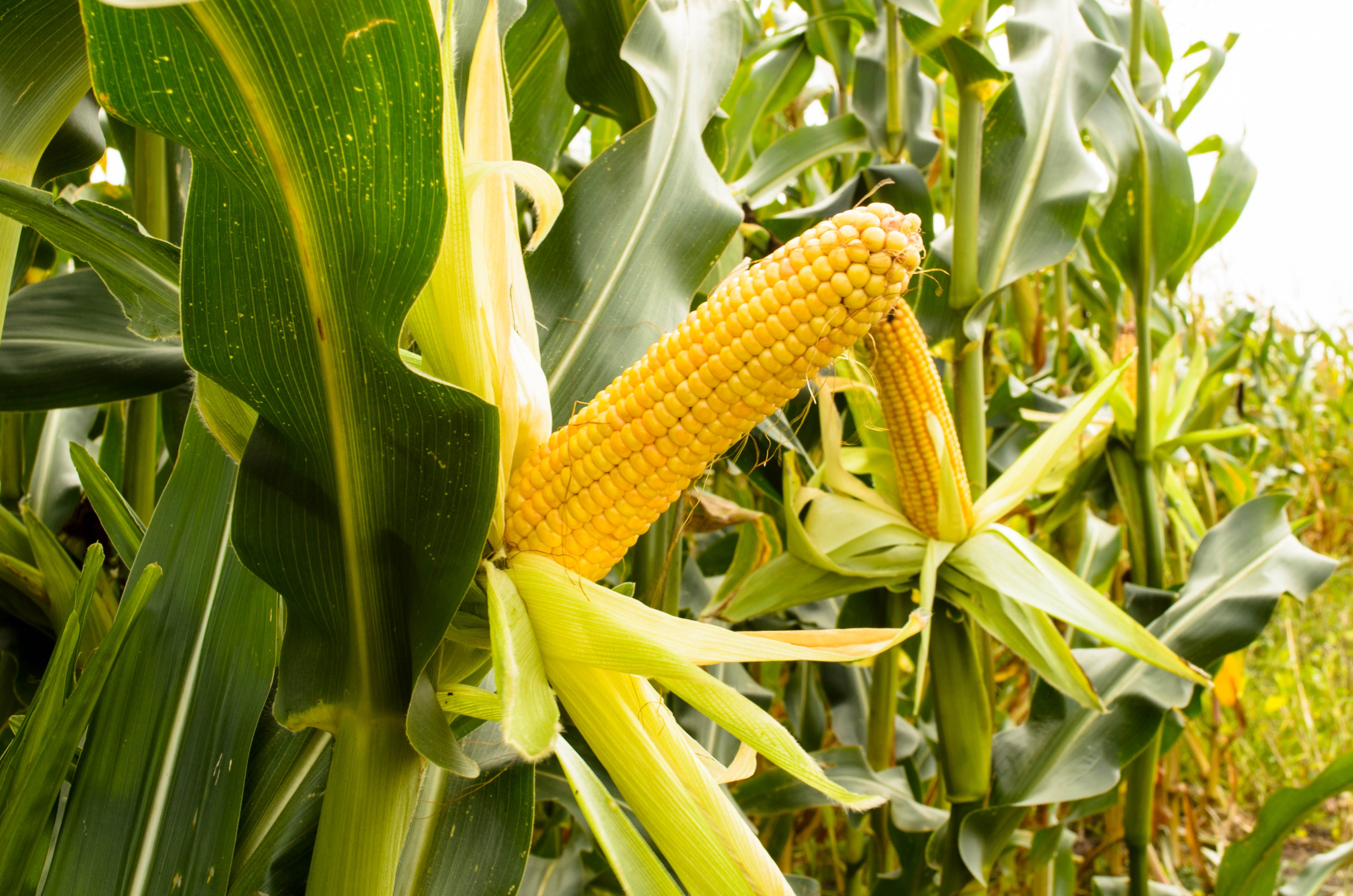
The corn leafhopper (Dalbulus maidis), which is considered the crop’s main pest, has caused billions in losses to Brazilian production. A new study has quantified the economic impact of corn stunt diseases on Brazilian production.
