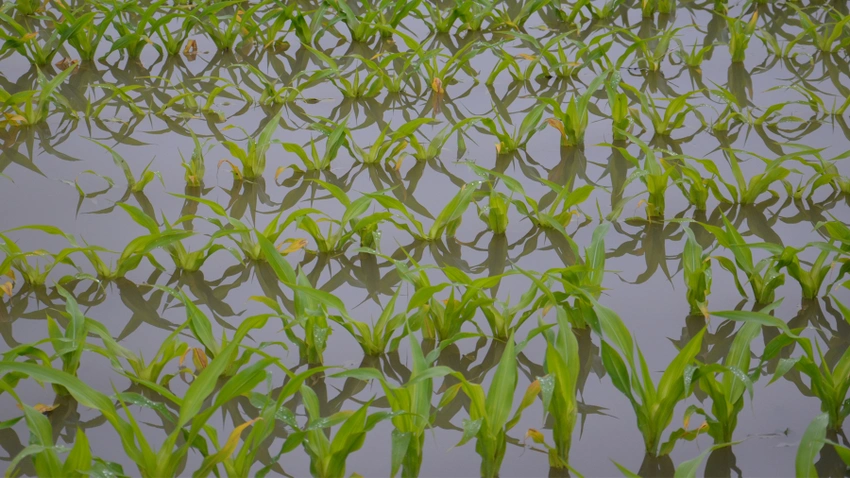
ABOLISHING stamp duty on agricultural insurance in Queensland would help mitigate against natural disasters such as the Boxing Day storms which caused widespread damage to crops on the Burnett and Darling Downs, advocacy groups say.
Queensland Farmers Federation President Stuart Armitage said newly appointed Agriculture Minister Mark Furner should make it his first priority to abolish the tax, which pushed the cost of insuring crops out of reach for some growers.
“In light of the disaster that has happened in the Christmas, New Year period with people losing sheds, silos, and crops, I think this should be one of the first things the incoming Agriculture Minister should do, is get rid of stamp duty on those sorts of insurance,” Mr Armitage said.
“Stamp duty on that is nothing but a tax and there is no way people should have to pay a duty or tax on any effort to help them get through disaster.”
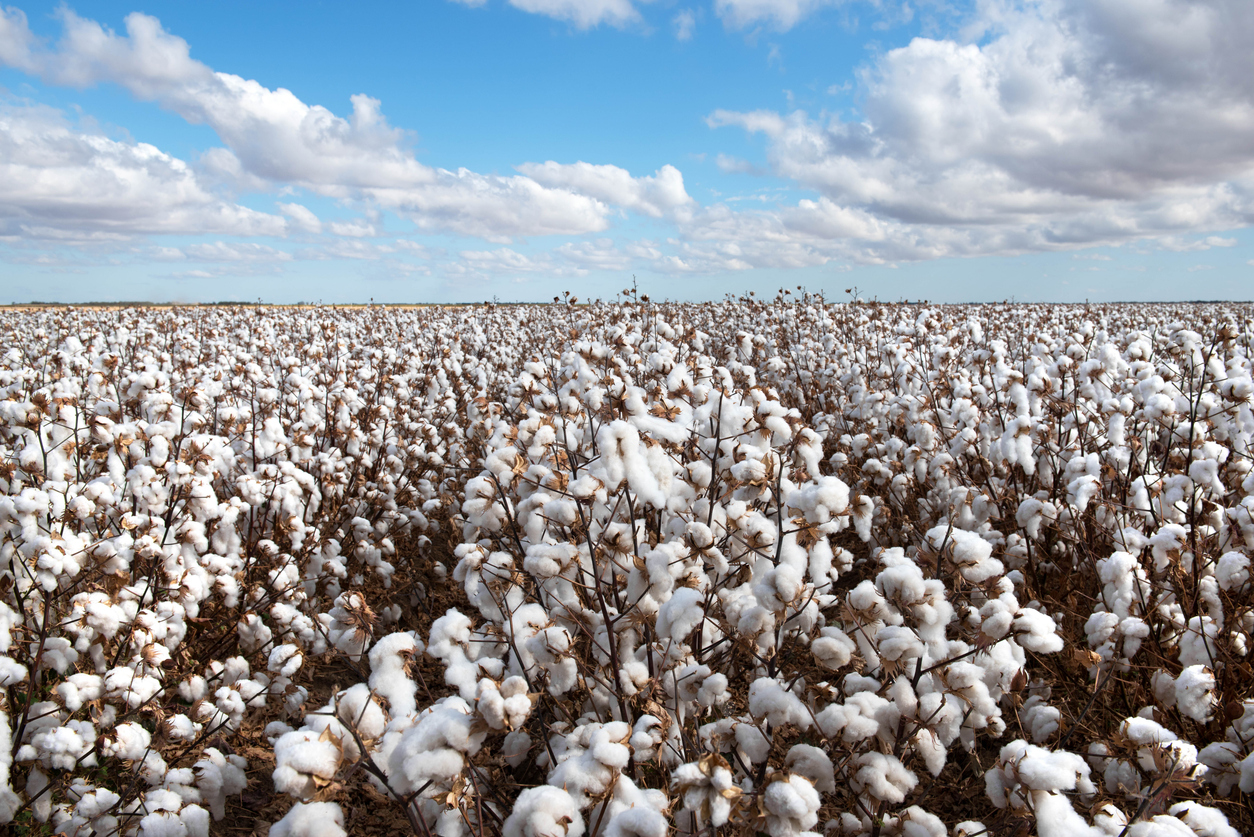
Mr Armitage in the cotton industry, some growers in the Darling Downs were spending $10,000 to $50,000 annually in stamp duty alone.
“It’s a pretty big number for some of the bigger operators in this part of the world.”
Mr Armitage said only 50 per cent of growers at Cecil Plains had crop insurance in the 2015 storm and he expected that would be much the same for those impacted by the Boxing Day storm.
“People who have got full insurance in this latest round of storms have the confidence to keep on going,” Mr Armitage said.
“For a 10 per cent price reduction to the cost of insurance it would make it more palatable to land holders to mitigate against risk.
“On behalf of the QFF, and in particularly cotton and also grain industries this time, the Government needs to do what they have done already in Victoria and NSW which is get rid of it.
“I think it’s incumbent upon the landholders to remove risk by insuring if they can afford it, but it’s also incumbent on the government not to tax, which decreases the willingness to take out insurance.”
Mr Armitage said ensuring agricultural assistance was affordable to farmers would mean less reliance on the public purse in times of disaster, which was a win for government.
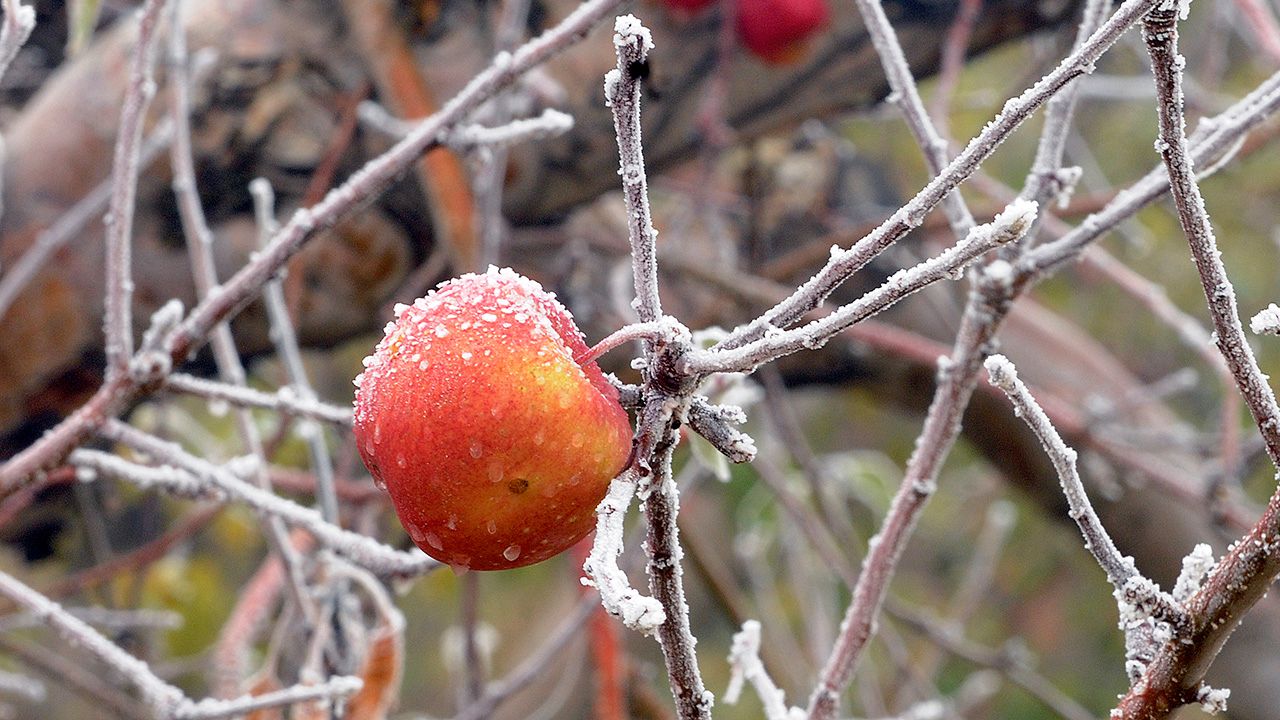
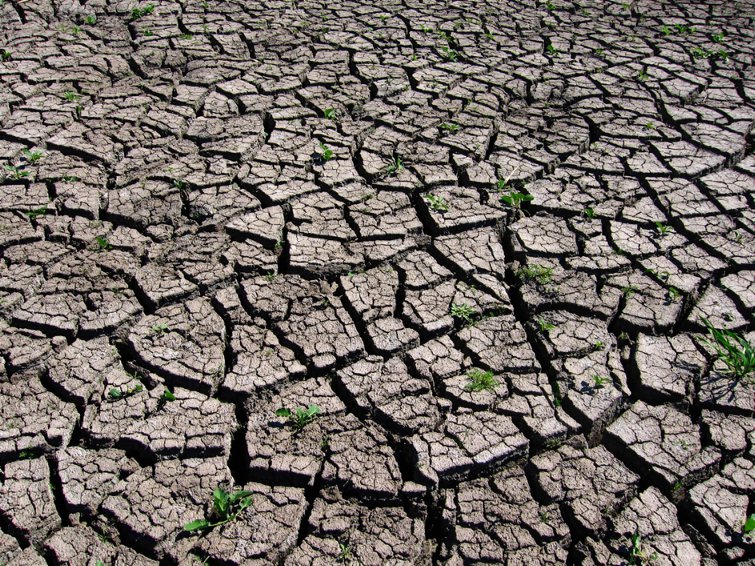
“If we’re looking at further disaster insurances now, for frost or drought insurance, if these sort of insurances became an affordable reality, then the Government may be able to close the door on things like drought assistance,” he said.
“It’s a big advantage to government. we were fully insured two years ago when we got wiped out, and our operation didn’t take a backward step. We were able to continue to spend into the community as we normally did, so a disaster like that does not necessarily have that flow on effect.”
Mr Armitage said both major parties had committed to looking at policy change surrounding agricultural insurance stamp duty during the State election campaign, and it was time for the new State Government to put their money where their mouth is.
“It is something we’ve been asking for a number of years and they picked it up in our election campaign policy,” he said.
“They’ve asked QFF for the costing of it and we’ve done it since the election.
“I think we can realisticly expect the removal of stamp duty within the next six months and it is something the incumbent Agricultural Minister should be looking at at his earliest convenience.”
Source - http://www.queenslandcountrylife.com.au