

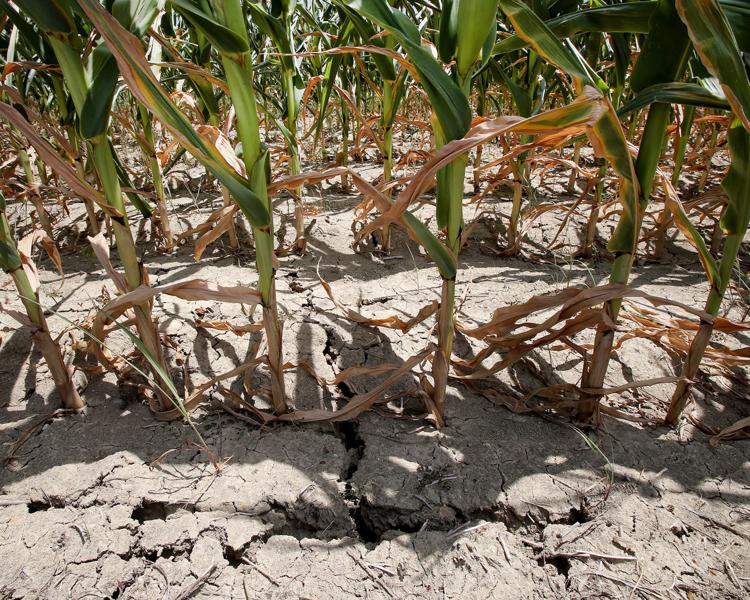
Australia - Drought damage revealed as grain forecasts drop 12%
12.09.2018 722 views
The periods of heavy drought that rocked Eastern Australia this year have had their predicted effect, as the damage to crops and livestock has destroyed a sizable proportion of the total grain crop.
Reports from ABARES, the government’s forecaster for commodities, show a year-on-year drop of 12% in winter grain production. In total, this year’s harvest should yield 33.2 million tonnes of wheat, canola, barley, oats and other pulses. This is 9% below the 20-year average, which shows just how hard it has been to keep production outputs as high as possible during a difficult climate. The nation posted 59 million tonnes of crops just two years ago, breaking records along the way.
This year’s bleak picture is not the same across all of Australia. The Western states have seen bumper wheat harvests, which has helped to taper the struggles of Eastern Australia harvests.
However, despite a good winter, Western grain-growing regions should face a less convenient spring, entailing drier weather and a strong likelihood of frosts. ABARES Senior Economist Peter Collins confirmed that this would not pose serious problems to overall yields but would “take the cream off the top.” He suggested that the moisture already in the soil would be enough to see most crops to full harvest.
A 12% increase in yields should occur in Western Australia, which demonstrates a wide discrepancy between the more dire situation taking place on the opposite side of the country. There are predictions of precarious drops in two leading Eastern production states, Queensland and New South Wales, which should see year-on-year yield output decreases of 38% and 46% respectively. This has seen many farmers take huge financial hits as a result.
Despite many farmers in states hit by the droughts saying that this year’s circumstances were among the most severe of any in memory, ABARES has maintained that the limit of the damage to Eastern Australia has saved the national crop figures somewhat. It added that there have been “exceptionally unfavourable seasonal conditions” that saw a greater loss of crops nationwide during four different periods across the last several decades, with the most recent occurring in 2007-08.
Experts will be watching September more closely than usual to see how the weather fronts will affect crops. Any outpouring of spring rains will be hugely significant and will likely benefit many crop yields, but the underlying risk of frost could easily taper any gains across the board.
Although New South Wales and Queensland are unlikely to prosper from any change in weather affecting their outlook, both Victoria and South Australia could go either way. The Bureau of Meteorology suggested that the chances of Victoria getting a higher level of rainfall than normal are low at present.
ABARES, therefore, believes that Victoria will see a winter crop reduction of 29% on average, while South Australia should see the effects of a less damaging 5% drop.
Chickpeas are the crop predicted to suffer most, with a drop of 69% set to take place overall. Canola is next on the list with a 24% reduction.
Droughts are far from an Australia-centric problem, as the US, as well as several European nations, have reported heavy losses in wheat yields.
Source - http://www.thebull.com.au
EVENTS

ScaleAgData Stakeholder Engagement Event
22.10.2024The ScaleAgData project is pleased to invite you to our second stakeholder event. Building on the discussions and connections formed during our first webinar, this event will focus on fostering collaboration among stakeholders, providing updates on our project’s progress, and outlining future opportunities for engagement.

22.03.2026

New technologies are unlocking farm insurance in Africa
New technologies are changing how agricultural risk is measured, priced, and managed across Africa, enabling insurers to potentially reach millions of previously excluded smallholder farmers.
22.03.2026

USA - USDA offers disaster assistance to agricultural producers in Kansas impacted by wildfire
Agricultural operations in Kansas have been significantly impacted by recent wildfires. The U.S. Department of Agriculture has technical and financial assistance available to help farmers and livestock producers recover from these adverse weather events.
22.03.2026
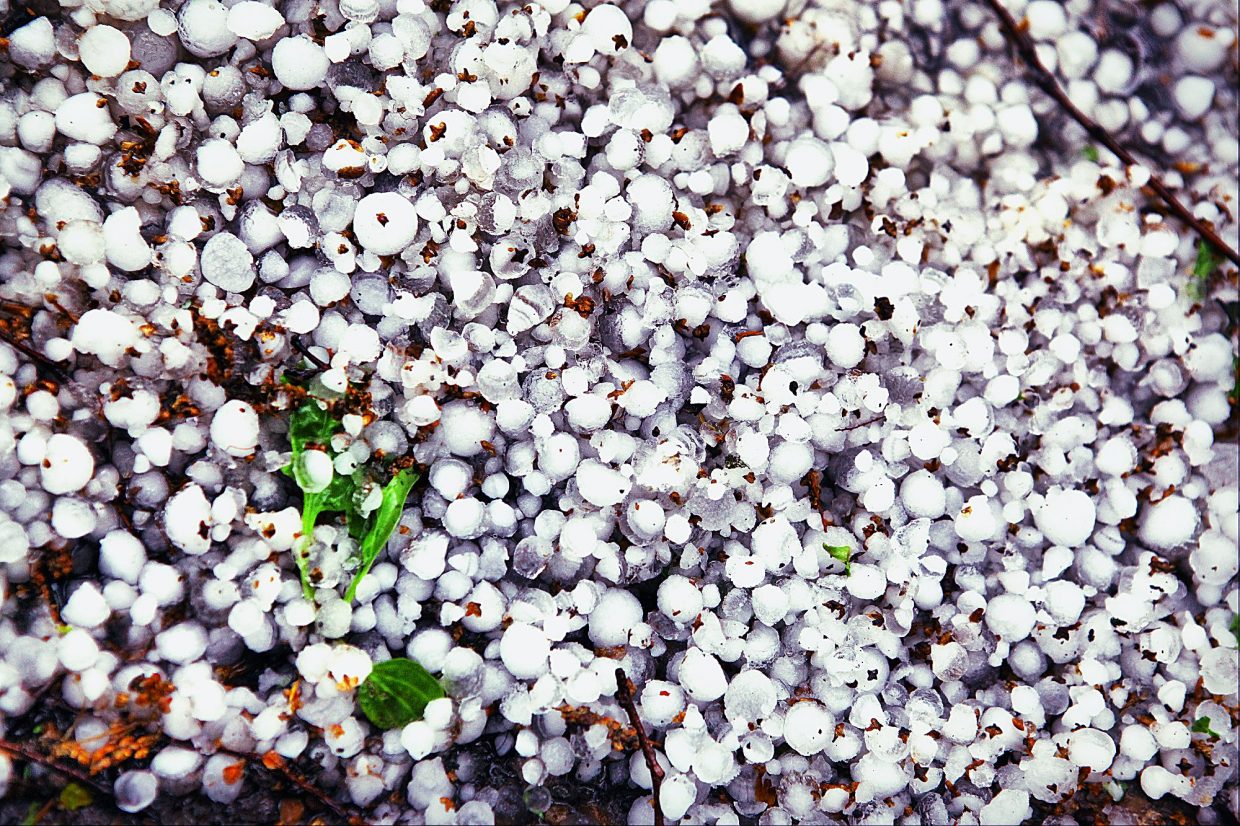
India - Tamil Nadu government launches crop loss survey after hailstorm, gusty rains damage 850 hectares across Tamil Nadu
Officials said the Revenue and Agriculture departments have been directed to jointly undertake field inspections to verify the affected crop area and submit detailed reports.
22.03.2026

USA - Hawaii agricultural damage estimated in the millions after Kona low
Hawaii farmers are still assessing damage from the system that just passed, as most residents get ready for the wet weather ahead.
22.03.2026
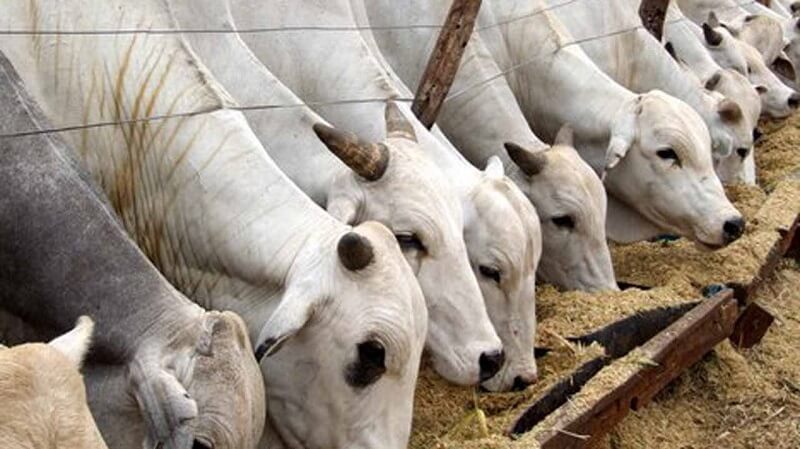
Nigeria - Herders receive N181.9 million claims
Nigeria’s push to deepen agricultural insurance and climate risk protection gained momentum as livestock herders in Adamawa, Bauchi and Plateau states received N181.9 million in claims under the Index- Based Livestock Insurance (IBLI) scheme.
22.03.2026
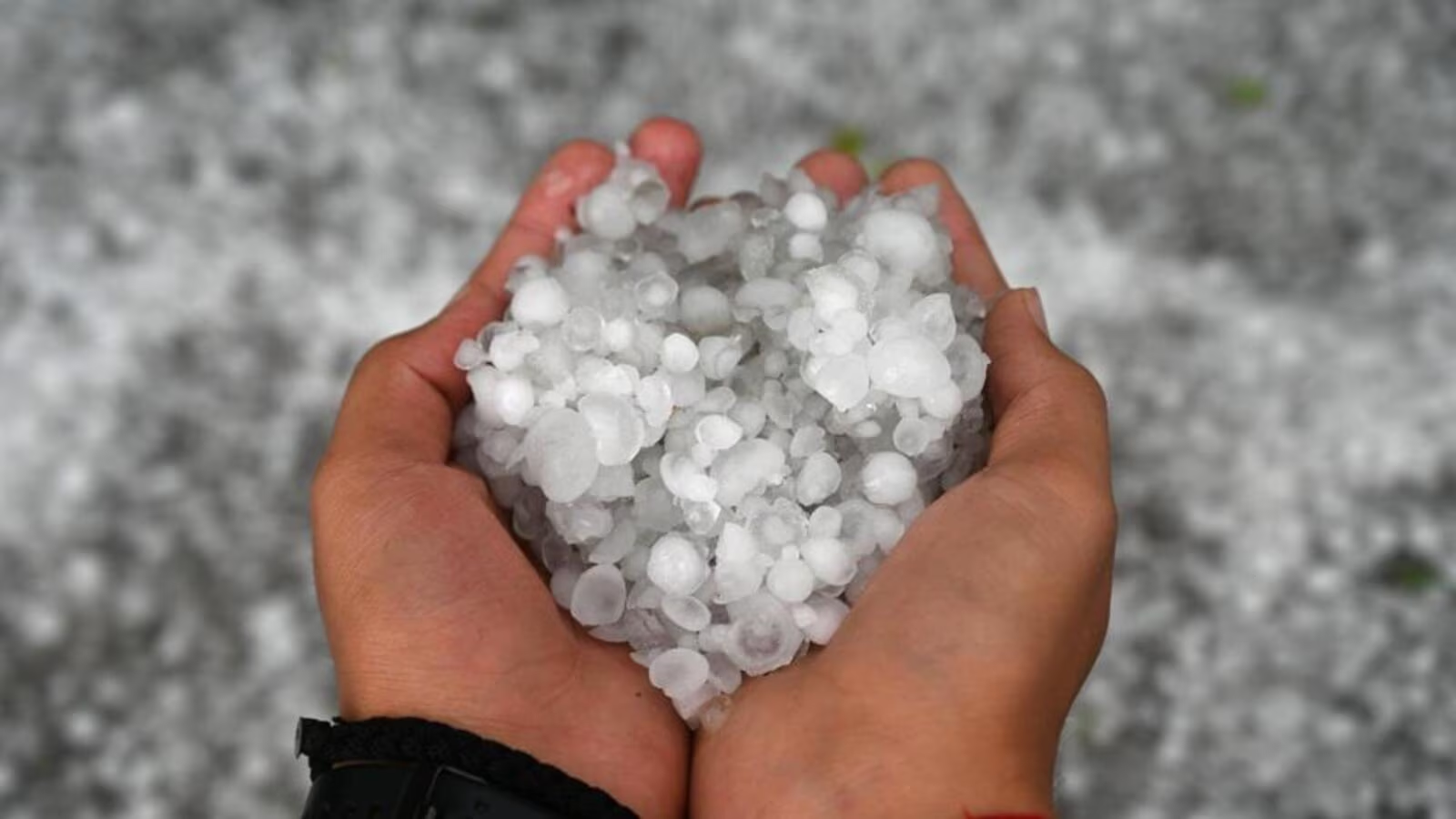
India - PMFBY Rules Require Farmers to Report Hailstorm Crop Damage Within 72 Hours
The weather office has warned of fresh hailstorms and thunderstorms over parts of east and north India this weekend, raising concern for standing rabi crops already close to harvest.
19.03.2026
USA - Long-Term Farm Borrowing Costs Likely Stay Elevated, Increasing Reliance on Insurance and Subsidy Programs
Farm CPA Paul Neiffer explains the updates to crop insurance subsidies, additional benefits for new farmers, and eligibility considerations for those entering the program.
19.03.2026

India - 48 CSC operators under lens: 27,416 bogus crop insurance claims without crop; 5 FIRs filed in Jalgaon
At least 27,416 crop insurance claims for banana cultivation were found to have been filed on land where no crop existed in Jalgaon district, which is known for banana cultivation.
