

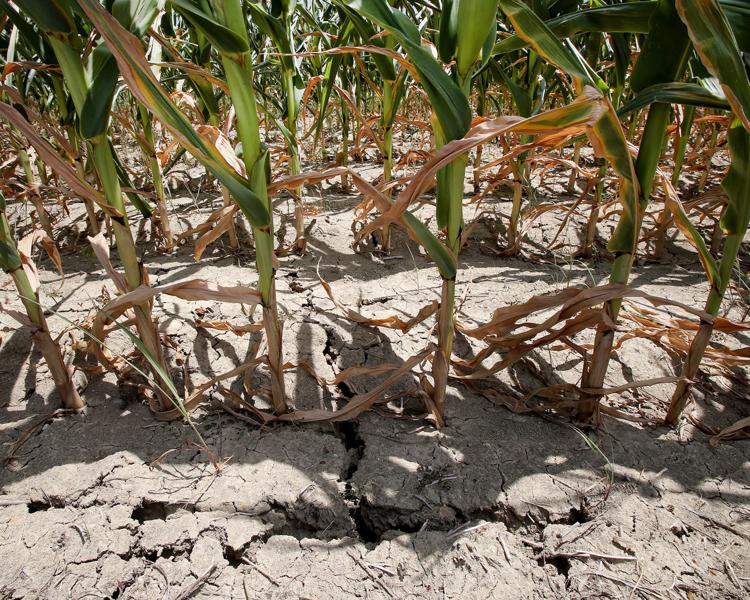
Australia - Drought damage revealed as grain forecasts drop 12%
12.09.2018 914 views
The periods of heavy drought that rocked Eastern Australia this year have had their predicted effect, as the damage to crops and livestock has destroyed a sizable proportion of the total grain crop.
Reports from ABARES, the government’s forecaster for commodities, show a year-on-year drop of 12% in winter grain production. In total, this year’s harvest should yield 33.2 million tonnes of wheat, canola, barley, oats and other pulses. This is 9% below the 20-year average, which shows just how hard it has been to keep production outputs as high as possible during a difficult climate. The nation posted 59 million tonnes of crops just two years ago, breaking records along the way.
This year’s bleak picture is not the same across all of Australia. The Western states have seen bumper wheat harvests, which has helped to taper the struggles of Eastern Australia harvests.
However, despite a good winter, Western grain-growing regions should face a less convenient spring, entailing drier weather and a strong likelihood of frosts. ABARES Senior Economist Peter Collins confirmed that this would not pose serious problems to overall yields but would “take the cream off the top.” He suggested that the moisture already in the soil would be enough to see most crops to full harvest.
A 12% increase in yields should occur in Western Australia, which demonstrates a wide discrepancy between the more dire situation taking place on the opposite side of the country. There are predictions of precarious drops in two leading Eastern production states, Queensland and New South Wales, which should see year-on-year yield output decreases of 38% and 46% respectively. This has seen many farmers take huge financial hits as a result.
Despite many farmers in states hit by the droughts saying that this year’s circumstances were among the most severe of any in memory, ABARES has maintained that the limit of the damage to Eastern Australia has saved the national crop figures somewhat. It added that there have been “exceptionally unfavourable seasonal conditions” that saw a greater loss of crops nationwide during four different periods across the last several decades, with the most recent occurring in 2007-08.
Experts will be watching September more closely than usual to see how the weather fronts will affect crops. Any outpouring of spring rains will be hugely significant and will likely benefit many crop yields, but the underlying risk of frost could easily taper any gains across the board.
Although New South Wales and Queensland are unlikely to prosper from any change in weather affecting their outlook, both Victoria and South Australia could go either way. The Bureau of Meteorology suggested that the chances of Victoria getting a higher level of rainfall than normal are low at present.
ABARES, therefore, believes that Victoria will see a winter crop reduction of 29% on average, while South Australia should see the effects of a less damaging 5% drop.
Chickpeas are the crop predicted to suffer most, with a drop of 69% set to take place overall. Canola is next on the list with a 24% reduction.
Droughts are far from an Australia-centric problem, as the US, as well as several European nations, have reported heavy losses in wheat yields.
Source - http://www.thebull.com.au
EVENTS

ScaleAgData Stakeholder Engagement Event
22.10.2024The ScaleAgData project is pleased to invite you to our second stakeholder event. Building on the discussions and connections formed during our first webinar, this event will focus on fostering collaboration among stakeholders, providing updates on our project’s progress, and outlining future opportunities for engagement.
RISK EVENTS

Moldova - May frosts caused heavy damage to fruit orchards
10.05.2026The first frosty nights of May have significantly worsened estimates of damage to Moldova's fruit sector from spring frosts. According to initial assessments by fruit market operators, between a quarter and a third of the country's total orchard area was seriously affected.
17.09.2026
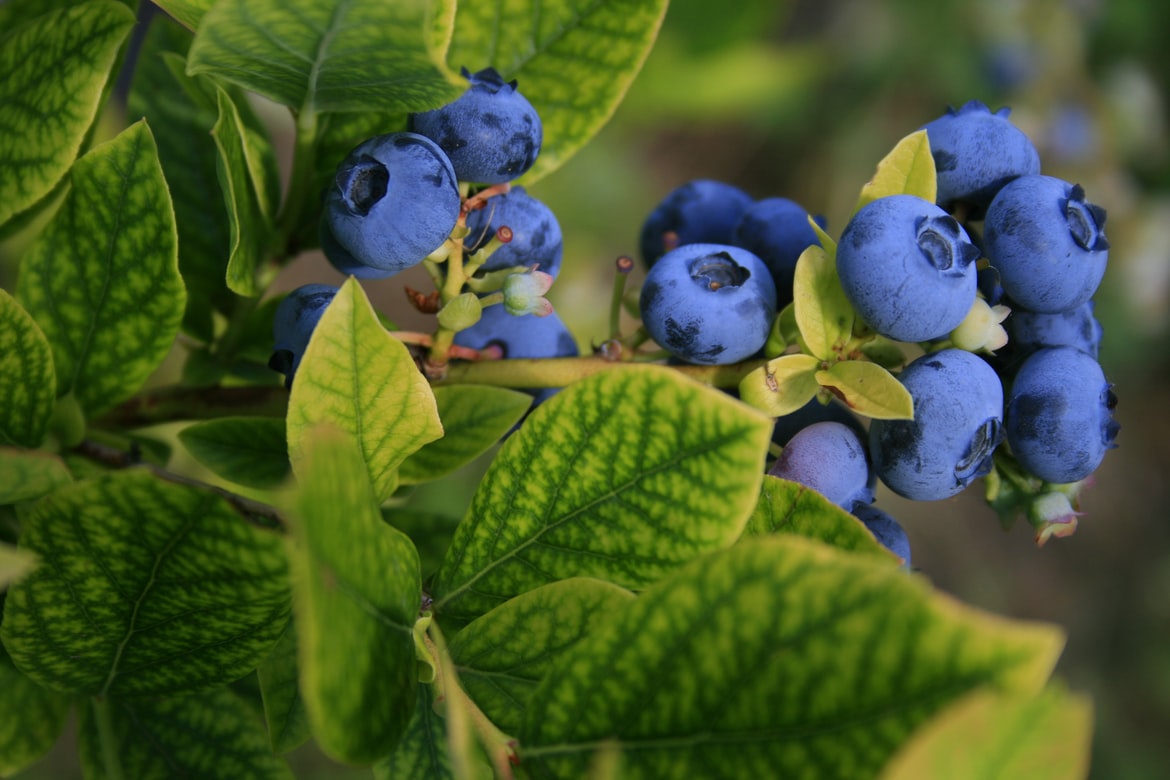
12-hectare blueberry greenhouse project underway in Kenya
Kakuzi Plc has started development of a 12-hectare blueberry greenhouse project in Kenya, adding blueberries as its third commercial superfood crop alongside macadamia and avocado as part of its revenue diversification strategy.
17.09.2026
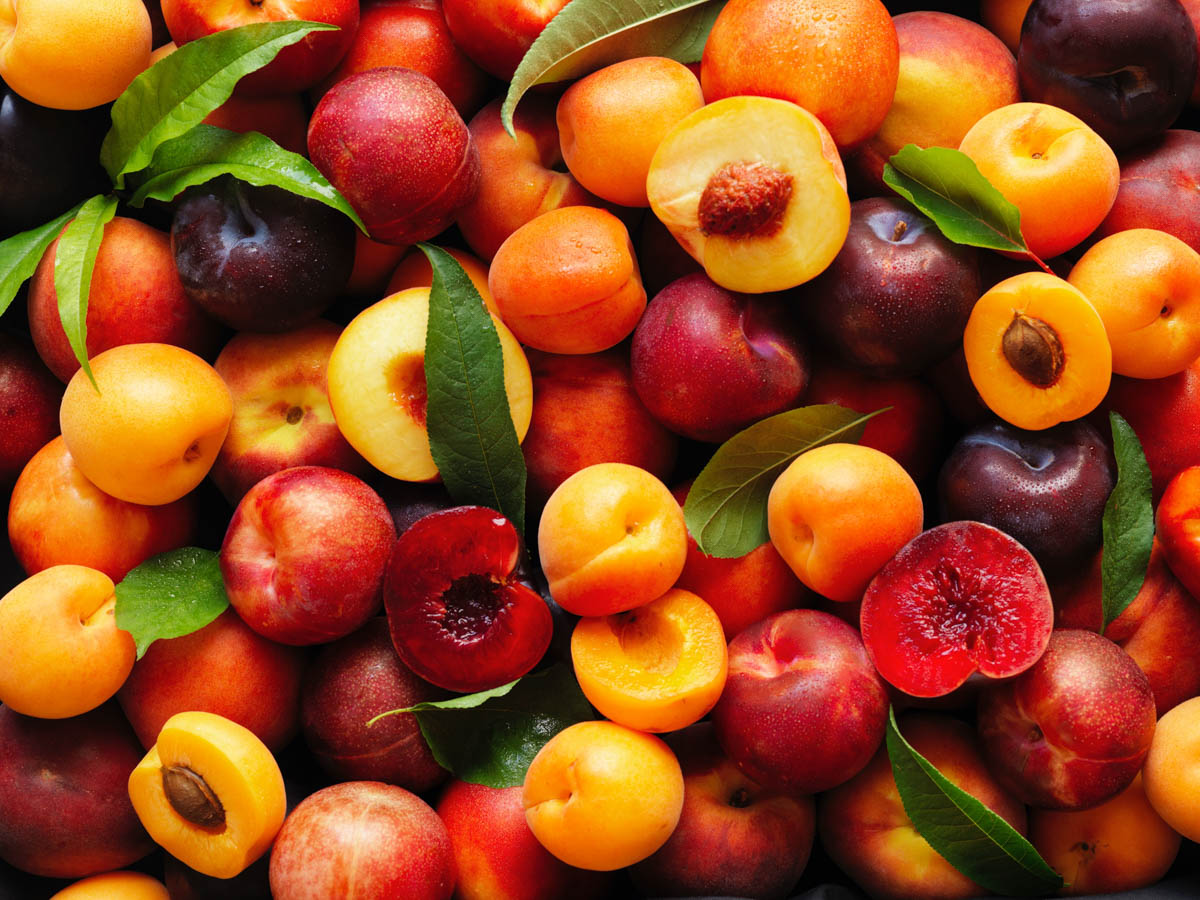
USA - USDA Expands Crop Insurance Flexibility for Organic Stone Fruit Growers
The USDA is improving crop insurance options for organic stone fruit producers, giving them more flexibility beginning with the 2027 crop year.
17.09.2026
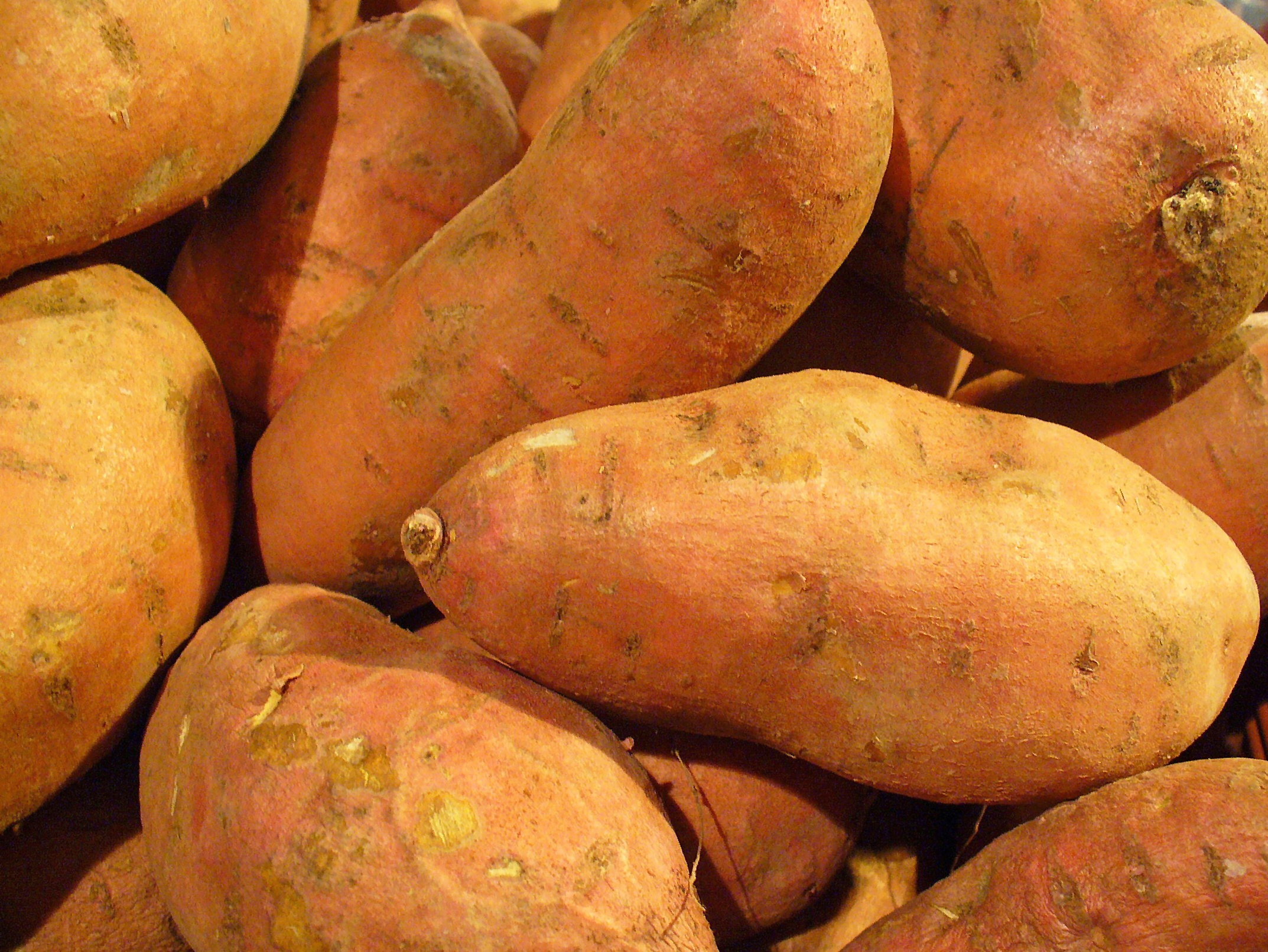
New sweet potato processing facility targets value addition in Uganda
A new sweet potato processing facility in Uganda's Teso sub-region is expected to expand processing capacity and create additional market channels for locally grown sweet potatoes.
17.09.2026

India - Beed Farmers Stage 'Halgi Bajao' Protest Seeking Drought Declaration, Compensation
The protest was organised by the Shetkari Hakka Morcha under the leadership of Rajendra Amte. Farmers demanded that the government conduct panchnamas of crop losses, provide compensation of ₹40,000 per acre and immediately release pending crop insurance payments.
17.09.2026
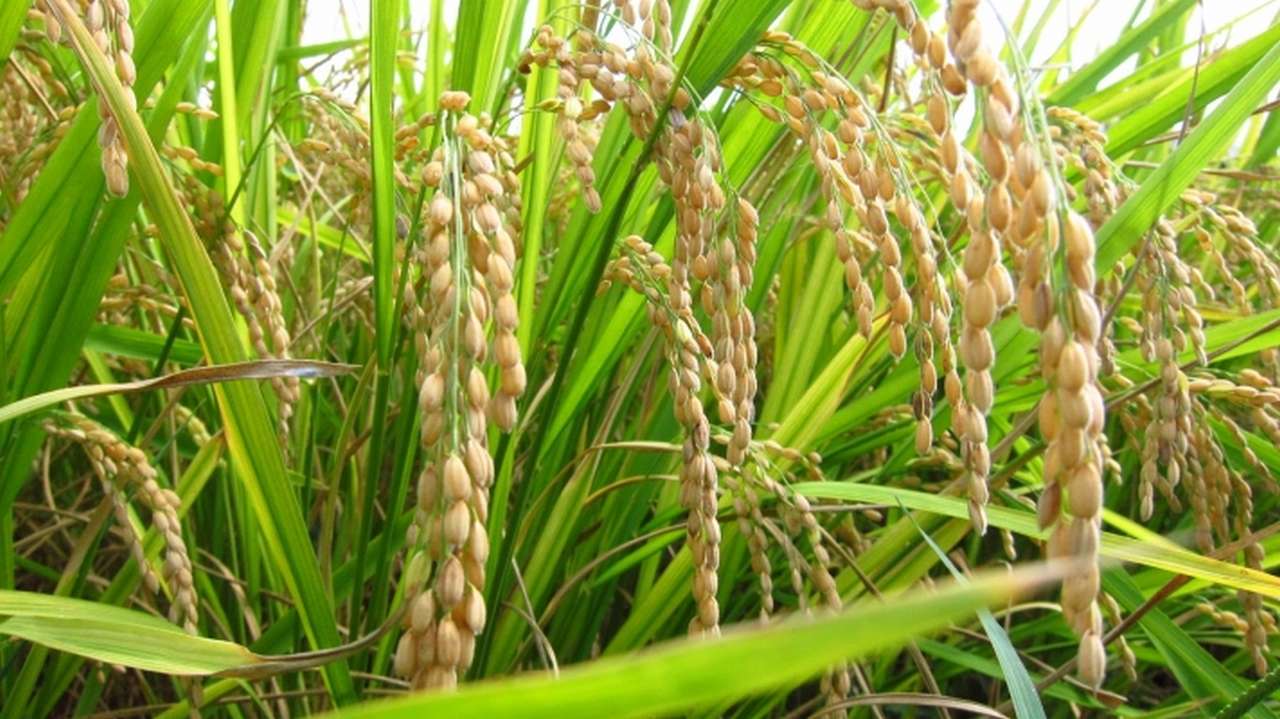
Vietnam - Summer-autumn rice crop suffers from widespread grain loss, and lessons learned from adapting to climate change.
This year's summer-autumn rice crop has severely impacted the yield and income of farmers in many localities, with over 6,000 hectares of rice suffering from empty or partially filled grains.
17.09.2026

Costa Rica invests US$40,000 in onion drying infrastructure
Costa Rica's Ministry of Agriculture and Livestock (MAG) has announced an investment of approximately US$40,000 in post-harvest infrastructure for onion growers in Tierra Blanca, Cartago.
16.09.2026
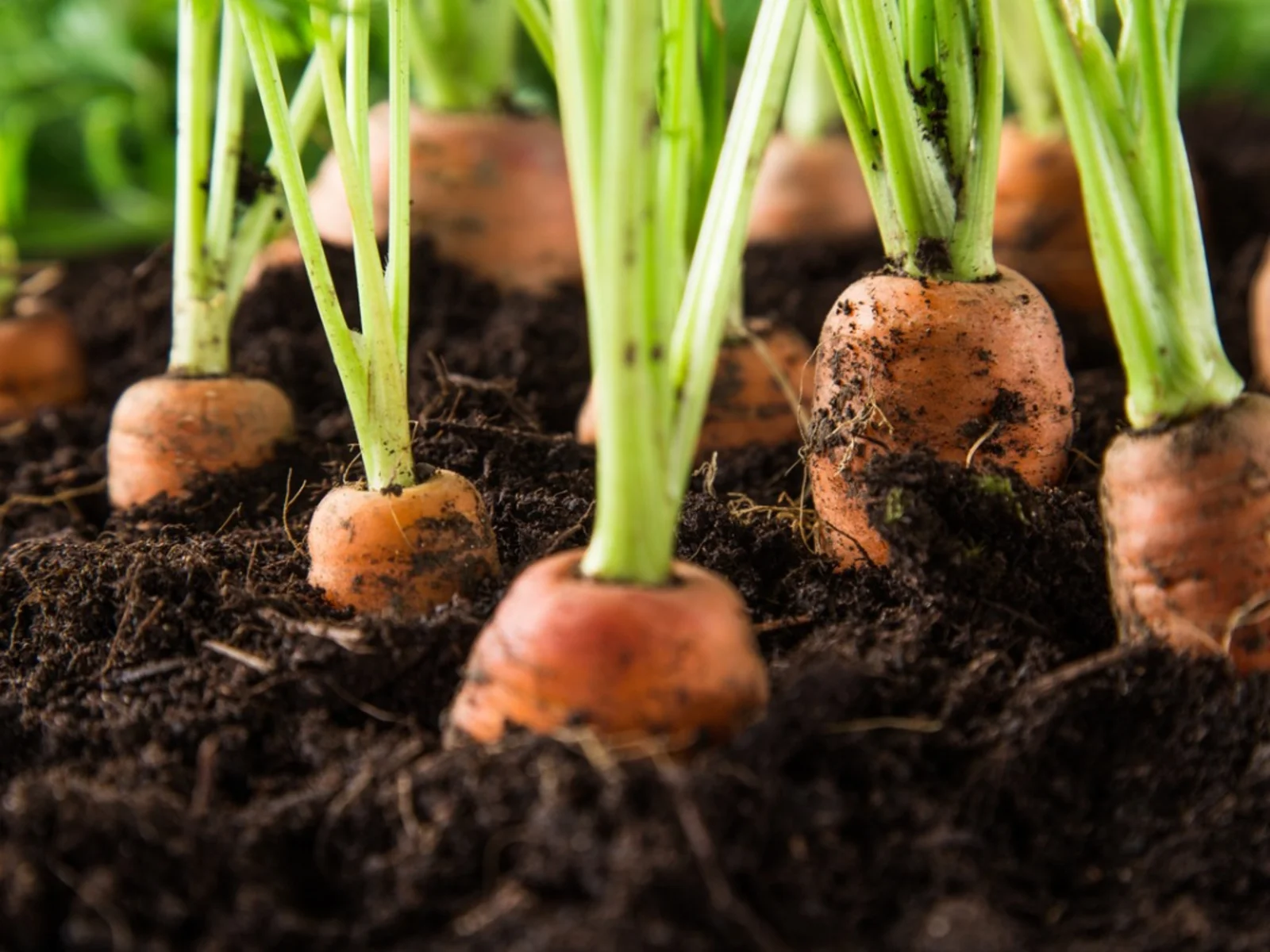
Ukraine vegetable grower builds 7,000-tonne storage facility
PAP Agroinvest in Ukraine's Ternopil region is investing more than UAH 150 million (€3.2 million) in a new vegetable storage facility with a capacity of 7,000 tonnes.
16.09.2026

USA - Skysense Deploys Autonomous Drone Solution to Curb Wildlife and Crop Loss
Protect the yield. Start any conversation in fresh produce this way, and people are immediately on the same page.
