Australia - Farming impact of worst drought in living memory

08.08.2018 602 views
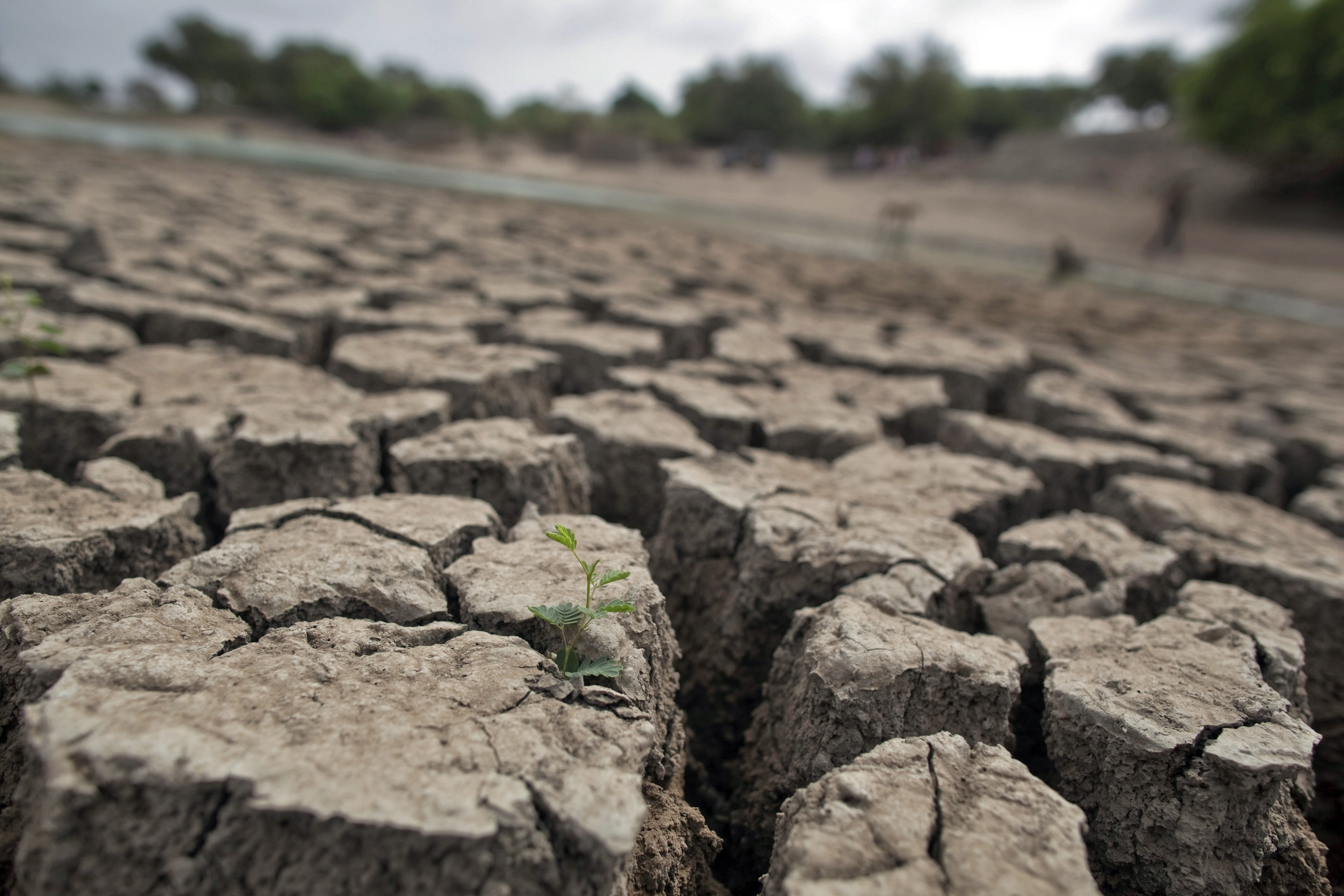
The worst drought in living memory is sweeping parts of eastern Australia, leaving farmers struggling to cope and asking questions about their future. Record-low rainfall in some regions and successive seasons of above-average temperatures have blighted vast tracts of Australia's grazing and crop land. While the weather has improved in parts of Western Australia, winter rain has gone missing across much of the country’s east, leaving farmers praying for rain after planting seed in dry soil or culling cattle and sheep they can no longer afford to feed. New South Wales, which just recorded its fifth-driest July on record, has been hardest hit. About 99 percent of the state – which accounts for a quarter of Australia’s agricultural output by value – is now officially in drought. The maps below show the impact of drought on vegetation. Eastern Australia has suffered major losses since 2016, the most recent year without major drought. With grazing pastures turned to dust and feed costly and scarce, the drought is having a major impact on livestock. Farmers have been shipping in hay from growers in the country’s west or the far north to feed their livestock. Even those sources are now being depleted, however, and as grain silos in the south are emptied, desperate owners are being forced to slaughter animals, even if it means it will take years for herds to recover. The cull will ultimately leave the size of Australia’s national herd at a record low, ushering in a prolonged period of livestock rebuilding and higher prices for the industry.

UNDER THE SURFACE

Seeds rely not only on rainfall but also moisture already in the soil, which carries nutrients for plant growth and regulates soil temperature. The drought has devastated large swathes of eastern Australia's crop land, which supplies about a third of the nation's wheat. Australia’s last winter was the warmest since records began more than a century ago and one of the 10 driest, sapping moisture from the earth. Dry conditions since have only made things worse, leaving farmers to plant dry and hope for rain to salvage their crops. Last year, drought cut Australia’s output to the lowest level in a decade. This season has got off to an even worse start, with farmers planting in some of the driest soil in years. Australia’s official forecaster has trimmed its estimate of this year’s wheat crop to 21.9 million tonnes, but warned yields would fall further without rain. Some private forecasters say the crop could be as low as 13 million tonnes, which would be the lowest since the drought-stricken 2008 harvest.

LOOKING DEEPER

The ground in drought-hit regions has dried out to such a depth that it is even killing large trees. Scientists have reported more swathes of forest are dying off, while farmers point to trees that have survived 100 years on their properties but which are now dying before their eyes. Deep-rooted vegetation can access moisture down to levels of about 6 metres (yards). However, these areas have been too dry for too long, and the effects are becoming visible. The map below shows deep soil moisture over the last year relative to normal levels. The east is hardest hit, with large areas of New South Wales and Queensland seeing extreme deficiencies. The current dry period is not as extensive as the Millennium drought of 1997-2005, which devastated nearly 50 percent of the country’s agricultural land and was associated with two El Nino systems, which bring hot, dry weather to Australia. But analysts and industry experts worry about how badly conditions have already deteriorated, especially since El Nino weather may be just around the corner. Source - https://uk-mobile-reuters-com.cdn.ampproject.org


02.07.2026

India - Vijayanagara farmers await crop insurance claims

Lakhs of farmers across Vijayanagara district are staring at an uncertain future, with the Pradhan Mantri Fasal Bima Yojana (PMFBY) allegedly failing to provide compensation for crop losses suffered during the previous kharif and rabi seasons.

02.07.2026

USA - Summer Pests and Frost Impact Klamath Basin Crops

Over the last week, IREC staff have observed several pests in winter and spring grain crops.  Most wheat and barley fields at IREC have populations of cereal leaf beetle, aphids, and armyworms. 

02.07.2026

French Agricultural Sector Faces Inflation Risks Amid Severe Heatwave

France’s agricultural sector is grappling with the immediate consequences of a severe heatwave, which is causing significant damage to key crops across the country. 

02.07.2026

Greece - €24 Million in New Compensation for Farmers After 2025 Losses

The latest payments will be deposited into beneficiaries’ accounts immediately, as authorities say compensation claims for last year’s agricultural damage are being settled faster than ever before.

02.07.2026

USA - USDA Expands the Farm Safety Net, Offering Turfgrass Producers First-Ever Insurance Solution

The U.S. Department of Agriculture (USDA) is expanding American producers’ access to crop insurance, offering turfgrass producers in select states and counties a new risk management option through a pilot program, Turfgrass Value Select (TVS). 

02.07.2026

India - Wild elephants damage crops, huts in Wokha village

Human-elephant conflict continues to threaten farmers in Wokha district, with a herd of wild elephants raiding farmlands at Chanka village on two separate occasions within five days.

30.06.2026

Poland faces smaller AJC crop while Turkey prepares for recovery

Poland's apple juice concentrate (AJC) crop faces the prospect of a sharply reduced harvest in 2026 following severe frosts, while Turkey is set for a strong recovery season after near-total losses a year earlier, according to market sources cited by Mintec.

30.06.2026

Canada - Excess moisture, flooding insured perils under AgriInsurance

Excessive precipitation across northern Alberta over the past several weeks has significantly impacted seeding progress for many producers and is causing fields to flood in some areas.