


Australia - Wheat production, exports forecast to be lowest in 11 years
23.10.2018 1071 views
The U.S. Department of Agriculture on Oct. 12 forecast Australian wheat production and exports in 2018-19 to be the lowest since 2007-08.
The USDA forecast Australian wheat production in 2018-19 at 18.5 million tonnes, down 1.5 million tonnes from the September outlook, down 2.8 million tonnes, or 13%, from 21.3 million tonnes in 2017-18 and compared with a record 31.8 million tonnes in 2016-17. The USDA’s initial forecast for the 2018-19 Australian crop, which was issued in May of this year, was 24 million tonnes.
The Australian crop was forecast to be the smallest since 13.6 million tonnes in 2007-08. That crop came on the heels of a disastrous outturn of 10.8 million tonnes in 2006-07.
The USDA in its October Wheat Outlook said, “Exceptionally dry, warm weather, particularly during the critical month of September, shriveled wheat in most growing regions of eastern Australia. According to the Australian Bureau of Meteorology, at the national level, it was the driest month of September on record.”
New South Wales, which in some years accounts for up to 40% of Australia’s wheat crop, has endured sustained drought. Wheat yields in the state were expected to be the lowest since the 2007 drought. The USDA said precipitation beyond this point may only marginally help a fraction of the crop that was planted later in the season “but is unlikely in any substantial way to improve yields of a crop which is mostly beyond its reproductive period and is going through the final states of maturity.”
The USDA observed conditions had been much more favorable in Western Australia, but poor precipitation there in September reduced yield potential. October rains in the state stabilized yield prospects, but frost was reported recently, and the extent of possible damage to the crop was unclear. Wheat production in Western Australia will not be able to offset crop losses in the eastern states, the USDA said.
Some private analysts suggested Australian wheat production may fall below the USDA forecast by as much as 2 million tonnes.
The USDA forecast Australian wheat exports in 2018-19 at 13 million tonnes, down 1 million tonnes from the September outlook, down 1.5 million tonnes, or 10%, from 14.5 million tonnes in 2017-18 and compared with 22.6 million tonnes in 2016-17. Australia exported a record 24.7 million tonnes of wheat in 2011-12.
The forecast outgo for 2018-19 was the lowest since 7.5 million tonnes was exported in 2007-08.
The initial USDA forecast for Australian wheat exports in 2018-19, issued in May, was 17 million tonnes.
The USDA observed, “Not only are Australian wheat supplies diminished, but it is also unlikely that the eastern states will export any substantial amount of wheat. Additionally, wheat originating in Western Australia that under normal conditions would be exported is going to be transported from Western Australia to New South Wales and Queensland. These two states greatly need animal feed this year, as the drought not only shrank their wheat harvest, but also destroyed pastures.”
Source - https://world-grain.com
EVENTS

ScaleAgData Stakeholder Engagement Event
22.10.2024The ScaleAgData project is pleased to invite you to our second stakeholder event. Building on the discussions and connections formed during our first webinar, this event will focus on fostering collaboration among stakeholders, providing updates on our project’s progress, and outlining future opportunities for engagement.
RISK EVENTS

Moldova - May frosts caused heavy damage to fruit orchards
10.05.2026The first frosty nights of May have significantly worsened estimates of damage to Moldova's fruit sector from spring frosts. According to initial assessments by fruit market operators, between a quarter and a third of the country's total orchard area was seriously affected.
25.10.2026

Dominican Republic - Tornado and rain cause crop damage in Valverde
A gust of wind described by producers and agricultural authorities as a small tornado caused considerable damage to banana and plantain plantations in Valverde province, where heavy rains on Wednesday afternoon affected hundreds of acres of crops and threaten the income of farmers in the area.
25.10.2026
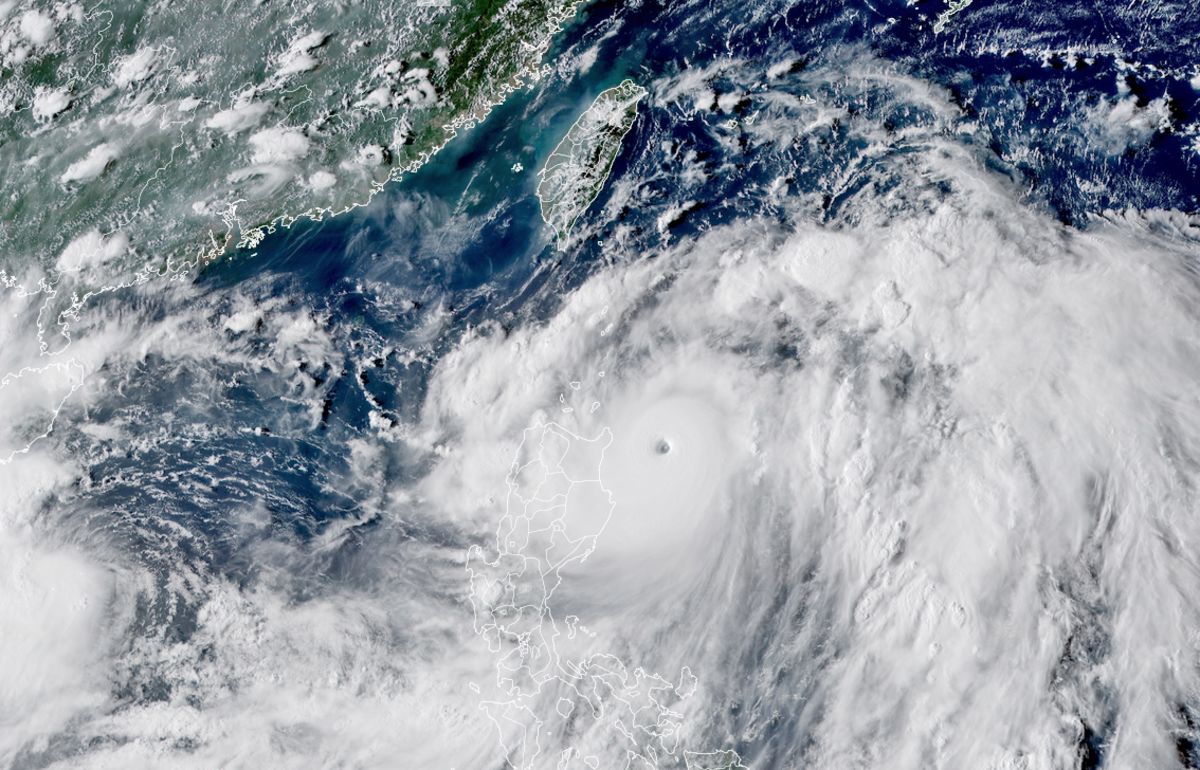
Taiwan - Typhoon Champi causes NT$133 million in agricultural losses
Yunlin accounts for 82% of estimated damage, with garlic hit hardest.
25.10.2026
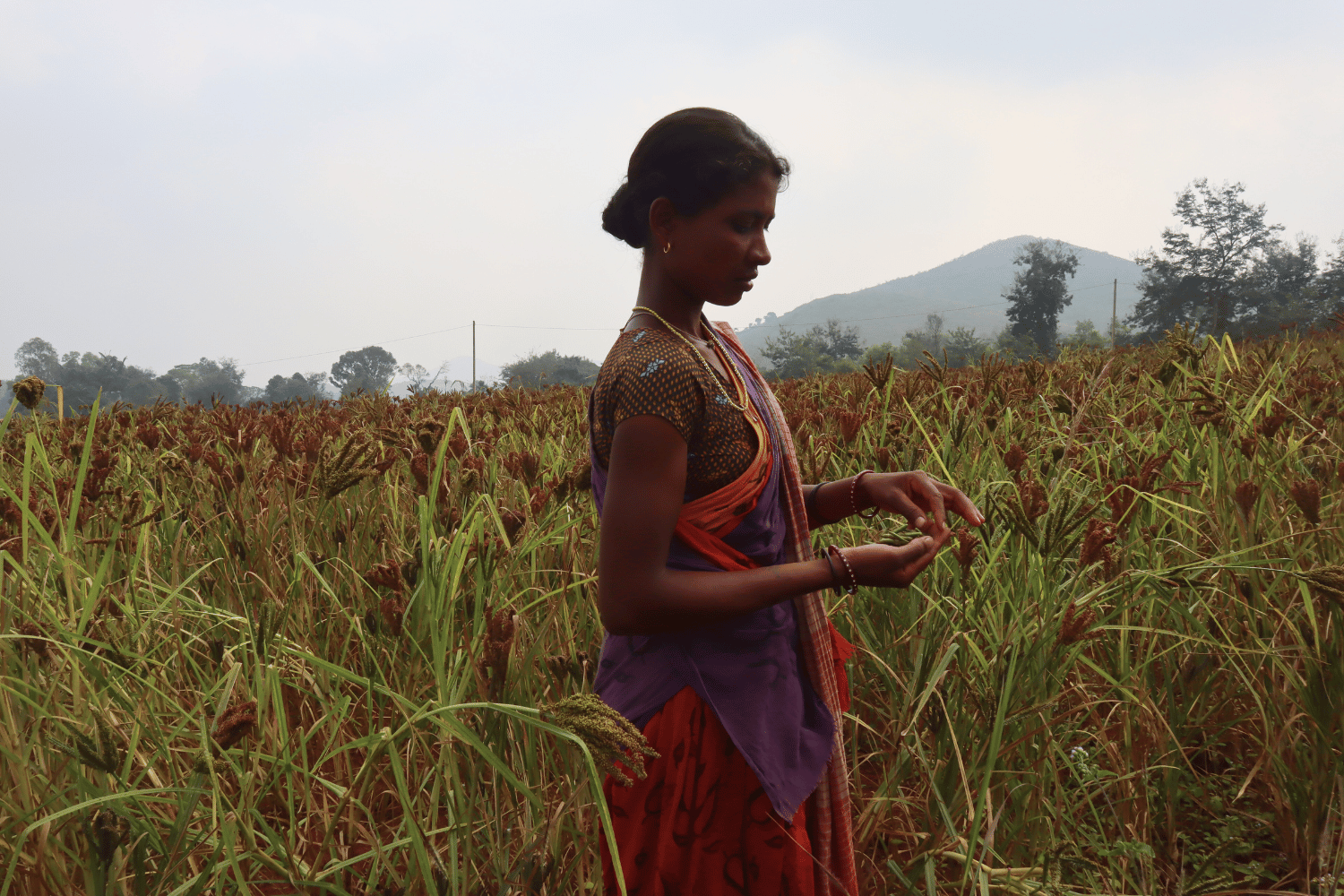
Financial safety nets and smart farming are key to climate resilience for farmers in India’s drylands
Financial inclusion, crop insurance, and public work programs are bridging the resilience gap for marginal farmers in India’s drylands, proving that institutional support matters more than farm size.
25.10.2026

India - MP Irrigation Project to Benefit 72,000 Farmers
Madhya Pradesh has launched a ₹2,387-crore irrigation project for 260 villages in Dhar and Jhabua, targeting 57,422 hectares and 72,000 farmers.
25.10.2026

Southeast Asian haze cuts vegetable supplies and raises prices in Singapore
Prolonged haze across Southeast Asia is affecting vegetable imports into Singapore, with wholesalers reporting reduced supplies, smaller crops, and higher prices. Reduced sunlight is limiting photosynthesis and slowing crop growth.
25.10.2026

Camellia warns of trading loss as costs rise and crop prices weaken
Camellia expects a trading loss of £3 million to £5 million for 2026, reversing last year’s £1 million trading profit as rising costs and weaker avocado and macadamia prices squeeze the agricultural group.
22.10.2026
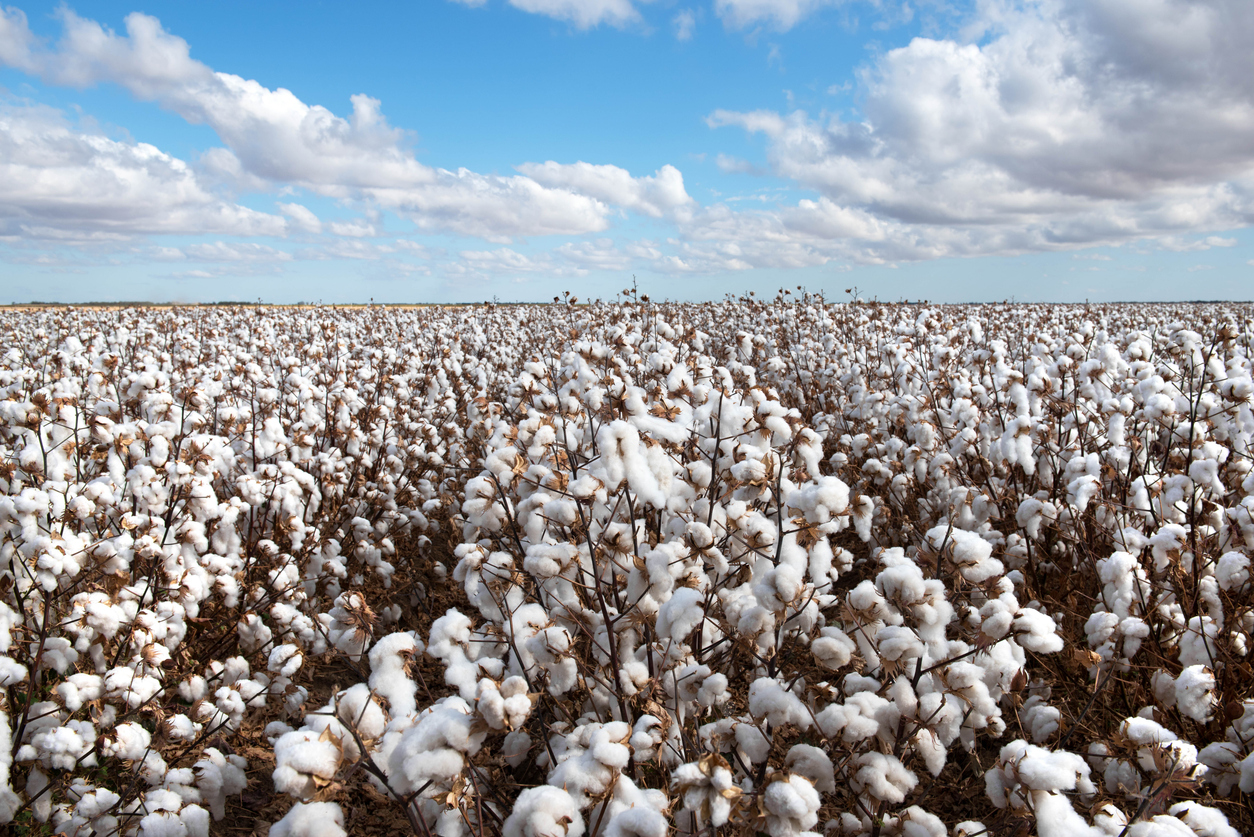
USA - Cotton Producers Face New ARC PLC Decision Deadline
The special provision giving producers the higher of ARC or PLC for 2025 will not continue next year.
22.10.2026

Pakistan - Punjab unveils £300,000 climate-resilient agriculture project for Cholistan and Thal
The Government of Punjab announced a 300,000-pound pilot project to establish climate-resilient agriculture across arid desert regions. The 12-month targeted initiative specifically focuses on farming communities operating within the vulnerable Cholistan and Thal desert ecosystems.
