Belgium - After 10 June it will be known if frost damage was an agricultural disaster

08.06.2017 280 views
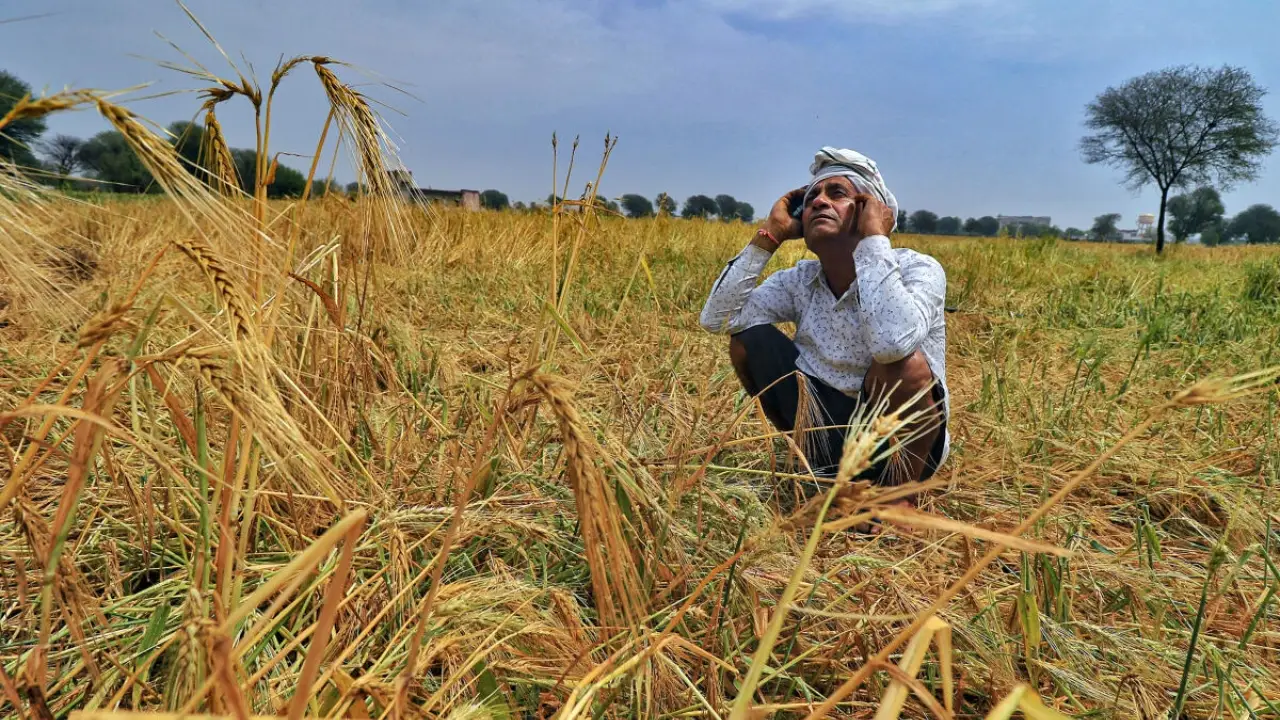
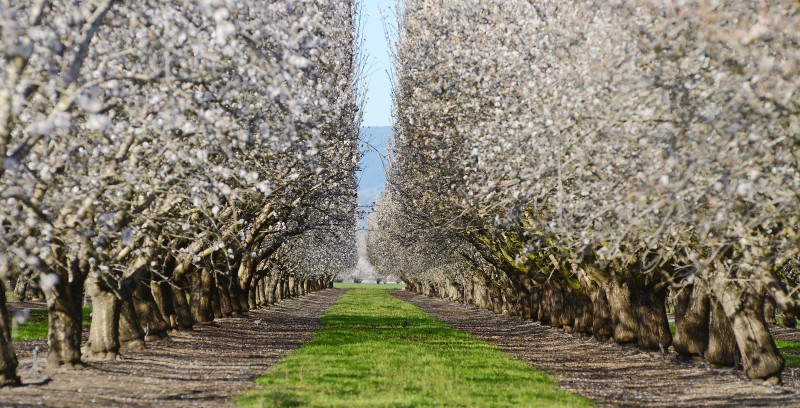
The Belgian fruit cultivation sector is currently waiting with bated breath whether the night frost of 19 to 20 April will be recognised as an agricultural disaster. This will become known after 10 June. “We then get a view of the total amount of damage. At the moment, every municipality is busy questioning the growers and estimating their damage. To ‘obtain’ that recognition of an agricultural disaster, the amount of damage must be at least 1.24 million euro,” explains Leen Jolling from Boerenbond. “Per damage-dossier, this is 5,580 euro. Only if we meet all the conditions, will we get recognition.”
Twenty years
Up till now, the first step for recognition of an agricultural disaster was made by recognising the exceptional weather circumstances by the KMI. The analysis done by the KMI indicates that in 225 out of 308 municipalities the cold was exceptionally severe, and hadn’t been seen in 20 years.
The first figures of late-April of the Boerenbond indicate member fruit growers estimate 78 per cent of apples, 82 per cent of cherries and 63 per cent of pears were affected. “Not much more is known at the moment, we haven’t conducted any questionaires since then. We currently don’t have a view of it yet. If the amount of damage is less than 1.24 million, there won’t be recognition and growers will not be compensated. We now have to await what will happen in coming weeks. Growers naturally hope for good news. I think we will reach that amount. Damages have been recorded for many different kinds of cultivation companies, both in fruit cultivation and in ornamental plant cultivation.” Source - http://www.freshplaza.com

23.12.2025

Sinkholes in Turkey's agricultural heartland fuel farmers' concerns

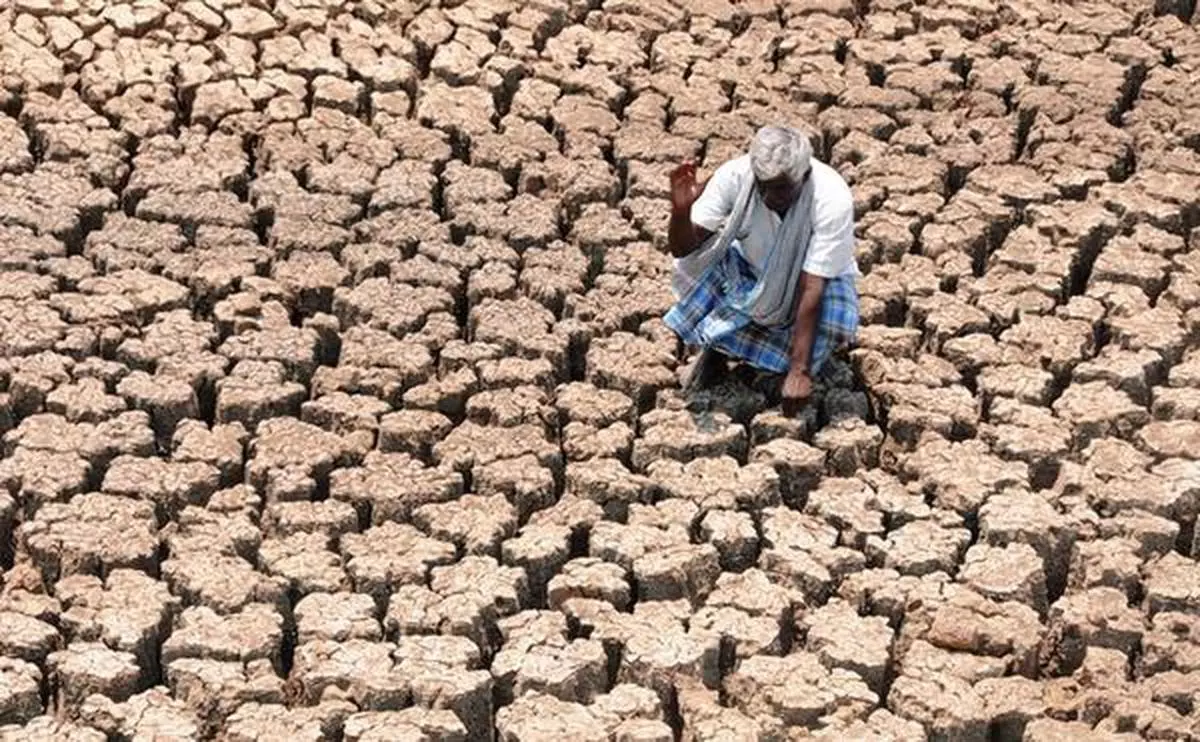
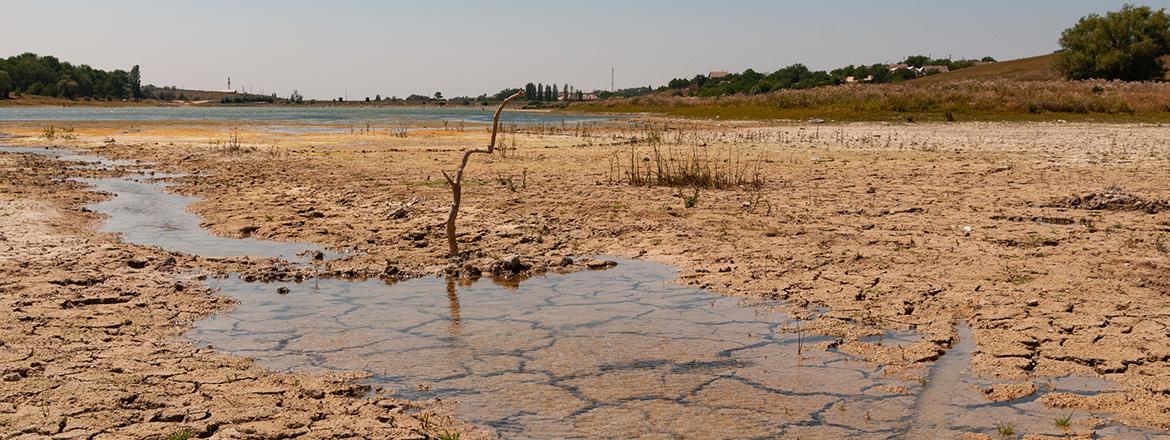
Hundreds of sinkholes have emerged in Turkey's central agricultural region due to dwindling rainfall and receding groundwaters, causing concern among farmers and environmental experts who see it as a worrying sign of climate change.

23.12.2025

Ghana - Agriculture Minister launches $147.3m PROSPER Project to modernise agriculture, support 420,000 farmers

The Minister for Food and Agriculture, Eric Opoku, has launched a national agricultural intervention project dubbed the Promoting Rural Opportunities, Sustainable Profits and Environmental Resilience (PROSPER) Project, aimed at modernising Ghana’s agricultural sector and improving the livelihoods of about 420,000 beneficiaries across eight regions.

23.12.2025

Philippines - Crop damage estimate after Uwan upgraded to P14 billion

The final estimate of damage to agriculture caused by Super Typhoon Uwan (international name: Fung-wong, has been set at P14.12 billion, according to the Department of Agriculture (DA).

23.12.2025

Nepal’s farm and livestock imports hit Rs 150 billion in five months as dependence grows

The growing trend of youth migration for foreign employment, increasing fallow land and the lack of modernization and commercialization in agriculture have all contributed to stagnant domestic production. As local output fails to meet demand, Nepali consumers are increasingly reliant on imported agricultural goods.

23.12.2025

Fisheries sector losses from cyclone estimated at Rs.8 Bn

The Fisheries Ministry reports that Cyclone Ditwah has caused losses to the fisheries sector amounting to nearly Rs.8 billion.

23.12.2025

USA - Mills County board hears agriculture land inspection proposal for carbon pipeline project

Mills County officials heard the latest regarding a proposed carbon dioxide pipeline that would cut through a rural portion of the county's northwest corner.

22.12.2025

Fiji’s agriculture faces threat from root-knot nematodes

Fiji’s agriculture industry is confronting a new challenge with root-knot nematodes, pests that attack plant roots and reduce nutrient absorption.

22.12.2025

USA - USDA to expand crop insurance access for farmers and ranchers

U.S. Secretary of Agriculture Brooke L. Rollins recently announced major updates to federal crop insurance, reducing red tape for farmers, modernizing long-standing policies, and expanding access to critical risk protection beginning with the 2026 crop year.