Canada - Cherry season cut short by hot summer

22.09.2017 308 views
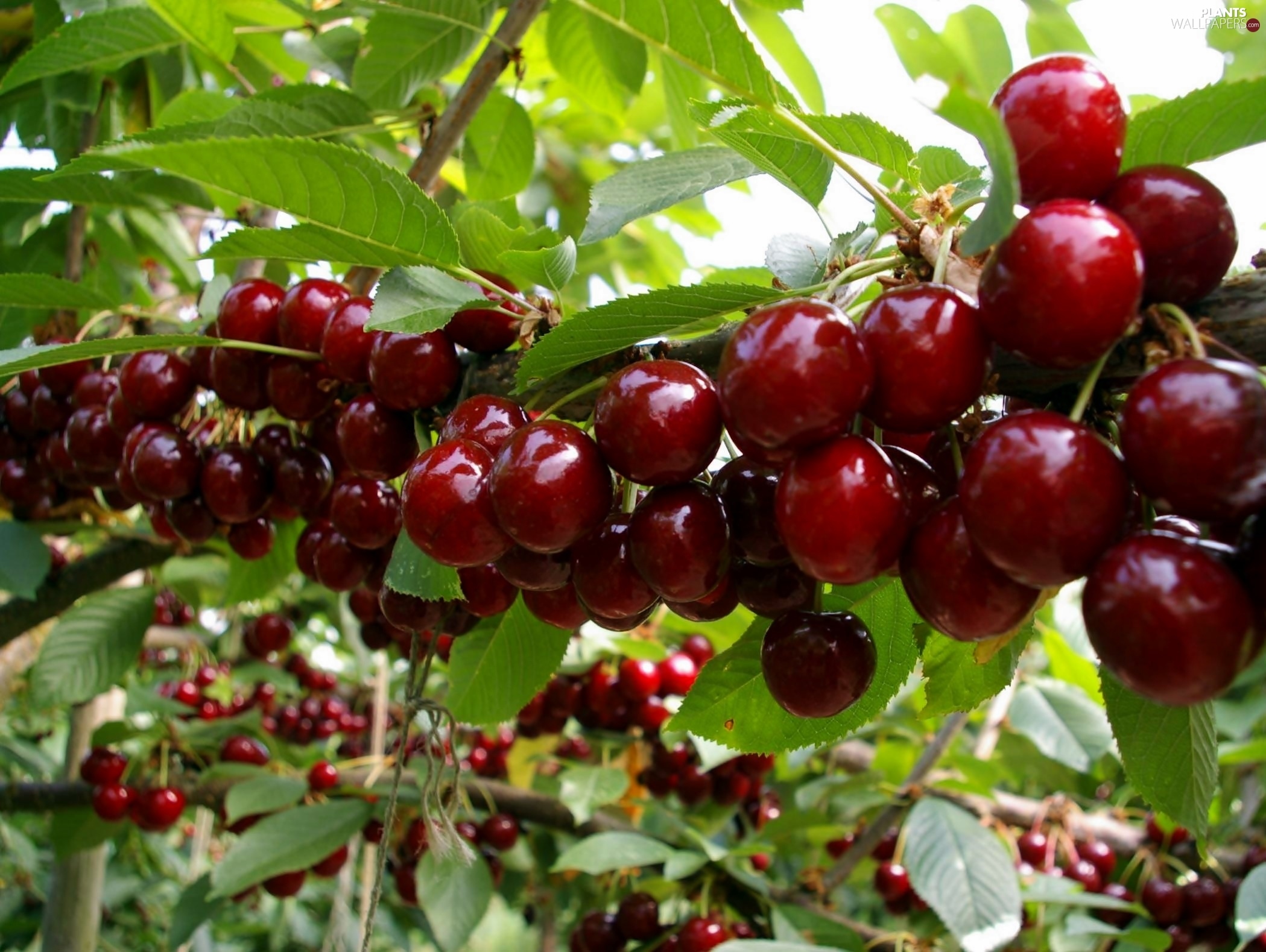
The Canadian cherry season became another victim of the hot summer that has plagued growers in western North America. Yield was up over last year, however, as the main effects were the shortening of the season as well as smaller fruit sizes.
"Overall, our yield was definitely up over 2016 due to new farms coming into production, however we had a somewhat challenging year with the heat," said Julie McLachlan, of Jealous Fruits in British Columbia. "We certainly fared better than the cherry growing regions to the south, such as Washington and Oregon. However, it resulted in a compressed season where we saw an increase of fruit ripening over a shorter period than projected. Our season started in early July and concluded on August 26, where we had earlier estimated to finish between September 5 - 8."
"The fruit was below optimal sizing which was disappointing, but the quality was still excellent," McLachlan continued. "Summing up the season, it was challenging and compressed, but ultimately we were pleased with our end product, despite the smaller sizes."
Export market strong
Demand for Canadian cherries remained strong and exporters experienced a growth in demand from around the world. Buyers in Southeast Asia were not as receptive to the smaller size profiles, but McLachlan was pleased with the way exports have performed this year. She also noted that China and the US continue to be strong markets for the product.
"The export market was really strong, and we enjoyed good arrivals of our shipments," she said. "There was an increase of fruit shipped over to the Middle East, particularly Dubai. The Southeast Asia market was off a fraction, because they typically prefer larger fruit sizes. However, markets such as China and the United States continue to be strong supporters of our fruit. Our last shipment for the season arrived in China in mid September so the fruit should continue to retail there for another two weeks."
Source - http://www.freshplaza.com

05.03.2026

Financing Sustainable Agriculture in Brazil’s Cerrado Biome

Brazil’s Cerrado biome, the country’s second-largest, plays a central role in national agricultural production while also hosting significant biodiversity and ecosystem value. 

05.03.2026

Advanced technology helps Irish agriculture detect and manage invasive species

Invasive species are an increasing threat to Ireland’s environment, wildlife and food production systems. Recent discoveries, including the appearance of Asian Hornets in Cork, have highlighted just how serious the risk can be. 

05.03.2026

South Africa - Biostimulants could play a bigger role in sustainable agriculture, but adoption barriers remain

Biostimulants are gaining global attention as agriculture looks for ways to improve crop resilience, nutrient efficiency and stability. However, while adoption is accelerating internationally, significant opportunities remain for wider use in South Africa – particularly in the grain sector.

05.03.2026

Morocco - Strong winds ravage 1,500 hectares of greenhouses in Souss-Massa, growers struggle to repair

Around 1,500 hectares of greenhouses were damaged in Chtouka Ait Baha after winds reaching 110 km/h tore plastic coverings and left crops exposed. 

05.03.2026

Texas Farm Bureau, U.S. Rep. Jackson eager as Farm Bill advances

The Texas Farm Bureau this week praised the U.S. House Committee on Agriculture for advancing the "Farm, Food, and National Security Act of 2026" — or Farm Bill — out of committee with bipartisan support.

05.03.2026

USA - Crop insurance hits all‑time high as 2026 deadline nears

Record 2025 figures reflect the scale of the US ag risk market and the growing role of tech in managing it.

04.03.2026

Ireland - Rainfall causes crop losses and delayed field work for tillage farmers

While crops have fared better than anticipated, the consistent rainfall has pushed spring operations behind schedule.

04.03.2026

Nigeria - Moor Farms launches ₦6 million per acre agricultural investment scheme

A Lagos-based a agribusiness firm, Moor Farms Limited, has launched a three-year agricultural investment scheme requiring a minimum investment of ₦6 million per acre, promising staged returns from cassava, cashew, and corn cultivation.