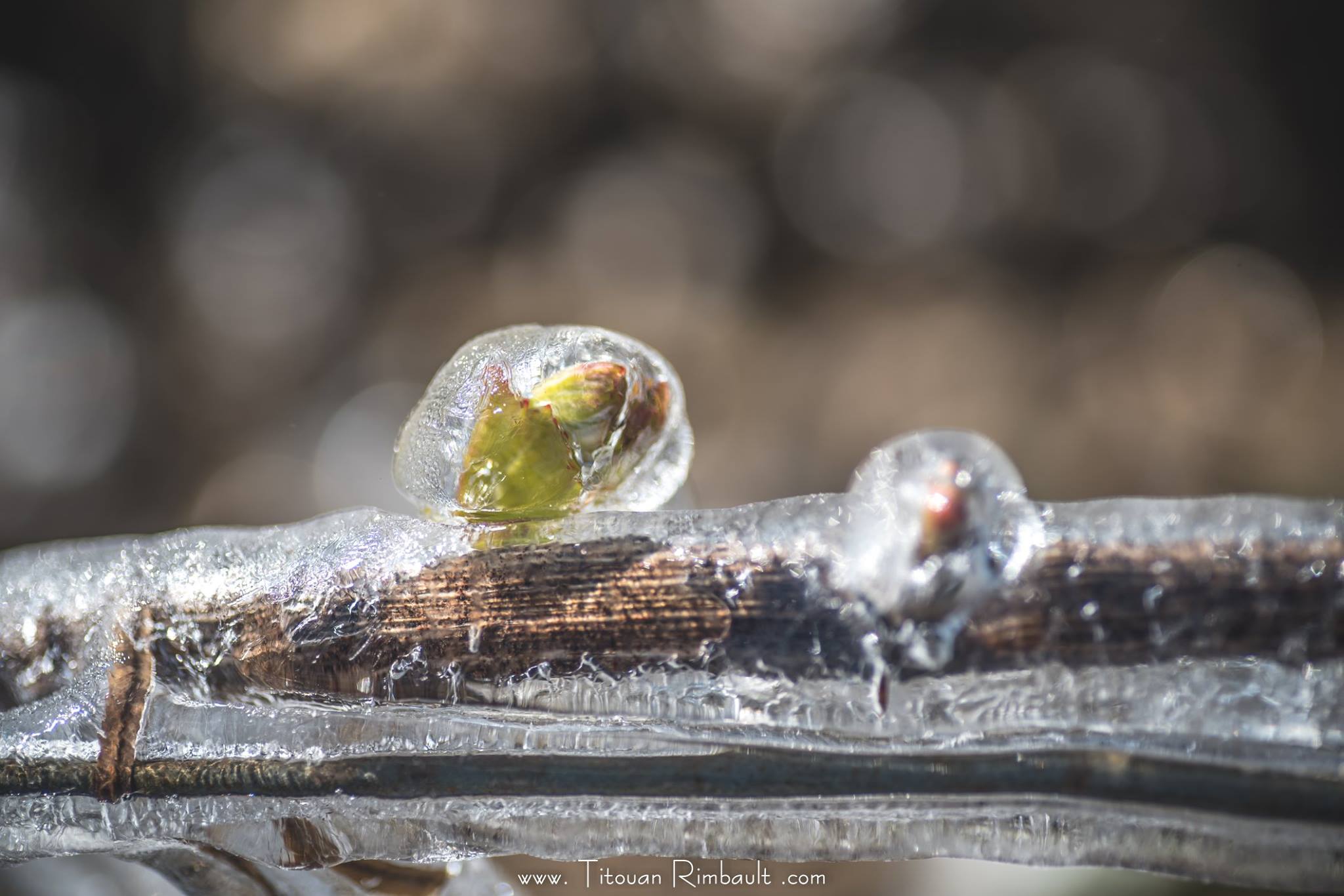
Grape and strawberry growers In New Brunswick are still assessing the damage, which has been significant, to their crops after a severe frost in the wee hours of Monday.
"You could take your fingernails and scrape the frost off the aluminum irrigation pipes," said David Walker of the Sunset U-pick in Fredericton.
He told that it was his irrigation system that allowed him to save most of his 10 acres of strawberry plants after temperatures dropped to –4 C and –5 C in some areas of the province.
"If you sprinkle the water on the plants, the water freezes, which saves the flowers from freezing and so on Monday we irrigated from about 4:10 until about 8 o'clock and we saved about 85 to 90 per cent of the flowers," he said.
Walker estimates the damage will still cost him $20,000.
For the Magnetic Hill Winery in Moncton, the damage could be even more costly.
Co-owner Zach Everett said it was "pretty discouraging" to see his vineyard covered in white on Monday morning.
"With grapes or perennial fruit, it takes years to recuperate from something like this, so we're actually scared of the production for next year ... really the next week or two will tell how severe next year's losses could even be," he said.
"In May it is one thing, but a frost in June is a completely different thing. Pretty much unheard of."
Many vineyards 'decimated'
Everett visited vineyards in Cap-Pelé and Kent County this week and said for some the frost damage has been devastating.
"On Monday I personally walked through over 50 acres of vines that are decimated. One hundred per cent loss. It's very disheartening."
Everett said with so much damage to his vineyard, he will now begin removing the damaged parts of the plants by hand.
"We're into something that we've never seen before, so there's actually a learning curve to how to get over or overcome this hurdle," he said.
"It's just like it came out of the freezer and it gets limp, it gets discoloured — what ends up happening is the water in the cells of the green growth froze and thawed and it kills the vine."
Walker doesn't have crop insurance and even if he did his losses weren't large enough to be covered, he said.
"In most of those insurance programs you have to lose anywhere from 20 to 30 per cent of your crop before they even kick in, so you just suck it up is what you do ... it's very difficult to predict and manage and you just kind of roll with the punches," he said.
Frosty nights still possible
Everett said that on the bright side, Magnetic Hill Winery is well positioned to "survive a crisis like this."
I really feel for those people in Maugerville — I mean they've taken a huge hit from the flood this year and then we get this.- David Walker
"We have a great abundance of things like strawberries and rhubarb and blueberries, maple syrup, so the consumers won't see less bottles on the shelves. They'll just be different bottles."
Walker said for him, it is upsetting to see the bright yellow centres of the strawberry blossoms now black, but he knows it could have been much worse.
"I really feel for those people in Maugerville — I mean they've taken a huge hit from the flood this year and then we get this."
It has been a particularly bad spring for frost, Walker said, with Monday's by far the worst.
And meteorologists say the Maritimes aren't out of the woods yet, with cold, clear nights still in the forecast.
Walker said the cool weather has set his strawberries back, but people will most likely be able to start picking on the first of July.
Source - http://www.cbc.ca