

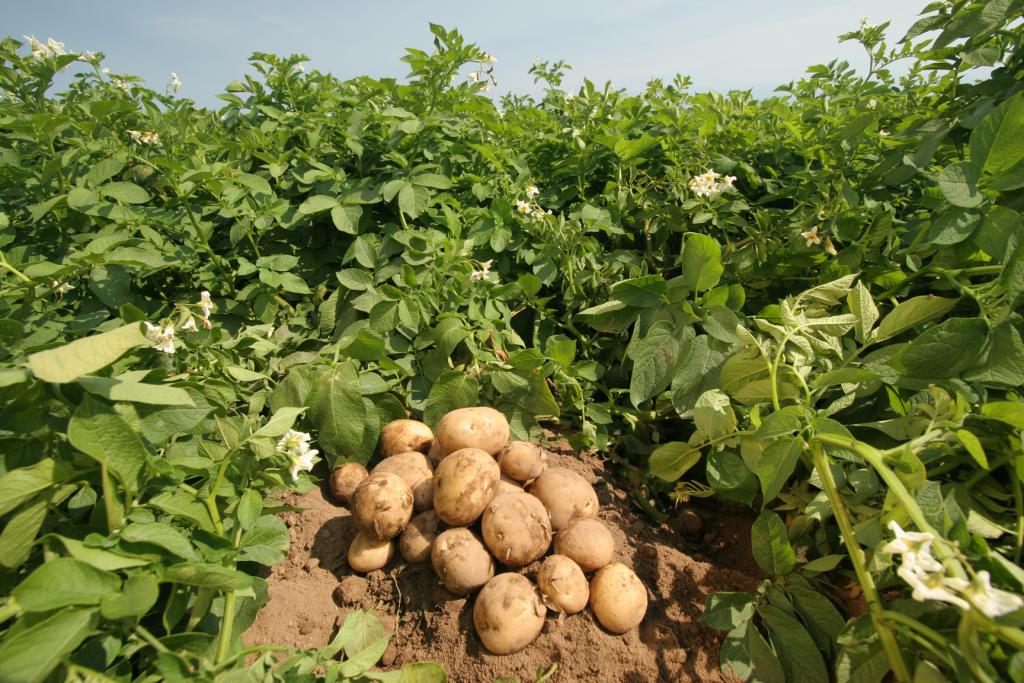
Canada - Potatoes left in field following poor autumn harvest conditions
15.11.2018 1351 views
Potato growers suffered major losses, and a lot of onions and carrots were never pulled from the ground this fall.
And some farmers are still out combining their corn and sunflowers over snow-covered fields.
But, by and large, cereal crops and most vegetables fared well despite a near-drought summer followed by a cold, wet fall.
"It just takes some patience this year," provincial crop analyst Anastasia Kubinec said.
The hardest hit were potato growers who couldn’t harvest eight per cent of their crop. About 5,200 of 64,000 planted acres weren’t harvested because fields didn’t dry out. Portage la Prairie farmers were hard hit, with several losing half their potatoes.
"It’s an unprecedented figure," Dan Sawatzky, general manager of the Keystone Potato Growers Association, said. "The potato producers association has been around for 50 years and never had to abandon that many acres."
Potato growers started harvests in the second week of September, and that’s when the cold, damp weather moved in.
"You can’t dig potatoes when the soil’s too wet," Sawatzky said. Then frost hit on Oct. 11 and the season was over.
Yields were averaging the third-best on record for what was harvested.
"It’s a huge impact. It could set some farms back four to five years as far as their ability to expand," Sawatzky said.
About 55 farms grow potatoes in Manitoba. Not all producers have crop insurance. But coverage levels range from 50 to 80 per cent, minus 15 per cent for not having to harvest the potatoes, of a 10-year average yield. That’s not great compensation with yields increasing in the past few years, Sawatzky said.
Some potatoes have already been imported from Alberta to supply processors. Some vegetable producers have reported a total loss of the onion crop, but Mayfair Farms near Portage only lost 20 per cent of its crop, manager Melanie Moran said.
"We mostly hobbled through it. It was a different harvest," she said.
About 80 acres of carrots went unharvested at Jeffries Brothers Vegetable Farms, owner Roland Jeffries said.
"We had to leave some in the ground because it was too wet. We just couldn’t get out and dig," Jeffries said. Jeffries Brothers also grows parsnips, zucchini, asparagus, red beets and strawberries.
There are some crop producers with 80 per cent of their corn still in the field in southwestern Manitoba, said Bill Campbell, Keystone Agricultural Producers’ president.
There are still a few fields of wheat and canola that were not harvested, added Campbell, who farms near Minot, south of Brandon. Cereal crops harvested late are typically downgraded to Grade 3 or feed grade, he said.
It could have been a lot worse, Campbell said.
"For the most part, agriculture had a surprisingly good year," he said.
The last provincial crop report at the end of October estimated 20 per cent of sunflowers and 40 per cent of corn was still in the fields.
"It’s not the weather anymore" that’s preventing those crops from being harvested but "drying capacity," crop analyst Kubinec said.
"Producers are taking crop off and drying it as they go. Or, if they don’t have a dryer, they’re waiting until it gets a bit colder so it’s not as high in moisture content," she said. "As long as we don’t get six feet of snow, combining in these conditions is no issue. It’s actually easier now because the ground is frozen solid."
Source - https://www.winnipegfreepress.com
EVENTS

ScaleAgData Stakeholder Engagement Event
22.10.2024The ScaleAgData project is pleased to invite you to our second stakeholder event. Building on the discussions and connections formed during our first webinar, this event will focus on fostering collaboration among stakeholders, providing updates on our project’s progress, and outlining future opportunities for engagement.

09.04.2026
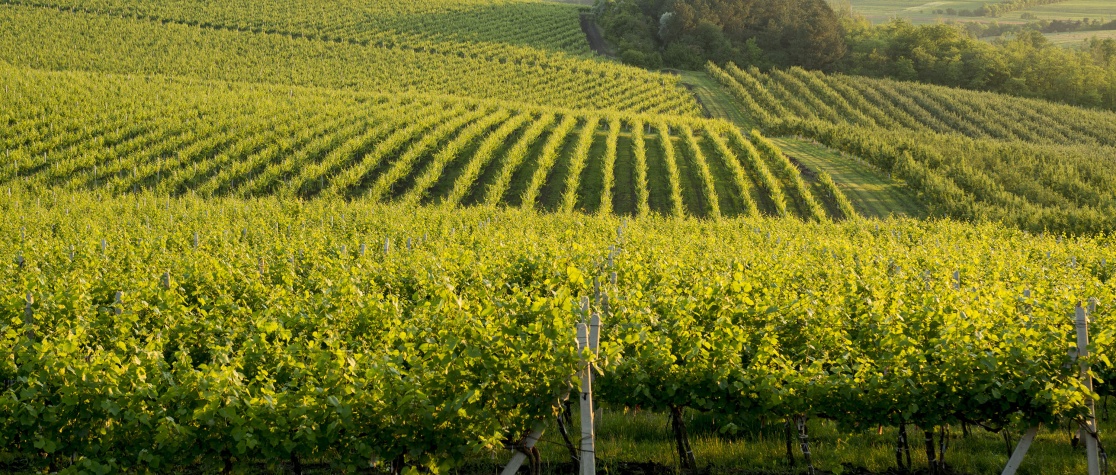
Moldova - Farmers received 117 million lei in insurance subsidies
The Agency for Investments and Payments in Agriculture (AIPA) announced that it has completed the payment of insurance subsidies (70% of the amount of insurance premiums) for 654 farmer applications received between February 1 and September 30, 2025. The total amount of subsidies to this category for last year amounted to LE 117.08 million.
09.04.2026
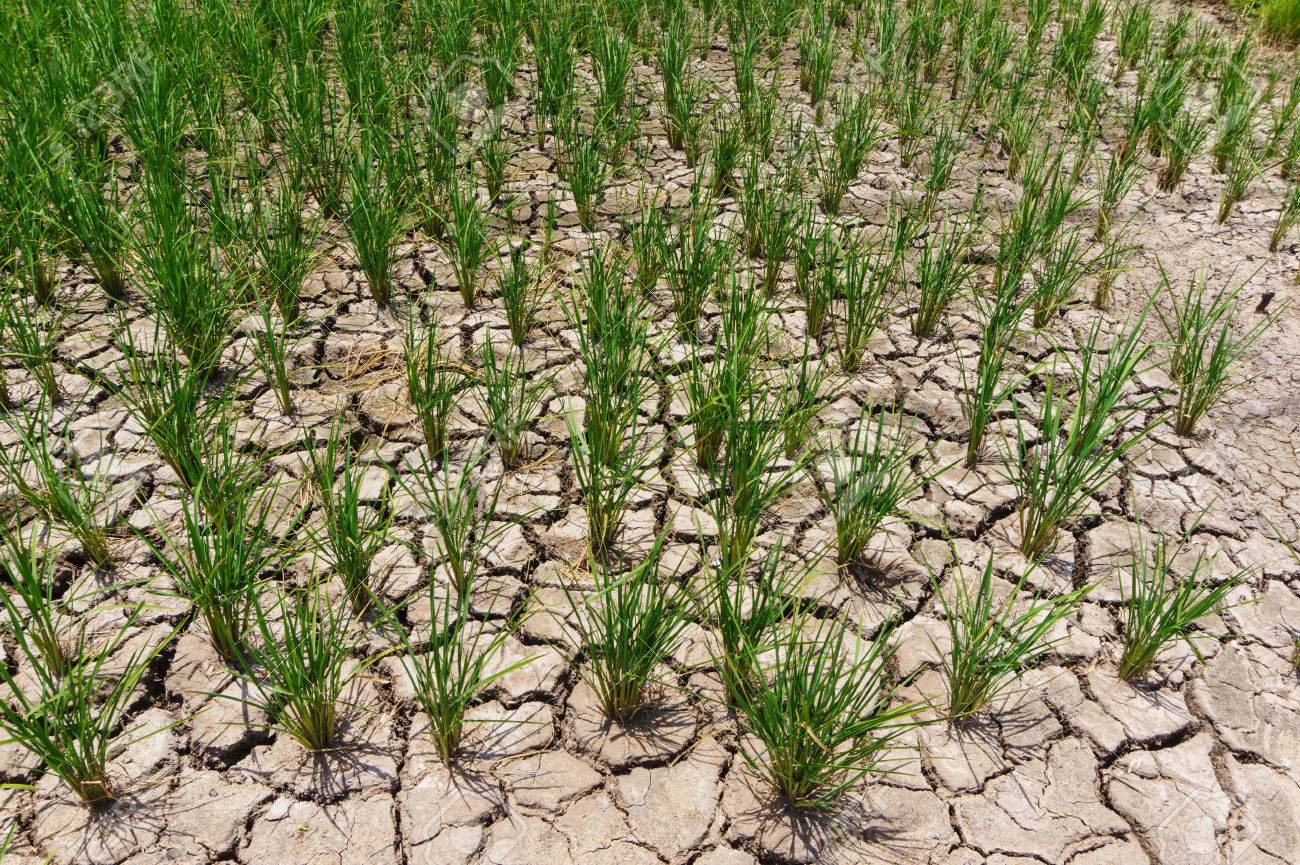
Philippines - Antique farmers urged to plant drought-resistant crops ahead of El Niño
The Antique Office of the Provincial Agriculturist is advising farmers to grow drought-resistant crops in preparation for the possible effects of El Niño.
09.04.2026

India - Farmers Urge Govt To Work On Climate Change Policy, Develop Climate-Resilient Crop Varieties
Farmers who lost their Rabi crops due to untimely hailstorms, rain, and strong winds say compensation is not a foolproof solution to the issue. Instead, the government should develop a comprehensive climate change policy and focus on developing climate-resilient crop varieties, seeds that can withstand excess moisture, resist lodging from strong winds, or mature early enough to escape erratic weather.
09.04.2026
Farmers proffer solutions to tackle Nigeria’s $10bn annual post-harvest losses
Some farmers in the country have proffered workable solutions to address Nigeria’s growing post-harvest losses estimated at $10 billion annually.
09.04.2026

India - Pre-monsoon season emerging as new high-risk period for crops, analysis shows
The monsoon has long been seen as the most destructive season for Indian agriculture, with heavy rains and floods between June and September damaging crops across large areas.
09.04.2026

Azerbaijan plans to insure new crops and boost payments for flood damages
The scope of the agricultural insurance system in Azerbaijan is being expanded, and along with the insurance of new products, the volume of payments for flood and inundation losses is expected to increase, Deputy Chairperson of the Agricultural Insurance Fund (AIF), Laman Aliyeva-Mamishova, told Trend.
08.04.2026
South Korean hail damages 802 hectares of crops in South Jeolla
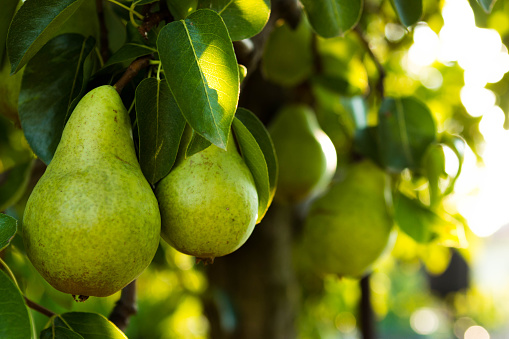
In South Jeolla Province, a hailstorm caused damage to more than 800 hectares of crops, with the impact concentrated in Naju, the country's main pear production area. This has raised concerns about the 2026 harvest.
08.04.2026
Corn leafhopper caused US$25.8 billion loss over four years in Brazil
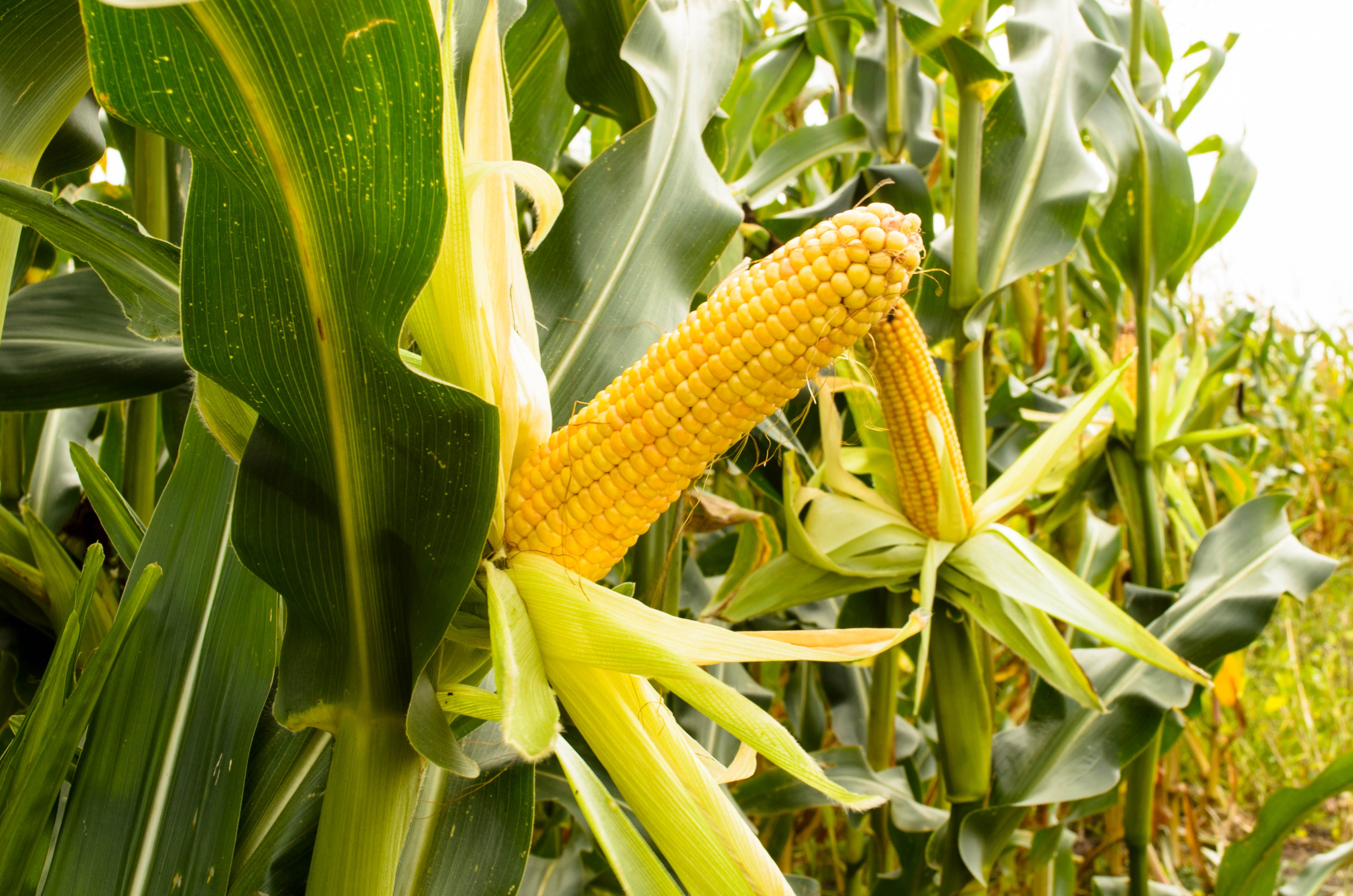
The corn leafhopper (Dalbulus maidis), which is considered the crop’s main pest, has caused billions in losses to Brazilian production. A new study has quantified the economic impact of corn stunt diseases on Brazilian production.
