

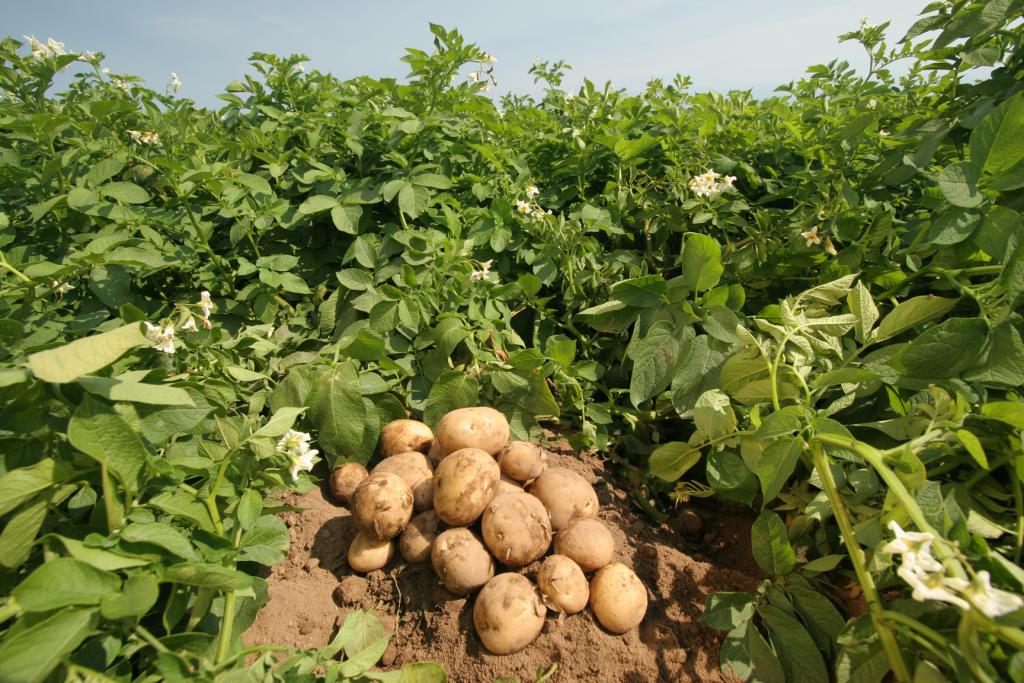
Canada - Potatoes left in field following poor autumn harvest conditions
15.11.2018 1556 views
Potato growers suffered major losses, and a lot of onions and carrots were never pulled from the ground this fall.
And some farmers are still out combining their corn and sunflowers over snow-covered fields.
But, by and large, cereal crops and most vegetables fared well despite a near-drought summer followed by a cold, wet fall.
"It just takes some patience this year," provincial crop analyst Anastasia Kubinec said.
The hardest hit were potato growers who couldn’t harvest eight per cent of their crop. About 5,200 of 64,000 planted acres weren’t harvested because fields didn’t dry out. Portage la Prairie farmers were hard hit, with several losing half their potatoes.
"It’s an unprecedented figure," Dan Sawatzky, general manager of the Keystone Potato Growers Association, said. "The potato producers association has been around for 50 years and never had to abandon that many acres."
Potato growers started harvests in the second week of September, and that’s when the cold, damp weather moved in.
"You can’t dig potatoes when the soil’s too wet," Sawatzky said. Then frost hit on Oct. 11 and the season was over.
Yields were averaging the third-best on record for what was harvested.
"It’s a huge impact. It could set some farms back four to five years as far as their ability to expand," Sawatzky said.
About 55 farms grow potatoes in Manitoba. Not all producers have crop insurance. But coverage levels range from 50 to 80 per cent, minus 15 per cent for not having to harvest the potatoes, of a 10-year average yield. That’s not great compensation with yields increasing in the past few years, Sawatzky said.
Some potatoes have already been imported from Alberta to supply processors. Some vegetable producers have reported a total loss of the onion crop, but Mayfair Farms near Portage only lost 20 per cent of its crop, manager Melanie Moran said.
"We mostly hobbled through it. It was a different harvest," she said.
About 80 acres of carrots went unharvested at Jeffries Brothers Vegetable Farms, owner Roland Jeffries said.
"We had to leave some in the ground because it was too wet. We just couldn’t get out and dig," Jeffries said. Jeffries Brothers also grows parsnips, zucchini, asparagus, red beets and strawberries.
There are some crop producers with 80 per cent of their corn still in the field in southwestern Manitoba, said Bill Campbell, Keystone Agricultural Producers’ president.
There are still a few fields of wheat and canola that were not harvested, added Campbell, who farms near Minot, south of Brandon. Cereal crops harvested late are typically downgraded to Grade 3 or feed grade, he said.
It could have been a lot worse, Campbell said.
"For the most part, agriculture had a surprisingly good year," he said.
The last provincial crop report at the end of October estimated 20 per cent of sunflowers and 40 per cent of corn was still in the fields.
"It’s not the weather anymore" that’s preventing those crops from being harvested but "drying capacity," crop analyst Kubinec said.
"Producers are taking crop off and drying it as they go. Or, if they don’t have a dryer, they’re waiting until it gets a bit colder so it’s not as high in moisture content," she said. "As long as we don’t get six feet of snow, combining in these conditions is no issue. It’s actually easier now because the ground is frozen solid."
Source - https://www.winnipegfreepress.com
EVENTS

ScaleAgData Stakeholder Engagement Event
22.10.2024The ScaleAgData project is pleased to invite you to our second stakeholder event. Building on the discussions and connections formed during our first webinar, this event will focus on fostering collaboration among stakeholders, providing updates on our project’s progress, and outlining future opportunities for engagement.
RISK EVENTS

Moldova - May frosts caused heavy damage to fruit orchards
10.05.2026The first frosty nights of May have significantly worsened estimates of damage to Moldova's fruit sector from spring frosts. According to initial assessments by fruit market operators, between a quarter and a third of the country's total orchard area was seriously affected.
13.09.2026
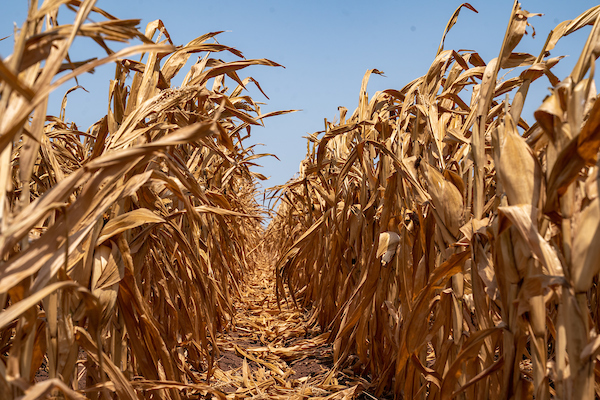
USA - Kansas Corn Crop Hit Hard as Extreme Heat and Drought Slash 2026 Yield Potential
Kansas corn faces major yield losses as extreme heat, drought and hot winds damage dryland fields, accelerate harvest and pressure farm margins.
13.09.2026
Generational renewal challenges Spain’s fruit and vegetable sector
John F. Kennedy once said: "Change is the law of life. And those who look only to the past or present are certain to miss the future." The quote is relevant to the challenge of generational renewal in Spain's fruit and vegetable sector.
13.09.2026

Sri Lanka - WNPS marks first livestock insurance payout against leopard predation
The Wildlife and Nature Protection Society (WNPS), together with UNDP Sri Lanka through the BIOFIN (Biodiversity Finance Initiative) and LOLC Holdings PLC, marked an important milestone in promoting human-leopard coexistence by presenting the first compensation payment under the Livestock Insurance Scheme and launching the construction of the first predator-proof community cattle pen in the Sigiriya landscape.
13.09.2026
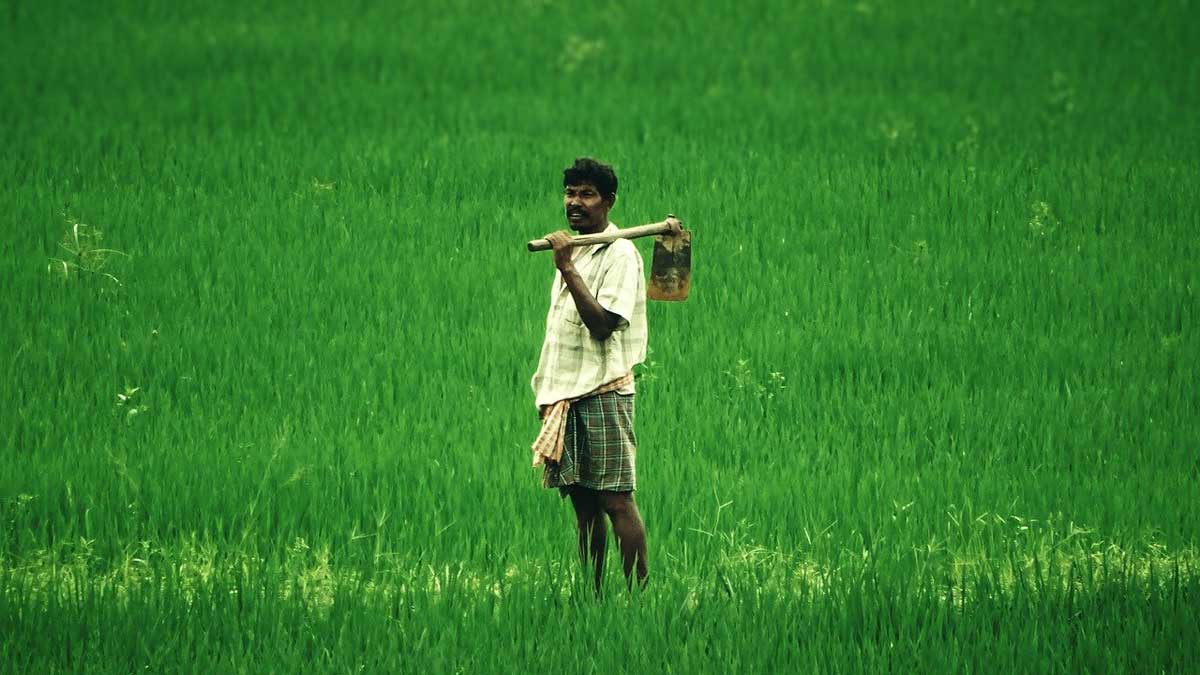
India - State govt disburses Rs 104 crore crop loss relief to over 1 lakh farmers
The state govt on Friday transferred Rs 104.46 crore directly into the bank accounts of 1,17,708 farmers under the Bihar State Crop Assistance Scheme to compensate them for crop losses suffered during the Kharif 2024 season.
13.09.2026
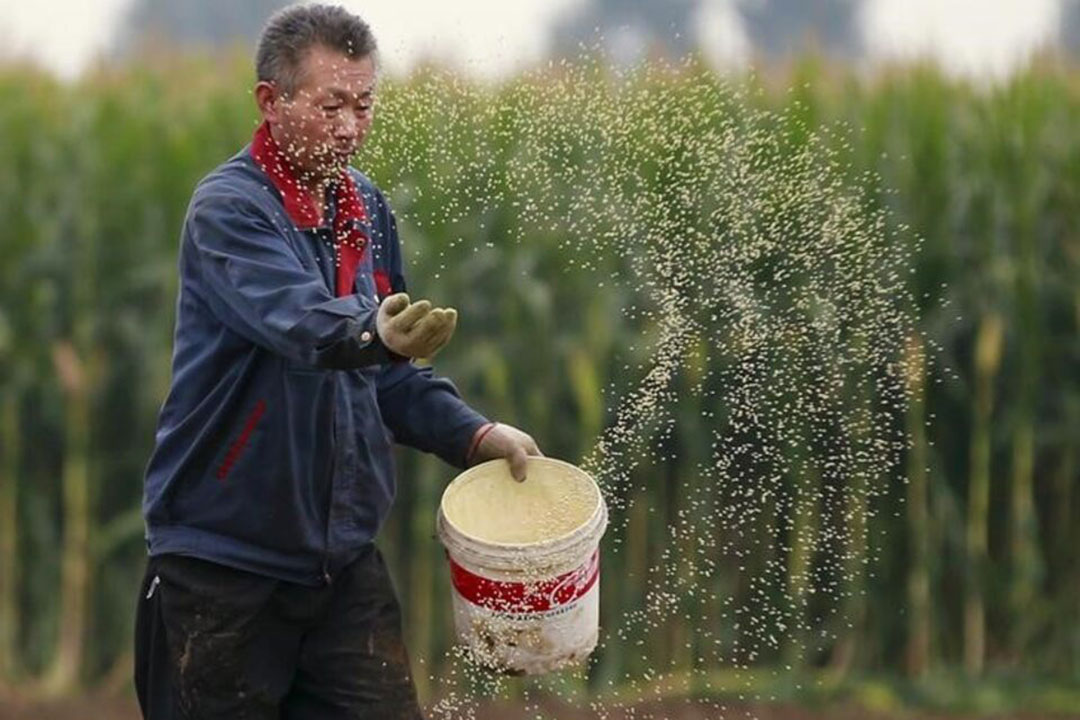
China unveils plan to expand agricultural insurance coverage
China on Friday released an implementation plan to strengthen agricultural insurance development that it says aims to help stabilise farmers' incomes and strengthen food security, reported Reuters.
13.09.2026
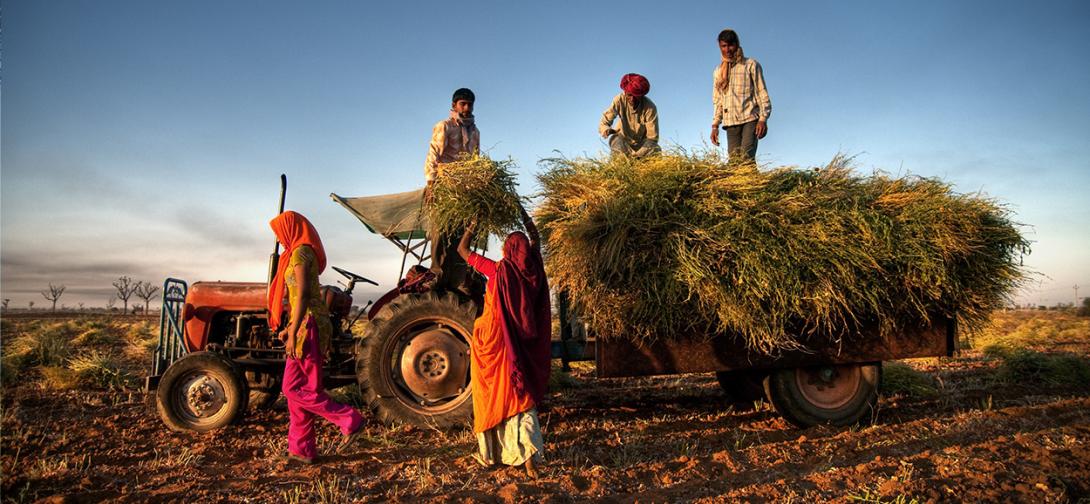
India - B R Patil seeks transparent crop-cutting surveys for insurance compensation
He says, officials should select fields for surveys in presence of farmers.
10.09.2026
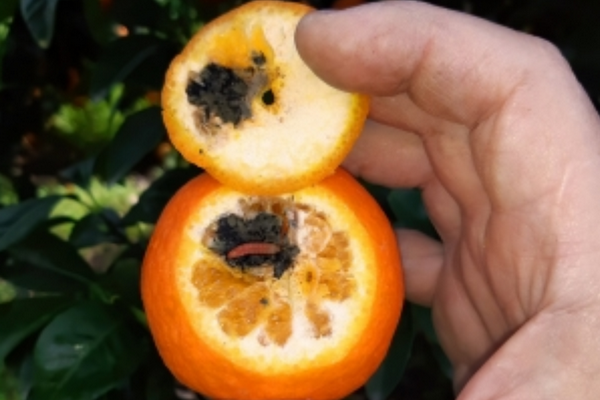
AVA-ASAJA urges the EU to enforce cold treatment standards on South Africa
The EU's TRACES platform has reported another detection of the false moth (Thaumatotibia leucotreta) in oranges from South Africa.
10.09.2026

India - Andaman Farmers Trained in Modern Goat Farming, Livestock Insurance and Institutional Credit
Farmers in New Bimblitan received practical training on modern goat farming, with the Department of Animal Husbandry and Veterinary Services focusing on scientific livestock management and access to government support schemes.
