

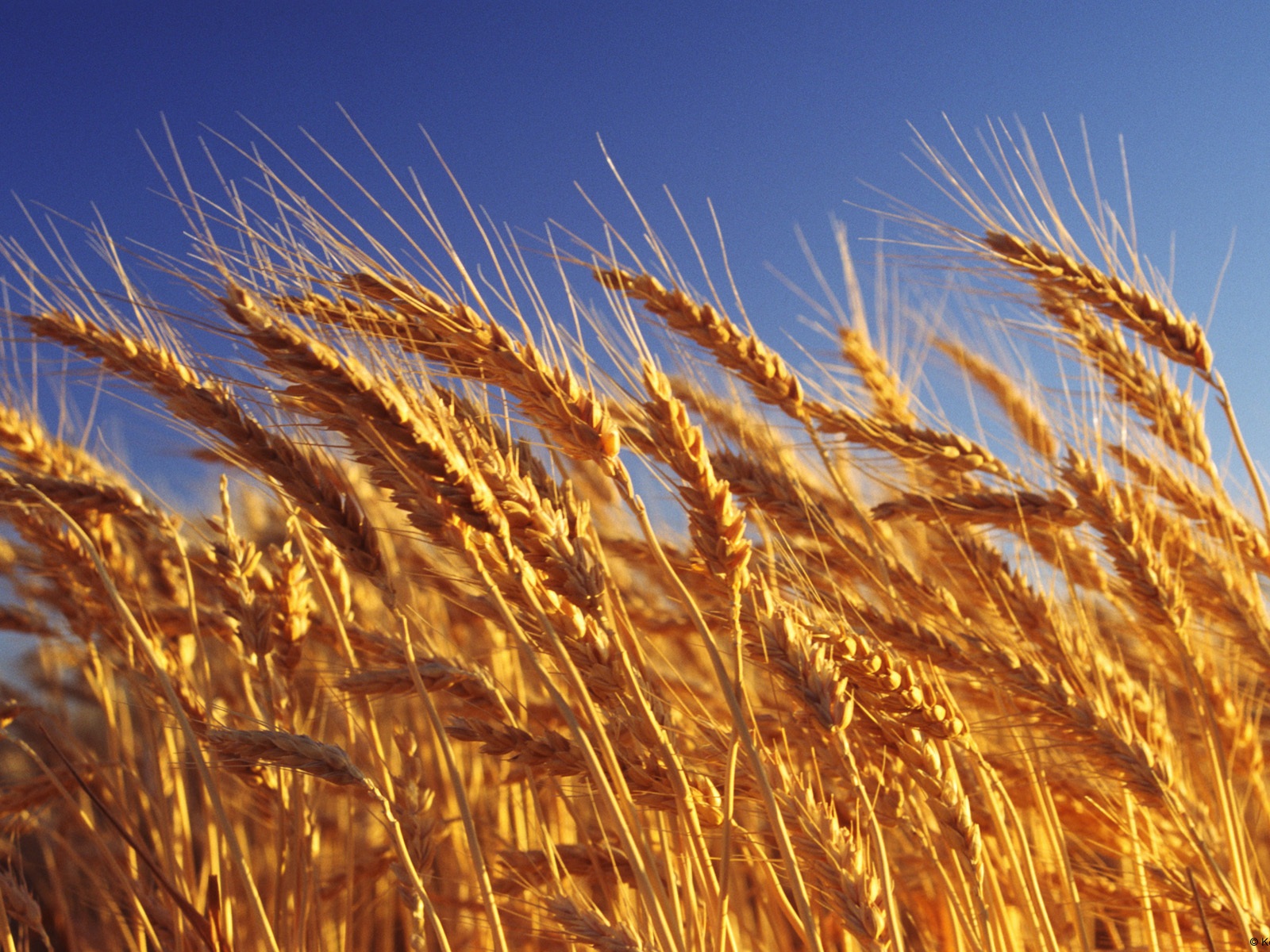
Canada - Weather leaves $3 billion worth of grain unharvested
16.10.2018 1092 views
Prolonged droughts, snowfall, and other extremes of weather brought about by global warming have played havoc on the agricultural sector globally. And in Canada, climate change is already hammering the economy to the tune of billions of dollars.
“It is becoming increasingly clear that in some regions, the harvest will not be able to be completed this fall,” Jeff Nielsen, the president of the Grain Growers of Canada, wrote in a letter to Agriculture Minister Lawrence MacAulay on Thursday.
“For farmers (who) will have to cope with grain left in the field, the impacts have the potential to be quite severe, including interest charges due to missed financing payments, and lost revenue due to a degradation of grain quality over the winter.”
In Alberta's Lac Ste. Anny County, growers have only harvested 15.7 percent of their crops. This depressing news forced the municipality to issue a statement: “In response to a dire feed shortage amongst local livestock producers – coupled with a significant inventory of immature, unharvested crop remaining in the field – County Council has declared a State of Agricultural Disaster within Lac Ste. Anny County."
As of Oct. 10, the Alberta Wheat Commission said only 26 percent of the province’s high-value canola crop has been harvested. Pulses sit at 34 percent harvested, wheat at 57 percent and barley at 57 percent. This amounts to about 3.2 million hectares (7.8 million acres) left unharvested across the province.
Harvests in parts of Saskatchewan and Manitoba have also been delayed because of snowfall. In Saskatchewan, the weather has slowed harvest across much of the region and stopped harvests completely in northern areas of the province.
Global and market impacts
Canadian grain growers are facing an unfortunate loss of revenues this year. Canada is one of the world’s top wheat suppliers and the biggest canola exporter. The U.S.-China trade war, along with a drought that hurt Australia and Russia's wheat production this year had Canada looking at increasing its market share in the global crop trade.
Actually, global wheat issues drove December futures in Chicago up 7.3 percent this year to close at $5.1725 a bushel on Friday. And while Russia hasn’t curbed exports and Canada’s shipments have yet to significantly slow, if weather problems continue, the market will deteriorate.
There are ships sitting idle in Vancouver - waiting for grain.
“Vessels arriving now were booked back in early August when no one would have guessed we’d be getting this kind of weather,” said Mark Hemmes, president of Edmonton, Alberta-based Quorum Corp., a company hired by the federal government to monitor Canada’s grain transportation system. “Not a good start to the shipping season.”
“It’s definitely a stressful time for farmers,” said Daryl Fransoo, who has yet to harvest 4,400 acres of canola on his farm 50 miles north of North Battleford, Saskatchewan. “There’s a lot of guys that are down in the dumps right now.”
Source - http://www.digitaljournal.com
EVENTS

ScaleAgData Stakeholder Engagement Event
22.10.2024The ScaleAgData project is pleased to invite you to our second stakeholder event. Building on the discussions and connections formed during our first webinar, this event will focus on fostering collaboration among stakeholders, providing updates on our project’s progress, and outlining future opportunities for engagement.
RISK EVENTS

Moldova - May frosts caused heavy damage to fruit orchards
10.05.2026The first frosty nights of May have significantly worsened estimates of damage to Moldova's fruit sector from spring frosts. According to initial assessments by fruit market operators, between a quarter and a third of the country's total orchard area was seriously affected.
07.10.2026
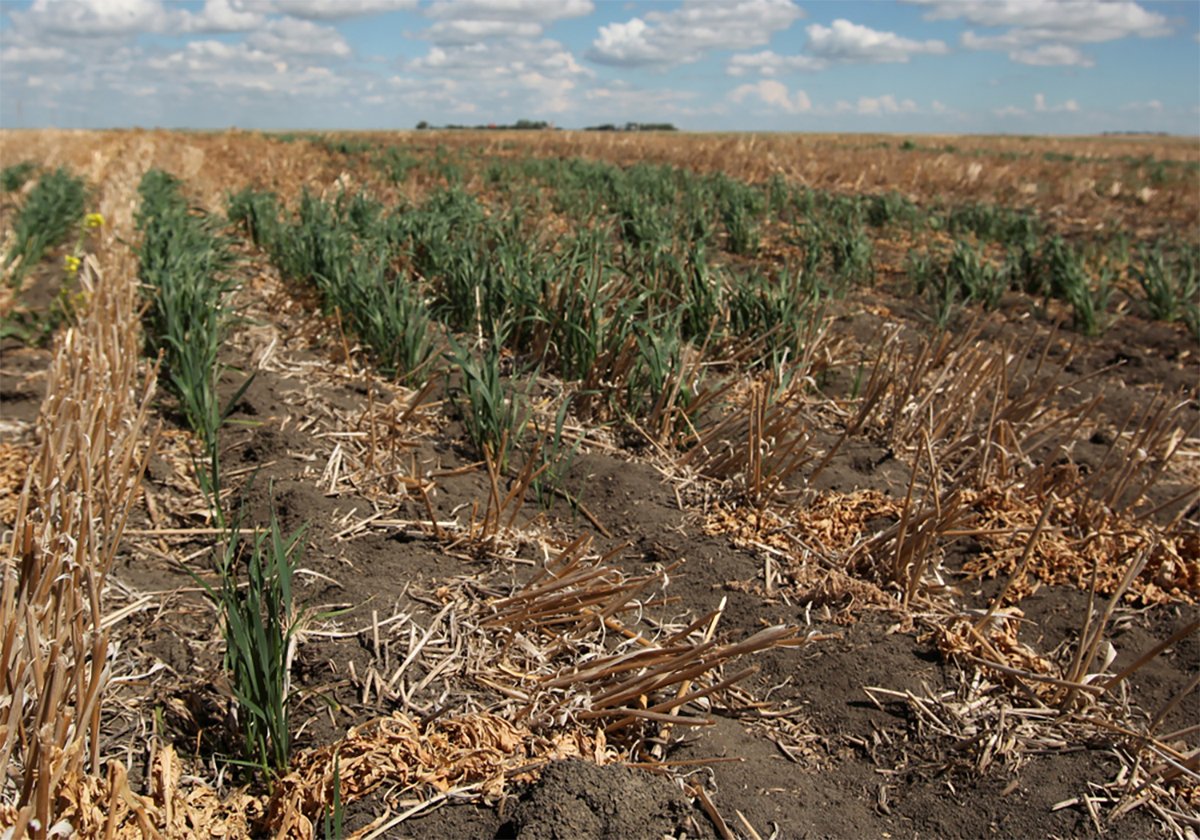
India - Goa paddy crop hit by rainfall deficit, around 20 hectares affected
Goa’s paddy crop has been affected by deficient monsoon rainfall, with preliminary reports estimating damage to around 20 hectares of cultivated fields across the state.
07.10.2026
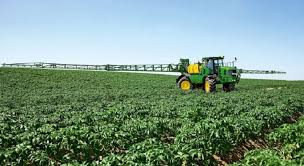
Post-Harvest Loss: How NASENI’s Local Innovations Are Safeguarding Nigeria’s Agricultural Yields
Every year, Nigerian farmers face a quiet tragedy that unfolds long after seeds are sown and crops are nurtured. Beneath the scorching sun, vast fields produce abundance, only for a staggering percentage of this yield to rot in transit, spoil in sub-optimal storage, or decay due to lack of immediate processing infrastructure.
07.10.2026
USA - As Farm Bill expires, Kentucky farmers could be left without crucial support
Agriculture leaders say delay could worsen already difficult year.
07.10.2026

Sri Lanka - Govt considers insurance or compensation scheme for coconut crop damage
The Government is considering introducing an insurance scheme or suitable compensation mechanism for damage to coconut cultivation, Minister of Plantations and Community Infrastructure Samantha Vidyaratne has said.
07.10.2026
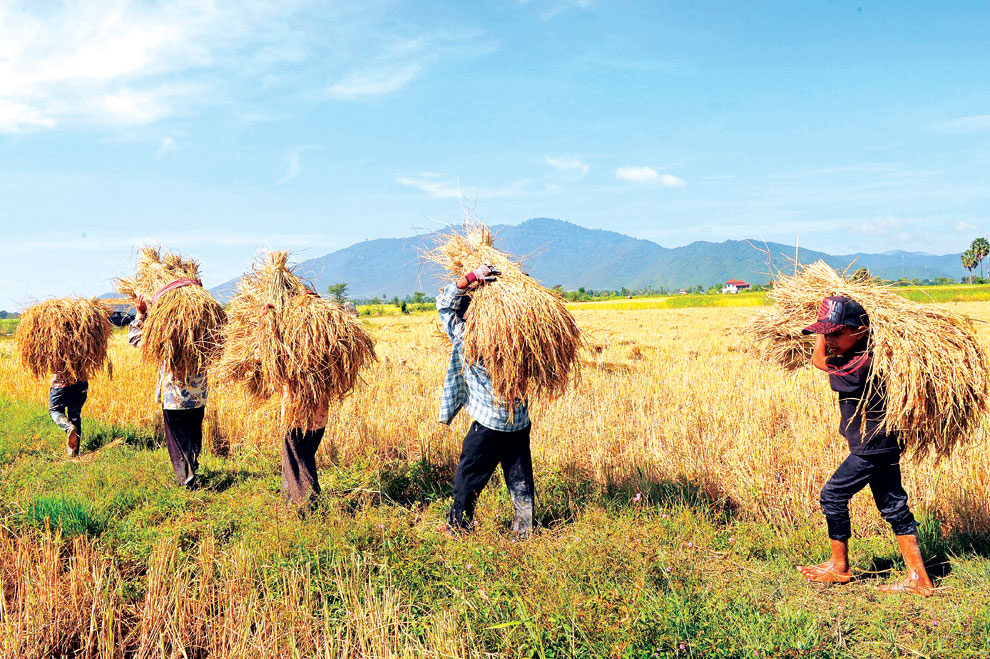
Cambodia - MAFF plans crop insurance and solar irrigation for modern cooperatives
The Ministry of Agriculture, Forestry and Fisheries (MAFF) is evaluating a disaster-related insurance scheme for modern agricultural cooperatives. Coupled with solar-powered irrigation initiatives, the move aims to strengthen climate resilience and guarantee long-term agricultural production.
07.10.2026
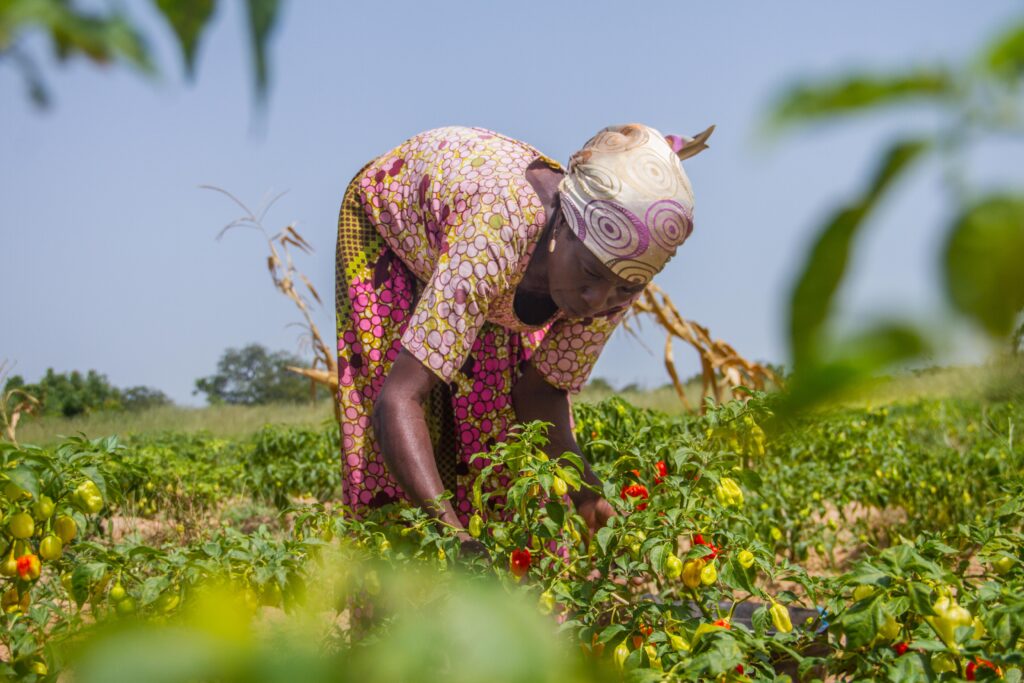
Climate risk mitigation project implemented in northern Ghana
The Ghana Agricultural Insurance Pool (GAIP) and its partners have rolled out a unique insurance product for farmers in the northern part of the country to help them mitigate the negative impacts of climate change.
05.10.2026
Moldova receives 185 bids for crop insurance aid
Moldovan agricultural producers submitted 185 applications totaling roughly €0.98 million (approx. 19.64 million MDL) to subsidize insurance premiums for 2025 contracts, the country's farm payment agency announced following the close of its September call.
05.10.2026
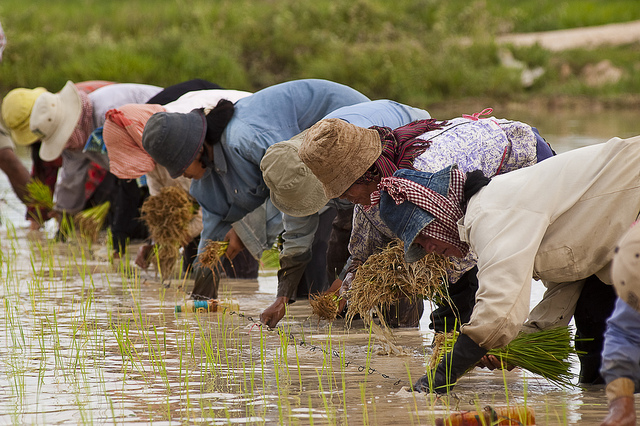
Climate Risks Push Cambodia to Consider Crop Insurance for Farmers
Droughts, floods and rising temperatures are putting Cambodia’s farmers under growing financial pressure, prompting the Ministry of Agriculture to consider crop insurance as a way to protect farmers from losses.
