

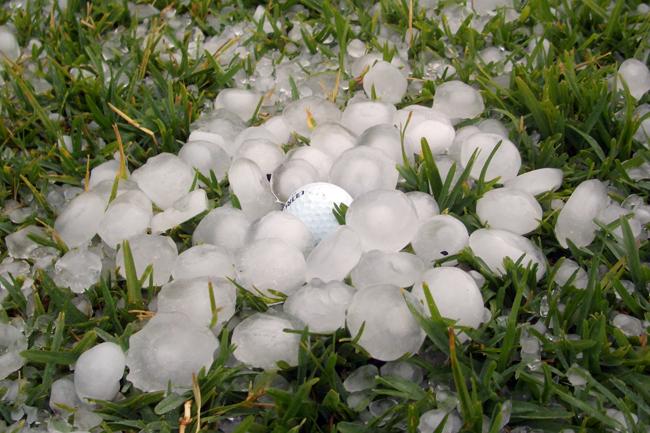
Chile - Considerable damage to cherries, blueberries from major hailstorm
15.11.2018 1067 views
A major hailstorm has hit fruit production in Chile’s central and southern regions, and although damage assessments are still being made, it seems that there have been significant losses for numerous crops including cherries.
The adverse weather event struck on Monday between the Metropolitan and Biobio regions, with the most severe impacts being reported in the foothill areas of the mountains.
While there was also heavy rainfall, most of the damage to fruit production was caused by unusually large hailstones, which appear to have had the biggest impact in the central O’Higgins region.
The storm comes at a key time as harvesting ramps up for many fruits including cherries, blueberries and stonefruit. However, evaluations on the full impact on the country’s fruit production are not expected to become clear for some time.
Jorge Valenzuela, president of the Chilean Federation of Fruit Producers, told Fresh Fruit Portal that the hailstorm had three notable characteristics – the large area it affected, its duration (around 20 to 30 minutes), and the size of the hailstones.
Sofía Silva, O’Higgins regional director of ProChile, said that the weather event has caused varying degrees of damage in various areas.
“The extent of the damage varied from hectare to hectare depending on where the farms are based,” she said.
“In Codegua, there are farms on which there has been 100 percent damage to the crops, which include stonefruit, cherries, plums, nectarines, kiwifruit and pome fruit.”
“We have advisers who have informed us that there are damages of around 80 percent in the Codegua area on different fruit crops,” Valenzuela added.
He said that there will also be an increased risk of diseases or fungi developing due to the rains.
In addition to the O’Higgins region, Valenzuela explained there had been damage further south in the country in the foothills of the mountains near Linares, Parral and Chillan.
He said that in these areas blueberries seemed to be the most affected crop, “with significant losses and fruit having fallen to the ground.”
The amount of fruit production known to have been damaged by the hail could increase over the coming days as growers further evaluate the impacts, he said.
“There is still the fruit that was struck, but that is not yet showing signs of physical damage,” said Silva.
Joaquin Arriagada, regional agriculture secretary for the O’Higgins region, told Fresh Fruit Portal that a census is being carried out to quantify the damage.
He said that some 212 growers were visited on Tuesday, with the surveyors evaluating the damage across 1,000 hectares. The level of damage ranges from 20 – 100 percent.
In the surveyed area, “we are talking about losses of 20 percent for the Lapins cherry variety, between 40 – 50 percent for Rainier cherries, and 100 percent for peaches in some areas of Codegua,” he said.
Meanwhile, Agriculture Minister Antonio Walker said on Tuesday that the damage was being evaluated across the country.
“We are assessing the damages, we don’t want to give a figure just yet. But what we do want to say is that we are going to support the farmers, we are already present in the affected areas to evaluate the situation, because the effects are quite a lot more severe than what we initially thought,” he said.
He added: “There has been really severe damage, especially in fruits and vegetables. In fruits, we are in a phenological state, which is when the fruit has recently set, and this is also the fruit’s most delicate stage and we have considerable damage in cherries, plums, nectarines, peaches, blueberries, apples and pears.”
Source - https://www.freshfruitportal.com
EVENTS

ScaleAgData Stakeholder Engagement Event
22.10.2024The ScaleAgData project is pleased to invite you to our second stakeholder event. Building on the discussions and connections formed during our first webinar, this event will focus on fostering collaboration among stakeholders, providing updates on our project’s progress, and outlining future opportunities for engagement.
RISK EVENTS

Moldova - May frosts caused heavy damage to fruit orchards
10.05.2026The first frosty nights of May have significantly worsened estimates of damage to Moldova's fruit sector from spring frosts. According to initial assessments by fruit market operators, between a quarter and a third of the country's total orchard area was seriously affected.
13.09.2026
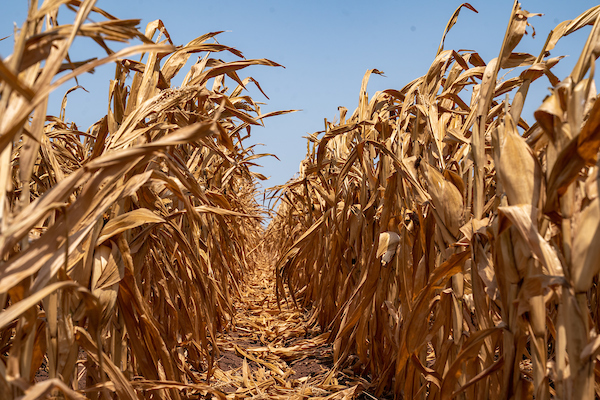
USA - Kansas Corn Crop Hit Hard as Extreme Heat and Drought Slash 2026 Yield Potential
Kansas corn faces major yield losses as extreme heat, drought and hot winds damage dryland fields, accelerate harvest and pressure farm margins.
13.09.2026
Generational renewal challenges Spain’s fruit and vegetable sector
John F. Kennedy once said: "Change is the law of life. And those who look only to the past or present are certain to miss the future." The quote is relevant to the challenge of generational renewal in Spain's fruit and vegetable sector.
13.09.2026

Sri Lanka - WNPS marks first livestock insurance payout against leopard predation
The Wildlife and Nature Protection Society (WNPS), together with UNDP Sri Lanka through the BIOFIN (Biodiversity Finance Initiative) and LOLC Holdings PLC, marked an important milestone in promoting human-leopard coexistence by presenting the first compensation payment under the Livestock Insurance Scheme and launching the construction of the first predator-proof community cattle pen in the Sigiriya landscape.
13.09.2026
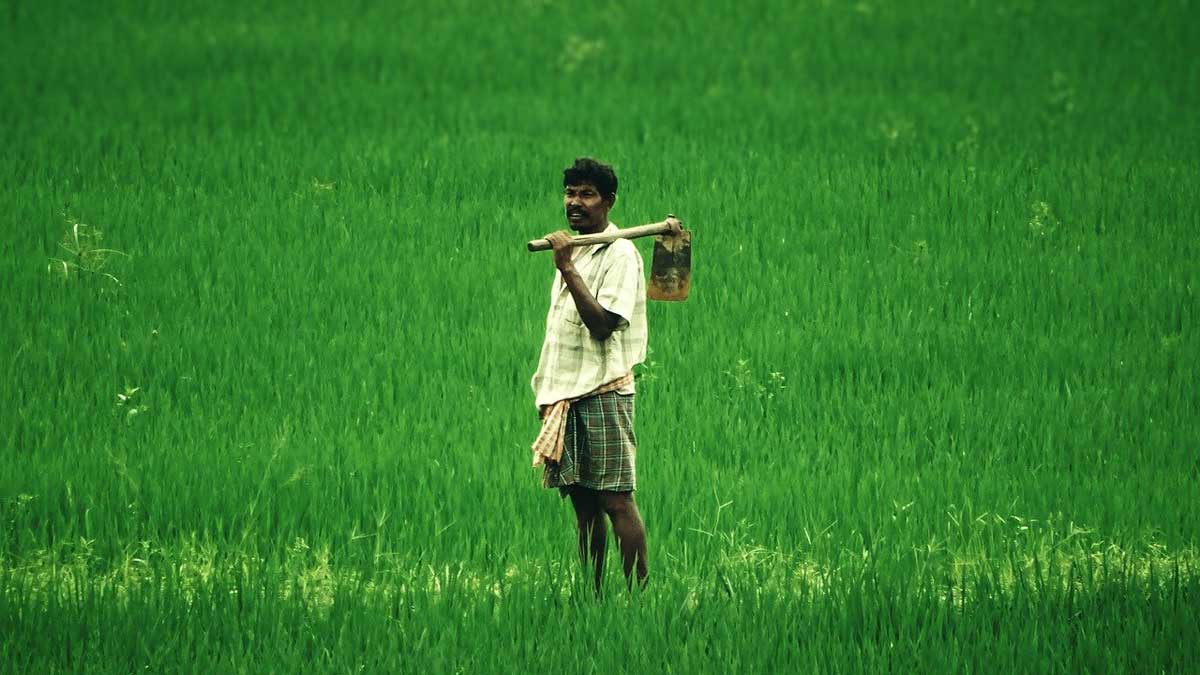
India - State govt disburses Rs 104 crore crop loss relief to over 1 lakh farmers
The state govt on Friday transferred Rs 104.46 crore directly into the bank accounts of 1,17,708 farmers under the Bihar State Crop Assistance Scheme to compensate them for crop losses suffered during the Kharif 2024 season.
13.09.2026
China unveils plan to expand agricultural insurance coverage
China on Friday released an implementation plan to strengthen agricultural insurance development that it says aims to help stabilise farmers' incomes and strengthen food security, reported Reuters.
13.09.2026
India - B R Patil seeks transparent crop-cutting surveys for insurance compensation
He says, officials should select fields for surveys in presence of farmers.
10.09.2026
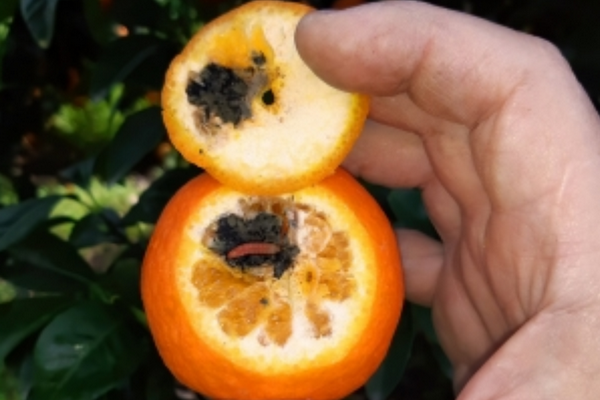
AVA-ASAJA urges the EU to enforce cold treatment standards on South Africa
The EU's TRACES platform has reported another detection of the false moth (Thaumatotibia leucotreta) in oranges from South Africa.
10.09.2026

India - Andaman Farmers Trained in Modern Goat Farming, Livestock Insurance and Institutional Credit
Farmers in New Bimblitan received practical training on modern goat farming, with the Department of Animal Husbandry and Veterinary Services focusing on scientific livestock management and access to government support schemes.
