

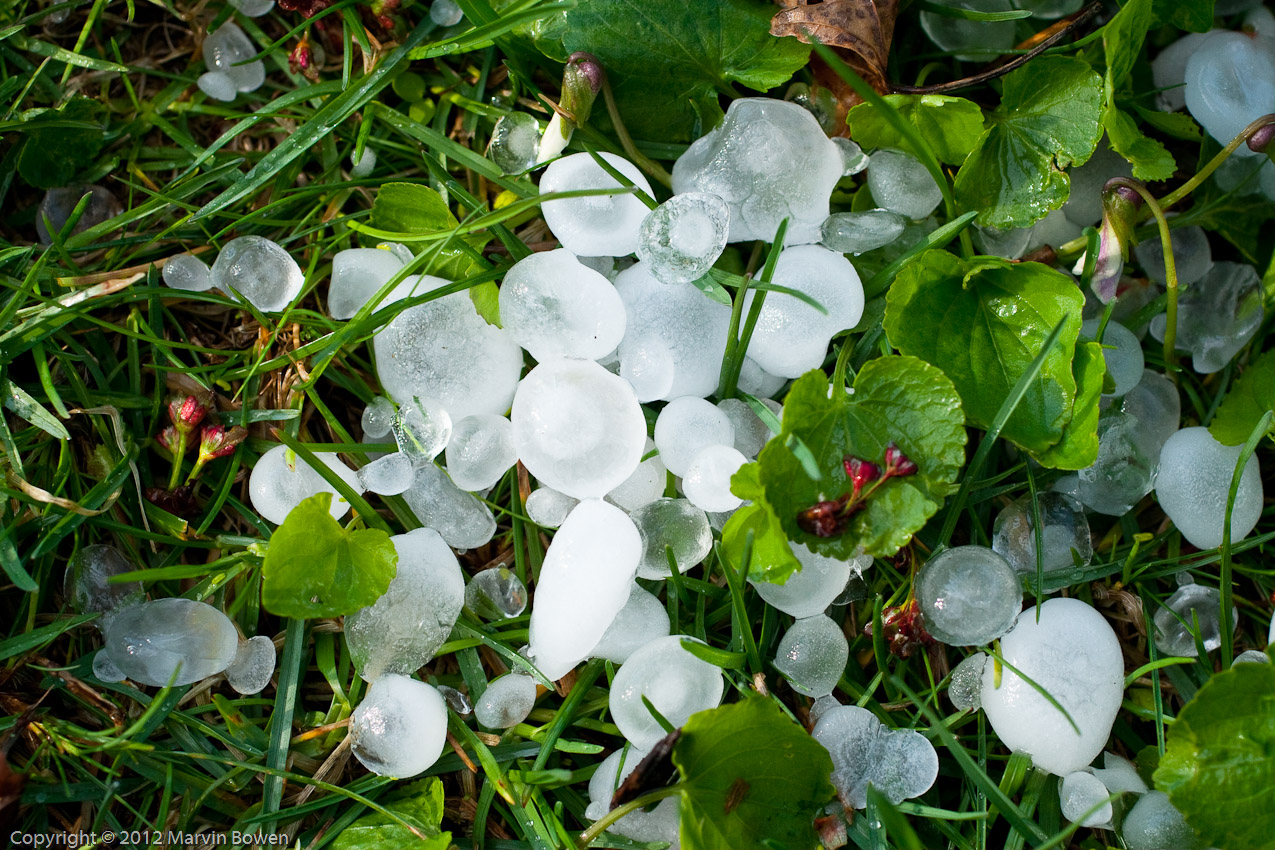
Chile - Fruit associations release hail damage estimates
27.11.2018 756 views
Two weeks after a severe hailstorm that affected horticultural production in numerous regions of Chile, associations representing blueberry, table grape, cherry and kiwifruit growers have released initial impact assessments.
Unusually large hailstones, heavy rain, and strong winds hit the country’s central-southern regions on Nov. 12, just as the harvests for the summer export season were getting underway.
Chilean Fruit Exporters’ Association (ASOEX) president Ronald Bown said on Monday (Nov. 16) that there would be slight export forecast reductions for blueberries, cherries, stone fruit, kiwifruit, and table grapes, highlighting that some growers had lost all of their production.
“We estimate the losses in our sector to be between US$120 million – 150 million,” he said.
Chilean Blueberry Committee executive director Andrés Armstrong said that O’Higgins region was one of the most heavily affected.
“The impact on exports should be comparatively low, due to the small blueberry growing area there is in this region, which represents about 7% of the total in Chile,” he said.
“However, we must remember that hail was also reported in some sectors with large growing areas – in the foothills of the mountains in the Maule Region, in the areas of Longaví, Parral, and Retiro. The damages in other regions were isolated and of lower severity.”
Preliminary evaluations indicate that around 2,000 hectares of blueberry production could be damaged, from the Metropolitan Region southward. Armstrong estimated that the export figure would be cut by around 4,200 metric tons (MT).
“There should be a drop of around 4%, and so the export volume for fresh will likely reduce from the 105,000MT initially forecast to 100,800MT. It is a small figure, but localized in early and mid-season production, and will impact shipments from weeks 46 to 48.”
So far the Chilean blueberry industry has shipped 14% more volume than last year, with 1,905MT. Of these shipments, 66% have been sent to North America, 24% to Asia and 10% to Europe.
Meanwhile, the Chilean Cherry Committee, which prior to the hail event had forecast a year-on-year volume drop of 10.5%, estimates that the recent weather phenomenon will further cut the estimate by 7.1%.
It is therefore now forecasting exports for the 2018-19 season of 33.4 million boxes, equivalent to 167,232MT.
The table grape industry seems to have been spared severe damage.
“In general, the number of boxes lost is not very important,” said Table Grape Committee president Fernando Sat.
“While we don’t have a complete evaluation, giving the timing, we do know that the losses were quite limited, since for grapes in the sixth (O’Higgins) region the impact was centralized from the highway to the mountains, mainly.”
Sat estimated exports for the coming season would be 2% lower than last season, but he said the reason for this decline was not the hail but rather the varietal reconversion taking place in the industry.
“There will be a significant reduction in traditional varieties which no longer have a market, such as Flame, Thompson, and Superior, and there will be a rise in propriety varieties,” he said.
“We expect the first ship with Chilean grapes to leave in week 48 or 49. However, we are not in any rush, as there is Californian and Peruvian fruit in the market.”
Finally, the president of the Chilean Kiwifruit Committee, Carlos Cruzat, said that it the initial damage estimate for the crop stood at 5%.
Cruzat highlighted that the biggest worry now was that the rains could have a negative impact on the production for the next season in severely affected orchards.
Source - https://www.freshfruitportal.com
EVENTS

ScaleAgData Stakeholder Engagement Event
22.10.2024The ScaleAgData project is pleased to invite you to our second stakeholder event. Building on the discussions and connections formed during our first webinar, this event will focus on fostering collaboration among stakeholders, providing updates on our project’s progress, and outlining future opportunities for engagement.
RISK EVENTS

Moldova - May frosts caused heavy damage to fruit orchards
10.05.2026The first frosty nights of May have significantly worsened estimates of damage to Moldova's fruit sector from spring frosts. According to initial assessments by fruit market operators, between a quarter and a third of the country's total orchard area was seriously affected.
25.10.2026

Dominican Republic - Tornado and rain cause crop damage in Valverde
A gust of wind described by producers and agricultural authorities as a small tornado caused considerable damage to banana and plantain plantations in Valverde province, where heavy rains on Wednesday afternoon affected hundreds of acres of crops and threaten the income of farmers in the area.
25.10.2026
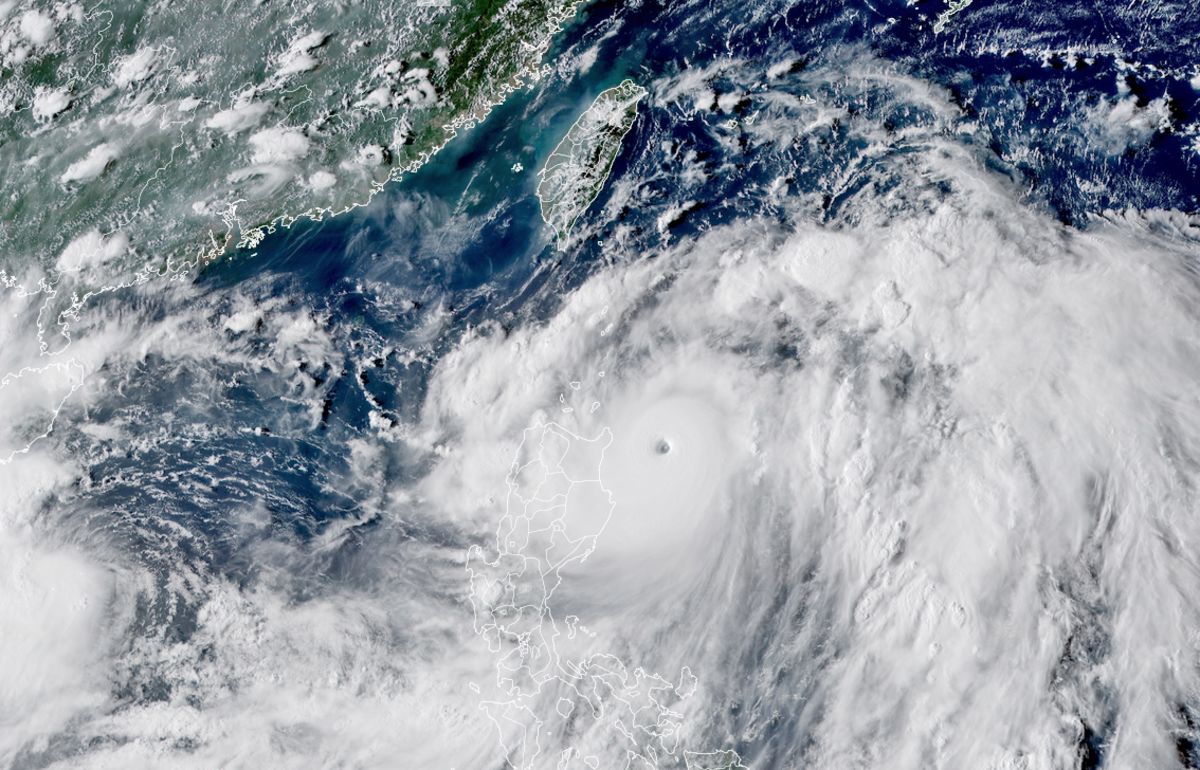
Taiwan - Typhoon Champi causes NT$133 million in agricultural losses
Yunlin accounts for 82% of estimated damage, with garlic hit hardest.
25.10.2026
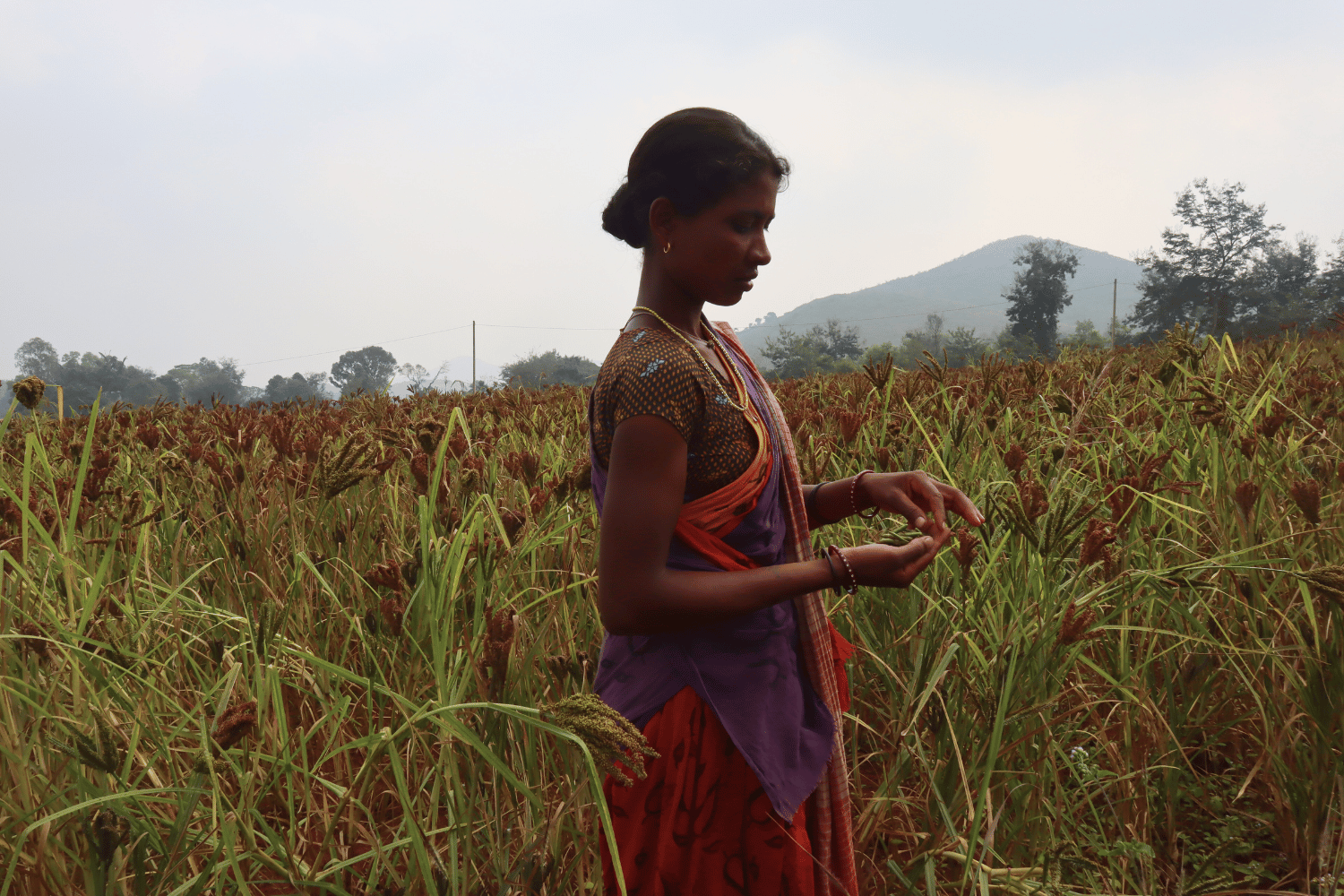
Financial safety nets and smart farming are key to climate resilience for farmers in India’s drylands
Financial inclusion, crop insurance, and public work programs are bridging the resilience gap for marginal farmers in India’s drylands, proving that institutional support matters more than farm size.
25.10.2026
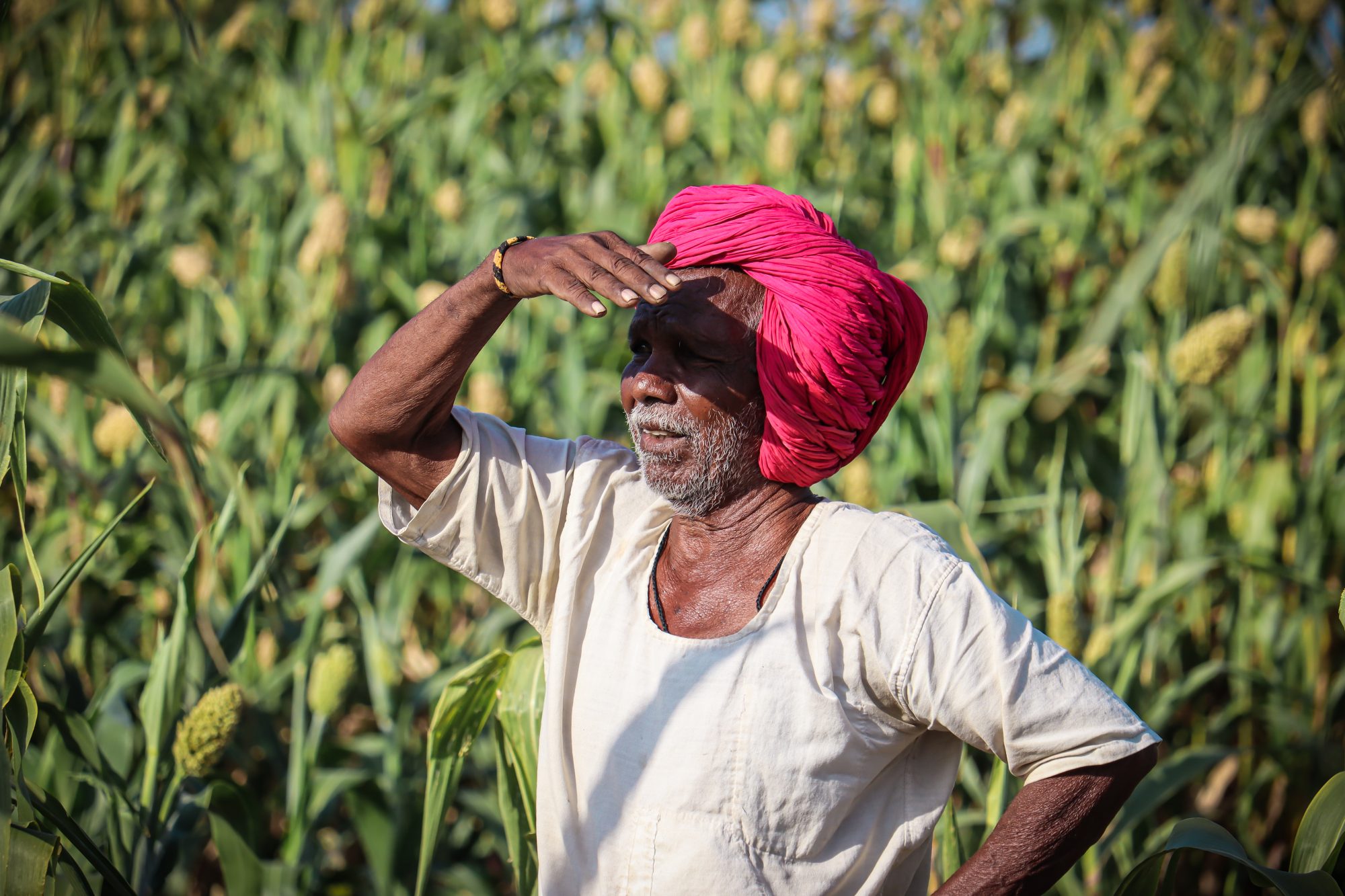
India - MP Irrigation Project to Benefit 72,000 Farmers
Madhya Pradesh has launched a ₹2,387-crore irrigation project for 260 villages in Dhar and Jhabua, targeting 57,422 hectares and 72,000 farmers.
25.10.2026
Southeast Asian haze cuts vegetable supplies and raises prices in Singapore
Prolonged haze across Southeast Asia is affecting vegetable imports into Singapore, with wholesalers reporting reduced supplies, smaller crops, and higher prices. Reduced sunlight is limiting photosynthesis and slowing crop growth.
25.10.2026

Camellia warns of trading loss as costs rise and crop prices weaken
Camellia expects a trading loss of £3 million to £5 million for 2026, reversing last year’s £1 million trading profit as rising costs and weaker avocado and macadamia prices squeeze the agricultural group.
22.10.2026
USA - Cotton Producers Face New ARC PLC Decision Deadline
The special provision giving producers the higher of ARC or PLC for 2025 will not continue next year.
22.10.2026

Pakistan - Punjab unveils £300,000 climate-resilient agriculture project for Cholistan and Thal
The Government of Punjab announced a 300,000-pound pilot project to establish climate-resilient agriculture across arid desert regions. The 12-month targeted initiative specifically focuses on farming communities operating within the vulnerable Cholistan and Thal desert ecosystems.
