The summer of 2018 saw record-breaking temperatures across the European Union — and while many lavished in the warm weather by heading to the beach, farmers in the fields were confronted with a crisis.
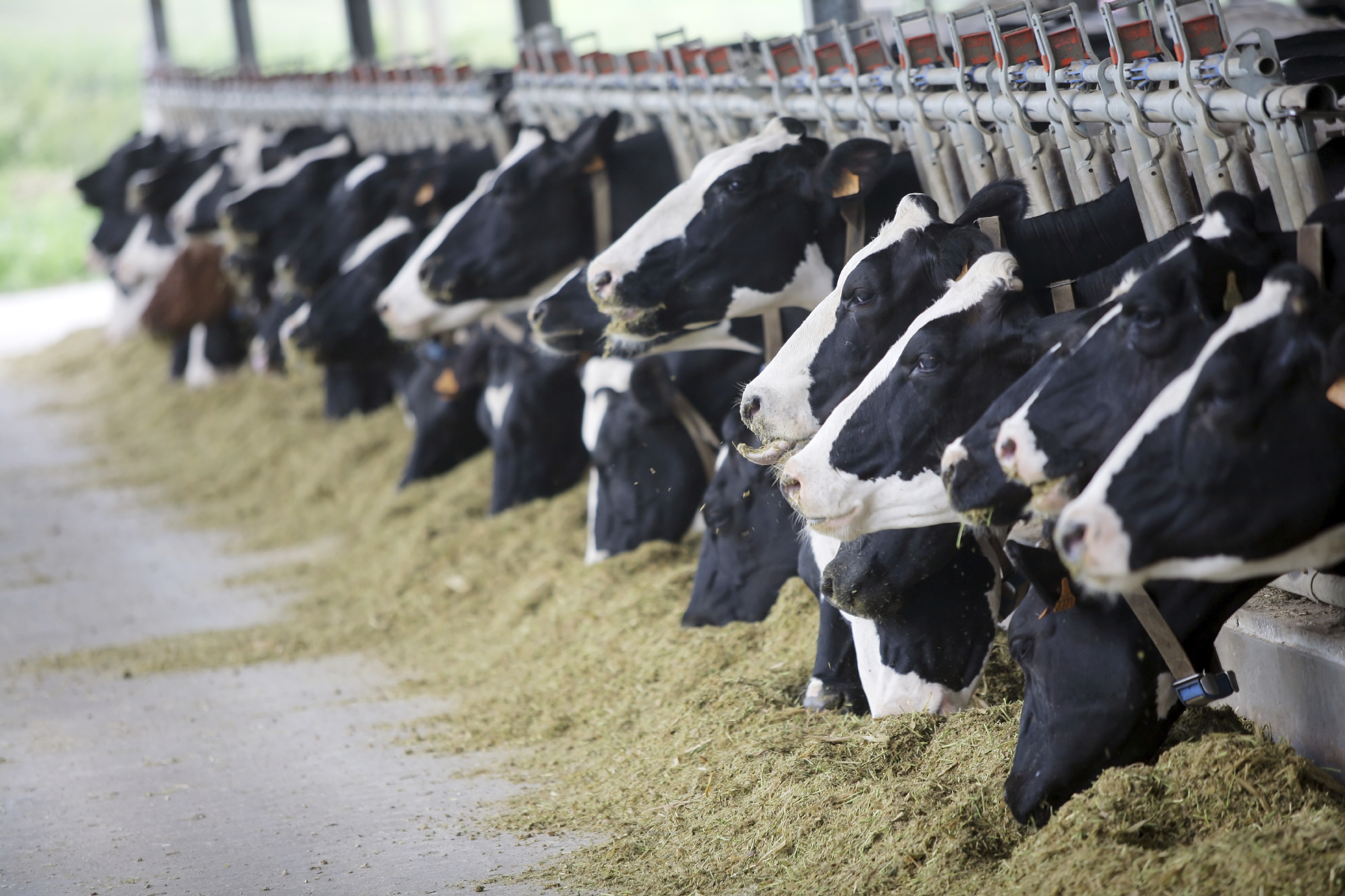
Dairy farmers were worst-hit by the drought in the UK, sending herds of cows to slaughter because there wasn't enough fodder, which is feed for livestock. Backlogs at the abattoir reached four weeks, one farmer in the UK's Northwest said.
The European Union last week presented
additional measures to support farmers on top of those announced in early August but is this enough?
How bad is the situation?
"This is probably the worst drought most people have known in their lifetimes," Minette Batters, president of the National Farmers' Union of England and Wales, told Euronews. "Certainly on a par with the last serious drought we had, which was in 1976."
What's more, the drought came on the back of what Batters describes as "a really hard winter", which meant fodder supplies were extremely low, if not completely used up, across the UK as farmers went into spring.
In Germany, there was a similar picture, with feed for cattle in critically short supply. "This year we have the lowest harvest of the century," Udo Hemmerling, Deputy Secretary General of German Farmers Association, told Euronews.
"We have had very severe losses, especially in northern and eastern Germany, and our neighbours in Scandinavia and Poland are seeing the same bad situation," he added.
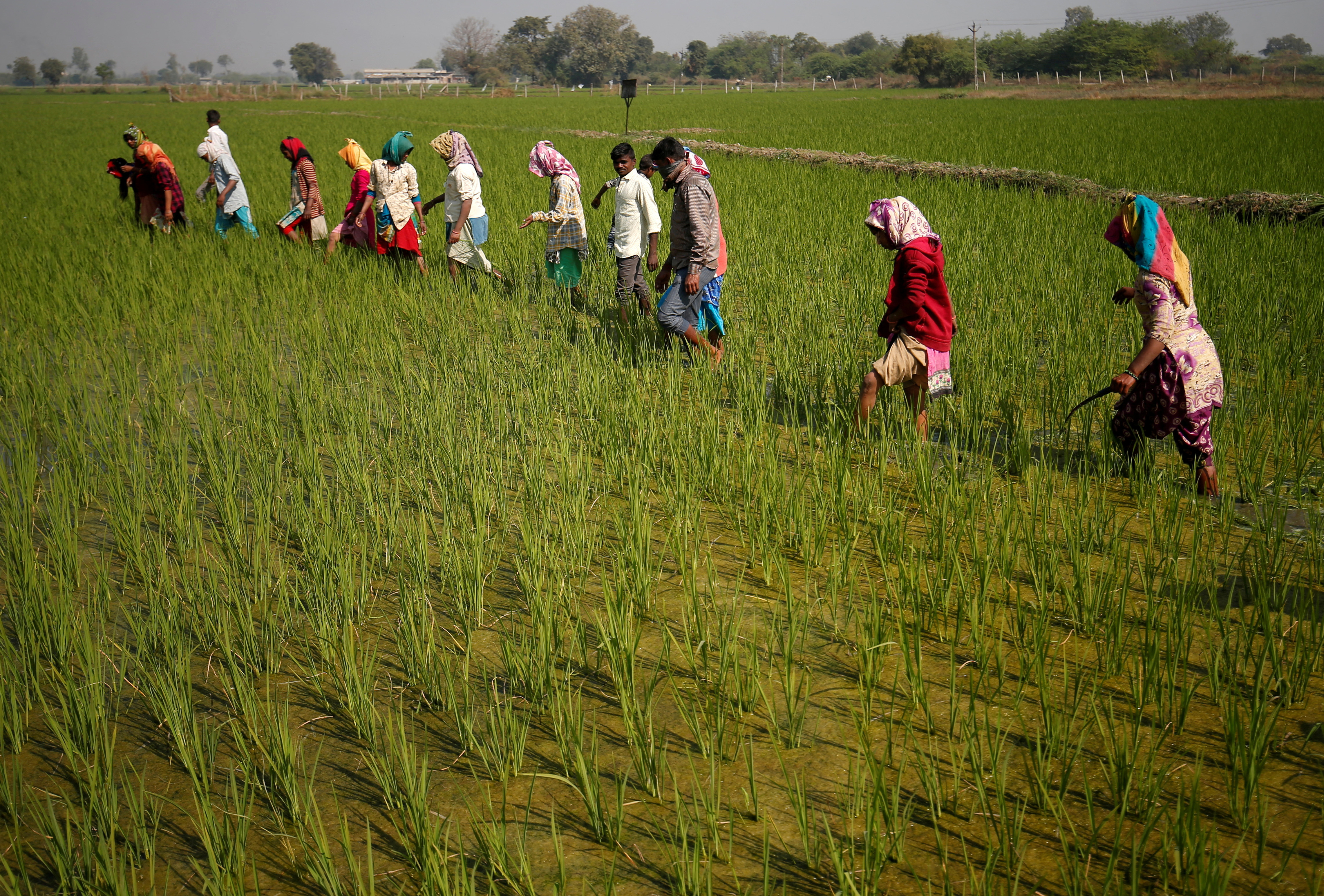
André Stallbaum, a German arable farmer, said he had experienced significant drops in his harvest compared to previous years: "We lost about 50% of our wheat crop, 35%-40% for quinoa, 35% for rye."
Indeed, in
its Crop Monitoring in Europe bulletin for July and August, the European Commission said Germany had been affected by the drought across the country, as well as specific crops and areas in France, Italy, the UK, Ireland, Poland, Hungary and Romania, among others.
Will consumers feel the heat?
With such extreme conditions on farms, consumers in the EU are likely to see a difference in supermarkets or on their grocery receipts.
For Stallbaum, the biggest effect he thinks consumers will see for the moment is in the size of fruit on shelves — on his farm he has "lost a considerable amount in fruit size".
However, the visible impact of the drought will be limited: "Consumers might see an impact in the supermarket, but I guess it will be like other years — the products come from elsewhere in the world to fill shelves, so I guess people won't really notice."
Latham doesn't think many people are aware of the extent of damage from the drought either and the real effects will hit around Christmas.
"They (consumers) have had a glorious summer and they've eaten a lot of ice creams and that has been great for the dairy industry.
"But this winter, I suspect food prices will significantly increase for dairy, they've already increased for fruit, vegetables and arable products," he said. "I think the latest research in the UK suggested it was going to be an extra £7.50 (€8.31) per week on the spend of the average consumer."
The Commission asked all member states to provide updated information on the impact of summer's drought by August 31, the results of which will be released in report form in the coming weeks.
'We'll see a knock-on effect for the whole of next year'
British dairy farmer Phil Latham told Euronews that the forecast for winter and into next year is grim. He, like many, had to use stocks put aside for the winter or buy expensive supply feed.
"It got to a point where the grass stopped growing entirely," he said. "At one stage I got down to a reserve of 40 days of grass silage and there are more than 40 days in winter."
Indeed, this shortage saw prices soar across the EU — the likes of maise was at record levels in the UK, selling at four times its usual price — another hardship for dairy farmers.
What help have governments and the EU provided?
To reduce the impact of a fodder shortage, one of the main challenges faced by farmers dealing with the impact of drought, the European Commission announced a relaxing of greening rules — schemes that prevent many farmers grazing or cutting grass from certain areas of land.
It also said it would accelerate payments to farmers, along with other measures, but these actions will need to be voted on and won't be formally adopted until the end of September.
'We've received nothing but warm words'
However, Latham said this is not enough: "A derogation, which meant farmers could cut the boundaries of their fields, is the only help I've received, but while it's useful and will save me about £1,000 (€1,108), it's not a real game changer."
"We'll have to wait and see if the warm words and platitudes we've had will turn into actions," he added.
In Germany, the federal government announced on August 22 it would provide up to €170 million to make up for business losses, paired with state assistance of around €340 million, but is this funding reaching those who need it?
'At this stage, it's just promises'
European Commissioner for Agriculture, Phil Hogan said on August 30: "I am in contact with ministers from affected member states as we are assessing the adequacy of the actions already in place.
"I welcome the recent announcements by several member states ready to act for their agricultural sector, and I will continue working with them to ensure they use to the full extent the possibilities available."
Stallbaum said he doesn't expect to receive any money, as his business took on extra work in connection with other farms in the area and the local authority to try and cope with some of the shortfalls felt from the drought.
"If you do anything to reduce the loss they say 'well, they can survive, so they don't need any help'," he said. "You might calculate your damage at 28% and the help will start at 30%. I hope it won't be like that, but that's a realistic expectation," he said.
"We haven't seen any money so far. At this stage, it's just promises."
Source - http://www.euronews.com