The total potato harvest in the Netherlands, Belgium, Germany and France in 2018 will be at least 20 percent lower than last year, according to the latest estimates of the North-western European Potato Growers (NEPG).
The harvest for continental Europe will end up significantly below 20 million tonnes.
The estimated potato production is only based on continental Europe. Results for Great Britain - where the potato harvest is still in full swing - are expected close to the end of the year.
Once the GB data are available the NEPG will provide another update that also includes the GB estimates.
Large variations in yield
In all four countries the variation is enormous. First of all there is a major difference between irrigated fields and non-irrigated fields. But there are also large differences depending on potato variety, region and field.
Measurements suggest yields may range from as low as 18 tonnes/ha to as high as 80 tonnes/ha.
The average yield in the four countries is 13,1% lower than the 5-year-average. Acreage in these four countries was up 1 percent to 595,587 hectare.
Lowest yields in Belgium
In Belgium the yield estimate is 38.1 ton per hectare. This is 29 percent below the yield of harvest 2017 and 24 percent below the 5-year average.
Bintje, the most widely grown potato variety in Belgium, performed poorly.
But also more common processing varieties showed low yields. It should also be noted that only 3% of the total potato acreage in Belgium is irrigated.
In the other countries yields were down between 14 - 20 percent
Quality Issues
Not only the overall volume is low this year, the tubers are smaller compared to other years.
However, the most important quality issue is secondary growth, with associated low dry matter content of individual tubers (floating tubers in 1060 kg/m3 salt solution) and sugar ends. These issues show up in particular for potato variety Bintje. Other key varieties for processing and table market have similar issues, but to a lesser extent.
These quality issues result in various disadvantages for growers, traders as well as processors. It results in higher costs due to extra handling such as additional sorting, washing and separating in a salt baths and due to the lower yield and losses as a result of high tarra and increased waste.
The NEPG estimated that net yields suitable for processing and the retail market is extremely low, probably the lowest it has been in the last ten years
High potato prices expected
Demand for potatoes for processing has increased steadily since 2012 as a result of increased installed capacity.
Given the low availability of potatoes it is clear that the current price for potatoes that are not under contract is high and is expected to stay high for the entire season.
Challenging potato season ahead
Growing season 2019 may be another season full of challenges.
Availability of sufficient seed potatoes has been raised as a potential issue for next season. According to insiders, the volume of seed potatoes available might only be just enough. Worse, for the very early potato varieties a seed potato shortage is expected.
More potato growers in Belgium are expected to grow newer potato varieties instead of Bintjes and therefore need an increasing share of these varieties.
Finally, since the processors will run out of their current stock early, next processing season might actually last 13 months instead of 12. This not only requires a large volume but also also an early (and therefore risky) start of the cultivation of early varieties.
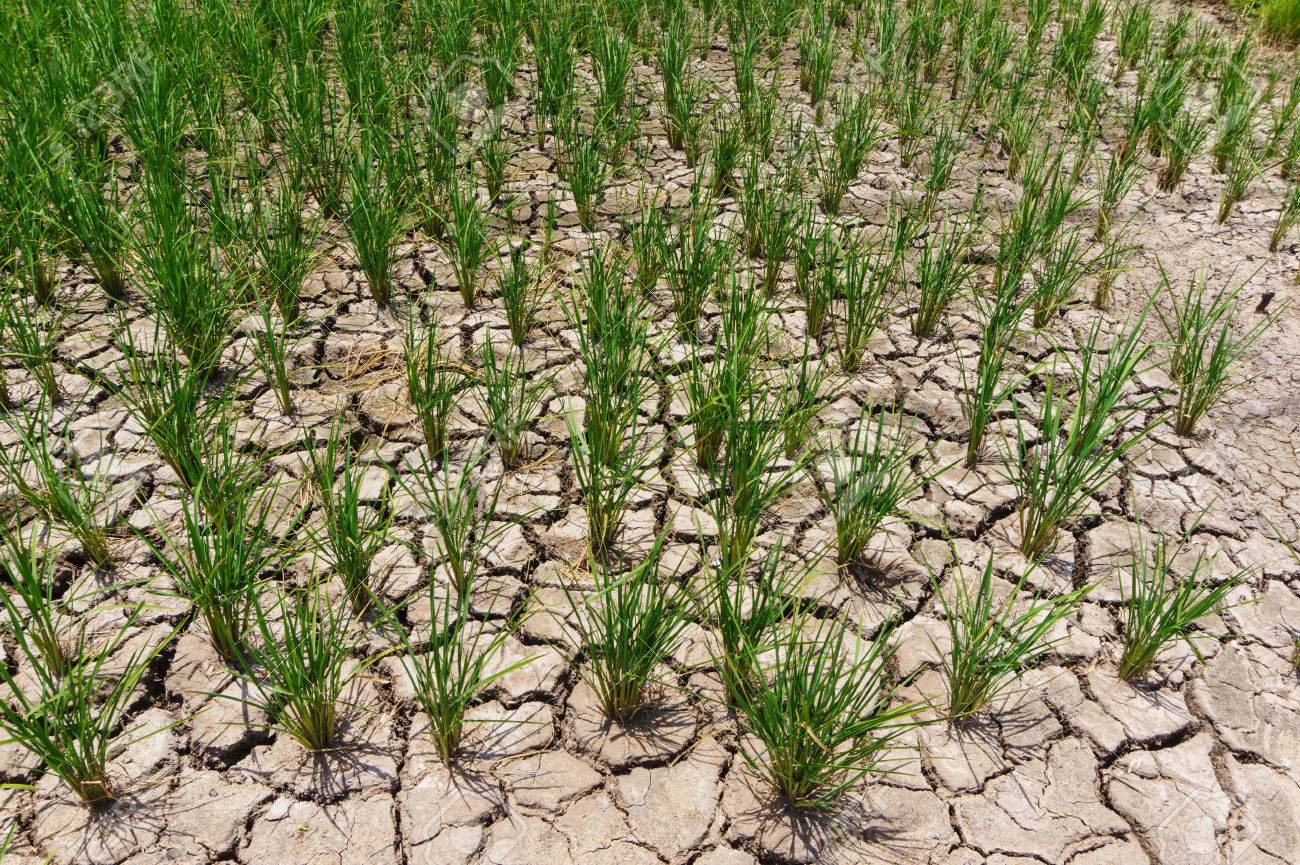
The drought of last summer still has some lingering effects: Water management authorities in the Netherlands say there is still a considerable water deficit and that 600 - 700 mm of rain is required to bring it back to somewhere near normal. This raises the probability of potential limitations to irrigation in the upcoming season.
Also, meteorologists say that it is very well possible that next summer will dry and hot again.
The North-western European potato growers note that the use of crop protection products is subject to additional limitations, increasing costs and risks for the potato growers.
North-western European Potato Growers (NEPG):
“All together, this means that growers can not be dismissed with a meager 1 eurocent contract price increase for the main harvest.”
“It should also be considered that potato growers likely will reduce their tonnes/ha commitment in their contracts.”
“Especially in Belgium, growers got burned.”
The NEPG states it sees indications of a significant price increase in the contracts for early potatoes.
North-western European Potato Growers (NEPG):
“We hear rumors in Germany that the contract prices for the early potato varieties are going up by about 3 eurocent per kilogram.”
“But it is all up to the potato processing companies! They control the seed potatoes.”
Source - https://www.potatopro.com/