

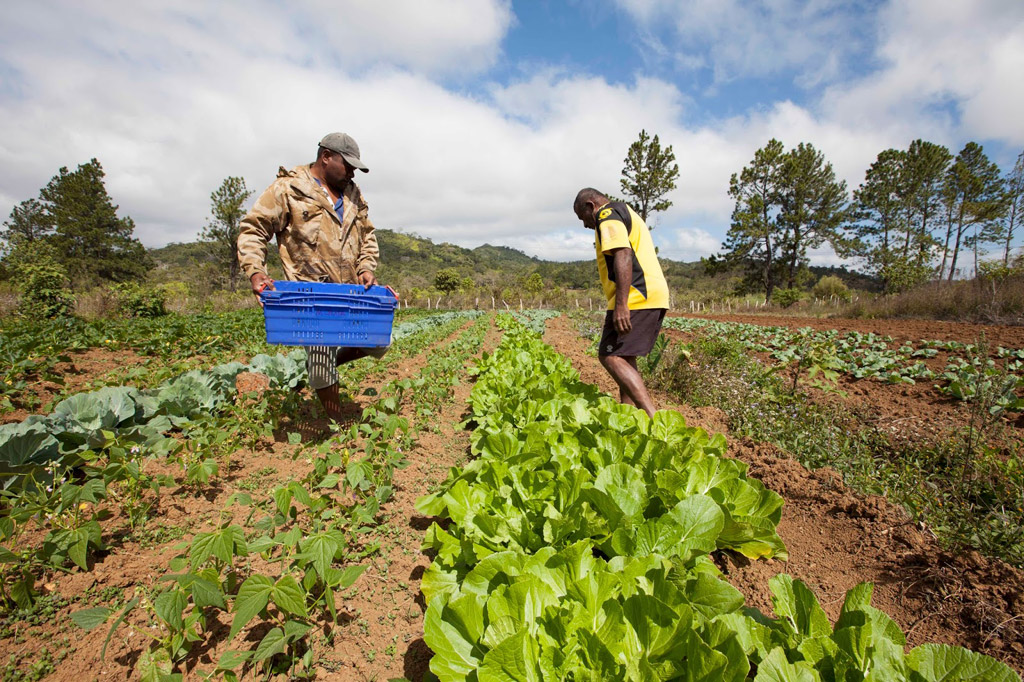
Fiji - Agriculture insurance scheme will soon be available
11.12.2017 890 views
A solution to protect farmers’ crops assets is currently under way.
The Ministry of Agriculture, Food and Agriculture Organisation and Fiji Crop and Livestock Council are working on developing an agriculture insurance scheme.
Fiji Crop and Livestock Council chairman Simon Cole said the agriculture insurance scheme, like other types of insurances available, does not make money for them.
“It is only to cover major disasters or catastrophes.
“It removes the volatility, meaning that after a major disaster, the farmer can get something quickly to help them get their crops back into the ground,” he said.
Traditionally, providing insurance for the farmer’s crops on the ground is difficult, explained Mr Cole.
However, with successful mechanisms in place in the Caribbean and India, the trio with their other partners are working together to introduce it in Fiji.
The scheme is not similar to the conventional insurance but is rather an Index Linked Parametric Insurance.
This means that the farmer can receive compensation if their crops are damaged by heavy winds, cyclone, flood or drought.
Aim of insurance
“The aim of the insurance is to put money in the hands of the farmers.
“If we are successful and if we can prove to the insurance markets that we have the data and if the farmers are keen to push this forward then we think that we can have the product available in six months to one year’s time,” he said.
How it all started
The scheme began in 2014 when the United Nations Foods and Agriculture Organisation did a preliminary study on the agriculture sector in our country.
The FAO wanted an insurance that goes straight to the farmer and insures the farmer’s biological assets.
So earlier this year, the FAO had approached the Council to develop the preliminary study into a product that can be sold to our farmers. Mr Cole said this has been one of the Council’s main focuses this year.
The Council has been working with the Insurance Holdings Limited, Nadraki Weather and the Fiji Meteorological Office.
Achievement so far
“We know how we want to do it.
“We are able to include all crops, whether the farmer is growing tomatoes, ginger, dalo and so on, it can all be covered under the same scheme,” he said.
A scheme for sugarcane farmers is currently being discussed, he added.
The Government had announced in the National Budget 2018 that they will support the development of this product which the Council is pleased to know, says Mr Cole.
Challenge
The Council is currently discussing with international insurance companies such as Willis Towers Watson in London and another global insurance company in Singapore.
“These are the big companies that place this insurance into the market and they only place it in the market if we have available all the information they need to calculate the risk and value of the risk.
“This is a huge number crunching exercise but I am confident that we do have this information with the support to Ministry of Agriculture, Fiji Meteorological Office and Bureau of Statistics.
“We have this information available but we have to present this to the big companies to say that they can sell this product along with the costs provided to them,” he said.
Questions such as how often does our country have big cyclones or how can we prove that we often have cyclones or serious floods or droughts. These are the main requirements for big insurance companies in the international arena to be able to sell the product in the country.
“Proving all these is important because we cannot cover every single small flood or cyclone. It has got to be the big events.
“We have to prove that and that is why we are relying on the meteorological service to provide the historic data for analysis and to be the competent authority to declare that a trigger event has happened,” he said.
Importance of the weather office’s role
For the study to become a product, the weather office has to prove to the insurance markets that our weather data is strong enough to state the likelihood of a type of natural disaster that will hit our country, he said.
Premium
The premium is yet to be decided and it depends on how much will be insured.
Therefore if the farmer only wants to insure the major disasters, then the premium will be less.
“It will be very nice to insure every small event for every farmer in every part of the country but the reality is that this is very unaffordable.
“We have to be very careful how we choose what we insure and what we don’t insure,” he said.
Since it is difficult to balance the risks, a symposium will be held soon where the industry will meet the Government, Reserve Bank of Fiji and the insurance industry to discuss these issues.
Mr Cole said that Fiji is leading the region in scheme. He has been asked by the Technical Centre for Agricultural and Rural Cooperation (CTA) in Netherlands to look at six other countries in the region to see if they have the prerequisites for agriculture insurance.
Source - https://fijisun.com.fj
EVENTS

ScaleAgData Stakeholder Engagement Event
22.10.2024The ScaleAgData project is pleased to invite you to our second stakeholder event. Building on the discussions and connections formed during our first webinar, this event will focus on fostering collaboration among stakeholders, providing updates on our project’s progress, and outlining future opportunities for engagement.
RISK EVENTS

Moldova - May frosts caused heavy damage to fruit orchards
10.05.2026The first frosty nights of May have significantly worsened estimates of damage to Moldova's fruit sector from spring frosts. According to initial assessments by fruit market operators, between a quarter and a third of the country's total orchard area was seriously affected.
22.10.2026

USA - Cotton Producers Face New ARC PLC Decision Deadline
The special provision giving producers the higher of ARC or PLC for 2025 will not continue next year.
22.10.2026
Pakistan - Punjab unveils £300,000 climate-resilient agriculture project for Cholistan and Thal
The Government of Punjab announced a 300,000-pound pilot project to establish climate-resilient agriculture across arid desert regions. The 12-month targeted initiative specifically focuses on farming communities operating within the vulnerable Cholistan and Thal desert ecosystems.
22.10.2026
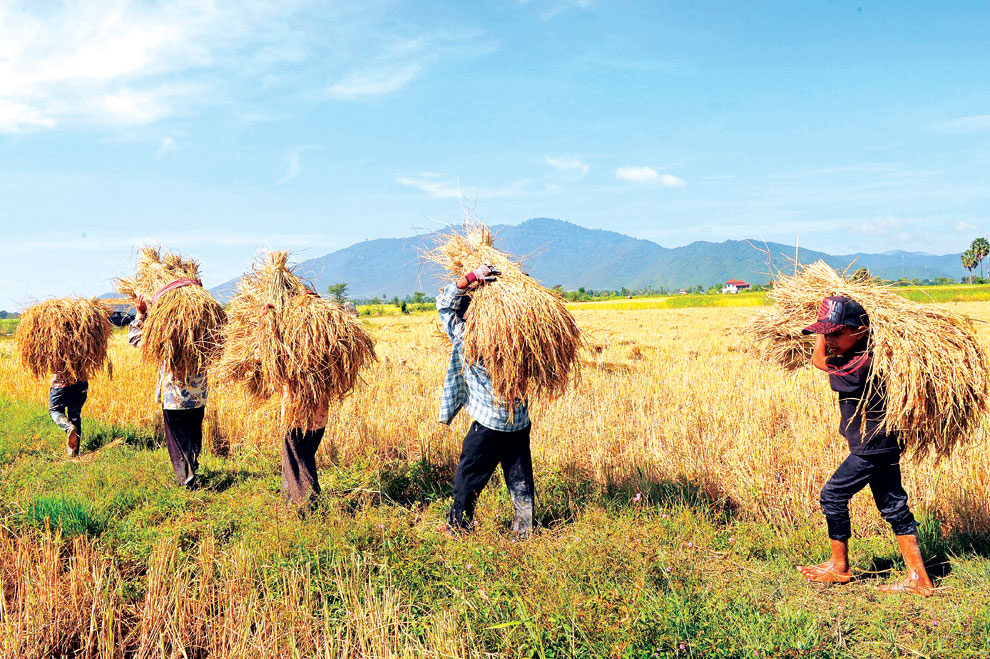
Cambodia looks into insurance scheme for agricultural cooperatives
Cambodia's Ministry of Agriculture, Forestry and Fisheries (MAFF) is looking into a disaster-related insurance scheme designed for modern agricultural cooperatives.
22.10.2026

USA - Dec. 1 deadline set for 2027 pasture and forage insurance
Northeast farmers have until Dec. 1 to secure Pasture, Rangeland and Forage insurance coverage for the 2027 crop year, according to Crop Growers.
22.10.2026
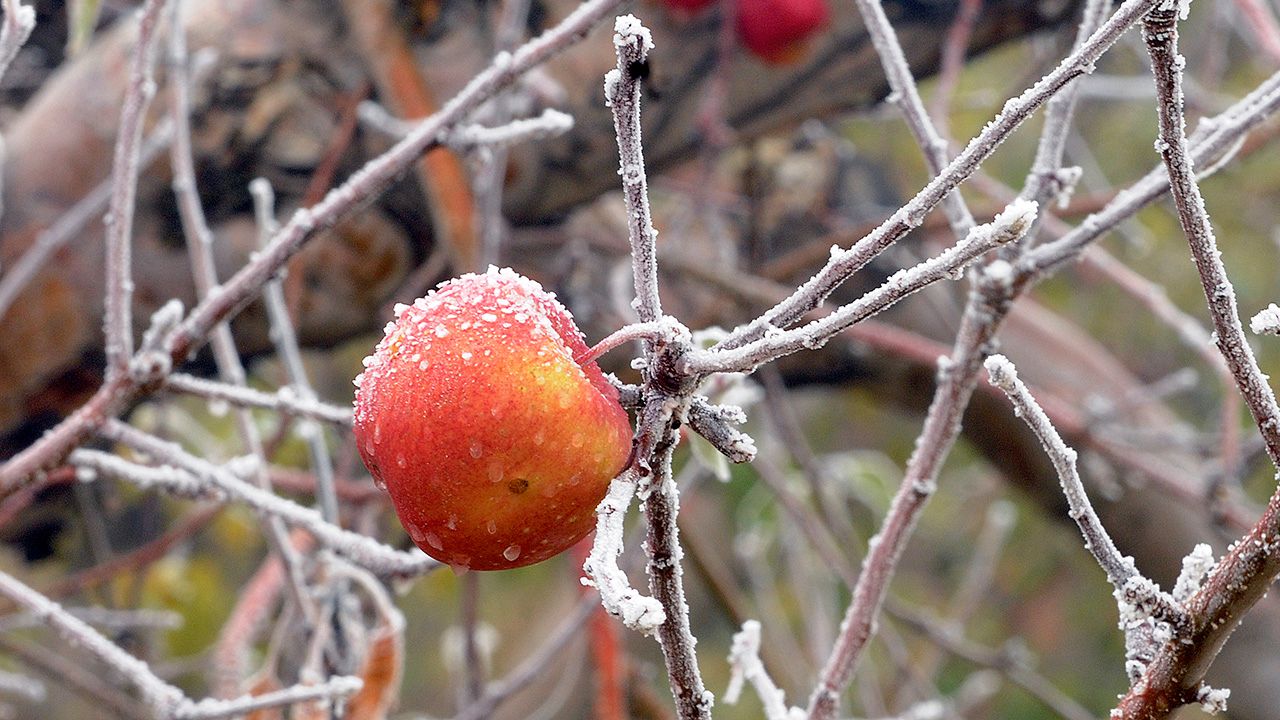
Spring frost hits Polish apple varieties unevenly
Spring frosts have affected Polish apple varieties differently this season, with some performing better than initially expected and others facing substantial losses.
22.10.2026
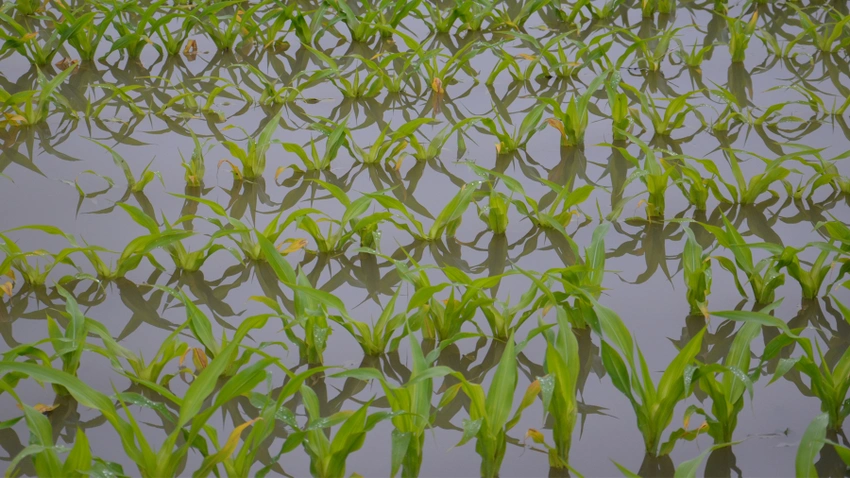
Spain - Flooded fields in Valencia and Alicante and 130 hectares of greenhouses affected in Almería
The arrival of storm Adam on the Mediterranean coast has brought heavy rainfall that has hit the Valencia region hardest, particularly the coastlines of the provinces of Valencia and Alicante, though the inclement weather has also hit other regions including Andalusia, Catalonia, and the Balearic Islands.
21.10.2026
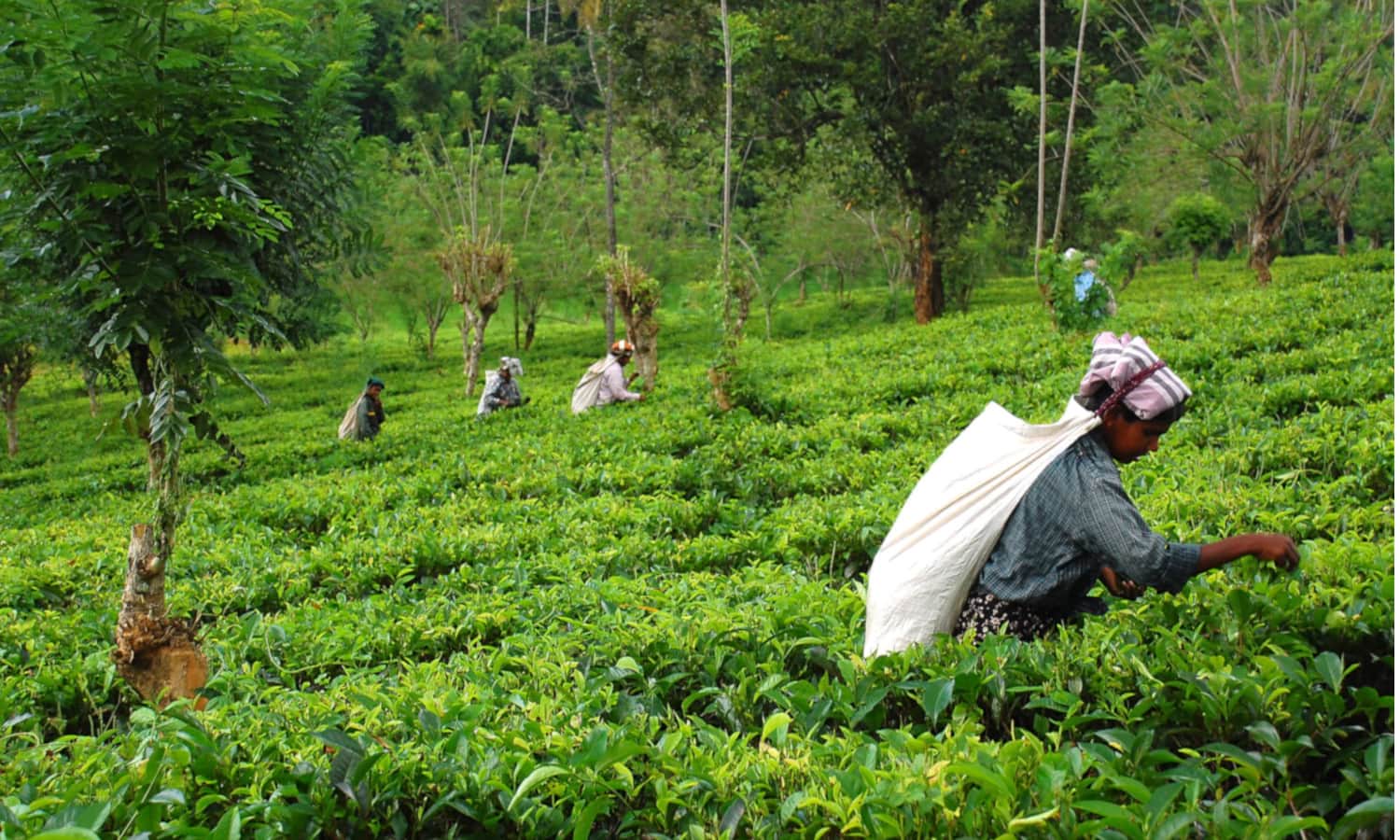
India - Government launches Pashudhan Bima Portal to streamline livestock insurance, claims and monitoring
The Government today launched Pashudhan Bima Portal in New Delhi. The Portal will provide a single, integrated digital platform for livestock insurance, enabling streamlined policy issuance, claim processing, monitoring and reporting in case of animals insured under the Livestock Insurance Scheme of the Department of Animal Husbandry and Dairying.
21.10.2026
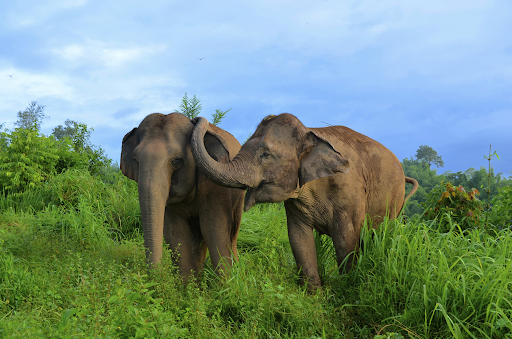
Malaysia - Perak Perhilitan monitoring elephant herd after crop destruction complaints
The Perak Department of Wildlife and National Parks (Perhilitan) has received six official complaints this year from oil palm smallholders in Kampung Perlop 1, Sungai Siput, over wild elephants destroying crops and plantation infrastructure.
