Germany - The severe frost at the end of April caused rings of russetting on several varieties apples

28.10.2016 444 views
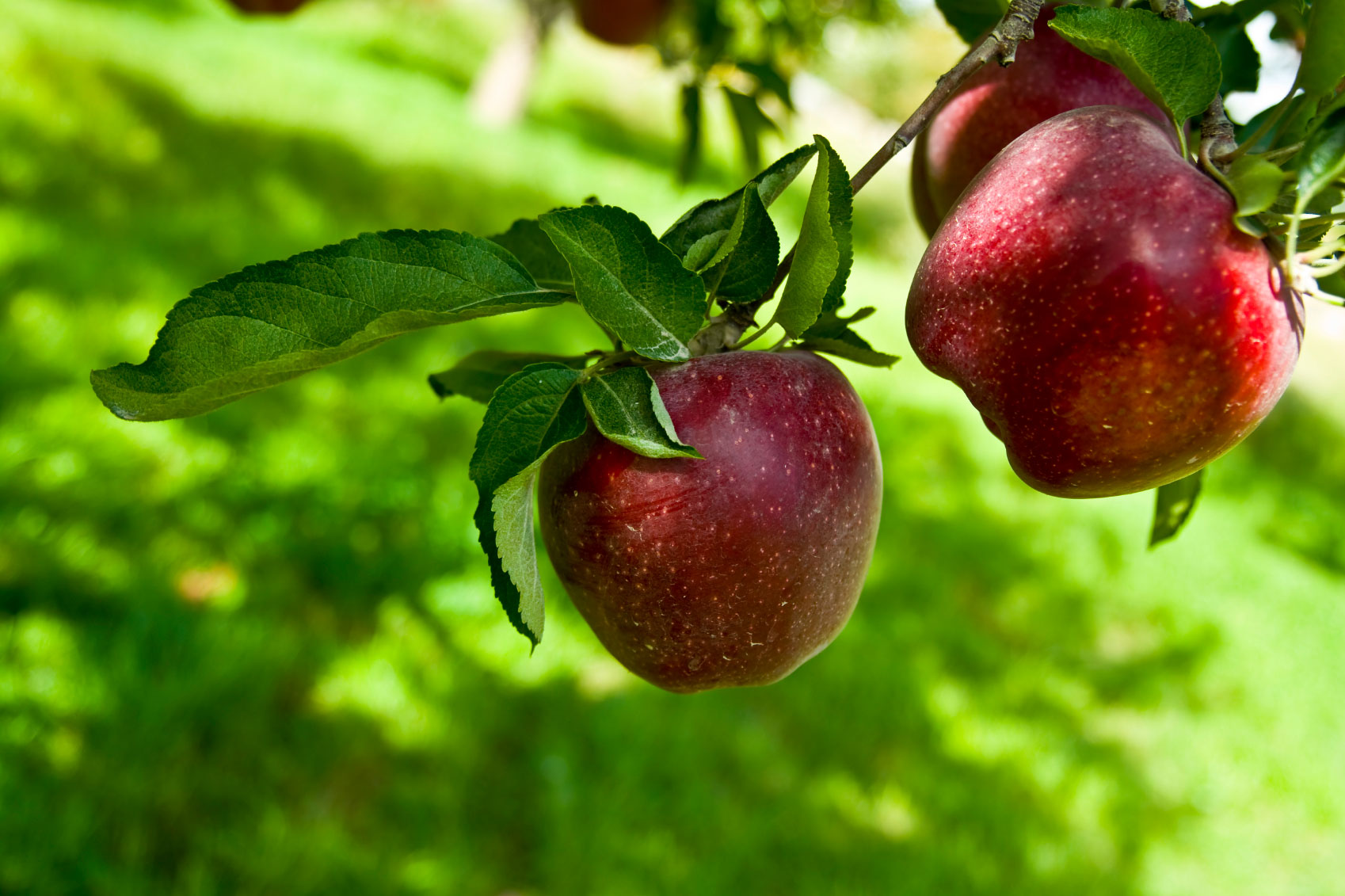
The severe frost at the end of April caused rings of russetting on several varieties, such as Jonagold, Jonagored and Red Jonaprince. Furthermore, due to the cold weather during the growth period, the apples are somewhat smaller than usual. REWE sells a bag of 2 kilos for 1.49 Euros and PENNY sells a box of 5 kilos for 2.99 Euros.
“At the end of April our producers with orchards in the region of Lake Constance, had to cope with heavy frosts. A considerable part of the Jonagold harvest is affected. The apples taste great, but have visible frost damage and cannot be sold as class I. This leads to financial losses. I am happy with the solidarity that the action of the REWE Group shows; they sell the apples as class II in 5,500 stores. This gives us the chance to cover the cost of the harvest and care of the apples,” states Hans Knöpfler, managing director of the fruit distribution company, Lake Constance.
This year, at the end of April, the temperatures dropped below -5 degrees Celsius. During this period the blossoming of the Jonagold varieties had already started, and the effects of the frost are now seen on the apples in the form of rings of russetting. Minor damage to the blossoms increased on the growing apple. The texture of the ring looks and feels similar to the peel of the popular apple variety Boskoop. The bottom part of the Jonagold apples has this slightly rougher texture, but the apple itself is not affected in any way, the taste is juicy, crispy and excellent. Only the peel is not completely perfect.
Source - http://www.freshplaza.com

21.05.2026

India - ₹247 crore released to provide UP farmers’ crop insurance

UP govt approved Rs 450 crore subsidy as part of the National Crop Insurance Programme (NCIP), a crucial protective measure for farmers amid instances of crop damage caused by inclement weather. 

21.05.2026

Philippines - Pioneer sees growing demand for ‘sachet-style’ insurance

Pioneer Group of Companies sees rising demand for “sachet-style” insurance products as climate-related risks heighten vulnerabilities among low-income communities in the Philippines.

21.05.2026

USA - San Joaquin cherry crop hit by heat and rain damage

Cherry growers across California are reporting major crop losses following early-season heat and rain events that affected fruit set, quality, and harvest conditions during the 2026 season.

21.05.2026

Foreign Investors Target Nigerian Insurance Firms Ahead of Recapitalisation Deadline

Foreign investors are increasingly seeking majority stakes in Nigerian insurance companies ahead of the sector’s recapitalisation deadline, reflecting growing confidence in the industry’s long-term growth prospects and expected market consolidation.

21.05.2026

Flood damage adds new pressure on South Africa’s agriculture sector

South Africa’s agriculture sector is facing mounting pressure from recent floods in the Western Cape and other parts of the country, even as prospects for strong harvests in several subsectors remain positive, according to the Agricultural Business Chamber of South Africa (Agbiz).

21.05.2026

Philippines - Capisnon farmers receive indemnity checks from PCIC, boosting agricultural recovery efforts

A total of 384 farmers from the municipalities of Dao, Cuartero, and Dumarao received indemnity checks from the Philippine Crop Insurance Corporation during a distribution event held on May 19, at the Cuartero Civic Center.

20.05.2026

Georgian spring frosts damage seasonal fruit crops

April frosts have seriously damaged seasonal fruit crops in Georgia, according to agronomist and farmer Akaki Glonti, who commented on the situation amid continuing price growth.

20.05.2026

USA - New Jersey declares State of Emergency and seeks Disaster designation after April freeze causes USD 300 million in crop losses

New Jersey declared a State of Emergency on May 20, 2026, and requested a federal Disaster designation after freezing temperatures between April 19 and 22 caused widespread agricultural damage across the state during a critical growing stage.