

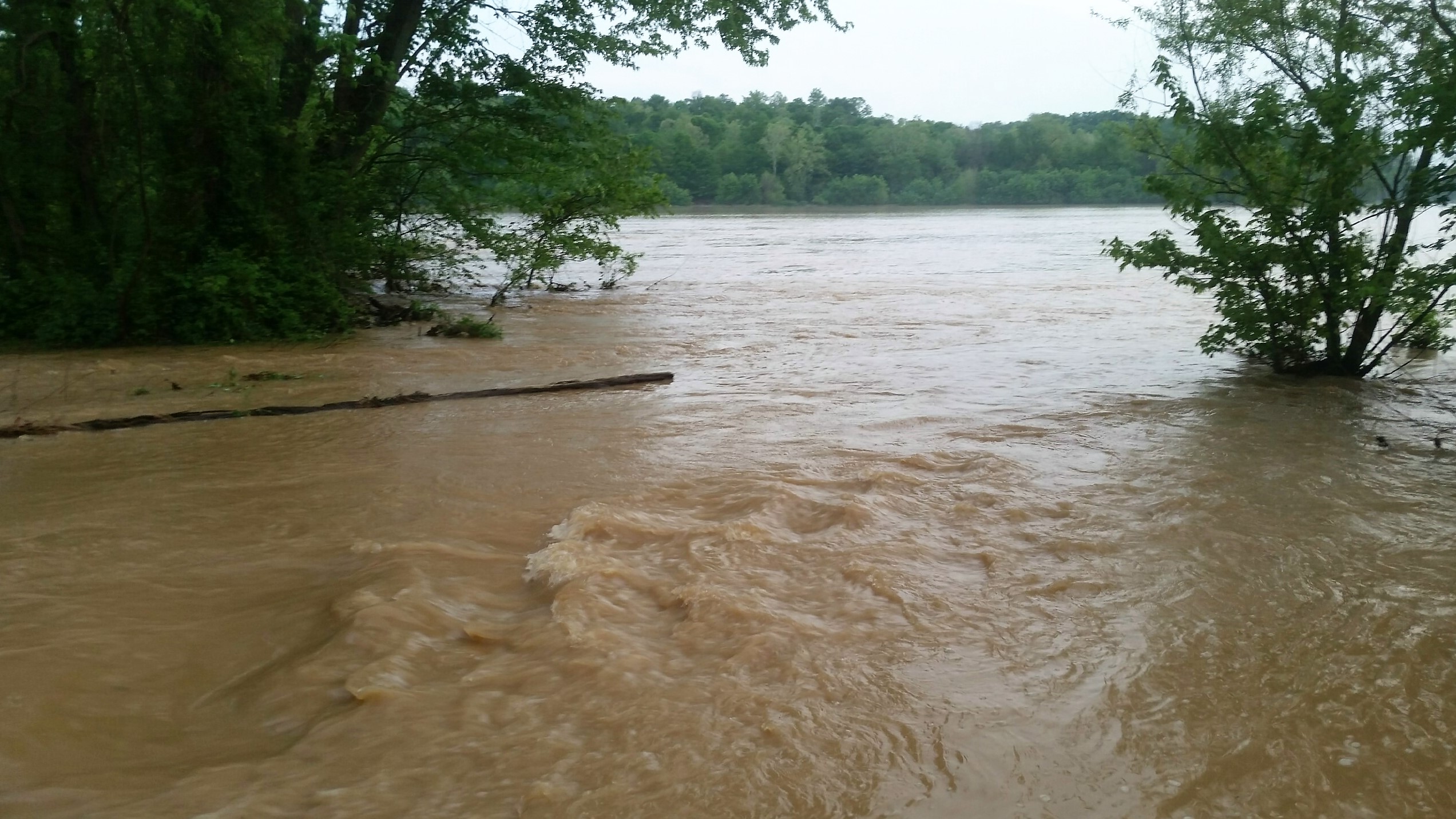
India - Crop loss in Karnataka cannot even be gauged yet
21.08.2018 1240 views
Production of plantation crops, including coffee, pepper and cardamom, which was initially expected to be good this season in the State, is set for a steep decline as rainfall that has battered Kodagu, Hassan and Chikkamagaluru has caused large-scale damage to crops.
While the Coffee Board declined to estimate the losses citing lack of field data, planters’ association has estimated crop losses at above 70%.
Incessant rainfall and subsequent increase in moisture has led to drop of coffee berries and damage to pepper vines and cardamom plants in the three major coffee growing districts in the State. In Kodagu, landslides have caused severe damage to estates. Moisture has threatened spread of fungal diseases, including black rot, that could further affect the standing crop. The Coffee Board, which traditionally puts out the initial production estimate, has not come up with the data this year as yet since the field data collection has been hampered by rainfall over the last fortnight. Incidentally, Karnataka produced 2.22 lakh tonnes or 70% of the total coffee grown in the country during 2017, but this figure could see a steep decline this year.
While the Karnataka Planters’ Association has put the crop loss to above 70% that could turn into a loss of about Rs. 1,500 crore to Rs. 2,000 crore, including damages to estates, the Karnataka Growers’ Federation has pegged the losses at about Rs. 2,000 crore. “Crop loss assessment will be taken up after the rescue and relief work is completed,” a Coffee Board official said. Chief Minister H.D. Kumaraswamy at a press conference said that the State cannot immediately seek compensation for plantation crops, including coffee, pepper, cardamom and areca, since assessment has to be done and a comprehensive report has to be submitted.
“When the season started, planters were cheerful and we were also hopeful of a good crop this year. The industry expected higher production than what was reported last year. However, initial production assessment could not be completed since rainfall came in the way and now the crop loss owing to flooding and rainfall,” a senior official said.
“After the blossom, hopes were that coffee planters would get good yield at least better than the last two years. However, things changed rapidly in the last three weeks and now we are not even sure if the berries will last till November owing to moisture,” a planter in Somwarpet said.
According to another official, it may take some time before the crop loss is gauged. “We will have to undertake survey of estates along with revenue officials after rescue and relief work is completed,” the official said.
Source - https://www.thehindu.com
EVENTS

ScaleAgData Stakeholder Engagement Event
22.10.2024The ScaleAgData project is pleased to invite you to our second stakeholder event. Building on the discussions and connections formed during our first webinar, this event will focus on fostering collaboration among stakeholders, providing updates on our project’s progress, and outlining future opportunities for engagement.

09.04.2026

Moldova - Farmers received 117 million lei in insurance subsidies
The Agency for Investments and Payments in Agriculture (AIPA) announced that it has completed the payment of insurance subsidies (70% of the amount of insurance premiums) for 654 farmer applications received between February 1 and September 30, 2025. The total amount of subsidies to this category for last year amounted to LE 117.08 million.
09.04.2026
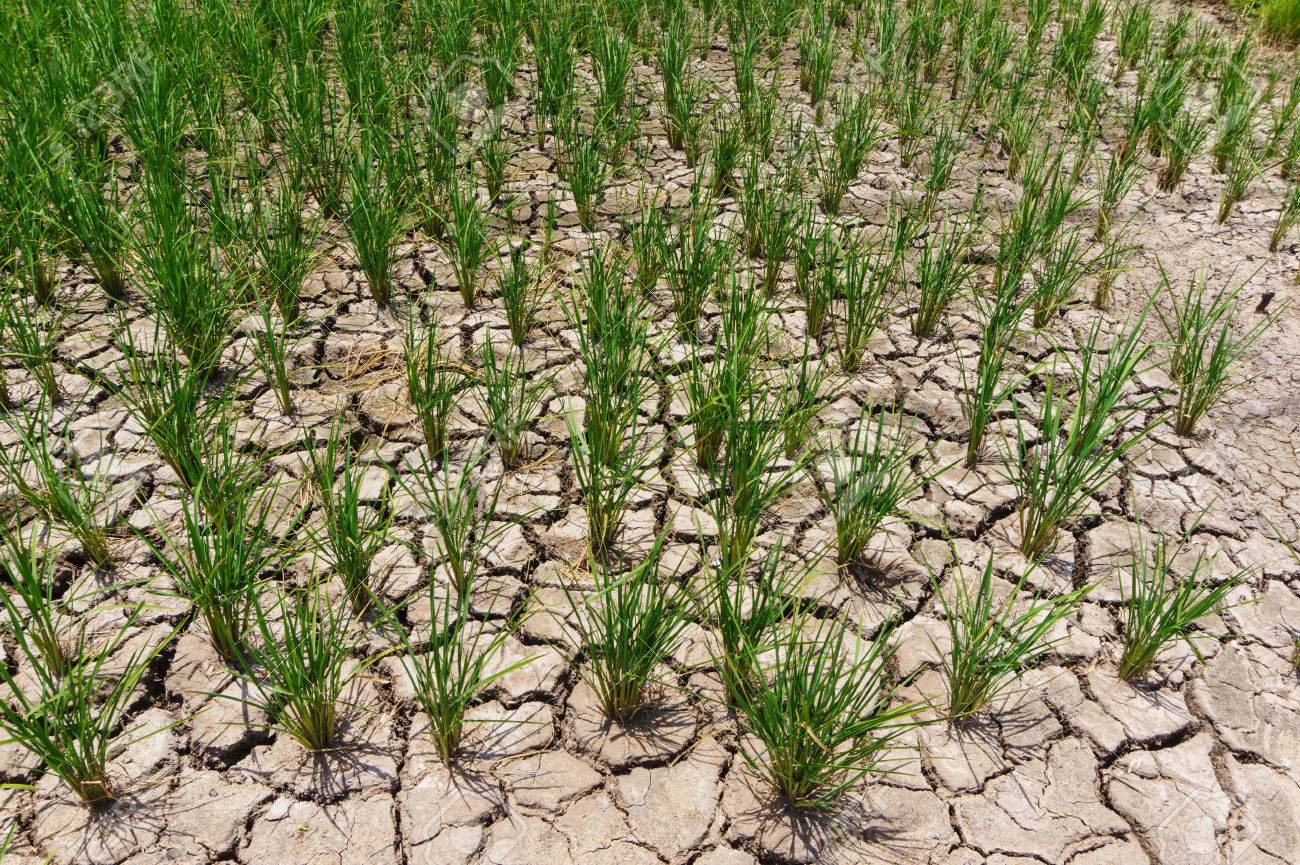
Philippines - Antique farmers urged to plant drought-resistant crops ahead of El Niño
The Antique Office of the Provincial Agriculturist is advising farmers to grow drought-resistant crops in preparation for the possible effects of El Niño.
09.04.2026

India - Farmers Urge Govt To Work On Climate Change Policy, Develop Climate-Resilient Crop Varieties
Farmers who lost their Rabi crops due to untimely hailstorms, rain, and strong winds say compensation is not a foolproof solution to the issue. Instead, the government should develop a comprehensive climate change policy and focus on developing climate-resilient crop varieties, seeds that can withstand excess moisture, resist lodging from strong winds, or mature early enough to escape erratic weather.
09.04.2026
Farmers proffer solutions to tackle Nigeria’s $10bn annual post-harvest losses
Some farmers in the country have proffered workable solutions to address Nigeria’s growing post-harvest losses estimated at $10 billion annually.
09.04.2026

India - Pre-monsoon season emerging as new high-risk period for crops, analysis shows
The monsoon has long been seen as the most destructive season for Indian agriculture, with heavy rains and floods between June and September damaging crops across large areas.
09.04.2026

Azerbaijan plans to insure new crops and boost payments for flood damages
The scope of the agricultural insurance system in Azerbaijan is being expanded, and along with the insurance of new products, the volume of payments for flood and inundation losses is expected to increase, Deputy Chairperson of the Agricultural Insurance Fund (AIF), Laman Aliyeva-Mamishova, told Trend.
08.04.2026
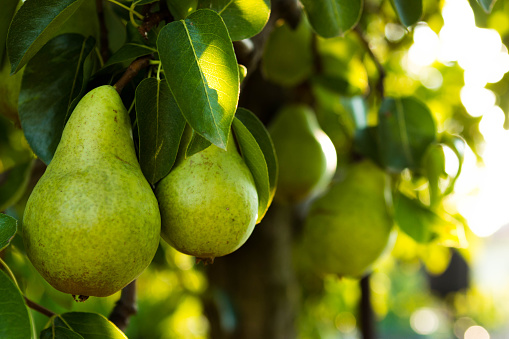
South Korean hail damages 802 hectares of crops in South Jeolla
In South Jeolla Province, a hailstorm caused damage to more than 800 hectares of crops, with the impact concentrated in Naju, the country's main pear production area. This has raised concerns about the 2026 harvest.
08.04.2026
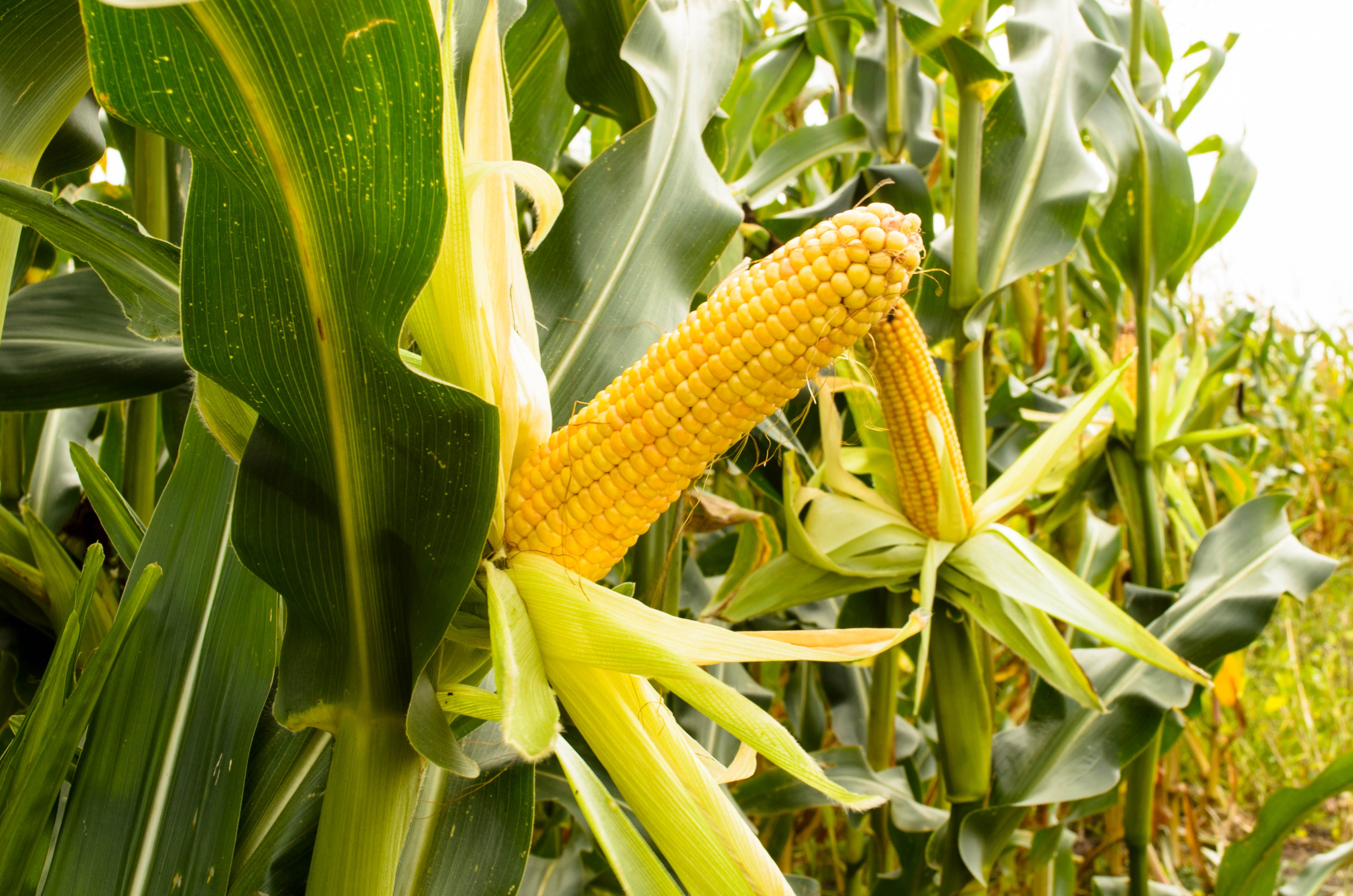
Corn leafhopper caused US$25.8 billion loss over four years in Brazil
The corn leafhopper (Dalbulus maidis), which is considered the crop’s main pest, has caused billions in losses to Brazilian production. A new study has quantified the economic impact of corn stunt diseases on Brazilian production.
