India - Farmers urge state to pay their crop insurance premium

21.11.2016 595 views
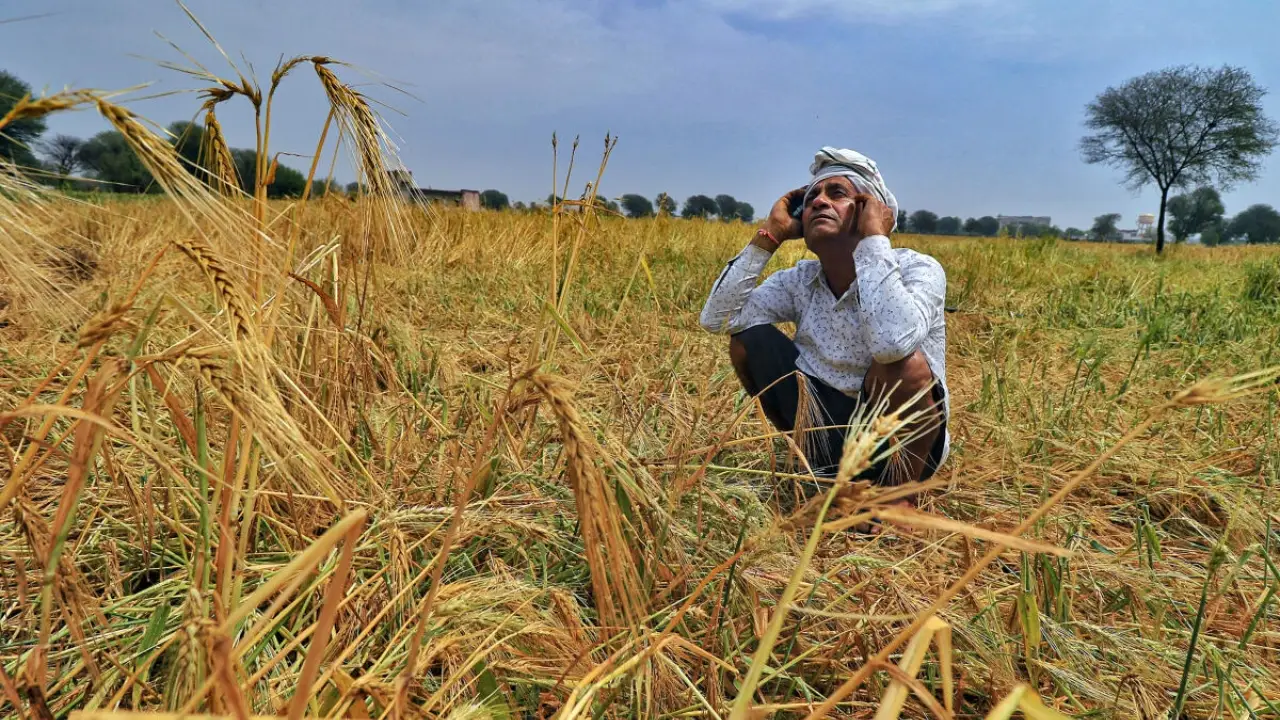
Demonetization has paralyzed the activities of Primary Agriculture Credit Cooperative Societies (PACCS) across the state, restricting farmers from going about routine business including the remittance of premium for crop insurance. Since PACCS are not accepting the old notes, farmers have appealed to the state government to pay the entire premium for crop insurance on behalf of farmres, irrespective of the crop they have raised.
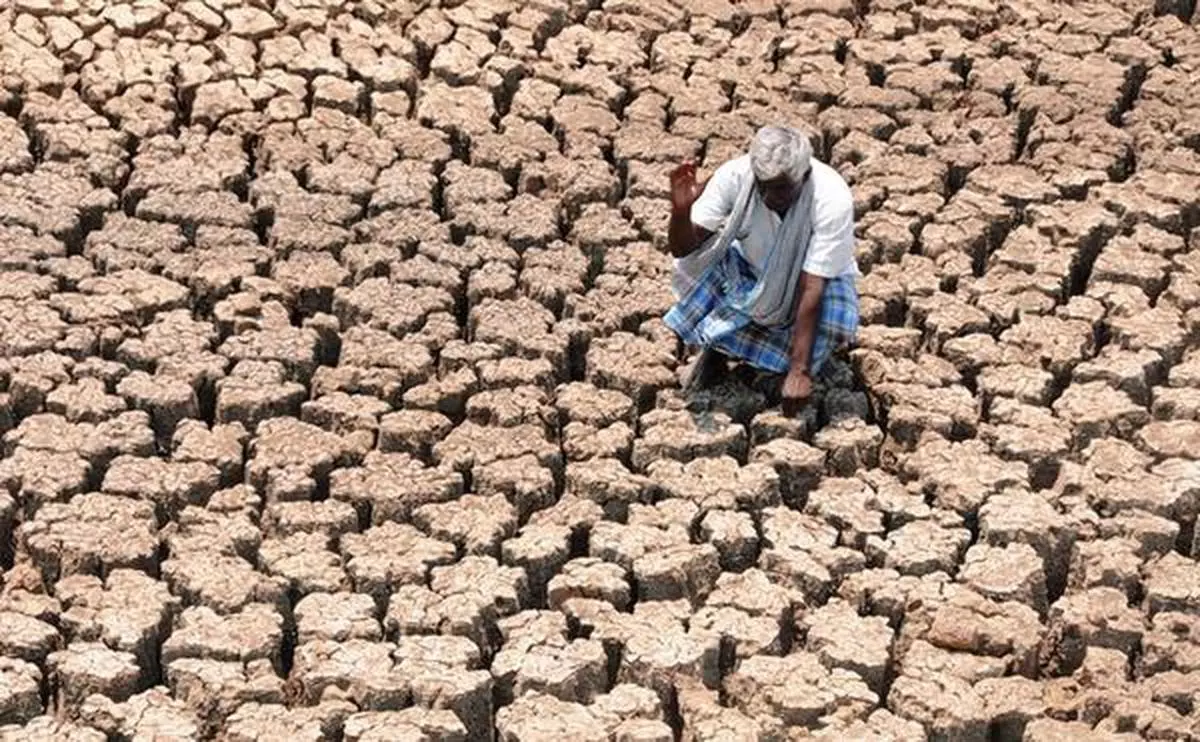
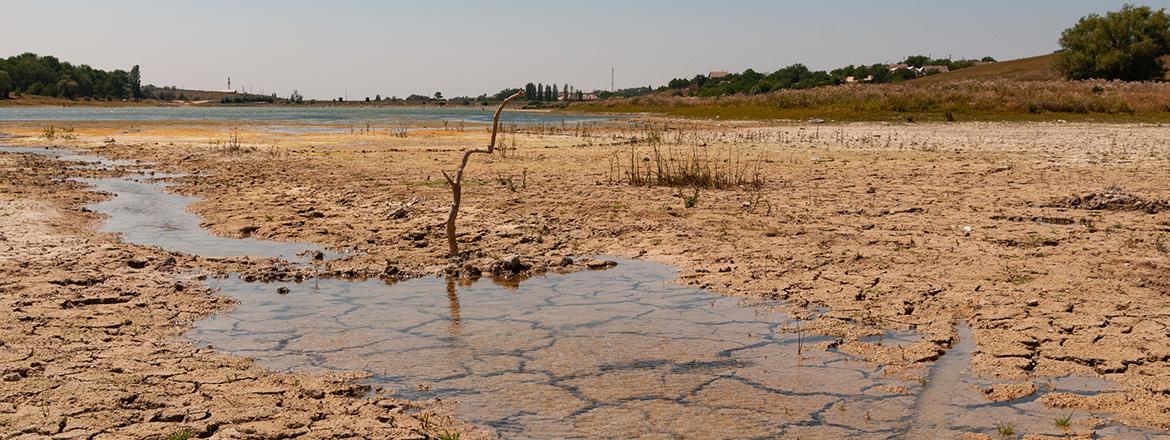
The farming community in the delta region is already in great distress due to the scarcity of water. The depressing situation has already claimed the lives of 11 farmers in the delta region. The only consolation for them is insurance. But due to the scrapping of old notes, farmers are unable even to buy insurance.
"Since all PACCSs have temporarily stopped routine transactions as per the government order, we are unable to remit crop insurance premium. Neither can we get a loan from the bank. Even though the government has extended the last date for submitting applications from November 30 to December 15, we have no money to remit the same," said P Kaliaperumal, a farmer from Nanjikottai in Thanjavur.
Floods had devastated all the fields in delta districts in 2009, said Swamimalai R Vimalnathan, Secretary, Thanjavur District Cauvery Delta Farmers Protection Association. "During the DMK regime, several appeals had been made by farmers, asking the DMK government to remit the premium amount on behalf of farmers. The government took a note of our appeal and remitted the entire premium to the Centre," he said.
Source - http://timesofindia.indiatimes.com

18.08.2026

Philippines - P210.93-million farm aid allocated to areas hit by storms, monsoon rains

The Department of Agriculture (DA) said it will provide P210.93 million worth of farm inputs to assist farmers affected by Tropical Cyclones Luis and Maymay, as well as the enhanced southwest monsoon (habagat).

18.08.2026

Tanzania - Biotechnology reshapes farming through smarter crop protection

For farmers, pest control is increasingly a business decision, with the choice of crop-protection products affecting production costs, yields, farm incomes and access to markets.

18.08.2026

Syria, WFP discuss agricultural development, insurance system

Agriculture Minister Basel al-Suwaidan met on Tuesday with World Food Programme Country Director Marianne Ward to discuss enhancing cooperation on agricultural and development projects to support the sector and strengthen its resilience to challenges.

18.08.2026

USA - Historic Indiana flooding threatens crop potential as farmers continue to evaluate storm damage

Indiana’s State Climatologist says last week’s historic flooding is raising concerns about the long-term impact on the 2026 crop.

18.08.2026

India - El Niño Threatens Andhra Pradesh with Rainfall Deficit; Government Unveils Five-Point Response Plan

Andhra Pradesh is preparing for a potentially difficult water and agricultural season as the State faces significant rainfall deficiency and declining water availability, with Chief Minister N. Chandrababu Naidu urging officials, legislators and farmers to prepare for the impact of El Niño.

18.08.2026

USA - Two-part plan aims to protect upstream farmers from Fargo-Moorhead flood diversion losses

Federal and local officials outlined a two-part plan Tuesday to protect upstream farmers whose land may be inundated during operations of the Fargo-Moorhead flood diversion project.

17.08.2026

India - Himachal Pradesh Rolls Out Farm Machinery Insurance Scheme to Curb Agricultural Fatalities

Himachal Pradesh introduces a specialized insurance scheme to compensate farmers and laborers injured or killed by agricultural machinery.

17.08.2026

Nigeria’s partial crop losses triple to 20 percent as climate, insecurity hit farms —World Bank report

Partial crop losses on Nigerian farms have more than tripled in five years, climbing from roughly six percent of cultivated plots in the 2018/19 season to more than 20 percent in 2023/24, according to a World Bank analysis of General Household Survey–Panel data.