

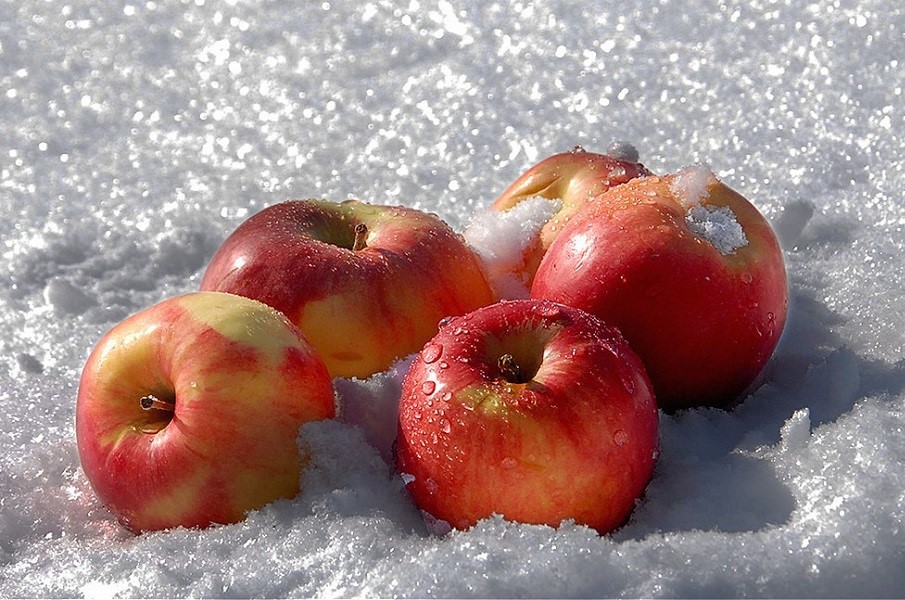
India - Kashmir Valley snow damage will influence apple production coming years
16.11.2018 389 views
The recent untimely snowfall in the Kashmir Valley that caused so much damage to the orchards, may badly hit apple production in coming years as well. The snowfall that happened in the valley last week, besides leading to the breakdown of services for days, badly hit the fruit industry.
The Indian government announced there would be compensation for the farmers but horticultural authorities are yet to assess the damage. The expressed the fears, however, that the damage caused to the apple trees will badly affect production in coming years.
Four districts of south Kashmir including Anantnag, Pulwama, Kulgam and Shopian were the worst hit. Orchardists there suffered heavily as the snow not only damaged their fruit bearing trees but also their yet to be harvested fruit. Chief Horticulture Officer from Anantnag, Mohammad Yasin, said they are still carrying out the assessment of the damage caused to the horticulture sector. "As per the preliminary assessment the damage is about 30 percent but once the proper assessment is carried out we will come up with the exact damage report."
He, however, said that the damage caused to the fruit bearing trees will definitely hit the production in coming years. "Since the huge fruit bearing trees were completely damaged the apple production will be hit badly. There will be at least a 20 percent drop in apple production next year.”
A total of 144,825 hectares of land are used for fruit production in the valley, producing 1,7 million tons of fruit annually.
Source - http://www.freshplaza.com
EVENTS

ScaleAgData Stakeholder Engagement Event
22.10.2024The ScaleAgData project is pleased to invite you to our second stakeholder event. Building on the discussions and connections formed during our first webinar, this event will focus on fostering collaboration among stakeholders, providing updates on our project’s progress, and outlining future opportunities for engagement.

12.03.2026

USA - Software vendor sues FCIC after regulators reverse agent compensation rules
The firm alleges it invested nearly $20 million based on federal approvals later reversed.
12.03.2026

Philippines - Eastern Visayas to pilot mangrove insurance program
Hundreds of residents along the coast of Cancabato Bay were saved when Typhoon Yolanda struck this city in November 2013, thanks to a mangrove forest established by a local fishing community.
12.03.2026
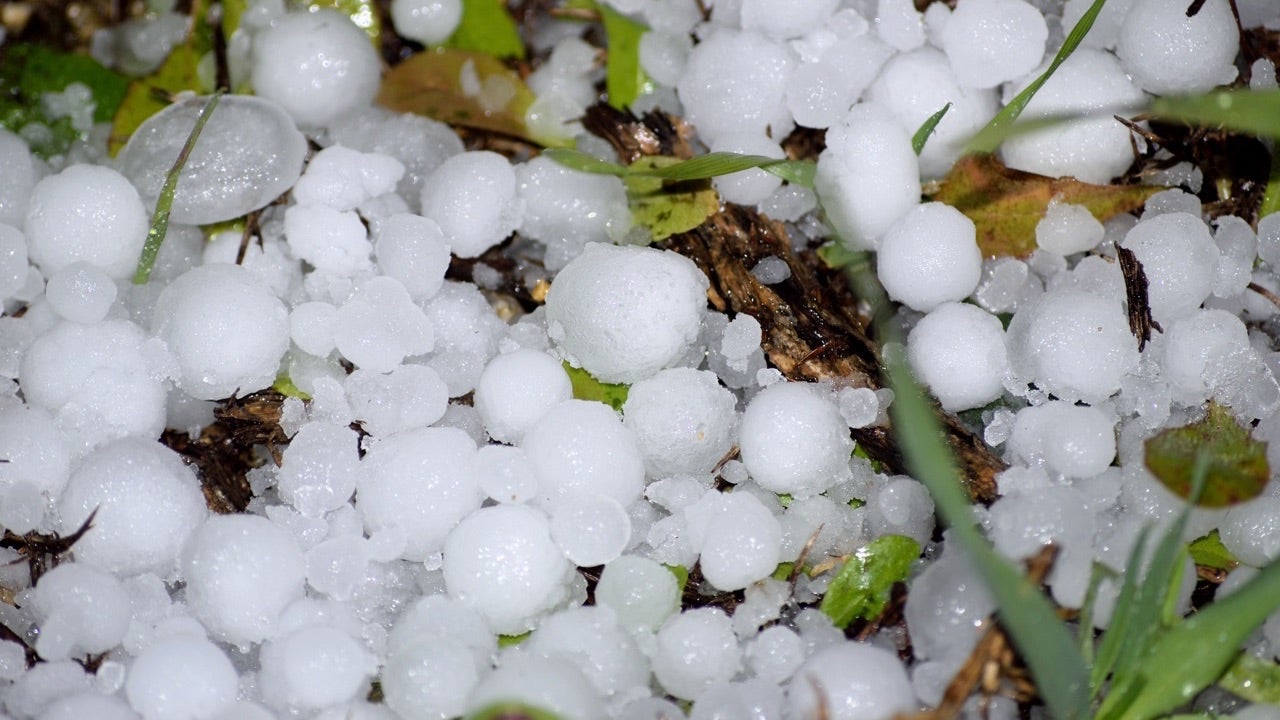
India - Farmers fear yield loss after hailstorm in Ajnala villages
Intermittent drizzling accompanied by moderate winds and sporadic hailstorms in parts of the region early Thursday morning led to a noticeable drop in temperature, providing relief from the recent spell of rising heat.
12.03.2026
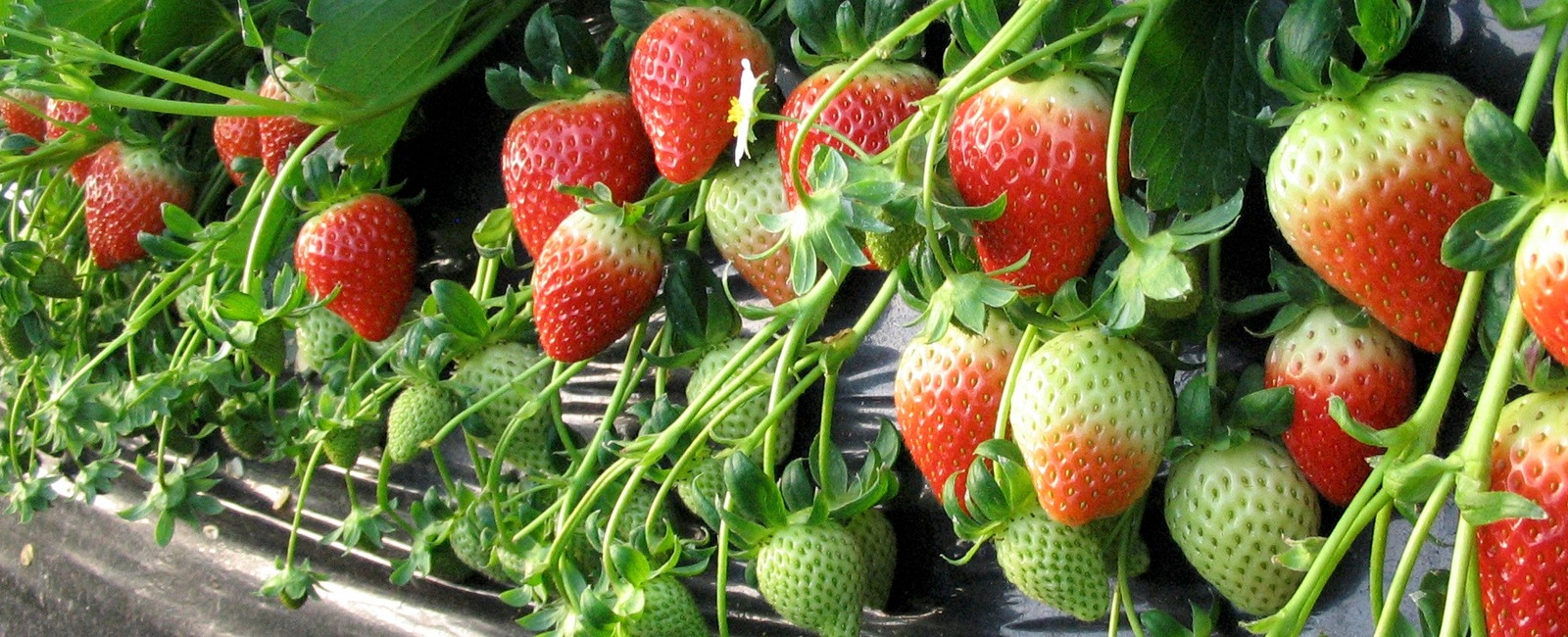
USA - As strawberry season begins, SC farmers are wary of disease threat that could ruin crops
South Carolina strawberry farmers are approaching spring with cautious optimism.
12.03.2026
Philippines - PCIC: Over 80% of farmers’ insurance claims released within 20 days
The majority of insurance claims of farmers and fishers have been released within the standard 20-day processing period in 2025, according to the Philippine Crop Insurance Corporation (PCIC).
12.03.2026
India - Centre to procure 100% tur dal from farmers in Madhya Pradesh
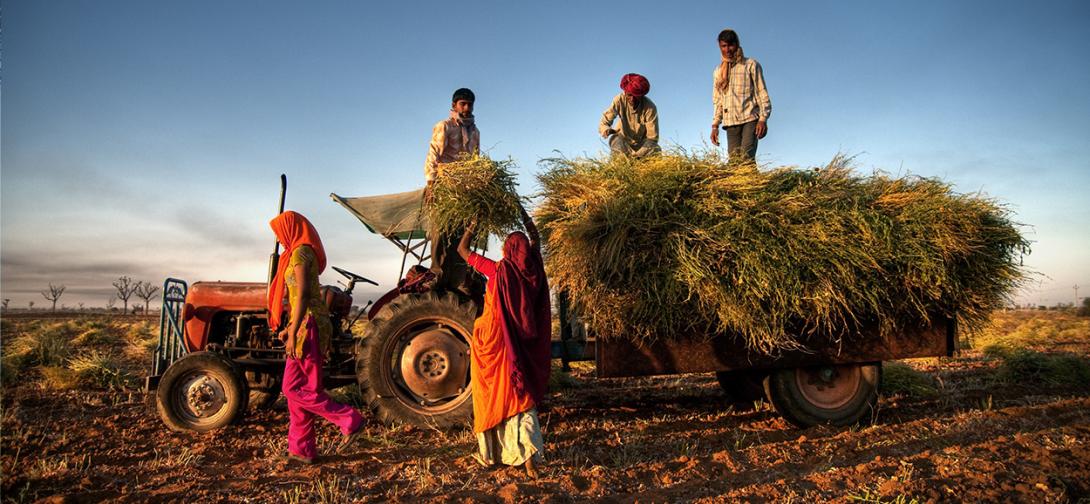
Union Agriculture Minister Shivraj Singh Chouhan on Thursday approved 100% procurement of tur (pigeon pea) dal from Madhya Pradesh, a move aimed at protecting farmers from any fall in market prices.
11.03.2026

Scaling up crop insurance in Africa for climate resilience and agricultural transformation
As climate change impacts intensify, African economies face increasing exposure to extreme weather events. The World Bank estimates that nearly 18% of the world’s population is at risk from severe weather events from which recovery would be difficult; in Africa, that number is 37%.
11.03.2026
USA - Specialty Crop Losses Outpace Federal Bridge Assistance Funding
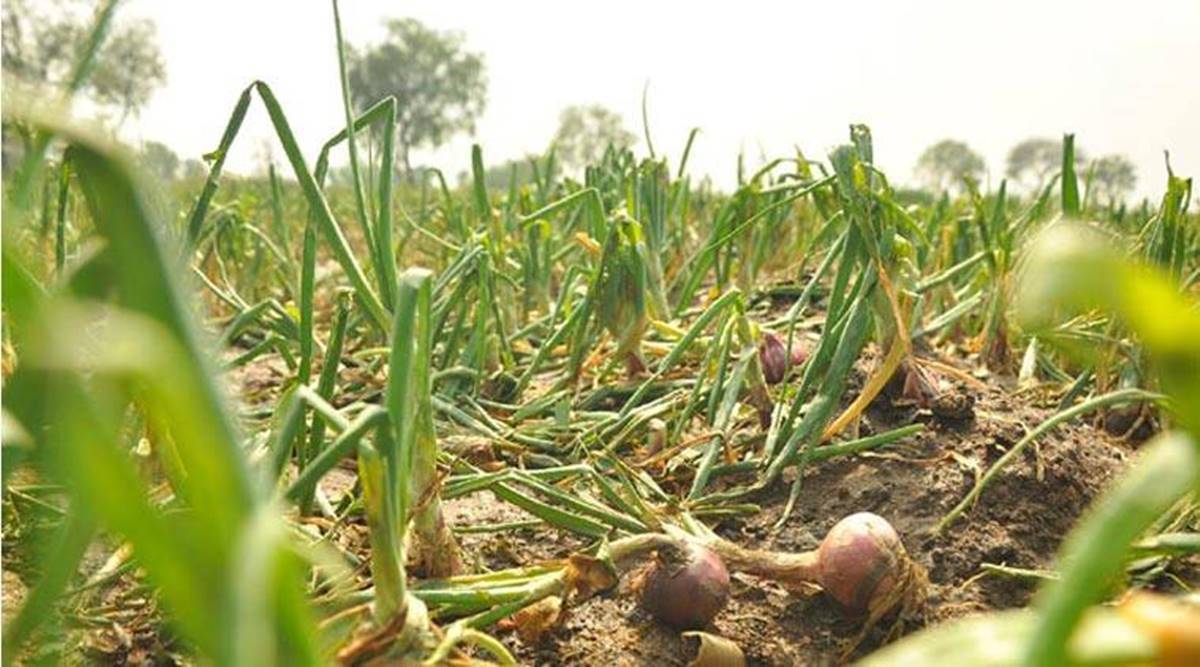
The U.S. Department of Agriculture (USDA) is rolling out a new Farmer Bridge Assistance (FBA) program for specialty crops — that is, crops not included in the first $1 billion relief package — but early analysis from Terrain suggests economic losses across the sector far exceed available funding.
