

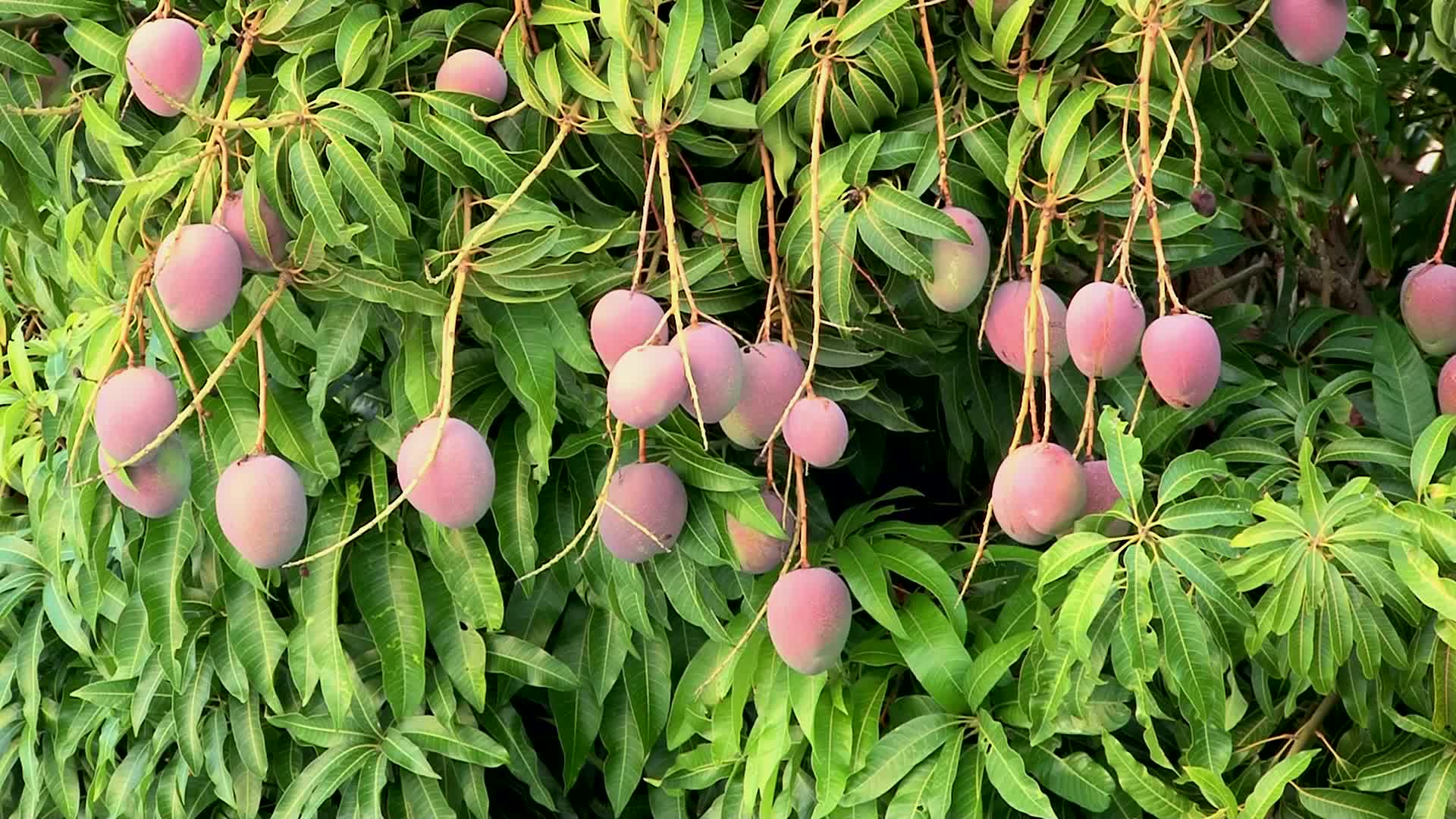
India - Mango yield likely to reduce by 60% in Dharwad, Belagavi
28.03.2018 862 views
The dream of the mango growers in Dharwad and Belagavi districts of getting a good yield this season has begun to shatter due to untimely rain that lashed the region last week. The two districts are known for growing Alphonso (Aapus) mango and cater to nearly 50% of the demand in state.
Even as growers were expecting a quality yield, rain played a spoilsport. Another major concern bothering growers is the Harper’s disease attacking the crop. The disease damages mango fruit before ripening.
The Harper’s disease is characterised by mango malformation. Affected seedlings have very short internodes. They are swollen and their growth is abnormal.
In floral malformation, flower buds are transformed into vegetative buds and a large number of small leaves and stems, which are characterized by appreciably reduced internodes and give an appearance of witch’s broom. The flower buds seldom open and remain dull green. The disease is mainly spread via infected plant material.
The mango bud mite, Aceria mangiferae, has been associated with mango malformation disease as wounds from the mites feeding activity are thought to facilitate fungal infection.
Mango growers in Dharwad and Belagavi districts, who struggled against all odds to get some yield are disheartened. They are now knocking on the doors of the University of Agriculture Sciences to protect their yield against the Harper’s disease.
Along with this, untimely rain is also causing huge loss to farmers. Heavy rain companied by gusty wind is resulting in mango fall.
Mangoes grown in the region find a market not only in Karnataka but also in neighboring Goa, Kerala, Maharashtra, Gujarat, and Andra Pradesh. But experts say that untimely rain and Harper’s disease will reduce the yield by 60% this season.
Joint director of agriculture T Rudresh told TOI that Dharwad is the largest district in the state growing Alphonso quality mango. Mango is grown on nearly 25,000 acres of land here. If there is a conducive climate, the district can get a yield of 7,590 metric tonnes. Belagavi is the second largest mango growing district. Like last year, this time too untimely rain has rubbed salt on the wounds of mango growers and the Harper’s disease has compounded the problem, Rudresh added.
Source - https://timesofindia.indiatimes.com
EVENTS

ScaleAgData Stakeholder Engagement Event
22.10.2024The ScaleAgData project is pleased to invite you to our second stakeholder event. Building on the discussions and connections formed during our first webinar, this event will focus on fostering collaboration among stakeholders, providing updates on our project’s progress, and outlining future opportunities for engagement.
RISK EVENTS

Moldova - May frosts caused heavy damage to fruit orchards
10.05.2026The first frosty nights of May have significantly worsened estimates of damage to Moldova's fruit sector from spring frosts. According to initial assessments by fruit market operators, between a quarter and a third of the country's total orchard area was seriously affected.
11.10.2026
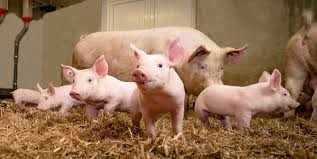
India - Tripura JICA Project, ARDD Conduct Training on Scientific Pig Rearing in Khowai
A two-day capacity-building programme on scientific pig rearing, livestock health management and livestock insurance was organised at the Chakmaghat Beat Meeting Hall in Khowai on October 7–8 under the Tripura Sustainable Catchment Forest Management Project (SCATFORM), a JICA-assisted initiative of the Forest Department, in collaboration with the Animal Resources Development Department (ARDD).
11.10.2026

Philippines - Iloilo Province sets P82-M emergency fund for water shortages, crop losses
The Iloilo Provincial Government is preparing for a potentially prolonged nine-month drought emergency extending until June 2027, with an P82-million quick response fund on standby as authorities brace for severe water shortages, agricultural losses and other threats from a forecast super El Niño.
11.10.2026
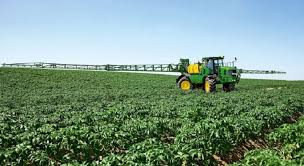
NCAM boss seeks more equipment to curb Nigeria’s post-harvest losses
The Executive Director, National Centre for Agricultural Mechanisation (NCAM), Julius Oluwamuyiwa Oloro, has called for increased development and fabrication of agricultural preservation equipment to reduce post-harvest losses and strengthen Nigeria’s food security.
11.10.2026
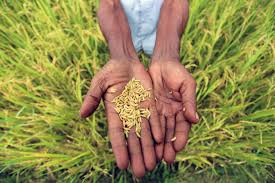
Crop nutrient loss threatens public health in Bangladesh
Declining nutritional quality of food crops, combined with soil nutrient depletion and limited dietary diversity, is emerging as a growing threat to public health in Bangladesh and across the world, with millions of people facing hidden hunger despite consuming sufficient calories.
11.10.2026
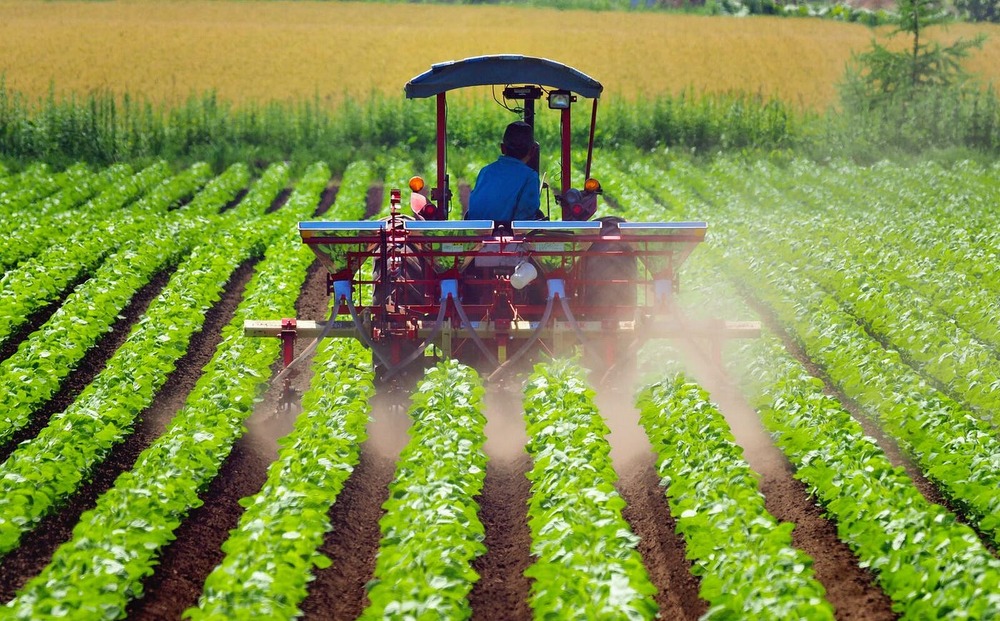
Brazil launches El Niño climate risk platform for agriculture
Brazil's Ministry of Agriculture and Livestock (Mapa) has launched an information platform covering El Niño and its potential impacts on agriculture. Developed with the National Institute of Meteorology (Inmet), the platform combines climate data, risk management tools, and technical guidance for the agricultural sector.
11.10.2026
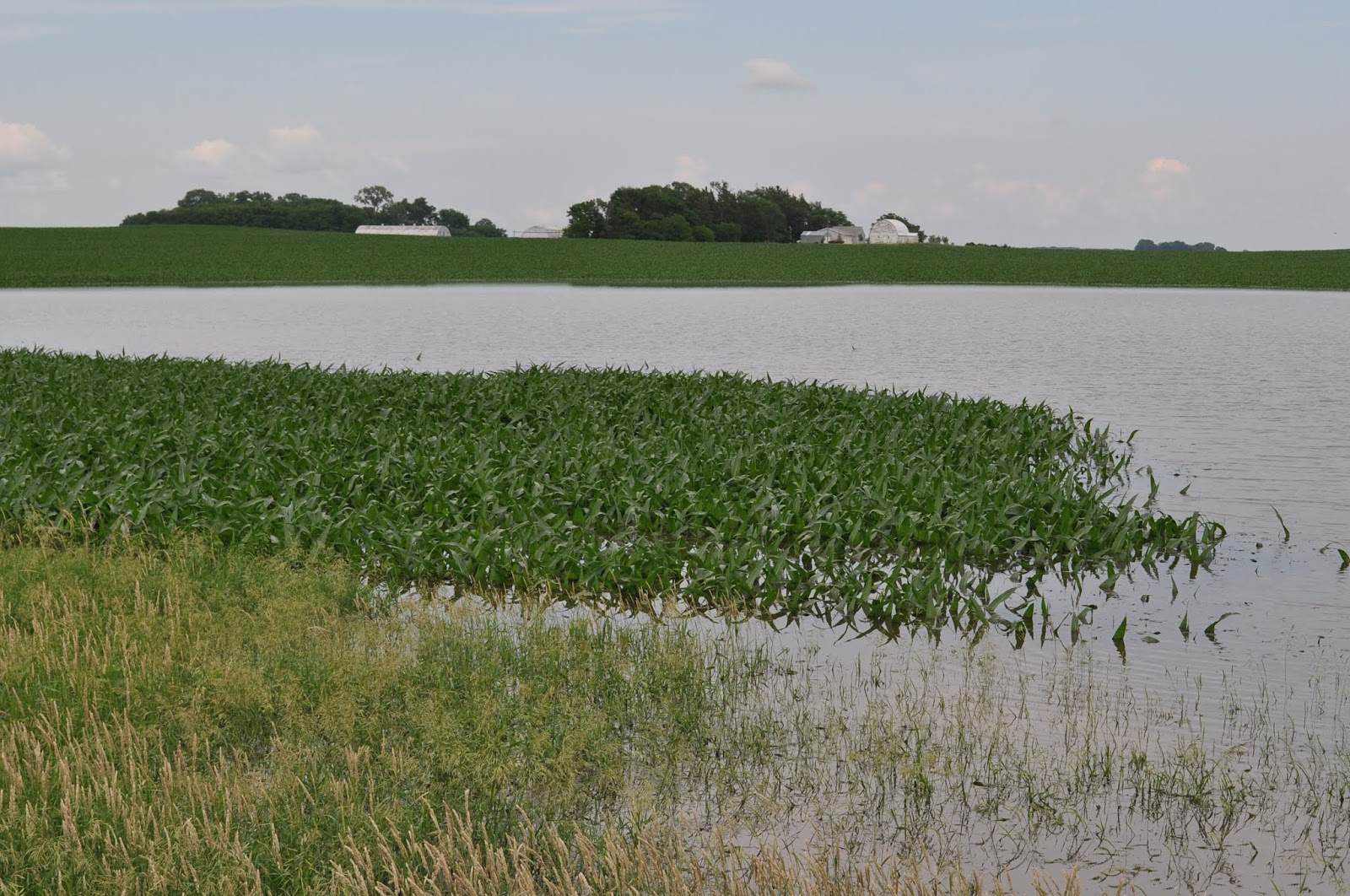
Flooding destroys over 80% of potato crop on Greece's Crete
Five consecutive days of heavy rain and thunderstorms have caused flooding, landslides, and agricultural damage across Crete, Greece, with potato and vegetable crops among those affected.
07.10.2026
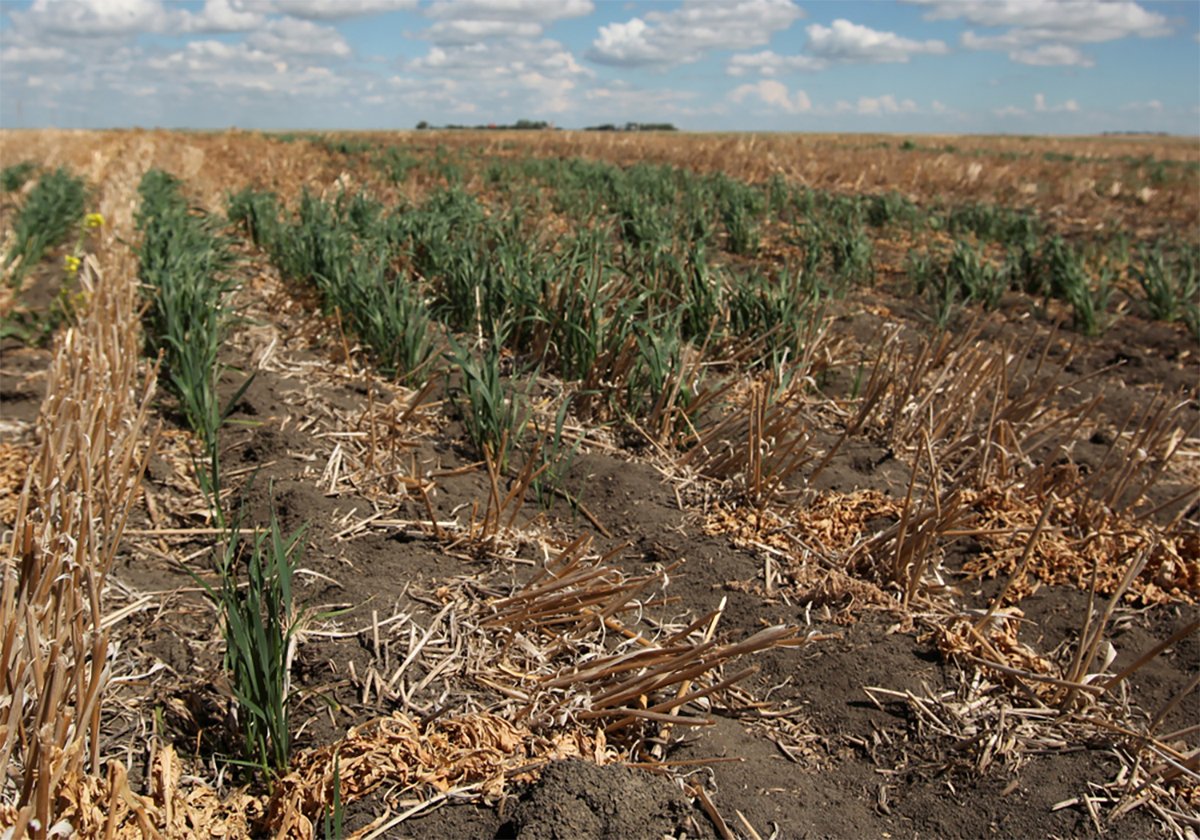
India - Goa paddy crop hit by rainfall deficit, around 20 hectares affected
Goa’s paddy crop has been affected by deficient monsoon rainfall, with preliminary reports estimating damage to around 20 hectares of cultivated fields across the state.
07.10.2026
Post-Harvest Loss: How NASENI’s Local Innovations Are Safeguarding Nigeria’s Agricultural Yields
Every year, Nigerian farmers face a quiet tragedy that unfolds long after seeds are sown and crops are nurtured. Beneath the scorching sun, vast fields produce abundance, only for a staggering percentage of this yield to rot in transit, spoil in sub-optimal storage, or decay due to lack of immediate processing infrastructure.
