New Zealand - Bugs threaten billion-dollar kiwifruit industry

18.10.2018 437 views
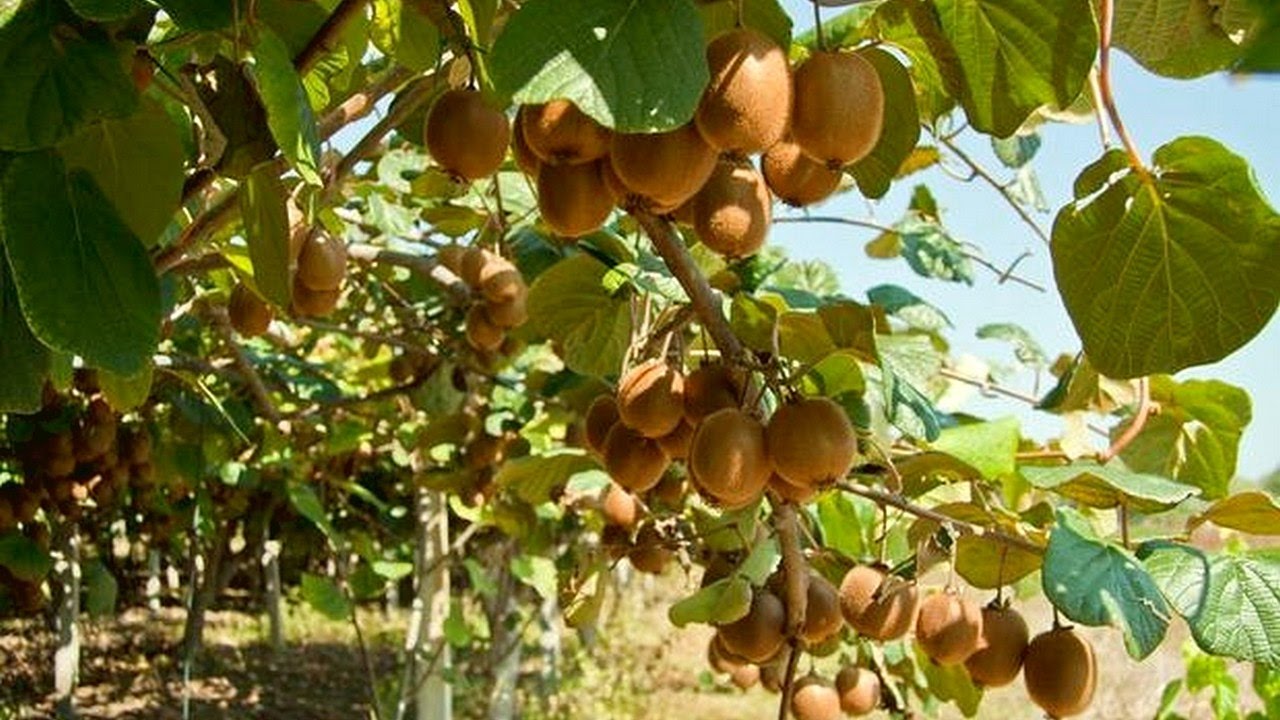
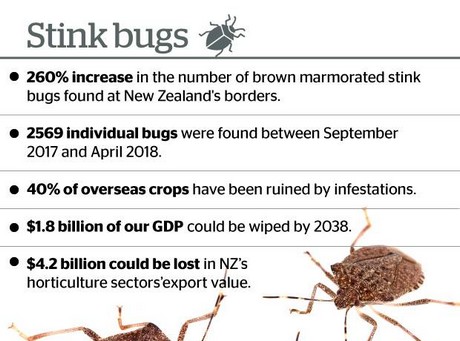
An increase of 260% in the number of brown marmorated stink bugs found at New Zealand's borders has heightened the billion-dollar risk to the economy of the Bay of Plenty. Ministry for Primary Industries figures show a total of 2,569 individual bugs being found from September 2017 to April 2018. This period of time is known as the "risk season" when stink bugs from the Northern Hemisphere are most likely to crawl into cargo heading to New Zealand. So far, this season, biosecurity officers have detected two dead bugs, which were destroyed. Kiwifruit Vine Health chief executive Stu Hutchings said the impact from the bugs could be massive for the local industry. In Italy the bugs have been found to cause up to a 40% drop in kiwifruit prior to harvest by damaging the fruit: "This could wipe income of growers and have an impact on GDP of between $1.8 billion by 2038. The horticulture sectors' export value could fall by up to $4.2 billion." The stink bugs are voracious eaters and during winter hibernate in people's houses. If disturbed, they give off a nasty smell. After winter they then come out and eat everything as they search for a mate. They are also especially difficult to eradicate. Hutchings said many plants, gardens, trees and native plants could be impacted by the bugs and many other industries could potentially be affected. The risk of an incursion was "constantly getting higher as we bring goods into New Zealand or people travel here". Source - http://www.freshplaza.com
09.04.2026

Moldova - Farmers received 117 million lei in insurance subsidies

The Agency for Investments and Payments in Agriculture (AIPA) announced that it has completed the payment of insurance subsidies (70% of the amount of insurance premiums) for 654 farmer applications received between February 1 and September 30, 2025. The total amount of subsidies to this category for last year amounted to LE 117.08 million.

09.04.2026

Philippines - Antique farmers urged to plant drought-resistant crops ahead of El Niño

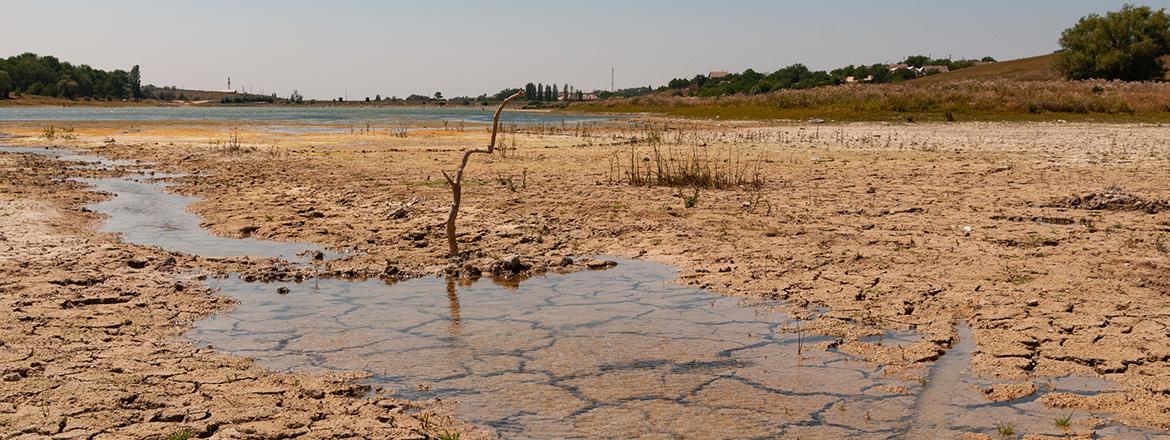
The Antique Office of the Provincial Agriculturist is advising farmers to grow drought-resistant crops in preparation for the possible effects of El Niño.

09.04.2026

India - Farmers Urge Govt To Work On Climate Change Policy, Develop Climate-Resilient Crop Varieties

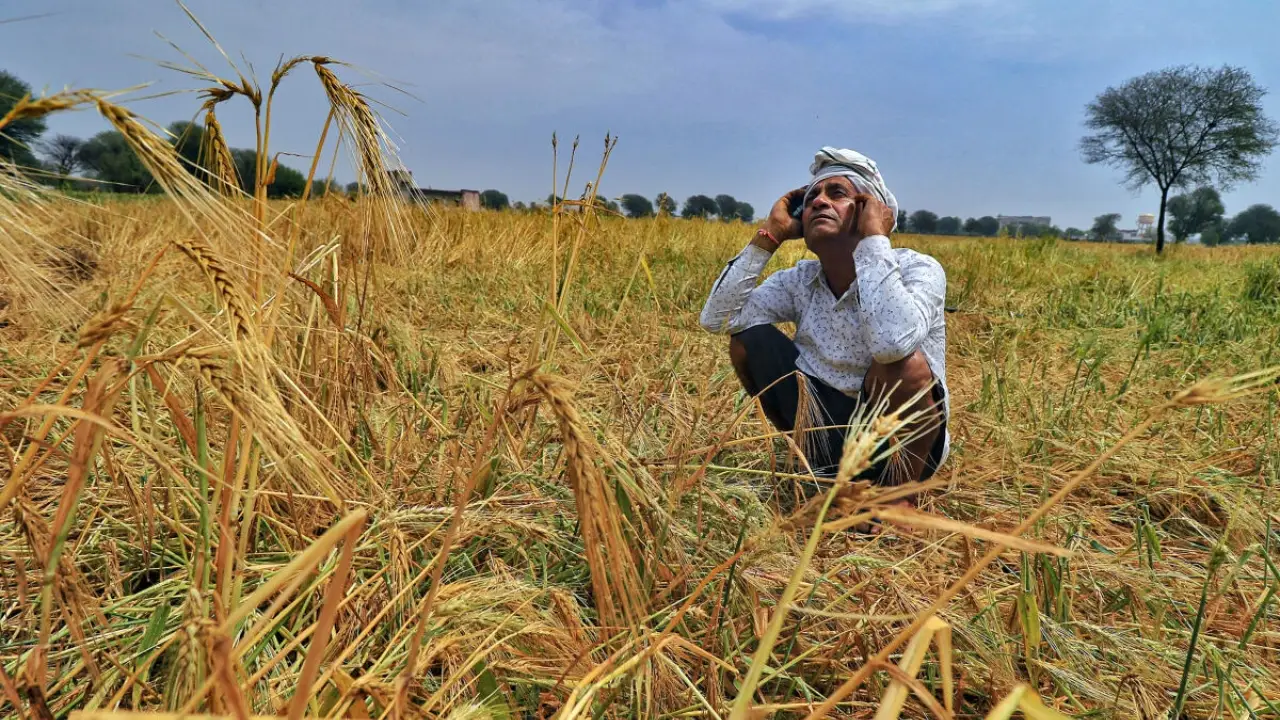
Farmers who lost their Rabi crops due to untimely hailstorms, rain, and strong winds say compensation is not a foolproof solution to the issue. Instead, the government should develop a comprehensive climate change policy and focus on developing climate-resilient crop varieties, seeds that can withstand excess moisture, resist lodging from strong winds, or mature early enough to escape erratic weather.

09.04.2026

Farmers proffer solutions to tackle Nigeria’s $10bn annual post-harvest losses

Some farmers in the country have proffered workable solutions to address Nigeria’s growing post-harvest losses estimated at $10 billion annually.

09.04.2026

India - Pre-monsoon season emerging as new high-risk period for crops, analysis shows

The monsoon has long been seen as the most destructive season for Indian agriculture, with heavy rains and floods between June and September damaging crops across large areas.

09.04.2026

Azerbaijan plans to insure new crops and boost payments for flood damages

The scope of the agricultural insurance system in Azerbaijan is being expanded, and along with the insurance of new products, the volume of payments for flood and inundation losses is expected to increase, Deputy Chairperson of the Agricultural Insurance Fund (AIF), Laman Aliyeva-Mamishova, told Trend.

08.04.2026

South Korean hail damages 802 hectares of crops in South Jeolla

In South Jeolla Province, a hailstorm caused damage to more than 800 hectares of crops, with the impact concentrated in Naju, the country's main pear production area. This has raised concerns about the 2026 harvest.

08.04.2026

Corn leafhopper caused US$25.8 billion loss over four years in Brazil

The corn leafhopper (Dalbulus maidis), which is considered the crop’s main pest, has caused billions in losses to Brazilian production. A new study has quantified the economic impact of corn stunt diseases on Brazilian production.