


Poor rains, fall armyworm leaves Southern Africa vulnerable
12.02.2018 753 views
Prolonged dry spells, erratic rainfall, high temperatures and the presence of the voracious fall armyworm have significantly dampened Southern Africa's current agricultural season's cereal production prospects. Early action in the form of consolidating information through assessments and anticipatory measures that reduce the impact of threats are crucial for an effective response.
Fall Armyworm, which first emerged last season, has compounded the situation as it continues to spread within national territories and beyond. The pest is now present across the Southern African Development Community (SADC) except Mauritius and Lesotho. Partial fall armyworm monitoring has pointed to Malawi as the hotspot in the 2017/18 season, and the country has since declared a national disaster.
"FAO concludes that the damage may already have been done. Whether the dry spells continue, or a lot of rainfall is received within a short period, crop production is likely to be negatively affected and consequently, water supplies for humans and livestock," said David Phiri, the FAO Subregional Coordinator for Southern Africa.
Poor season signals food and nutrition insecurity, limits income-generating opportunities
A Special Alert issued by the Food Nutrition and Security Working Group Southern Africa (FNSWG) painted a worrying picture of the situation, as many farmers from the region planted late while in some areas of Botswana, southern Mozambique and Zimbabwe did not plant at all. According to the Alert, South Africa - the largest producer of white maize in the region--has reported a 22 percent decline in area planted this season.
The poor rains and the presence of the fall armyworm, Special Alert says, have far reaching consequences on access to adequate food and nutrition during the 2018/19-consumption year. Additionally, this will limit income-generating opportunities resulting in far reaching consequences on food and income security gains made in recent years.
The outlook marks a sharp swing from a largely successful 2016/17 summer cropping season that saw a significant improvement in cereal output across the region. However, the 2016/17 season is sandwiched by poor seasons as 2015/16 was characterized by an El Niño induced drought that left the region with a huge cereal deficit.
Southern Africa continues to experience shocks
Intermittent rains preceded the two seasons, which affected crop production and affected pastures. In some cases, a diametrically opposite situation prevailed, as some areas, for example in parts of Mozambique and Malawi where floods washed crops and livestock away.
Southern Africa continues to experience weather shocks, which threaten human, and livestock and these have become more pronounced with changes in climate. Phiri said it was imperative that stakeholders including the UN, SADC, funding partners, non-governmental organizations and the private sector come together to attain a "convergence of thought on the evolving situation."
"There is an urgent need to determine the scale and possible impact of the prolonged dry spell on the season and intervene immediately. It is equally important to draw lessons from previous experiences and implement proven resilience-building interventions such as prepositioning water infrastructure, supplementary feeds and disease surveillance for livestock," added Phiri.
Additional interventions which proved successful in the past seasons include input support for winter crop production on existing irrigation facilities, capacitating farmers for good post-harvest practices to minimize and avoid further losses as well as input support to restore agricultural production in the 2018/19 main cropping season.
Source - https://bulawayo24.com
EVENTS

ScaleAgData Stakeholder Engagement Event
22.10.2024The ScaleAgData project is pleased to invite you to our second stakeholder event. Building on the discussions and connections formed during our first webinar, this event will focus on fostering collaboration among stakeholders, providing updates on our project’s progress, and outlining future opportunities for engagement.
RISK EVENTS
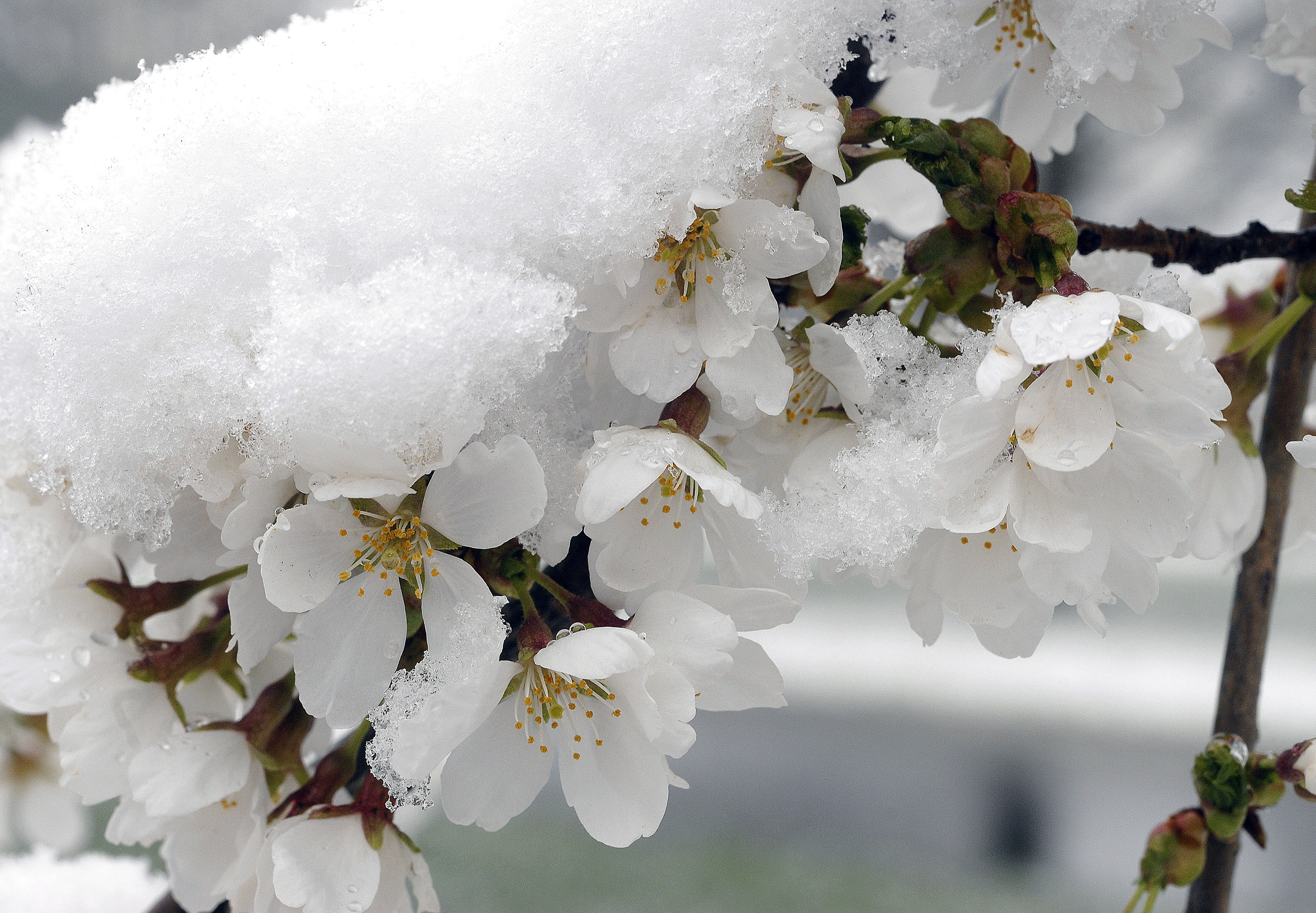
Moldova - May frosts caused heavy damage to fruit orchards
10.05.2026The first frosty nights of May have significantly worsened estimates of damage to Moldova's fruit sector from spring frosts. According to initial assessments by fruit market operators, between a quarter and a third of the country's total orchard area was seriously affected.
29.10.2026
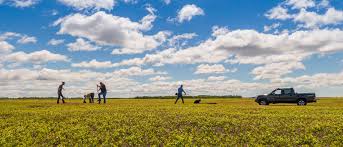
USA - Aon and SAGE launch precision crop insurance program
Aon and agricultural risk intelligence company SAGE have announced a crop insurance program with AgriCap, targeting corn and soybean growers in 15 states for the 2027 crop year.
29.10.2026
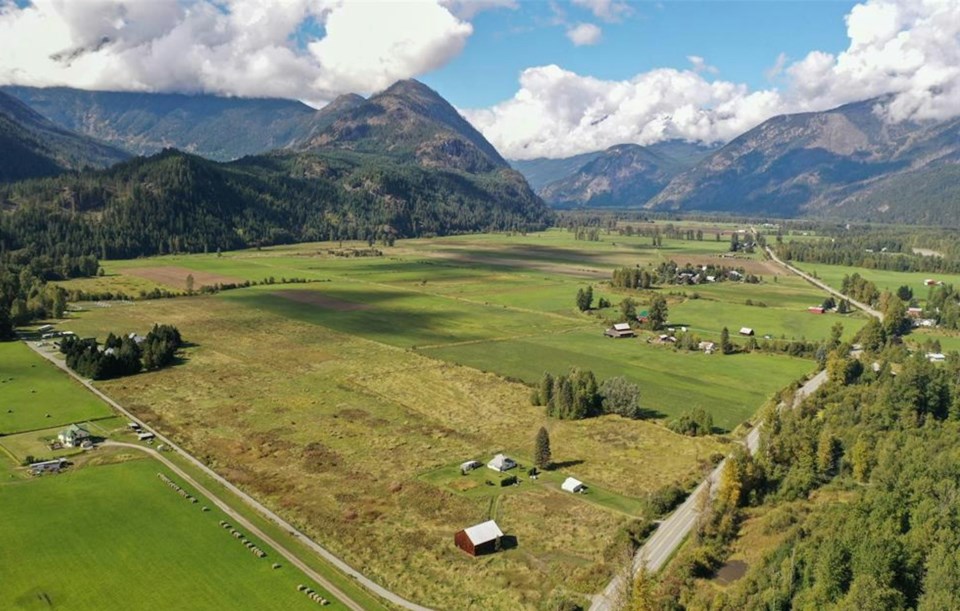
Canada - BC crop insurance programme ‘not fit for purpose’
Producers in British Columbia are struggling in the wake of “unprecedented” smoke taint in the Okanagan Valley due to a discrepancy in the government’s insurance initiative.
29.10.2026
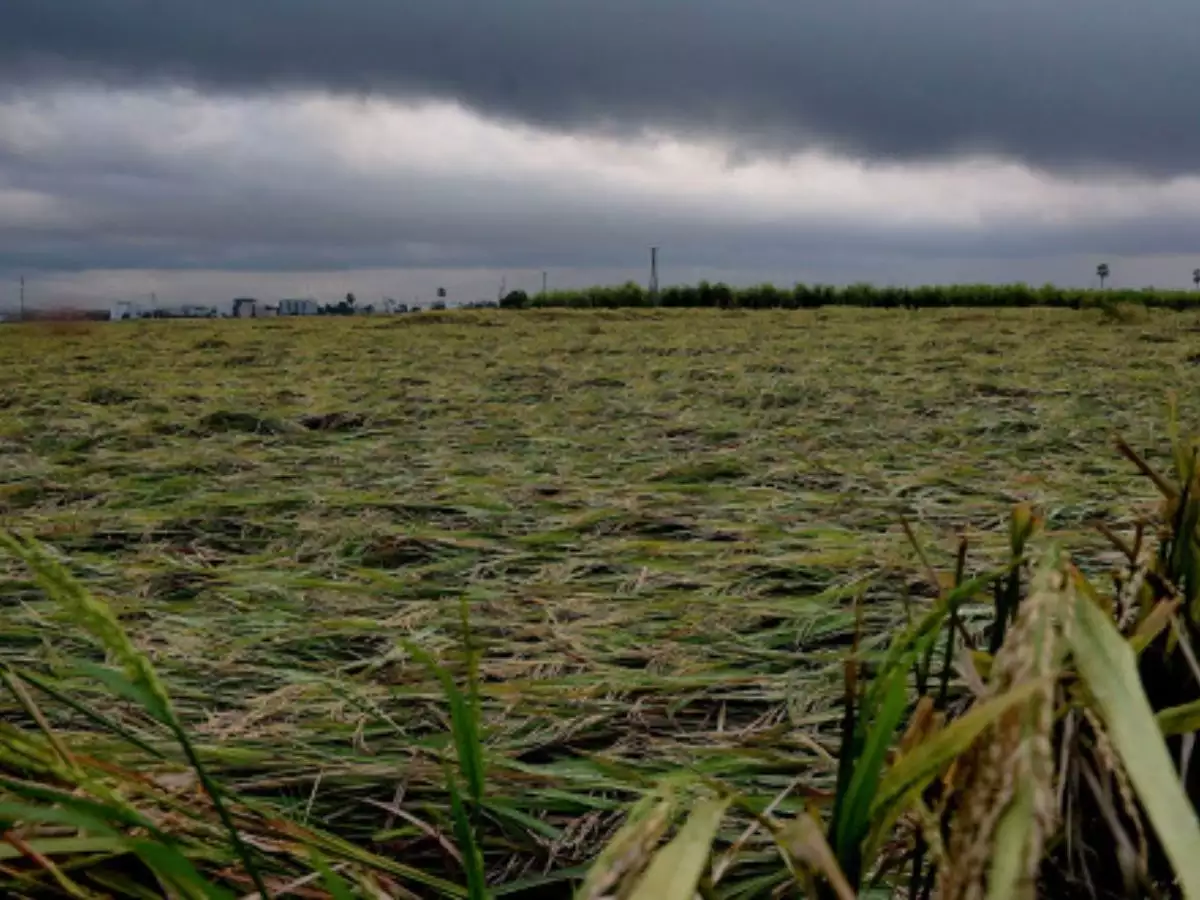
India - Guv stresses zero casualties, crop protection
Governor Brajmohan Ram Wednesday stressed the need to ensure zero casualties and minimise crop damage amid Cyclone Arnab.
29.10.2026
China - Regulation to ease herders' financial woes
Claims process in Xizang streamlined, payouts for damage by wildlife rise 10%.
29.10.2026
USA - Congress Faces Major Shake-Up as Agriculture Leaders Prepare to Leave Washington
At least 14 agriculture committee members are leaving Congress, raising concerns over the farm bill, USDA funding and the future of U.S. farm policy.
29.10.2026
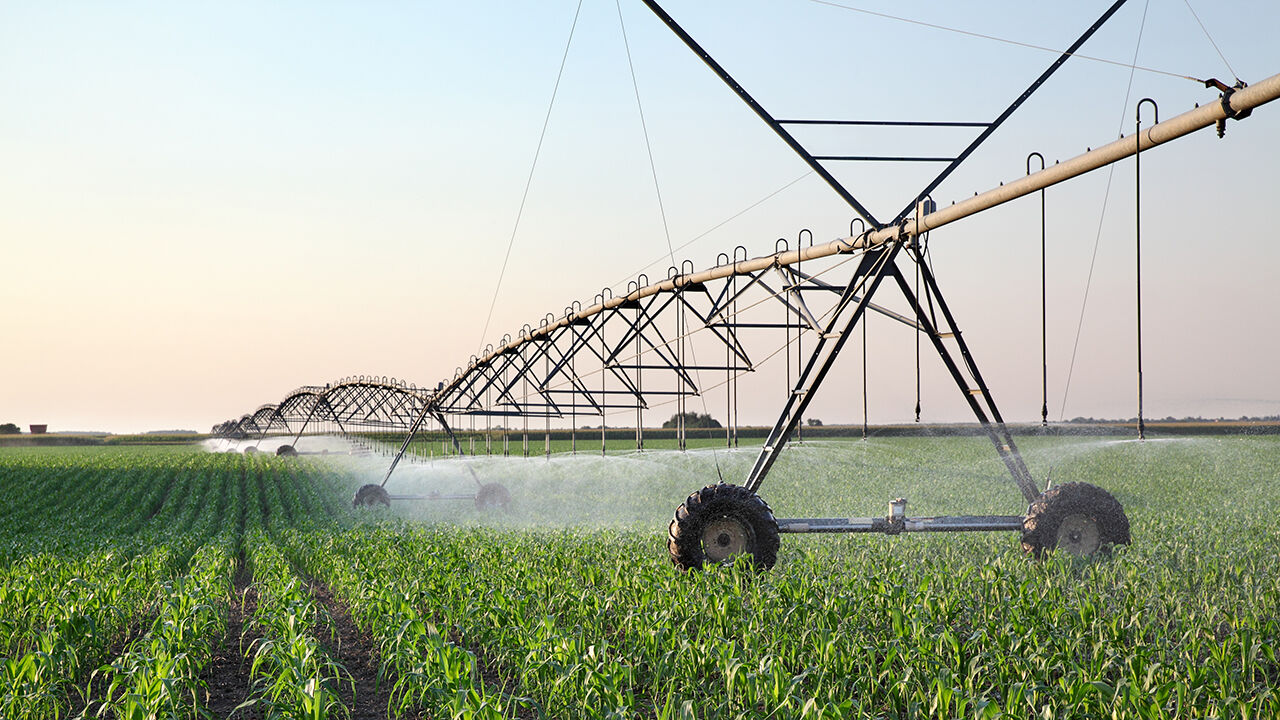
Kyrgyzstan to modernise irrigation infrastructure under $146 million investment program
Kyrgyzstan has approved a draft financing agreement for the second phase of its National Irrigation Investment Programme, with funding from international development institutions and Switzerland supporting the modernisation of irrigation and drainage infrastructure.
28.10.2026
South Korea - NH Property and Casualty Insurance Expands Crop Insurance to 78 Items
Enhancing climate-responsive policies, accident prevention campaigns, and tailored insurance for farmers.
28.10.2026

Spain - The Generalitat expands to 32 million the aid for agricultural insurance in 2026
The Generalitat increases agricultural insurance aid to 32 million in 2026 and prepares a second call for uncovered policies.
