


Somalia - Massive livestock losses have severely impacted livelihoods and food security
22.03.2018 849 views
In Somalia massive livestock deaths due to drought - 60 per cent of herds in some areas - have severely damaged pastoralists' livelihoods. The livestock losses threaten to exacerbate the country's food security situation, which remains critical in the central and northern pastoral areas, FAO warned today. With forecasts pointing to below-average rains during April-June, urgent support is needed to build the resilience of pastoralist communities and avert a deterioration in livelihood and food security, FAO said in its Global Information and Early Warning System (GIEWS) report.
"Somalia is traditionally an agro-pastoral economy. Massive livestock losses have severely affected Somalia's economy and people. It is crucial that we continue to support pastoralist households build resilience against climate-related shocks by providing timely veterinary and feeding assistance for their animals," said FAO Representative in Somalia Daniele Donati.
In the country's northern and central pastoral regions, the negative impact of prolonged drought in 2016 and 2017 on livestock in particular, has increased the number of people under severe food insecurity by an estimated 3 percent to 1.8 million - almost 30 percent of the population of these areas.
Somalia's overall food security situation improved to some extent in early 2018 mainly due to largescale, sustained humanitarian assistance. The number of Somalis suffering severe food insecurity decreased by an estimated 15 percent from late 2017, but remains 170 percent above pre-crisis levels.
Economic impact
The massive herd losses have led to a reduced market supply, which has in turn resulted in surging prices of livestock and livestock products, such as milk, and plunging animal exports. This is expected to severely affect the economy of Somalia, where the livestock sector accounts for about 40 percent of Gross Domestic Product (GDP) and where 65 percent of the population is engaged in livestock rearing activities.
Families in pastoral areas are already bearing the brunt of the negative economic impact, a fact reflected in the high levels of household indebtedness which is also severely constraining food access. In the northern and central regions, household debts increased by up to 400 percent over the course of 2017, driven by credit purchases of food and water and by borrowing money to fund livestock migration.
Source - https://reliefweb.int
EVENTS

ScaleAgData Stakeholder Engagement Event
22.10.2024The ScaleAgData project is pleased to invite you to our second stakeholder event. Building on the discussions and connections formed during our first webinar, this event will focus on fostering collaboration among stakeholders, providing updates on our project’s progress, and outlining future opportunities for engagement.

30.03.2026

Ukraine - Preferential lending for farmers under 5-7-9 program extended until spring 2027
Ukraine’s spring sowing campaign has started on time with optimal soil moisture levels, and the government has expanded its support tools for farmers, including preferential loans, crop insurance, and security measures in frontline zones, said Deputy Minister of Economy, Environment, and Agriculture Taras Vysotsky.
30.03.2026

India - Gurugram seeks crop loss survey after 'unseasonal rain hits Rabi harvest'
The district’s agriculture department has sought a detailed survey report from private insurance companies to assess crop loss caused by unseasonal rains over the past two weeks, officials said on Sunday, following complaints from farmers across Sohna, Pataudi, Farrukh Nagar and Gurugram’s outskirts.
30.03.2026
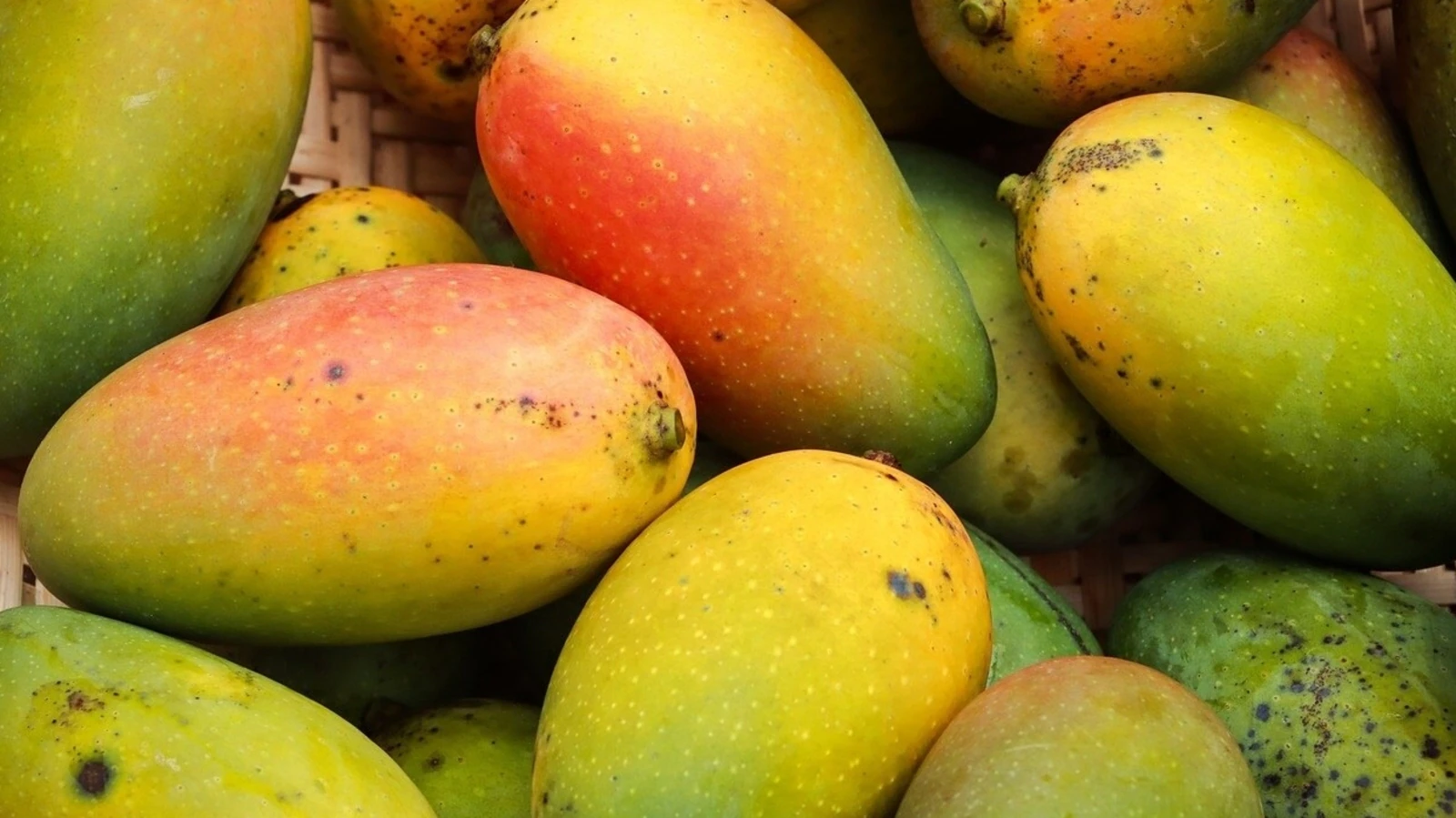
Pakistani mango crop hit by weather disruptions in South Punjab
The mango sector in Pakistan is facing production challenges this season, with climate conditions affecting the output of the Summer Bahisht Chaunsa variety in South Punjab.
30.03.2026

Vietnamese exporters adapt to tighter EU residue limits
Exporters in Vietnam are adjusting production and compliance systems as European Union regulations on maximum residue levels (MRLs) continue to tighten for imported agricultural products.
30.03.2026
Jamaica - Green Climate Fund approves US$50 million project promoting climate resilient agriculture
The Government has unveiled a US$50 million project promoting climate resilient agriculture.
30.03.2026
Malaysian crop losses reach up to 50% under extreme weather
The Agriculture and Food Security Ministry in Malaysia has reported that fruit and vegetable losses at the farm level can reach up to 50 per cent under unpredictable weather conditions.
29.03.2026

Nigeria - NiMet Partners Rex For Weather Insurance To Farmers
The Nigerian Meteorological Agency (NiMet) has partnered with REX Insurance to provide weather-based insurance solutions designed to help Nigerian farmers safeguard their livelihoods against climate-related losses.
29.03.2026

India - Sirsa farmers seek insurance payouts, procurement probe
Farmers in the district have raised concerns over unpaid crop insurance claims, delayed compensation and alleged irregularities in rice procurement.
