


Somalia - Massive livestock losses have severely impacted livelihoods and food security
22.03.2018 1091 views
In Somalia massive livestock deaths due to drought - 60 per cent of herds in some areas - have severely damaged pastoralists' livelihoods. The livestock losses threaten to exacerbate the country's food security situation, which remains critical in the central and northern pastoral areas, FAO warned today. With forecasts pointing to below-average rains during April-June, urgent support is needed to build the resilience of pastoralist communities and avert a deterioration in livelihood and food security, FAO said in its Global Information and Early Warning System (GIEWS) report.
"Somalia is traditionally an agro-pastoral economy. Massive livestock losses have severely affected Somalia's economy and people. It is crucial that we continue to support pastoralist households build resilience against climate-related shocks by providing timely veterinary and feeding assistance for their animals," said FAO Representative in Somalia Daniele Donati.
In the country's northern and central pastoral regions, the negative impact of prolonged drought in 2016 and 2017 on livestock in particular, has increased the number of people under severe food insecurity by an estimated 3 percent to 1.8 million - almost 30 percent of the population of these areas.
Somalia's overall food security situation improved to some extent in early 2018 mainly due to largescale, sustained humanitarian assistance. The number of Somalis suffering severe food insecurity decreased by an estimated 15 percent from late 2017, but remains 170 percent above pre-crisis levels.
Economic impact
The massive herd losses have led to a reduced market supply, which has in turn resulted in surging prices of livestock and livestock products, such as milk, and plunging animal exports. This is expected to severely affect the economy of Somalia, where the livestock sector accounts for about 40 percent of Gross Domestic Product (GDP) and where 65 percent of the population is engaged in livestock rearing activities.
Families in pastoral areas are already bearing the brunt of the negative economic impact, a fact reflected in the high levels of household indebtedness which is also severely constraining food access. In the northern and central regions, household debts increased by up to 400 percent over the course of 2017, driven by credit purchases of food and water and by borrowing money to fund livestock migration.
Source - https://reliefweb.int
EVENTS

ScaleAgData Stakeholder Engagement Event
22.10.2024The ScaleAgData project is pleased to invite you to our second stakeholder event. Building on the discussions and connections formed during our first webinar, this event will focus on fostering collaboration among stakeholders, providing updates on our project’s progress, and outlining future opportunities for engagement.
RISK EVENTS

Moldova - May frosts caused heavy damage to fruit orchards
10.05.2026The first frosty nights of May have significantly worsened estimates of damage to Moldova's fruit sector from spring frosts. According to initial assessments by fruit market operators, between a quarter and a third of the country's total orchard area was seriously affected.
22.10.2026
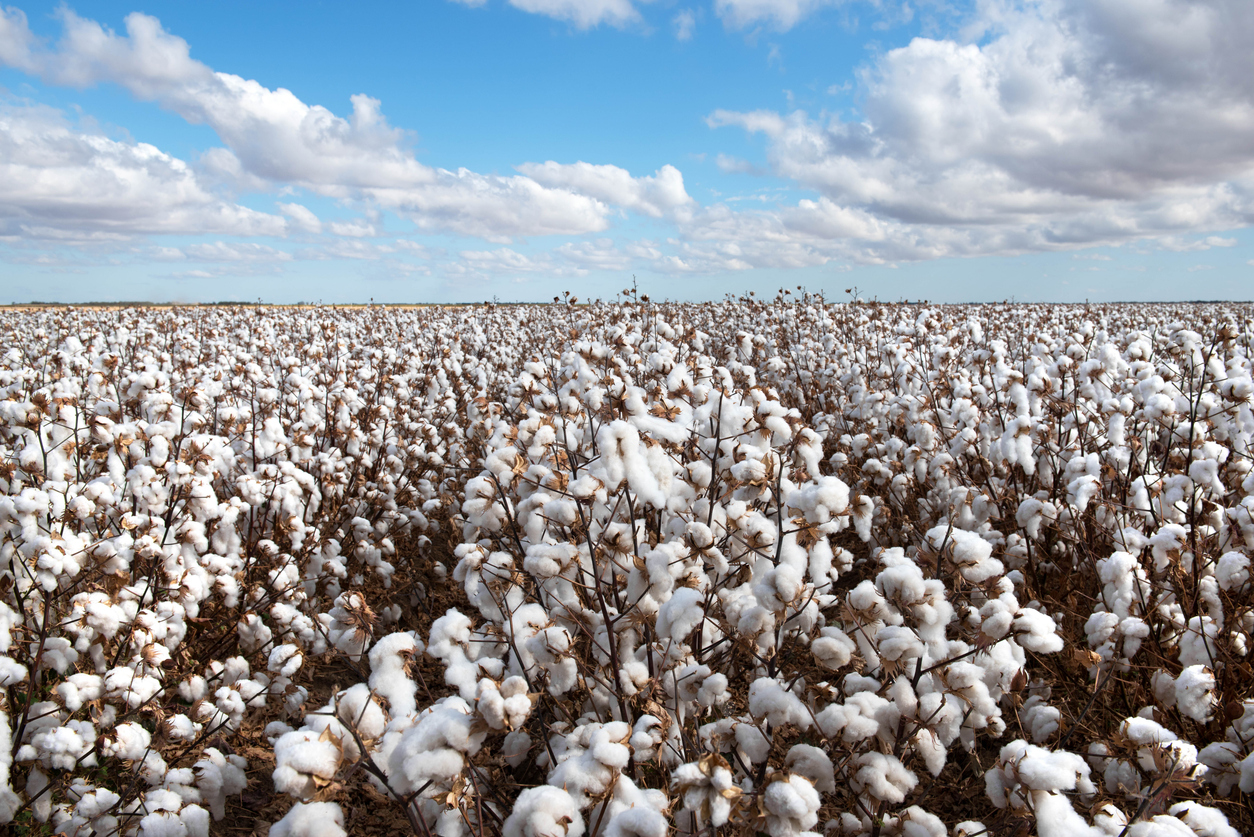
USA - Cotton Producers Face New ARC PLC Decision Deadline
The special provision giving producers the higher of ARC or PLC for 2025 will not continue next year.
22.10.2026
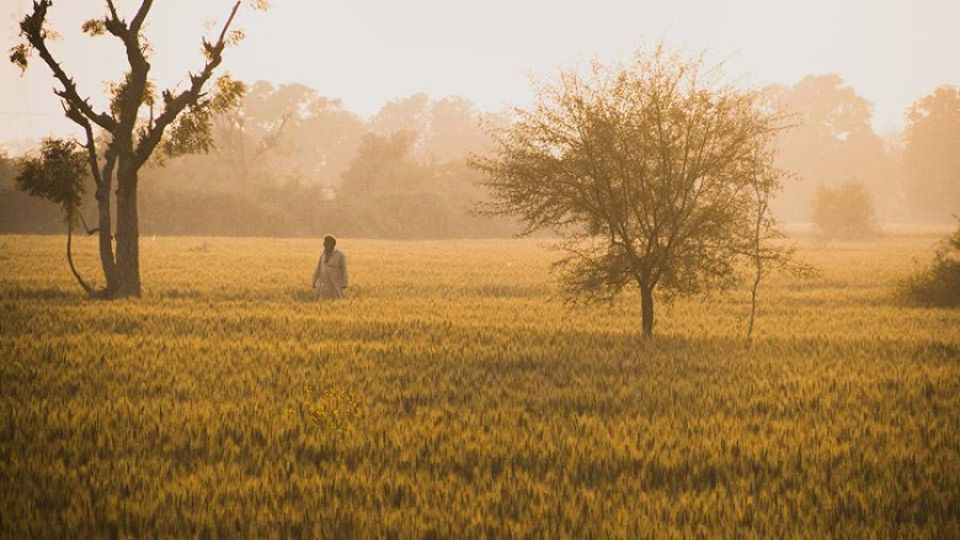
Pakistan - Punjab unveils £300,000 climate-resilient agriculture project for Cholistan and Thal
The Government of Punjab announced a 300,000-pound pilot project to establish climate-resilient agriculture across arid desert regions. The 12-month targeted initiative specifically focuses on farming communities operating within the vulnerable Cholistan and Thal desert ecosystems.
22.10.2026
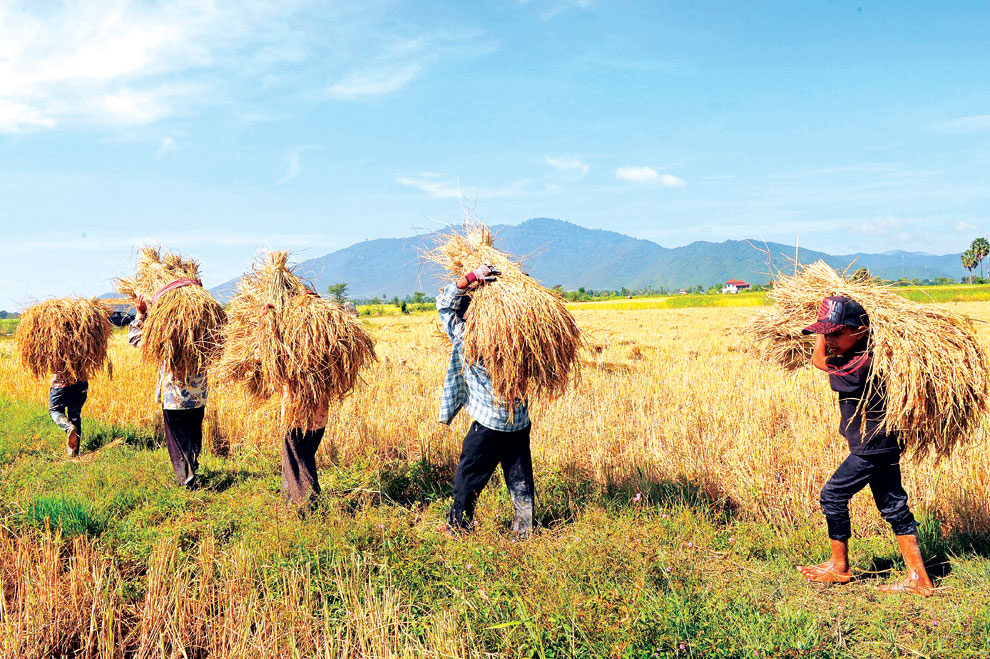
Cambodia looks into insurance scheme for agricultural cooperatives
Cambodia's Ministry of Agriculture, Forestry and Fisheries (MAFF) is looking into a disaster-related insurance scheme designed for modern agricultural cooperatives.
22.10.2026

USA - Dec. 1 deadline set for 2027 pasture and forage insurance
Northeast farmers have until Dec. 1 to secure Pasture, Rangeland and Forage insurance coverage for the 2027 crop year, according to Crop Growers.
22.10.2026
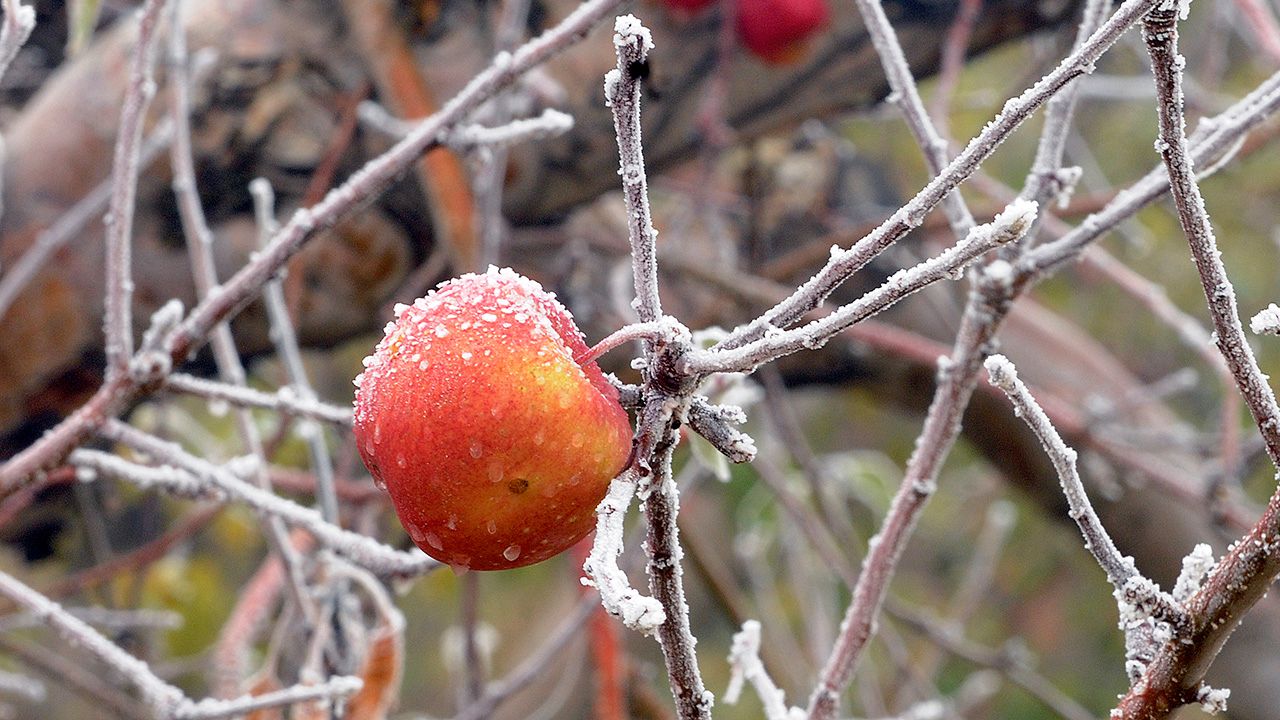
Spring frost hits Polish apple varieties unevenly
Spring frosts have affected Polish apple varieties differently this season, with some performing better than initially expected and others facing substantial losses.
22.10.2026
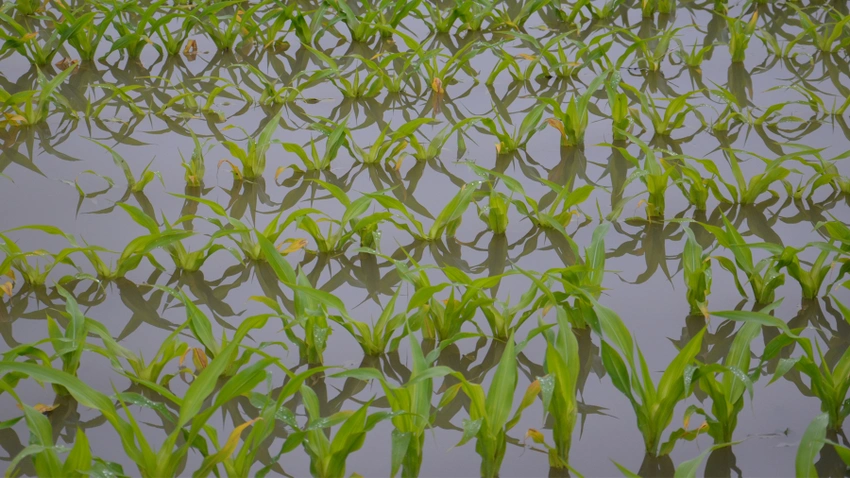
Spain - Flooded fields in Valencia and Alicante and 130 hectares of greenhouses affected in Almería
The arrival of storm Adam on the Mediterranean coast has brought heavy rainfall that has hit the Valencia region hardest, particularly the coastlines of the provinces of Valencia and Alicante, though the inclement weather has also hit other regions including Andalusia, Catalonia, and the Balearic Islands.
21.10.2026
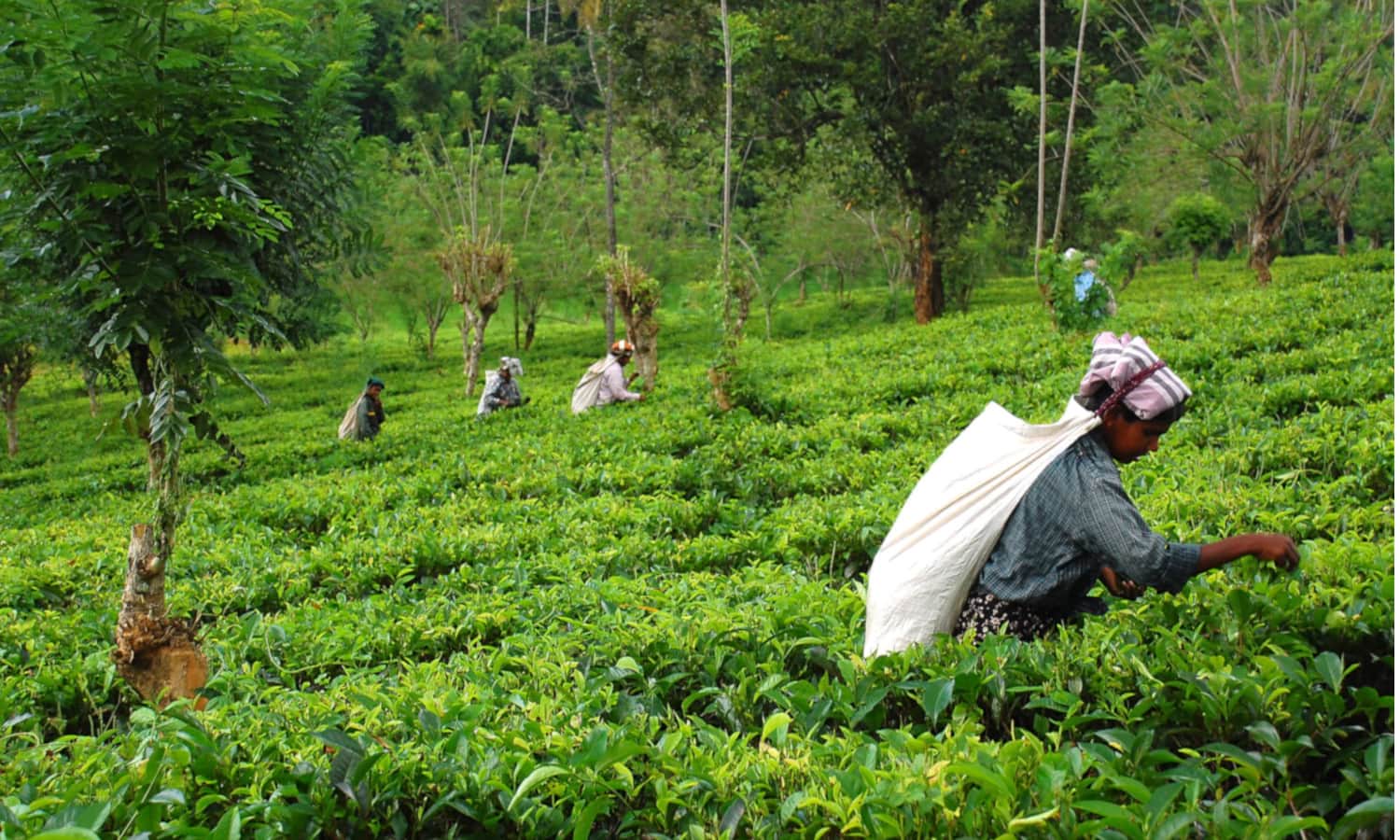
India - Government launches Pashudhan Bima Portal to streamline livestock insurance, claims and monitoring
The Government today launched Pashudhan Bima Portal in New Delhi. The Portal will provide a single, integrated digital platform for livestock insurance, enabling streamlined policy issuance, claim processing, monitoring and reporting in case of animals insured under the Livestock Insurance Scheme of the Department of Animal Husbandry and Dairying.
21.10.2026
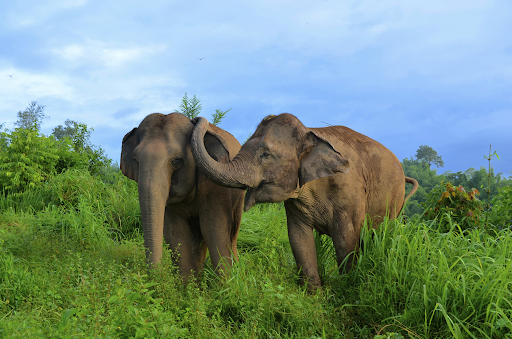
Malaysia - Perak Perhilitan monitoring elephant herd after crop destruction complaints
The Perak Department of Wildlife and National Parks (Perhilitan) has received six official complaints this year from oil palm smallholders in Kampung Perlop 1, Sungai Siput, over wild elephants destroying crops and plantation infrastructure.
