Spain - Rainfall causes damage to Vinalopo grapes

08.12.2016 595 views
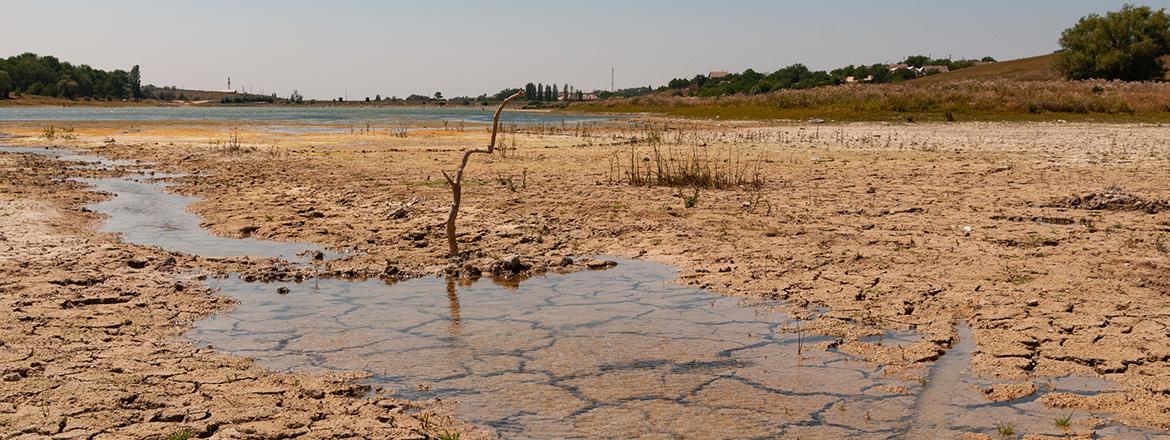
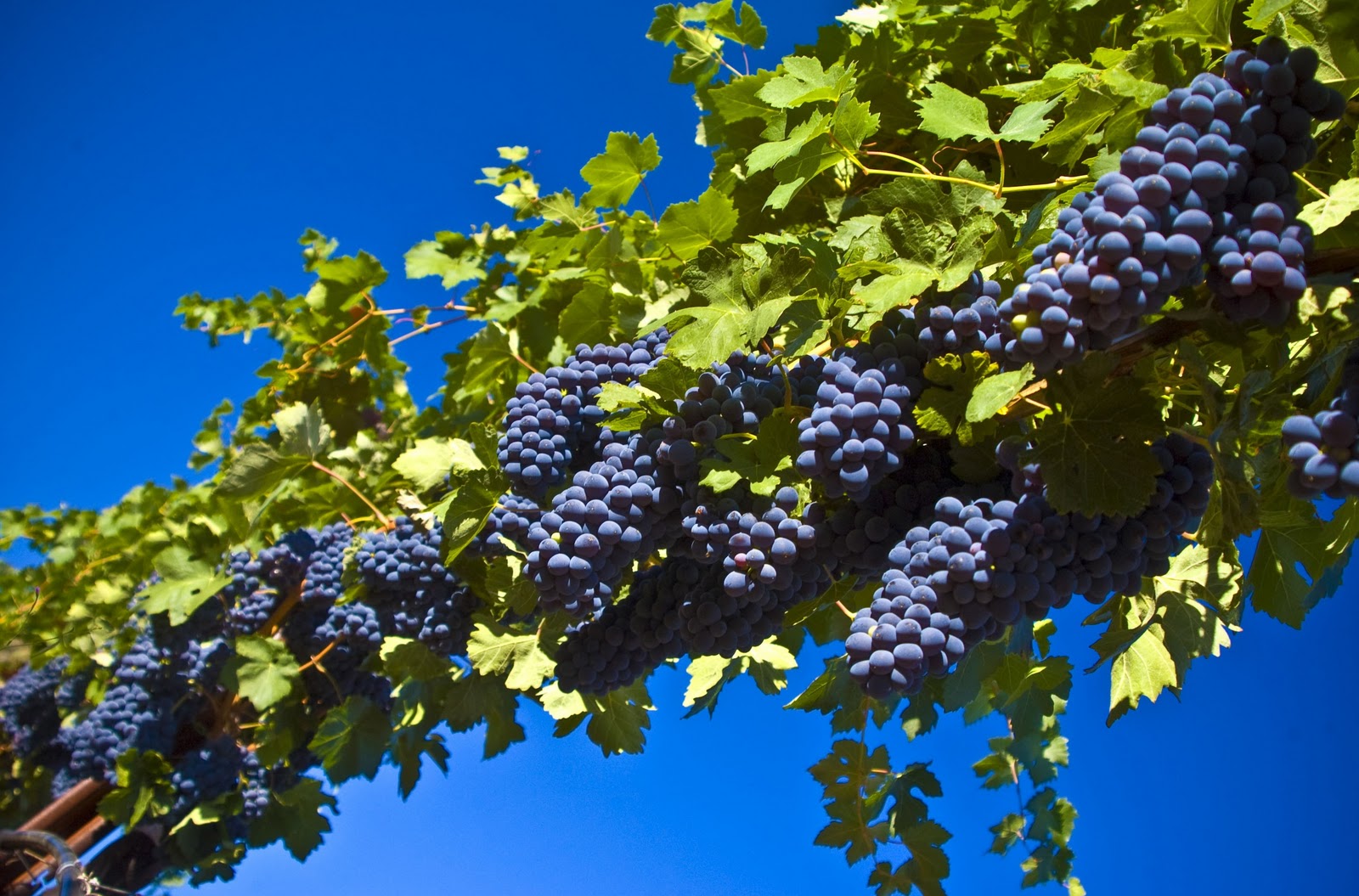
The rainfall recorded in recent days (and weeks) in the region of Medio Vinalopó is proving very beneficial for its agriculture after the severe drought it had been suffering for years. However, according to the agricultural union La Unió de Llauradors, the abundance and persistence of rainfall is also taking a "very negative toll" on table grape crops in Vinalopó, where the harvest of the Aledo variety, the one eaten in Spain as part of the New Year's Eve celebrations, is currently underway.
The grapes are starting to crack due to an overexposure to moisture and many kilos will be lost, although those in charge of La Unió say it is still too early to evaluate the extent of the damage. This will add to the production costs for the growers, who will have to clean the grapes, which will entail an increase in the handling and packaging costs of the most precious fruit of Vinalopó.
Given this situation, it has been decided to organise a meeting next Monday in order to address the crisis. The decision has been made by the Asaja union, the Regulatory Board of the PDO Vinalopó Bagged Table Grape and the Federation of Exporters. All parties involved have been invited to this unprecedented meeting, including irrigation communities.
To all this, and as previously announced, it should be added that the table grape harvest will suffer a 25% reduction this campaign because of the impact of the prolonged drought in the vineyards; a paradoxical circumstance in these weeks of continuous rains. The loss in volume has been estimated at about five million kilos, so the total Aledo production is expected to drop from the 22,000,000 kilos of the previous season to 17,000,000 kilos in the current campaign. Source - diarioinformacion.com

30.06.2026

Poland faces smaller AJC crop while Turkey prepares for recovery

Poland's apple juice concentrate (AJC) crop faces the prospect of a sharply reduced harvest in 2026 following severe frosts, while Turkey is set for a strong recovery season after near-total losses a year earlier, according to market sources cited by Mintec.

30.06.2026

Canada - Excess moisture, flooding insured perils under AgriInsurance

Excessive precipitation across northern Alberta over the past several weeks has significantly impacted seeding progress for many producers and is causing fields to flood in some areas.

30.06.2026

India - Delta farmers seek special relief package as Kuruvai loss threatens incomes in TN

With water storage in the Mettur dam forcing a sharp decline in short-term paddy cultivation this season, farmers in the Cauvery Delta have urged the Tamil Nadu government to announce a special relief package and provide scientific guidance on alternative crops to help offset mounting losses. 

30.06.2026

CRDB Bank Deploys AI Nose-Print Technology to Shake Up Tanzanian Livestock Insurance

Tanzanian pastoralists are set to access a transformative digital insurance framework utilizing artificial intelligence to scan animal nose prints for rapid payouts.

30.06.2026

Philippines - WB grants $70M loan for farmers' climate-risk insurance

The World Bank is lending $70 million to the Philippines for a co-insurance pool that would protect small farmers and fisherfolk from the effects of climate change, according to the Department of Agriculture (DA) on Sunday.

30.06.2026

Insurance helps farmers protect livelihoods as climate shocks intensify

Insurance is helping farmers recover from droughts and floods before crises deepen – as climate shocks intensify and the shadow of El Niño threatens.

29.06.2026

USA - Revisions to livestock insurance programs take effect July 1

Revisions to the principal livestock risk management programs, as well as to crop insurance, take effect July 1.

29.06.2026

Raising Concerns About Crop Damage, Threatened Livestock, and Health Risks in Rural Brazil

The advance of wild boars across Brazilian territory worries the countryside due to economic loss, threat to biodiversity, and sanitary risk to livestock, especially in regions where crops and livestock are vulnerable to the species’ movement.