Spain - Storm destroys all apricots yet to be harvested in Caravaca

08.06.2017 512 views
The recent hailstorm recorded in the municipalities of Caravaca and Moratalla unfortunately had very negative consequences. It especially affected the districts of Barranda, Singla and La Almudema, where hailstones of two to four centimetres in diameter were observed.
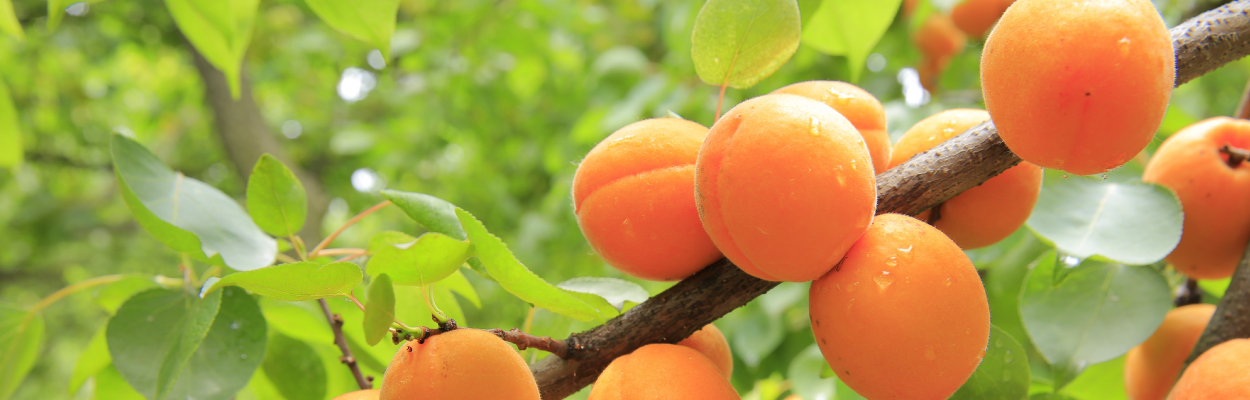
Agricultural producers suffered the biggest problems, as both the rain and hail damaged the apricots that had yet to be harvested
Pedro Guerrero, head for the Nuts department at Fecoam, explained that this storm has affected "the little apricot that had yet to be harvested, as well as the olives that were now in the middle of the setting stage, which although still small, may have suffered a lot of damage," he lamented.
Guerrero also recalled that this hail has affected the cereal that was still unharvested. Lastly, he recalled that "at a foliar level, it has caused damage to all trees, and in the almond sector, it may have damaged the tree more than the fruit," explaining that "these losses of foliage caused by hail affect the tree's health at a time when it may be difficult for it to continue bearing the fruit it had in all its branches."
The vehicles that were circulating the roads in the area at that time were also surprised by the severe storm, which left up to 17 litres per square meter in an hour in some places. The drivers had to take refuge in petrol stations and restaurants of the area until the storm was over. In the hamlet of Barranda, more than half a dozen cars were damaged, as the hail broke their windscreens.
The roads also suffered the impact of the storm, especially the one connecting Caravaca and Venta de Cavila, as well as the access to some districts, where several dry riverbeds were flooded.
The authorities asked everyone to take all possible precautions.
Source - laopiniondemurcia.es

05.05.2026

Climate change: challenges and opportunities for crop insurance in Canada

The pandemic we have just come out of reminded us of the importance of maintaining robust food sovereignty in our country, provinces and cities. 

05.05.2026

Azerbaijan, Uzbekistan hold talks on agro-industrial collaboration

On May 5, Minister of Agriculture Majnun Mammadov met with a delegation from Uzbekistan led by Minister of Agriculture Ibrokhim Abdurakhmonov, who attended the 19th Azerbaijan International Agricultural Exhibition (Caspian Agro Week), to discuss bilateral cooperation in the agricultural sector, Trend reports.

05.05.2026

Philippines - P6.69-million crop damage logged in Albay due to Mayon unrest

Damage to crops from Mayon Volcano’s unrest has reached P6.69 million, with ashfall affecting several farmers in Albay, authorities said Tuesday.

05.05.2026

Cyprus - Farmers in Karpasia seek compensation for crop damage caused by wild donkeys

Losses reported in Rizokarpaso and nearby villages as donkey population grows and destroys farmland.

05.05.2026

USA - USDA Risk Management Agency Upgrades Rainfall Data Source

The U.S. Department of Agriculture’s (USDA) Risk Management Agency (RMA) is upgrading the source for rainfall data used in several Federal crop insurance programs, moving from the National Oceanic and Atmospheric Administration’s Climate Prediction Center (CPC) to the National Centers for Environmental Information (NCEI). 

05.05.2026

Asparagus losses in Norfolk County, Canada reach 98 percent after frost

Frost events in Canada recently caused crop damage in Norfolk County, with asparagus production heavily affected. At Dalton White Farms, losses reached up to 98 per cent of the field.

04.05.2026

Bulgaria's Kyustendil cherry crop severely affected by frost for second consecutive year

Frosts have caused critical damage to cherry orchards in the Kyustendil region of Bulgaria for the second consecutive spring, with producers reporting near-total crop losses. 

04.05.2026

Vietnam - MoF moves to expand farm insurance support and eligibility

The Ministry of Finance has proposed sharply increasing agricultural insurance premium subsidies to up to 95 per cent and widening the pool of eligible beneficiaries to better share risks with producers, stabilise farm incomes, and strengthen climate resilience.