

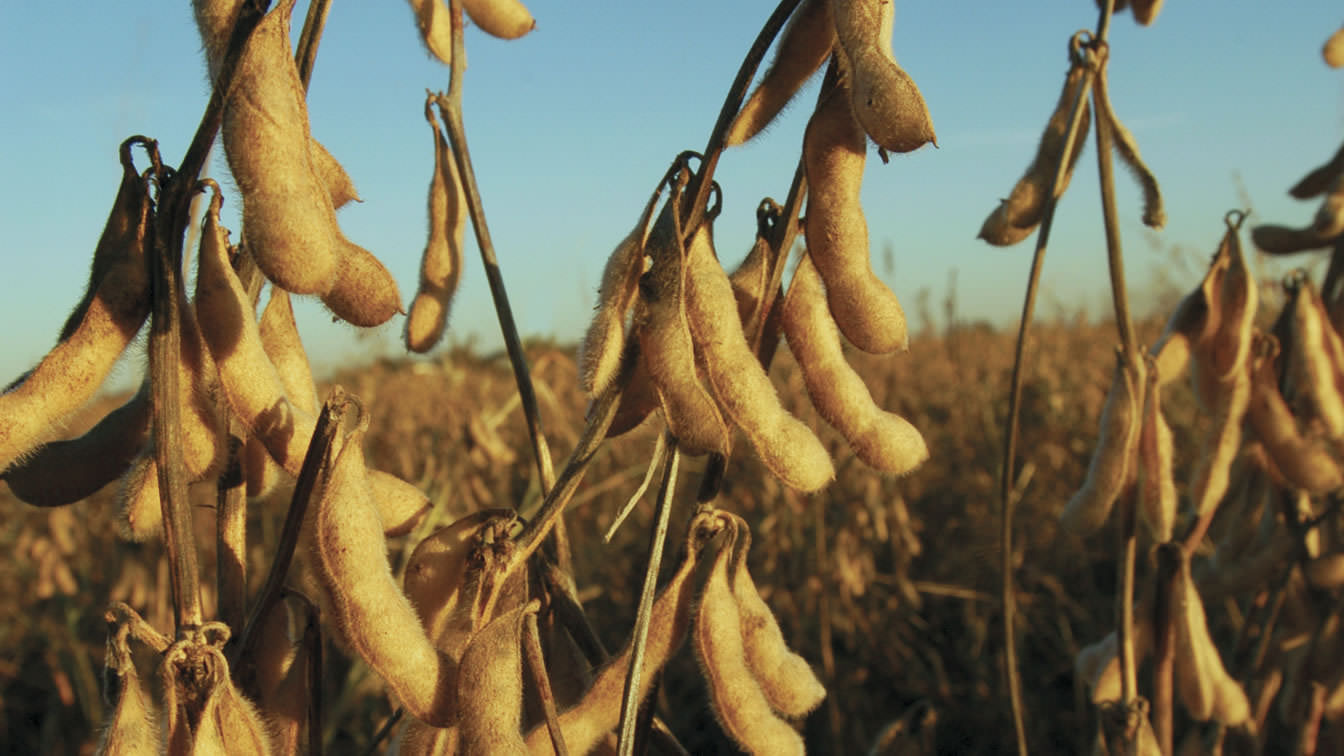
USA - Arkansas soybean farmers facing catastrophic losses
18.10.2018 969 views
A bad soybean harvest in Arkansas has turned much worse in the last week. The number of acres that are projected to be harvested has dropped by 320,000 acres to 3.25 million acres, according to the United States Agriculture Department. The bushel per acre average will drop from 50 bushels per acre to 48 bushels, according to USDA’s National Acreage Statistics Service (NASS).
That’s a 22.5 million bushel drop, soybean agronomist Jeremy Ross told Talk Business & Politics. Soybeans traded at $8.84 on Tuesday, meaning just the loss in bushels would equate to a nearly $200 million loss, he said. Only 44% of the soybean crop has been harvested as compared to 71% by this time in 2017. The five year average is more than 60% harvested by mid-October, he added.
Quality has been poor and torrential rains this weekend have kept farmers out of the fields, Ross said. He was hopeful quality would improve, but there’s no way to know right now. The first harvested fields had damage rates from 5 to 7%, a stark jump from the typical 1 to 2% damage rate. Damaged beans can be docked anywhere from 20 to 30% of the contracted rate, Ross said. Coupled with bushel losses and potential damage done to fields as farmers try to pull beans from rain soaked fields, the total economic impact could exceed more than $1 billion.
With so much of the crop in the ground it’s still too early to predict just how bad this crop will be, Ross said. But, the longer the crop stays in the ground the worse it will get for farmers, he added.
“Early-planted beans, which would normally be harvested about the first week of September, were delayed by two to three weeks,” Ross said. “With the wet conditions and above-average daily temperatures, we started to see a lot of quality issues.”
Ongoing trade tariffs are also reducing demand for U.S. soybeans abroad. A trade war has intensified with China, and billions of tariffs have been placed on U.S. soybeans. China is one of the primary soybean markets for U.S. producers.
“The problem right now is that there’s really no buyers for the beans that are coming off,” Ross said. “Bean stocks are backing up at the ports, and the elevators are almost at their capacity for grain storage, with no place for it to go. It’s just a bad situation.”
Scott Stiles, extension economist for the Division of Agriculture, said the weather and trade tariffs are just two ingredients in a challenging marketplace for growers right now.
“A lot of things are happening at one time – none of which are good,” Stiles said. “We saw the November futures contract peak in late May at $10.60, and then drop 23% to a low of $8.12 by mid-September. The last time the November contract traded that low was in March 2009.”
In late July, USDA announced a trade mitigation assistance program that will offer some relief to growers in the form of direct payments of $1.65 per bushel on 50% of harvested yield. An announcement on any additional payments for the remaining 50% of production could be made in early December.
Unrelenting rains in August and September slowed corn and rice crop harvests, and in turn slowed soybeans, he said. The rains kept fields wet allowing for mold, mildew, and fungus to spread in the fields before the soybeans could be harvested. How this will impact yields is uncertain at this point, but based on the evidence collected at this point, yields will likely be lower.
The impact soybeans have had on the Natural State cannot be overestimated. In 2016, 3.1 million acres were harvested in 41 of Arkansas’ 75 counties. The 145.7 million bushels produced has a value of $1.5 billion, almost 20% of the state’s agricultural sector. Farmers had more soybean acres than rice, corn, sorghum, and wheat combined, according to the Arkansas State Plant Board. The state is the tenth largest soybean producer in the U.S., and was projected to produce more than 150 million bushels in 2018, until the latest downward revisions.
Soybeans account for more than 90% of all U.S. oil seed production, and is the second most grown crop in the U.S. trailing only corn, according to the U.S. Department of Agriculture. Soybeans are used in livestock feed and in other consumer products.
Source - https://talkbusiness.net
EVENTS

ScaleAgData Stakeholder Engagement Event
22.10.2024The ScaleAgData project is pleased to invite you to our second stakeholder event. Building on the discussions and connections formed during our first webinar, this event will focus on fostering collaboration among stakeholders, providing updates on our project’s progress, and outlining future opportunities for engagement.

08.04.2026
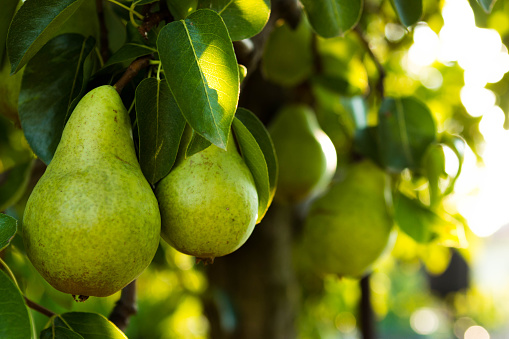
South Korean hail damages 802 hectares of crops in South Jeolla
In South Jeolla Province, a hailstorm caused damage to more than 800 hectares of crops, with the impact concentrated in Naju, the country's main pear production area. This has raised concerns about the 2026 harvest.
08.04.2026
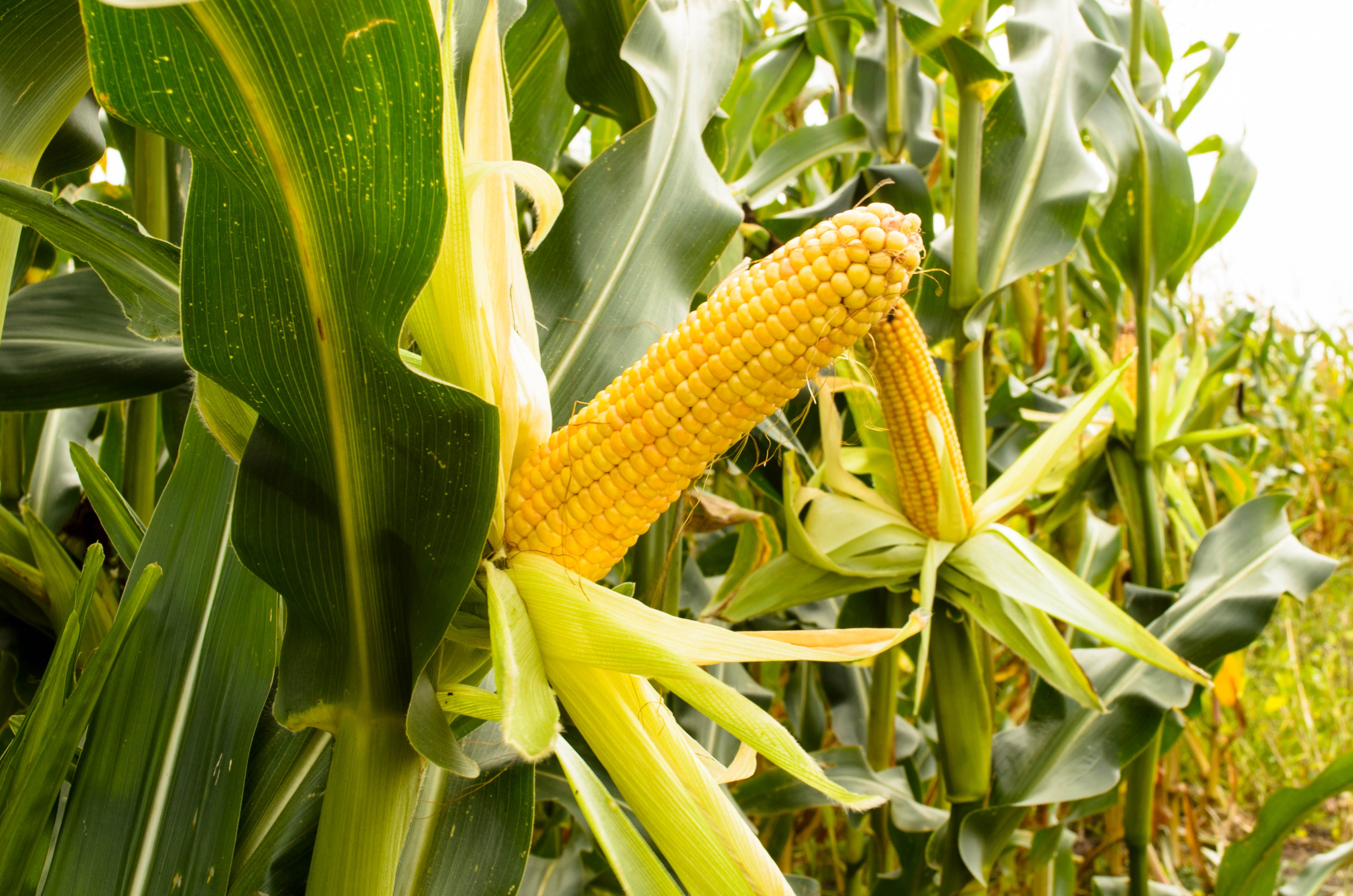
Corn leafhopper caused US$25.8 billion loss over four years in Brazil
The corn leafhopper (Dalbulus maidis), which is considered the crop’s main pest, has caused billions in losses to Brazilian production. A new study has quantified the economic impact of corn stunt diseases on Brazilian production.
08.04.2026
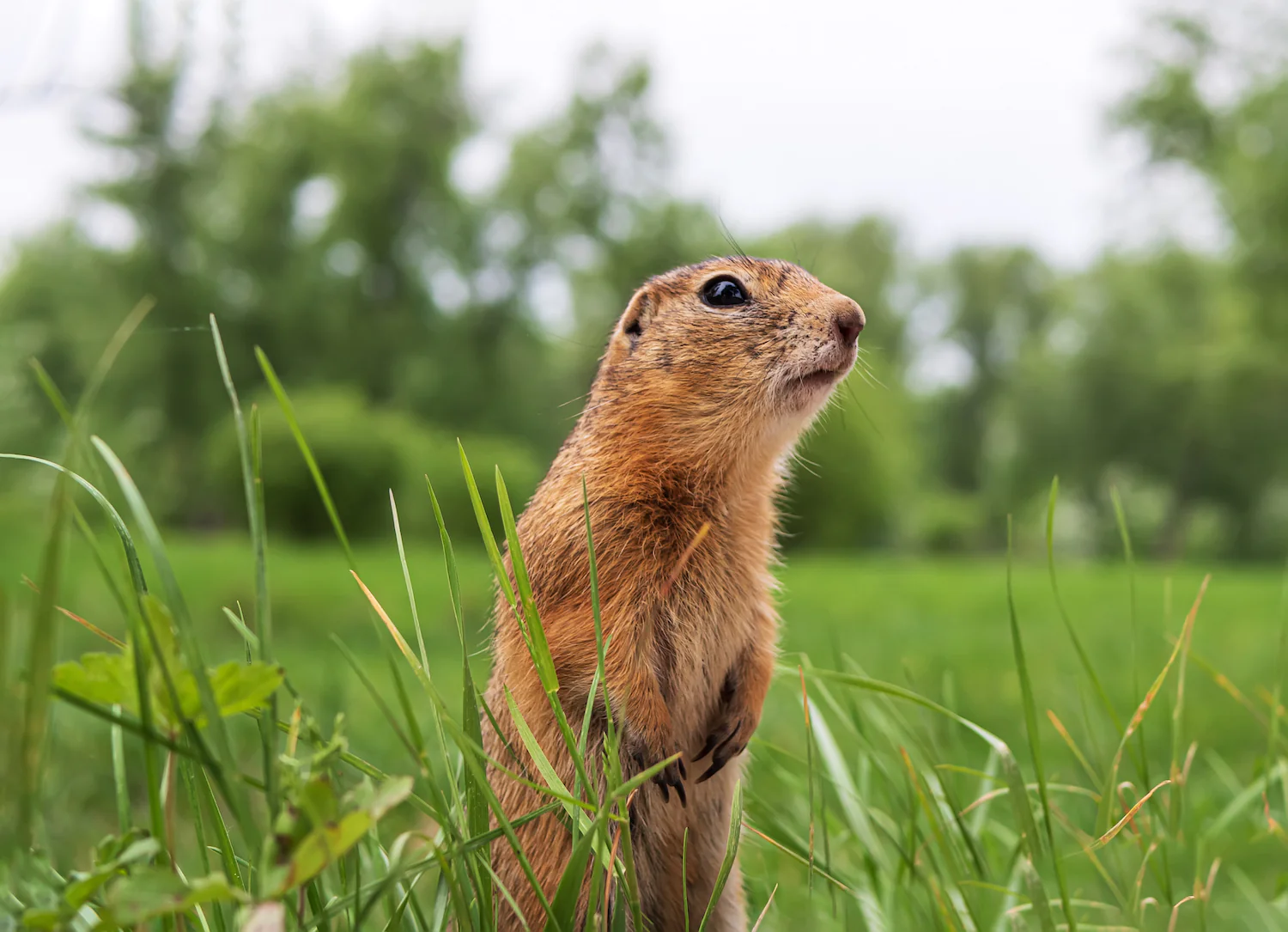
Canada - Saskatchewan secures emergency strychnine approval for gopher-hit crop districts
Approval adds a new risk-management tool for crop and livestock operations.
08.04.2026
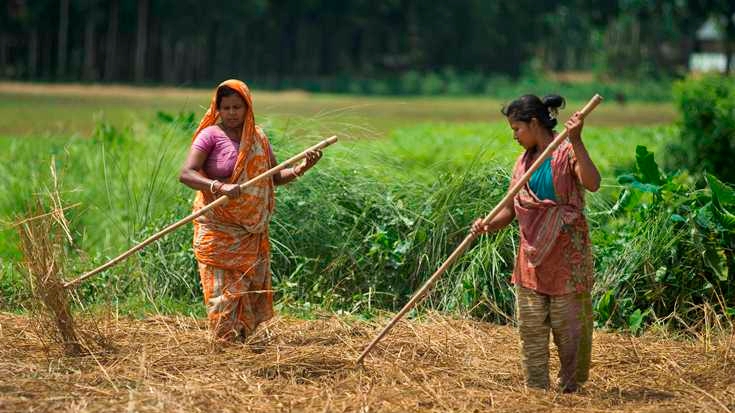
Bangladesh - Crop Insurance Initiative to Shield Farmers from Climate Risks
The agriculture minister has recently announced the government’s plan to introduce crop insurance to protect farmers from losses caused by floods, cyclones, and other natural disasters.
08.04.2026
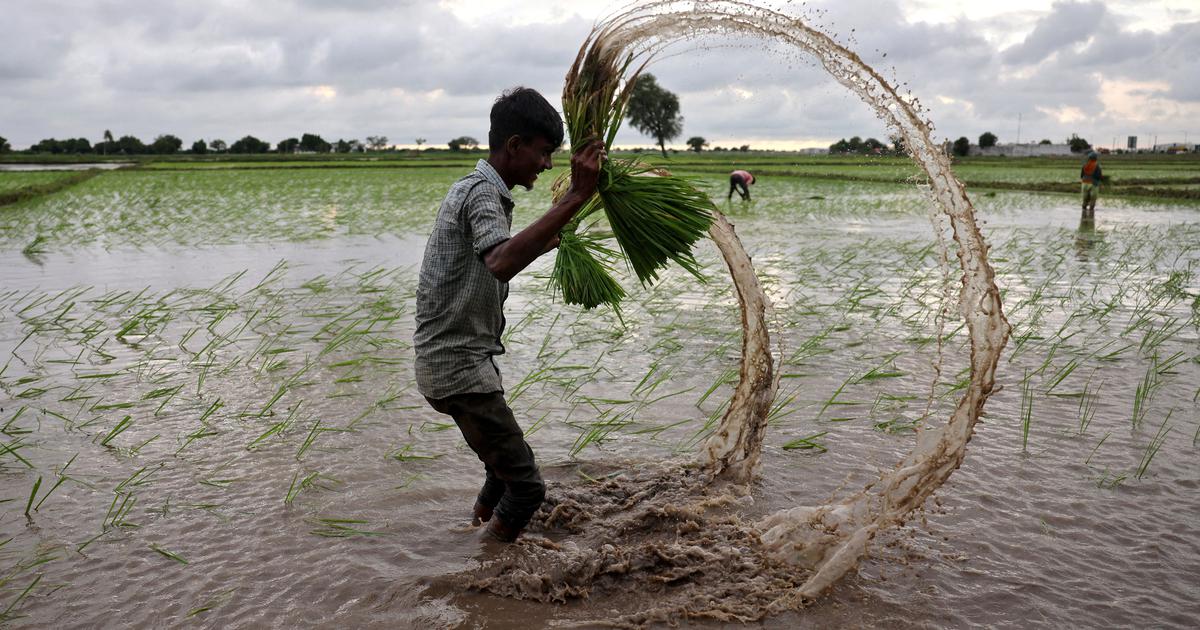
India - UP CM Adityanath orders immediate relief for crop losses; highlights surge in agriculture growth rate
Expressing deep concern over the damage caused to rabi crops due to unseasonal rains, hailstorms, and incidents of fire in parts of Uttar Pradesh, Chief Minister Yogi Adityanath on Wednesday directed officials to ensure immediate compensation for affected farmers, while also highlighting the state’s improved agricultural growth rate over the past nine years.
08.04.2026

USA - USDA reopens acreage reporting for specialty crop farmers impacted by unfair trade practices
The USDA Farm Service Agency announced Tuesday that it is reopening the 2025 crop acreage reporting period for specialty crop producers who want to apply for the Assistance for Specialty Crop Farmers program.
06.04.2026
Pakistan - Governor SBP Calls for Scaling Up Zarkheze to Expand Agricultural Credit Outreach
The State Bank of Pakistan on Wednesday urged banks to expand the use of its digital agricultural lending platform, Zarkheze, to improve access to credit for small farmers and underserved areas across the country.
06.04.2026
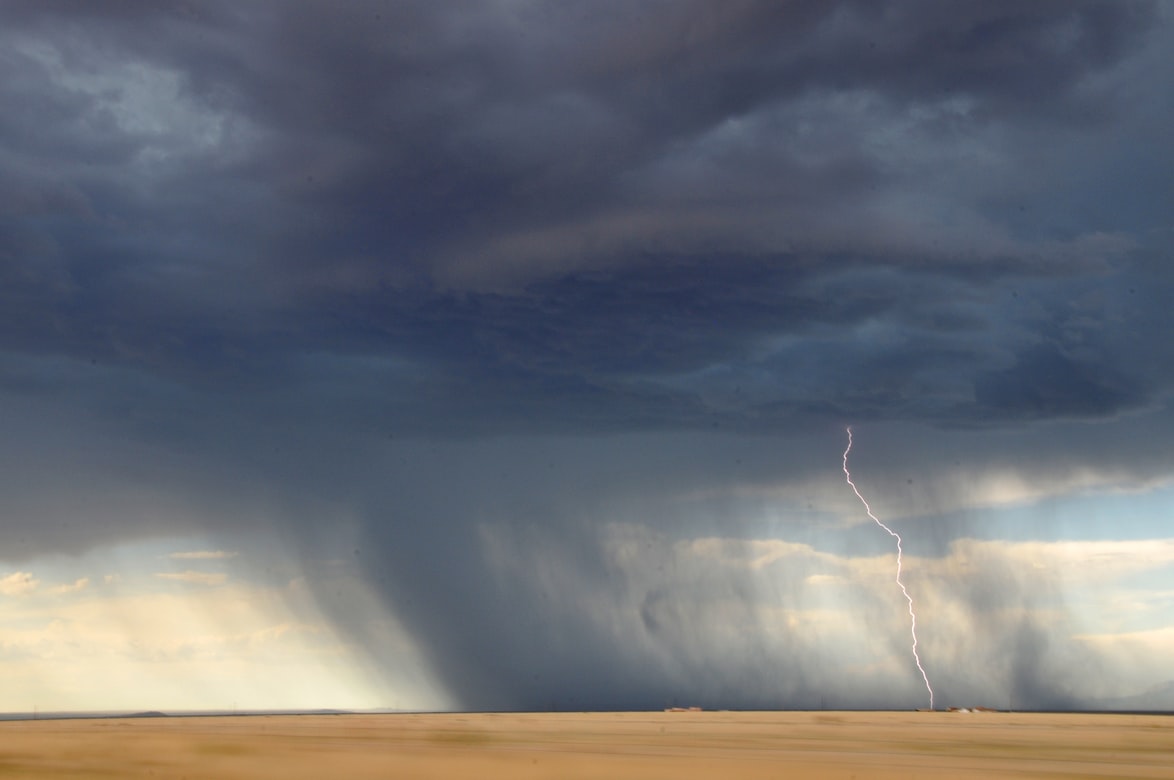
India - Chouhan orders crop loss assessment after storms
Union Agriculture Minister Shivraj Singh Chouhan on Sunday directed ministry officials to conduct a comprehensive assessment of crop losses following unseasonal heavy rainfall accompanied by hailstorms and strong winds over the past two days across several States.
