


USA - Excessive rain has done damage to crops
03.08.2018 438 views
When it comes to crop production, most long-term farmers will say “no two years are the same.”
That statement is certainly true in many portions of southern Minnesota and northern Iowa as it relates to the 2018 growing season, in comparison to the previous year.
The 2017 crop year featured almost ideal growing conditions across the region, which resulted in record corn and soybean yields in many locations.
The first half of the 2018 growing season has been much different, with some areas dealing with very late planting, while other portions of the region are having continual excessive rainfall and poor growing conditions.
Many portions of the southern third of Minnesota and the northern portions of Iowa, as well as southeastern South Dakota, received more than double their normal precipitation during June. This trend continued into early July. There were also extreme rains in some locations, causing considerable drown-out damage to crop fields. Some farmers were able to replant some early varieties of soybeans in mid-June, only to have some of those replanted soybeans drown-out again in early July.
In addition, some storms brought hail and wind damage to crops.
Besides the drown-out damage to crops, many crops have struggled due to the continued saturated soils.
A major concern because of all the rain is the loss or lack of available nitrogen for the growing corn. Soil nitrogen losses increase during heavy rainfalls early in the growing season.
Corn plants in saturated soils have a much shallower root system and are not able to access the nitrogen that is deeper in the soil. In some cases, farmers planned to side dress some nitrogen fertilizer, but were not able to do so because of the wet field conditions.
The monthly precipitation amounts were quite varied across the region. Total rainfall at the U of M Southern Research Center at Waseca in June was 5.78 inches, only 1.09 inches above average. By comparison, total June precipitation at the U of M Southwest Research Center in Lamberton was 7.18 inches, more than 3 inches above normal. This trend continued at Lamberton in the first three weeks of July, and total precipitation since May 1 is now nearly 18 inches, almost double the average.
According to Minnesota State Climatology data, average rainfall amounts for June in most counties in the southern three tiers of counties in southwest and south-central Minnesota ranged from near 8 inches to more than 10 inches. This is at least double the normal precipitation for these counties.
Many of these same counties in southwest Minnesota continued to have heavy rain during July, with extreme flooding in some areas.
The good news is that crop conditions have improved in southern Minnesota for crops that were not severely damaged by the rain. Soybeans have shown the greatest improvement and many corn fields look much better than they did a few weeks ago.
Many producers in the hardest hit areas will likely have a wide range of corn and soybean yields this fall.
Crop conditions in central and northwest Minnesota, along with portions of southeast Minnesota, are mainly good-to-excellent.
One thing that has benefited crop development, as well as compensating for late planting dates, is the above normal growing degree units (GDU’s) since May 1.
The July 16 weekly USDA Crop Progress Report showed fairly strong crop ratings for mid-July. Based on the report, 77 percent of the corn and 75 percent of the soybeans in Minnesota were rated good to excellent and only 7 percent of the corn and 6 percent of the soybeans were rated poor.
In Iowa, 78 percent of the corn and 75 percent of the soybeans were rated good to excellent, while Illinois had 80 percent of the corn and 73 percent of the soybeans in the higher categories.
Source - http://www.postbulletin.com
EVENTS

ScaleAgData Stakeholder Engagement Event
22.10.2024The ScaleAgData project is pleased to invite you to our second stakeholder event. Building on the discussions and connections formed during our first webinar, this event will focus on fostering collaboration among stakeholders, providing updates on our project’s progress, and outlining future opportunities for engagement.

06.01.2026

India - Nagapattinam farmers protest against non-disbursal crop claims, bad seeds
The shocked officials from the revenue and agriculture departments attempted to hold talks with the protesting farmers, but the farmers continued to stage the protest.
06.01.2026
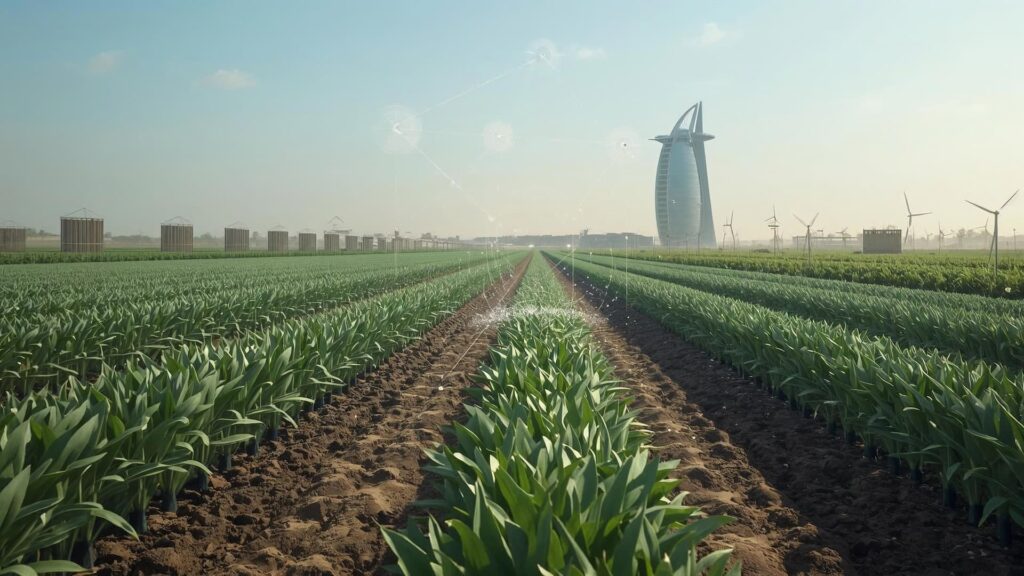
UAE deploys AI ecosystem to support climate-vulnerable agriculture
The United Arab Emirates has launched an AI-driven ecosystem to help climate-vulnerable agricultural regions adapt to increasingly volatile weather.
06.01.2026

Von der Leyen proposes to unlock €45 billion for farmers to secure support for Mercosur deal
Italy and France have been pushing the Commission to grant more concessions on the agricultural policy budget.
06.01.2026
FAO Recognizes Pioneering Moroccan Research in Smart Agriculture and Water Management
The research focuses on innovative applications of the Internet of Things (IoT) and Machine Learning (ML) in sustainable agricultural irrigation management, marking a major scientific win for Morocco.
06.01.2026

Crop Loss Deepens Food Insecurity Across Africa
Crop losses linked to climate shocks, pests and diseases are placing growing pressure on food production systems across Africa, say researchers from the Global Burden of Crop Loss (GBCL).
06.01.2026
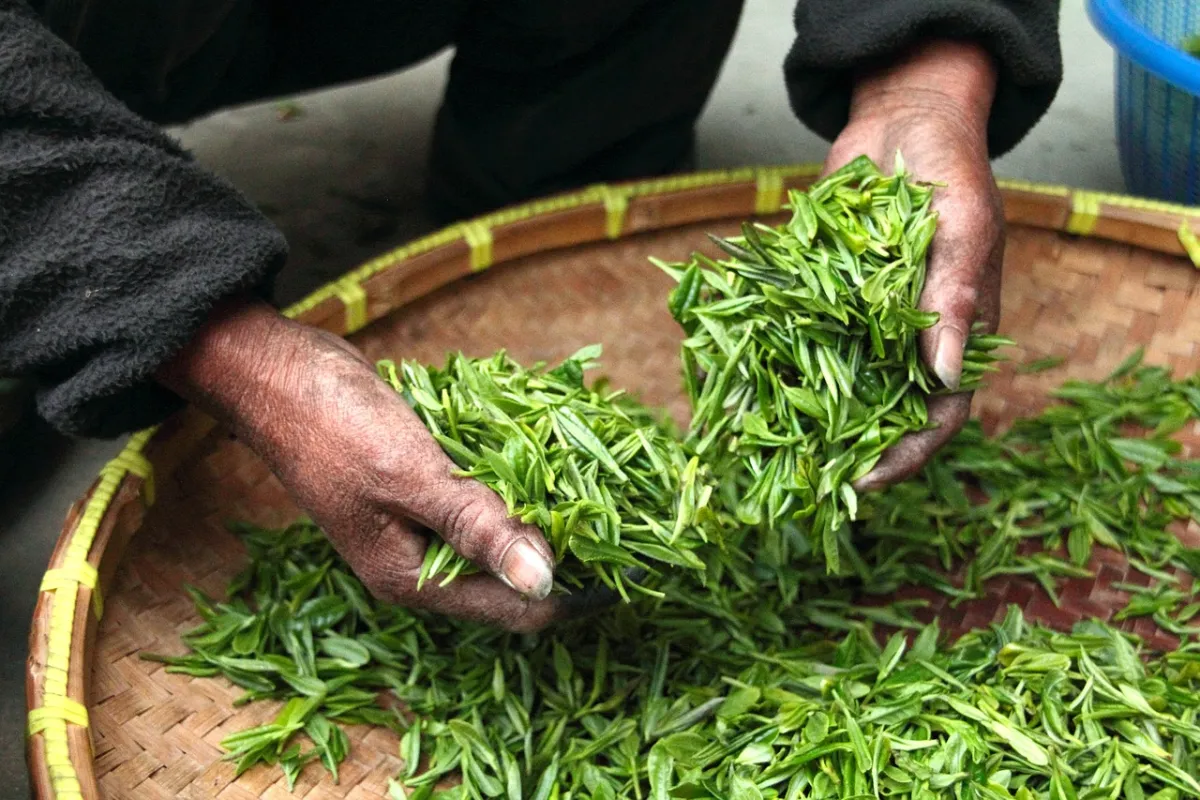
India - Tea prices soar at Kochi auctions on reports of frost, crop loss in Nilgiris
Reports of frost impact, crop loss in Nilgiris coupled with the absence of last week sales due to Christmas has triggered tea prices to higher levels in Kochi auctions.
29.12.2025

Cyprus in state of emergency as foot-and-mouth outbreak in occupied north threatens livestock sector
The Agriculture Ministry has entered a state of emergency mobilisation after reports of Foot and Mouth Disease cases in a cattle unit in occupied Lapathos in the Famagusta district.
29.12.2025
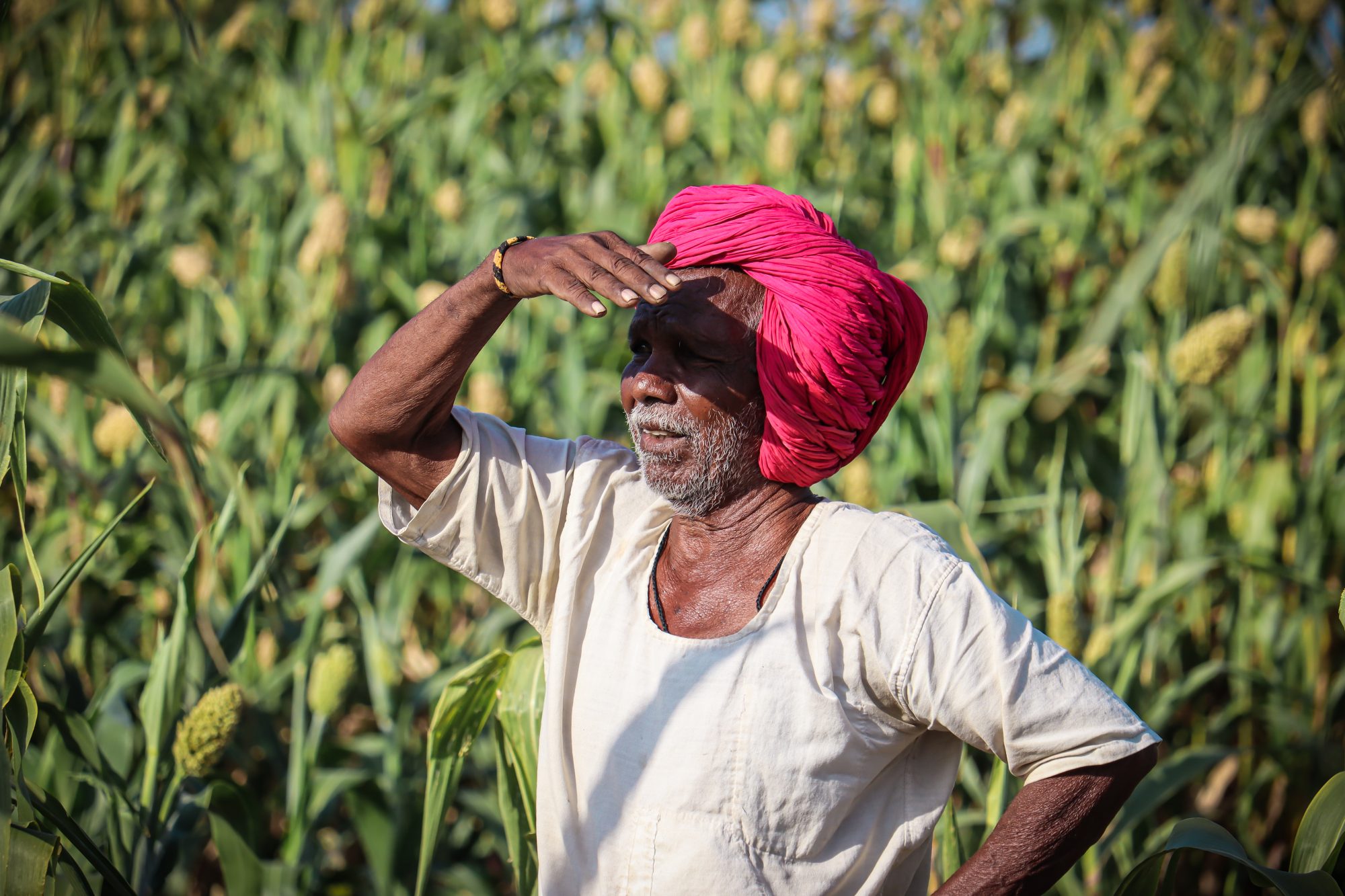
India - Uttarakhand farmers receive Rs 65.12 Crore insurance; new initiatives announced at state-level farmers' day
A state-level Farmers' Day dedicated to farmers' welfare and economic upliftment was organised in Gauchar (Chamoli). On this occasion, Union Minister for Agriculture and Rural Development Shivraj Singh Chouhan and Uttarakhand Chief Minister Pushkar Singh Dhami transferred an insurance amount of Rs 65.12 crore to 88,000 farmers through DBT under the Weather-Based Crop Insurance Scheme, the release said.
