

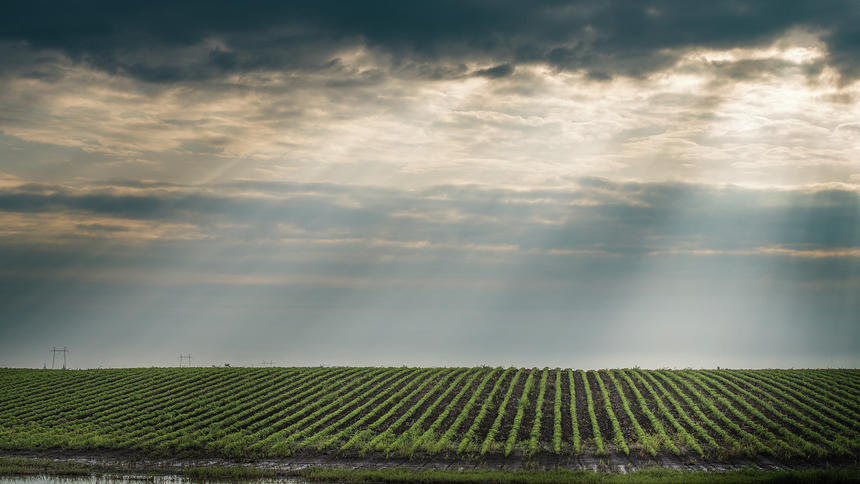
USA - Farmers voice concerns about crop insurance
22.02.2018 606 views
The President is considering cutting crop insurance funding by $22.4 billion, or about 33 percent, between 2019 and 2028, according to the budget document.
In an industry dictated by weather and shaped by other uncontrollable factors, crop insurance is a very important tool, according to producers.
“Without crop insurance, there’d be no way I’d put my family at risk with the devastation that can happen with a crop failure,” Mike Shane, a farmer and ag lender from Peoria, Ill., said during a Peoria County Farm Bureau meeting with U.S. Senator Tammy Duckworth yesterday.
Crop insurance also helps farmers access the capital they need to continue producing crops, Shane said.
“There’s no way farmers could borrow money from (lenders) without any backing. With that crop insurance backing, if something happens, they’ll be able to pay the bank back.”
Net farm income is projected to fall by 6.7 percent to $59.5 billion in 2018, according to the USDA. And farmers look to crop insurance to help offset the costs of producing a crop.
“The dollars at risk of putting out one acre of corn is three to four times what it was 10 years ago,” Randy Kron, president of the Indiana Farm Bureau, told on Friday while U.S. Senator Todd Young visited his farm.
Crop insurance also helps the next generation of farmers start their careers, especially as today’s farmers age and think about retirement.
“Crop insurance is going to be big, especially as the average age of the farmer keeps going up, and we have a lot of younger folks to bring back in (to farming),” Carson Klosterman, president of the North Dakota Corn Growers Association, said.
Source - http://www.farms.com/
EVENTS

ScaleAgData Stakeholder Engagement Event
22.10.2024The ScaleAgData project is pleased to invite you to our second stakeholder event. Building on the discussions and connections formed during our first webinar, this event will focus on fostering collaboration among stakeholders, providing updates on our project’s progress, and outlining future opportunities for engagement.
RISK EVENTS

Moldova - May frosts caused heavy damage to fruit orchards
10.05.2026The first frosty nights of May have significantly worsened estimates of damage to Moldova's fruit sector from spring frosts. According to initial assessments by fruit market operators, between a quarter and a third of the country's total orchard area was seriously affected.
25.06.2026
USA - USDA Highlights Growing Use of Supplemental Crop Insurance Coverage
USDA Conservation Secretary Richard Fordyce says enhanced risk management tools are helping farmers strengthen their safety net.
25.06.2026
India - Mysuru DC orders complete crop survey amid drought concerns
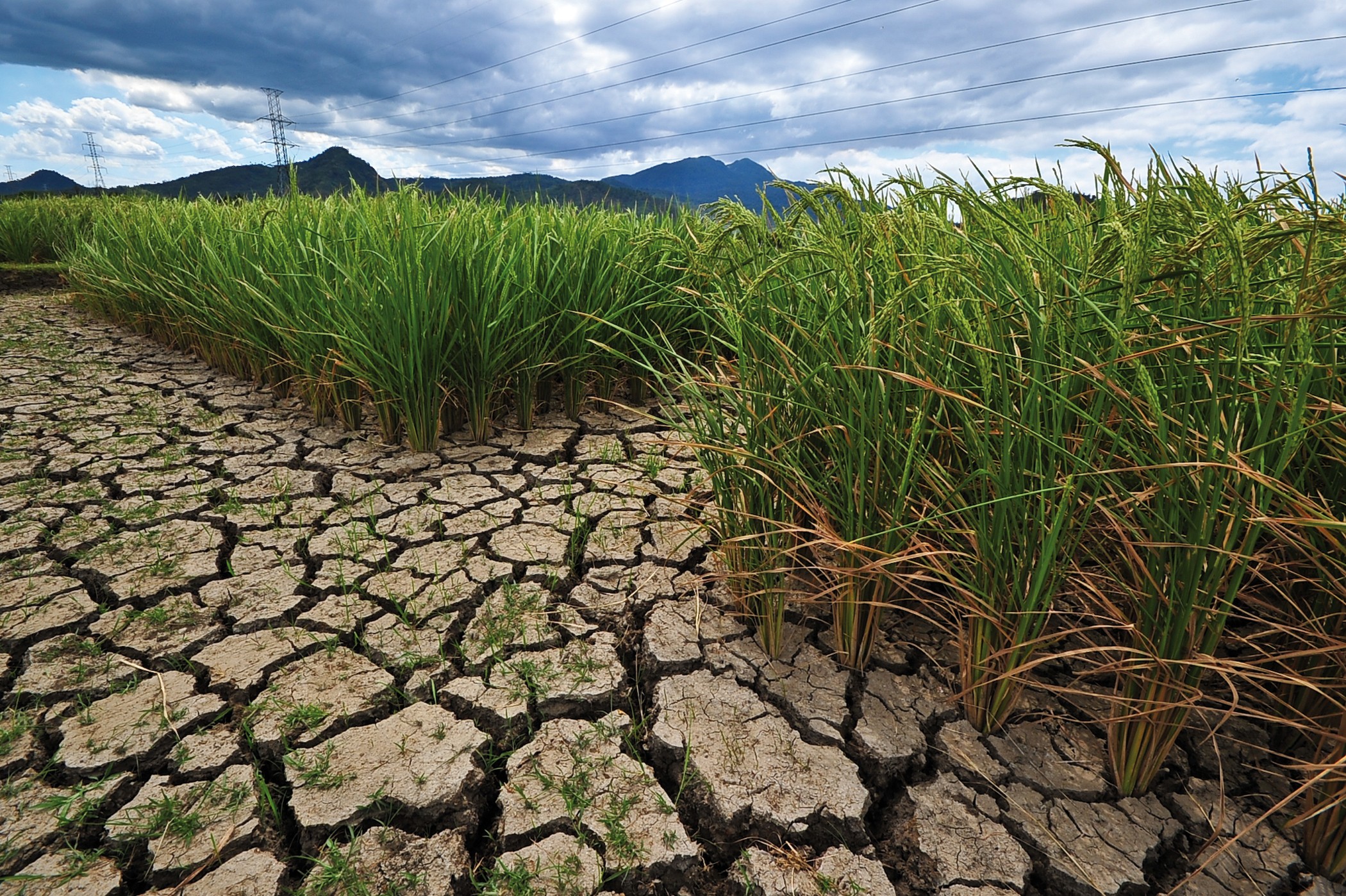
With concerns over a possible drought looming over the district, Deputy Commissioner G Lakshmikanth Reddy has directed officials to ensure 100 per cent coverage of the monsoon crop survey scheduled to begin on July 1, stressing that no farmer should be left out of relief and insurance benefits.
25.06.2026

USA - Hood College Receives Research Grant Targeting Invasive Fly Species Responsible for Over $700M in Agricultural Damage
The Hood College Department of Biology has received a $19,998 grant from the U.S. Department of Agriculture to conduct research on natural predators of the invasive Spotted-Wing Drosophila fly.
25.06.2026

China - Public unwillingness to purchase flood insurance contributes to protection gap
In May 2026, southern and central China experienced exceptionally heavy rainfall, which triggered widespread flooding, and caused multiple fatalities and displacement of tens of thousands of people.
25.06.2026

India - Maha govt crackdown on Konkan forest fires, Jalgaon's fake crop insurance fraudsters
Maharashtra Forest Minister, Ganesh Naik, on Thursday addressed the rising concern of forest fires in the Konkan region, attributing them largely to a lack of public awareness and deep-rooted misconceptions among local farmers.
25.06.2026

Azerbaijan - Progress in agricultural insurance made
Coverage of agricultural insurance is expanding in Azerbaijan, and its minister noted that progress has been made.
24.06.2026

USA - White House Seeks $11 Billion More Aid for Farmers
The White House is asking Congress for more than $11 billion in additional farm assistance, including new economic support for 2026 row and specialty crop producers and disaster aid tied to losses from the Southeast freeze.
24.06.2026

Nigerian farmers urged to embrace agricultural insurance
The Managing Director of the Nigeria Agricultural Insurance Corporation (NAIC), Hon. Yazid Shehu Danfulani, has called on farmers, agribusiness owners, and stakeholders across the agricultural value chain to take advantage of agricultural insurance schemes designed to protect their investments and strengthen the nation’s agricultural sector.
