Climate change presents a knotty problem — and big risks — for insurers.
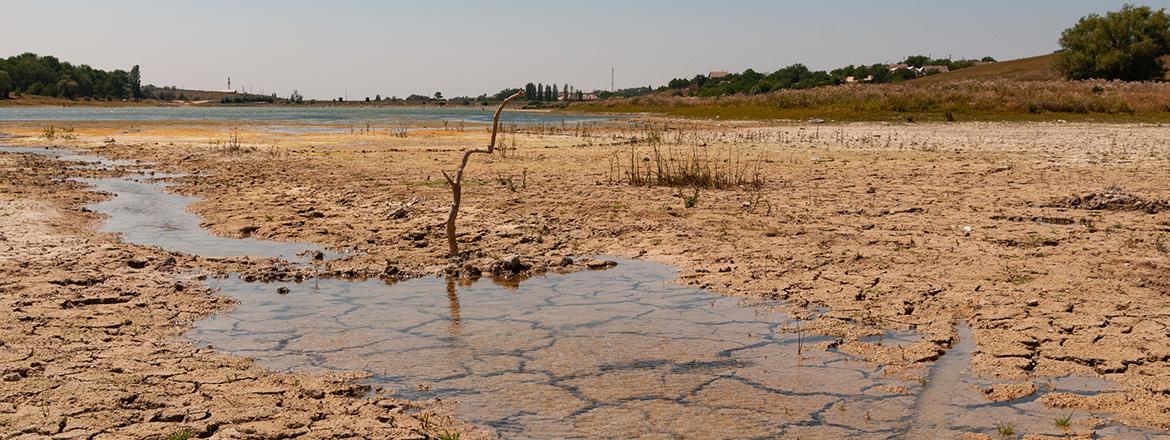
Severe weather events such as hurricanes, tornadoes and droughts are expected to occur with more frequency as the climate warms up, experts say. That presents the risk of greater losses for insurers to cover damage claims.
There were 198 natural disasters worldwide in 2015, according to the most recent annual report by Swiss Re, the most it has ever recorded, though the $28 billion in losses stemming from them was relatively low for recent years because no hurricanes made landfall in the U.S.
Though politically controversial, the notion of climate change is not controversial among insurers. The industry is working to come to grips with how to measure the risks as scientists study the effects on a world in which the five warmest years in records dating to 1880 have all occurred since 2010.
Measuring the risk
At their core, insurers are in the business of measuring and assigning a value to risk. Precisely measuring the future risk of climate change is difficult because insurers base their pricing and risk assessments on historical data. A changing climate means that data could become of less use.
"Climate change can throw a wrench into the system by causing fundamental shifts in the location, frequency, and intensity of extreme events," said Eric Robinson, senior scientist at risk-management firm AIR Worldwide in Boston.
In the long term, that uncertainty is complicated by the fact that the concentration of homes and businesses in an area will change over time, and construction practices will also change. That means predicting an insurer's exposure over a long period can be difficult and isn't usually reflected in the models, Robinson said.
"Thirty years ago, houses were smaller, people were more spread out. On top of these changes there are also things like changes in building codes and building practices," Robinson said. "All of these combine to create a lot of uncertainty as to what the average annual loss might look like 50 years from now."
How prepared is the industry?
A report from the Boston-based corporate sustainability nonprofit Ceres released last Octoberfound that only 22 out of 148 insurers received its high quality marks on a survey that measured governance, climate risk management, use of catastrophe modeling to evaluate and manage risk, greenhouse gas management and stakeholder engagement. That figure had doubled from the group's previous report two years before.
For its part, a coalition of the largest insurers called the Smarter, Safer Coalition in a 2015 reportcalled on the federal government to shift its efforts toward disaster preparedness and mitigation to help reduce losses as the expectation of weather-related damages increases.
Much of the work being done on adjusting risk models for climate change and unusual weather events is being done by the large European reinsurers, the companies that help insure other insurers against catastrophic losses. Munich Re, Swiss Re and Lloyds of London are among those Ceres cites in its report as leading on such adjustment.
It's an area in which U.S. insurers could improve, said Rod Taylor, a managing director with Aon Risk Solutions, which has a Southfield office.
"In the U.S., there are very few companies that have any kind of public policy on climate change," he said.
He said the industry also faces risks on its own side of the financial ledger.
"One area where they haven't done much is to look at their own investments to see whether their own portfolios have risks from climate change," he said.
In some cases, Taylor said, the patchwork of state regulation on how insurers can price coverage gets in the way.
"The one thing they're really good at is data," he said. That data could be used to properly price and sell policies by ZIP code according to risk, but state-by-state regulations limit their ability to do that, and companies have generally gotten out of the flood insurance business, leaving that coverage to federally funded programs.
"Their models are sophisticated enough to price risk for any environment," Taylor said.
Risks in Michigan
Though the best-known risks from climate change are along the coasts because of fears that sea levels could rise, a 2014 study by a 60-person federal advisory committee highlighted risks to fisheries and tourism from increased erosion of Great Lakes beaches and risks to the forests of northern Michigan.
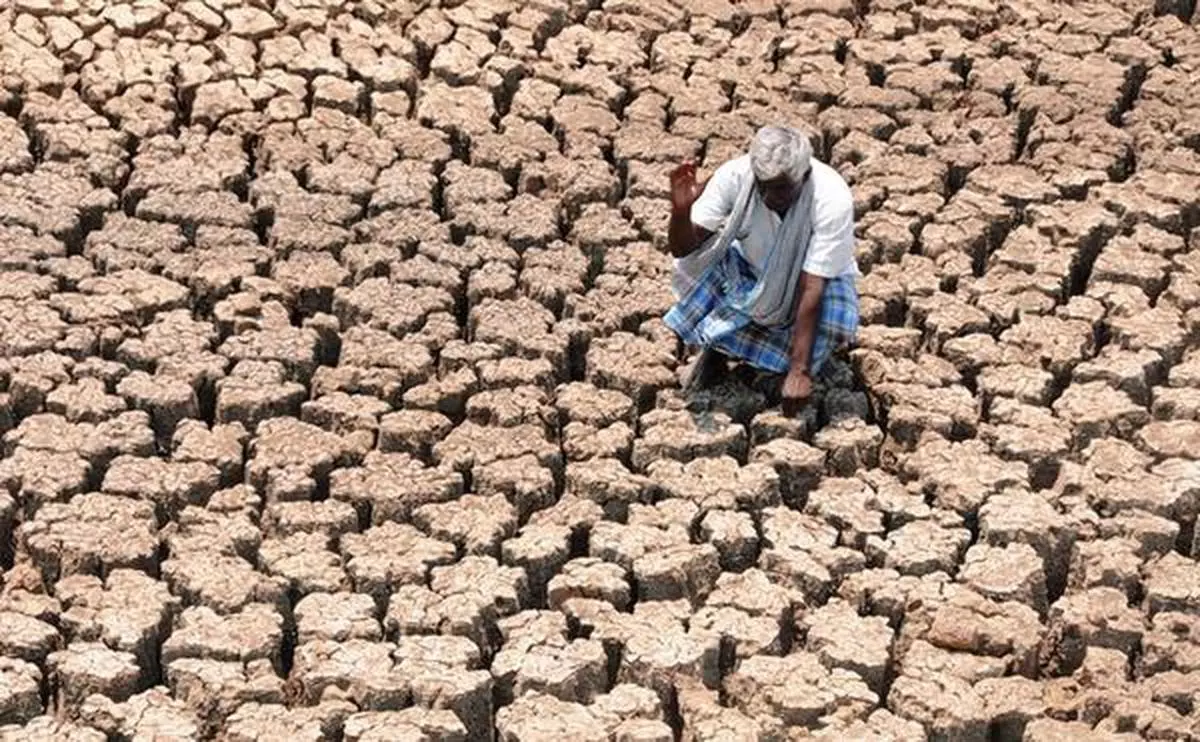
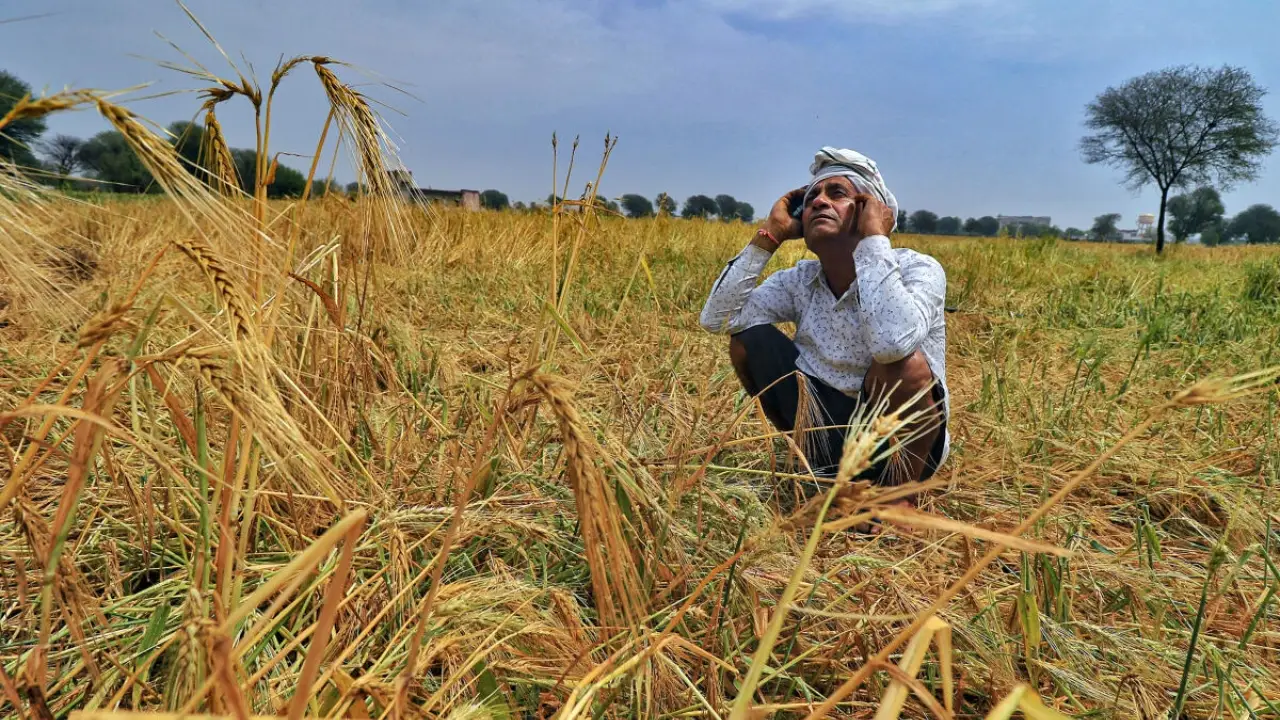
Agriculture could benefit from longer growing seasons but also would be threatened by heightened risks of drought, according to the report, called the Third National Climate Assessment, raising uncertainty for sellers of crop insurance.
Source - http://www.crainsdetroit.com