Farmers across north-east Victoria and the Goulburn Valley say post-flood investment in roads and infrastructure is crucial as they look to bounce back from a wet spring.
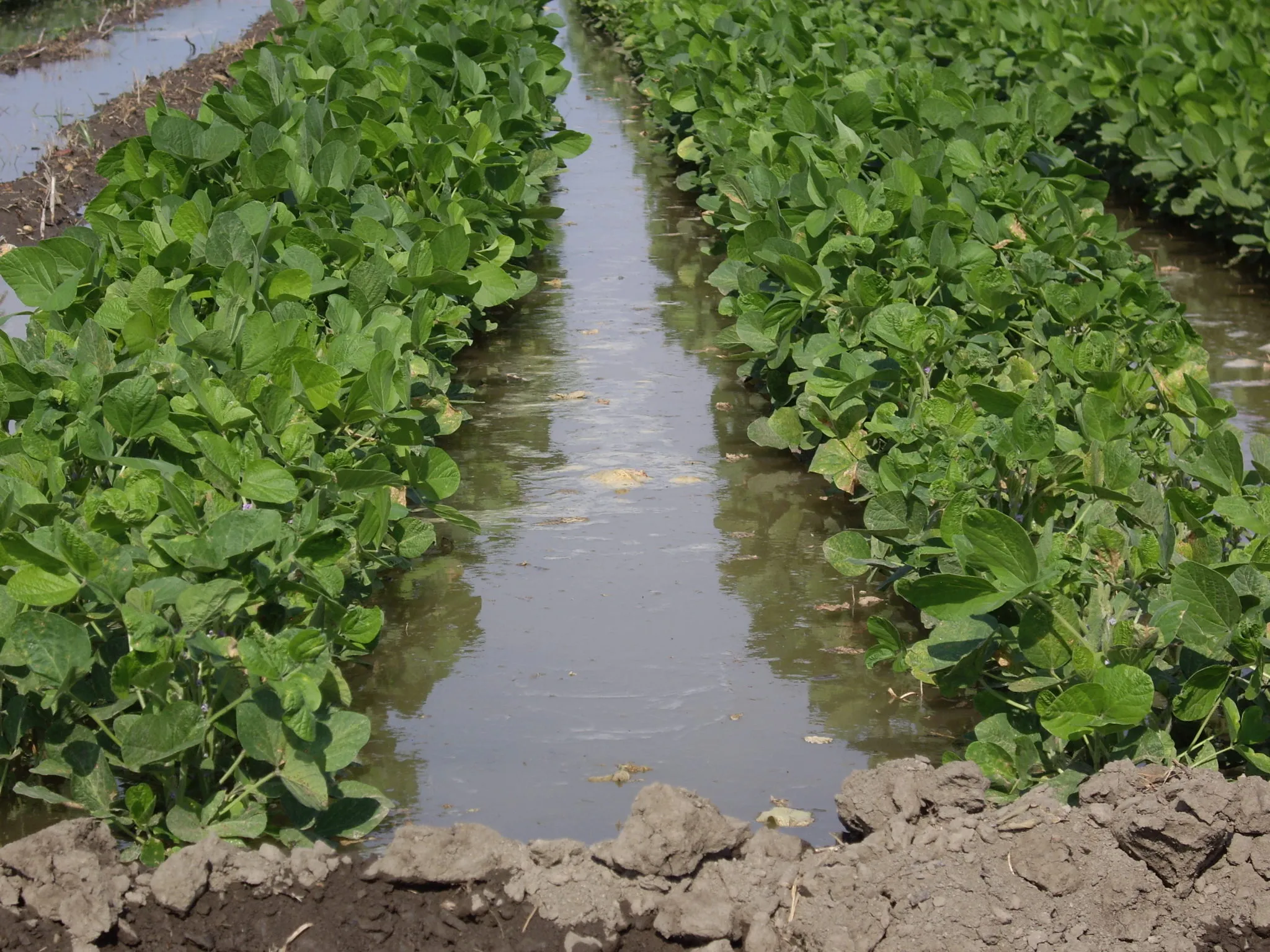
The Victorian Farmers Federation said while there was cautious optimism following improved weather conditions after a flood-ravaged spring, a number of challenges remained.
The organisation's grains president Ashley Fraser said farmers had been impacted by an escalation in input prices across fuel, fertiliser, chemicals and transport.
He said recent flooding events had also caused significant harvesting delays.
"A lot of people in those northern areas would normally be well finished [with] all of their harvest by Christmas, but now they're looking at harvesting well into January at this point," he said.
"When we get to the end of harvest then we've got a massive logistical challenge getting all of that crop out through the port and out to market with the state of our roads and the infrastructure damage that's happened."
Fruit growers feeling post-flood impacts
Fruit growers across the regions are also dealing with the impacts of recent flooding as significant rainfall made accessing orchards difficult.
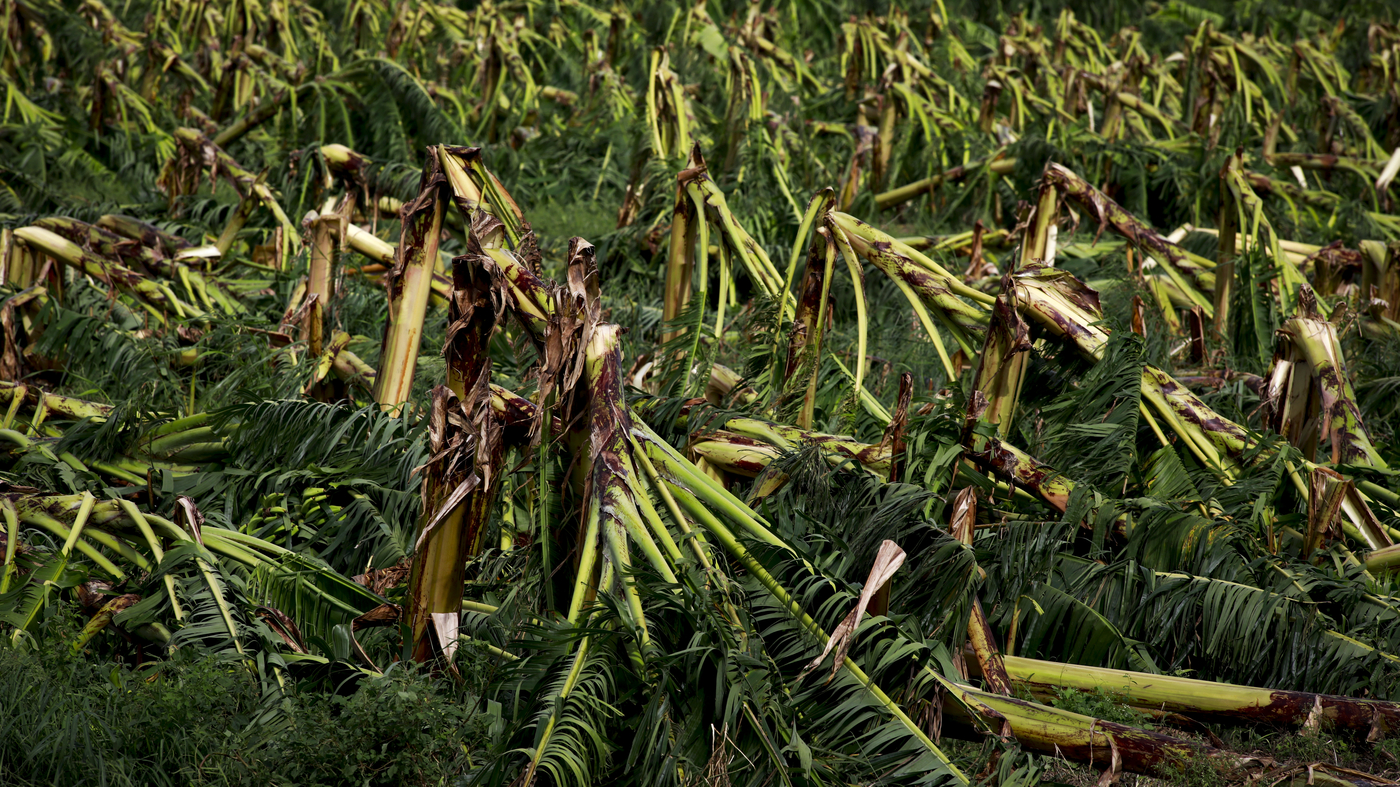
Fruit Growers Victoria chair Mitchell McNab said several recent hail storms across the Goulburn Valley, including on Melbourne Cup day, had impacted growers significantly.
"There's probably a 20 to 30 per cent decrease in production due to the hail event alone, let alone some of the other pest and disease issues that are starting to slowly show a little bit here and there," he said.
"There could be a reasonably significant crop loss for apples, pears and particularly some stone fruits, which is going to have quite a significant effect on some growers' bottom line."
Call for governments to assist
Mr Fraser said there were still a lot of areas experiencing yield losses of up to 50 per cent off the back of the wet spring.
He said post-flood investment in infrastructure was essential given the impacts of damaged roads on the industry.
"We need our governments and our councils and so forth to really invest in their infrastructure following these floods," he said.
"Get our roads ... and supply chains back up and running as fast as possible."
Last month, Rural Councils Victoria (RCV) called on the state government to establish a dedicated fund to repair damaged assets and roads which could withstand future natural disasters.
RCV chair Mary-Ann Brown said with many rural councils reliant on rates and grants as sources of income, state or federal government support was crucial.
"Our councils cover about 75 per cent of the state and a very significant amount of road infrastructure," Cr Brown said.
"There's probably over 100,000 kilometres that is the responsibility of local government, most of which are rural councils who've got very limited resources."
Large-scale repairs in sight
In October, the Victorian government announced a $165 million road repair blitz to address flood-damaged roads.
"This blitz is ensuring that the towns hit hardest by flooding remain connected to vital supplies and services – now we’re also turning our attention towards the first stage of longer-term, larger-scale repairs," a spokesperson said.
"We finally have a partner in Canberra focused on delivering the infrastructure and services Victorians need and we will continue to work with them to provide support to flood-affected communities.
"We have rebuilt or resurfaced more than 14,500 kilometres of regional and metropolitan roads to ensure quality and safety – the largest road maintenance program in Victoria's history."
The ABC understands that since the beginning of the flood emergency more than 116,00 potholes have been fixed across the state, about 1,800 bridges assessed and 36 landslips attended to as part of the road repair blitz.
Source - https://www.abc.net.au