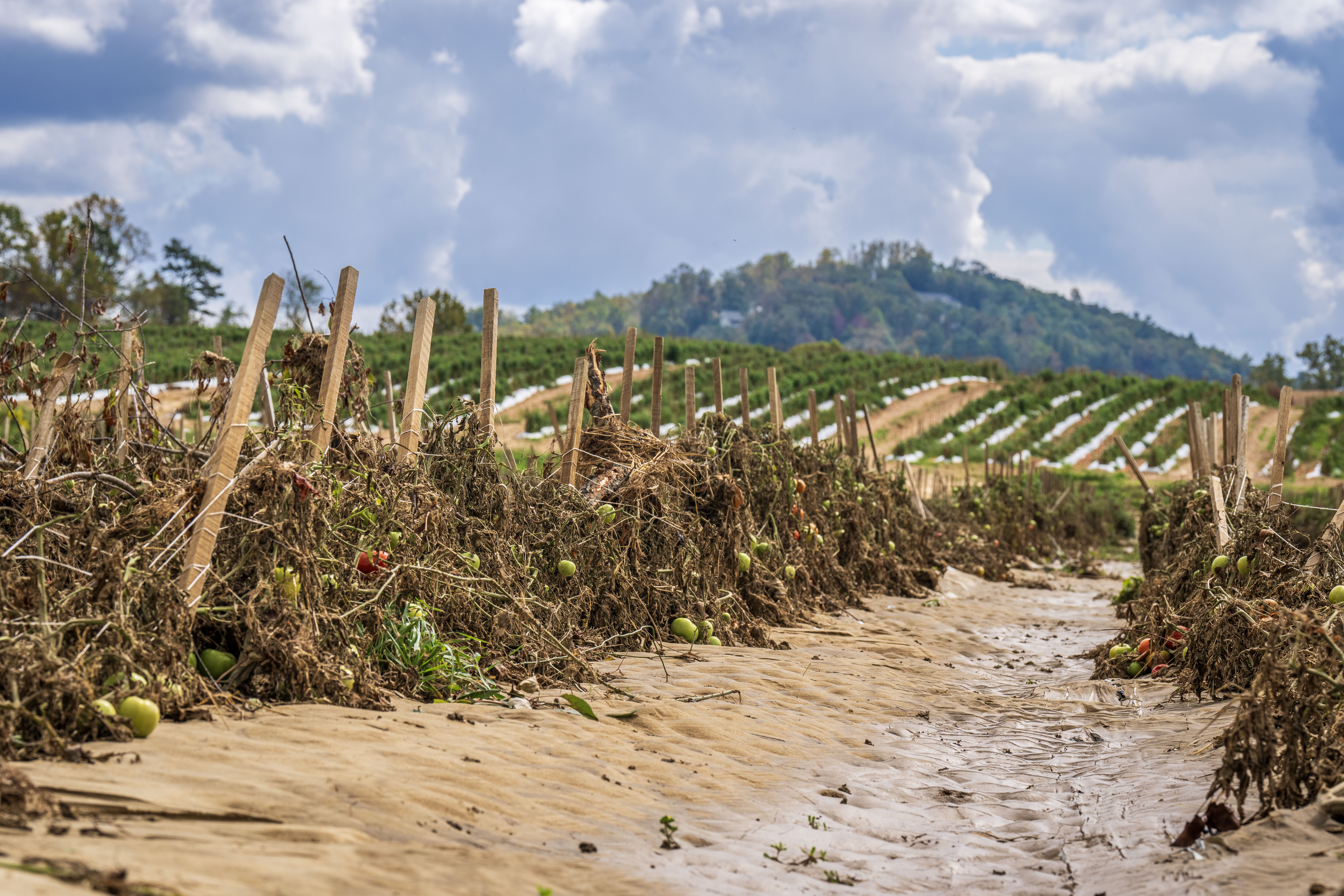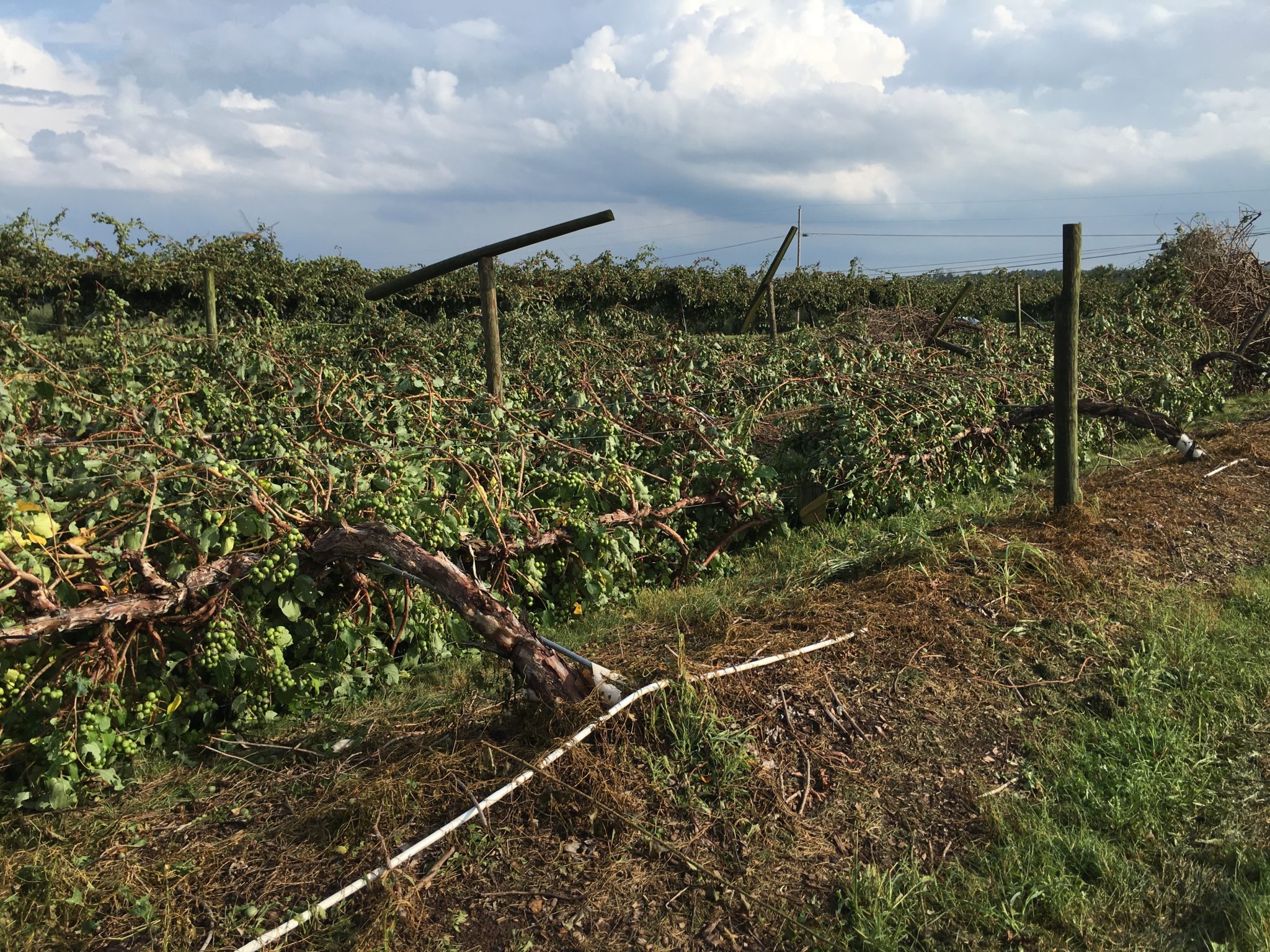
The Philippines topped the World Risk Report with a 46.82 world risk index as a country prone to natural calamities due to climate change. The Department of Science and Technology reports that an average of 20 storms and typhoons enter the Philippine Area of Responsibility each year, with about 8 or 9 of them crossing the Philippines, causing loss of lives and destruction to property and livelihoods.
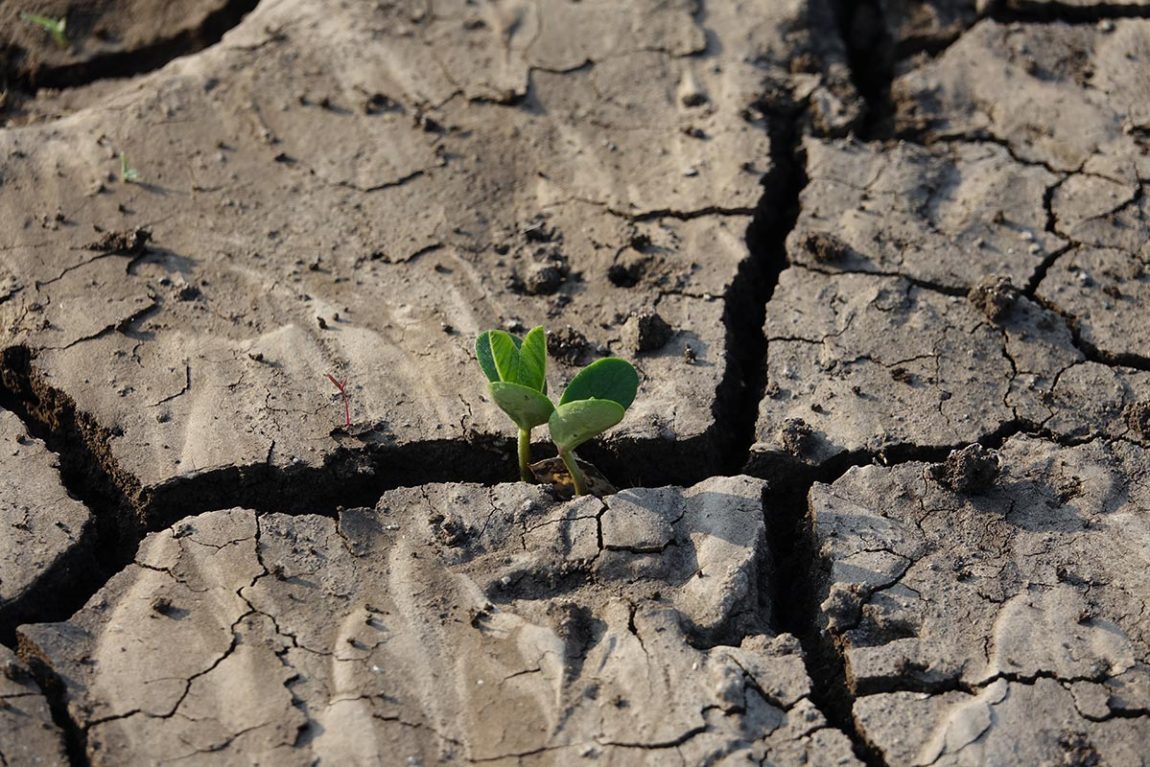
Agriculture is one of the industries that is impacted by adverse weather conditions brought about by climate change. Farmers, who are part of the most marginalized sectors, often bear the brunt of financial losses due to storms and the floods that they bring. Small and medium scale vegetable farmers pull from their own savings or borrow from friends, family, other financial institutions to fund their farms often with considerable interest. Bad weather due to changing climate that destroys their crop pushes them to borrow more money to recover their losses.
Innovative support system
As a way to support local vegetable farmers, Bayer Crop Science Philippines has partnered with Jardine Distribution, CPMI (CARD Pioneer Microinsurance Inc.) and international climate and agriculture risk management company WRMS to pilot weather-based insurance that will help farmers bounce back from adverse weather events with replacement seeds.
Through this initiative, farmers who purchase Bayer Seminis seeds are entitled to seed insurance at accredited partner agrisupply stores receive a receipt outlining replacement due to specified weather triggers and SMS confirmation of insurance coverage about a week after purchase.
If there is an adverse weather event reported, individual losses are calculated depending on event severity and replacement seed packets are prepared for dispatch to the farmer. The farmer receives an SMS notifying them that their replacement seed packets are available – which can be delivered to the store where the farmer purchased the seeds or at the site.
Since the pilot program launched in August 2023, 929 farmers have availed of the insurance program, with a cover start date beginning September 1, 2023. No farmers have yet redeemed replacement seeds since the launch as there were no triggering adverse weather events in the areas covered by the program, which include farming communities in Nueva Ecija, Pangasinan, Benguet, Nueva Vizcaya, Iloilo, Bulacan, Tarlac, Pampanga, Misamis Oriental, and Bukidnon.
“At Bayer, we aim deliver innovative and transformative agricultural solutions that can help address the unique needs of smallholder farmers while sustainably improving their income and their lives. With this partnership combining our Seminis seeds with micro weather-based insurance, we enable the Filipino farmer to continue to produce high quality, nutritious vegetables against extreme and unpredictable weather conditions. This is one of the many ways we live out our commitment to our mission at Bayer: Health for All, Hunger for None,” says
Iiinas Ivan Lao, Country Commercial Lead, Bayer CropScience Philippines
“Amidst challenging weather, we are pleased that this groundbreaking program is not only seen to help farmers cope with the impact of hazardous weather conditions but also to encourage them to continue planting. This increases their chances of succeeding in their business as they become risk-aware rather than risk-averse. Furthermore, we look forward to expanding the coverage of this insurance program to encompass a wider range of farmers, crops, and to incorporate coverage for diverse weather abnormalities, reflecting our commitment of partnering Filipino farmers,” expressed Edwin Hernandez, President of Jardine Distribution.
Seeds of hope
Jeston Tanacio, a farmer from Balili, Mankayan, Benguet, is one of those who have availed of the program. He says that through the program, farmers feel more assured that they wil be able to replant earlier and recoup better from losses incurred from typhoons. “Maganda ang programa ng Seminis na ito sapagkat kung sakali nasira ang aming pananim dahil sa bagyo ay meron kami inaasahan ulit na ipapalit namin. Napakalaking tulong ito sa amin sapagkat hindi na namin kailangan bumili pa ulit ng seeds o binhi na itatanim namin.” Fatima Sissi-it, a woman farmer from Aggaki, Balili, Mankayan, Benguet adds, “Napakaganda ang program na ito sa aming mga farmers, malaki ang maitutulong sa amin sapagka’t hindi na namin problema kung saan kami kukuha ulit ng pambili ng binhi kung masisira ito ng dadaang bagyo.”
“We, at Vegetables by Bayer, are committed to deliver best in class seeds and extend support to farmers through technical training and our on the farm solutions. Considering the climatic challenges in the Philippines, the weather-based insurance program is one of the key initiatives to support vegetable farmers who sow Seminis seeds on their farms limiting their exposure of on the farm losses.” Mukesh Kumar, Business lead SEAP Vegetable Seeds.
The project’s stakeholders are likewise supportive of this landmark initiative to protect the country’s farmers from the adverse effects of climate change. Melinda Grace Labao, Officer-in-Charge for Microinsurance at CPMI says, “At CPMI, we are excited to have introduced this innovative micro weather index insurance product in the Philippines. Partnering with Bayer and Jardine, and leveraging WRMS’s technical expertise, we are excited to offer farmers relevant and affordable protection against key climatic challenges. Our commitment remains steadfast in ensuring rapid and timely settlement, making a real difference in the lives of Filipino farmers. We look forward to scaling the availability of weather index insurance and promoting sustainable agriculture in the region through this impactful initiative.”
Sarathy Srinivas, International Head of WRMS, shares, “WRMS takes immense pride in being the technical partner for this revolutionary initiative, developing an innovative weather index insurance product in the Philippines. Our collaboration with Bayer, Jardine, and CPMI solidifies our commitment to empowering farmers by providing much-needed protection against increasingly unpredictable weather patterns. Together, we are dedicated to building the climate resilience of farmers through parametric insurance. This joint effort signifies our collective pursuit of a sustainable future for farmers in the Philippines.”
Support for farmers and food security
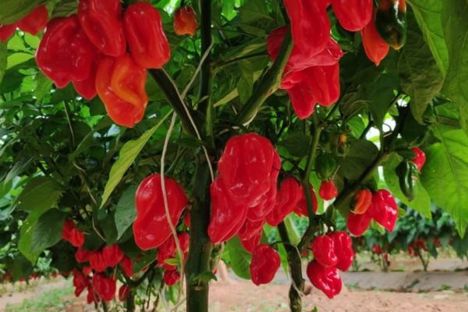
To help farmers discover more ways to have higher yields, Bayer Crop Science Philippines together with local distributor Jardine Distribution also launched the Bayer Seminis Center of Excellence at Barangay Porais, San Jose City, Nueva Ecija. The center functions as a demo farm featuring popular Seminis hybrid varieties for tomatoes, zucchini, cucumber, chili, watermelon, cabbage, onion, and bell pepper. It also serves as a venue for farmers to learn more about the Seminis vegetable seeds and the latest innovative solutions for crop protection to help them protect the quality of their yield and increase their income.
Roberto Maon, a farmer from Barangay Upper First, San Jose City, was able to discover for himself the higher yield from Seminis seeds for his watermelon and onions. He also noted the hardiness of his produce even through transport, which makes it easier for him to bring his harvest to markets that are farther away, to help him fetch a fairer price.
Through initiatives such as these, Bayer Crop Science Philippines strengthens its commitment to support Filipino farmers and help more local consumers have access to high-quality produce and nutritious meals on their family tables.
Source - https://globalnation.inquirer.net