Honey producers are dealing with added challenges this year from a variety of reasons.
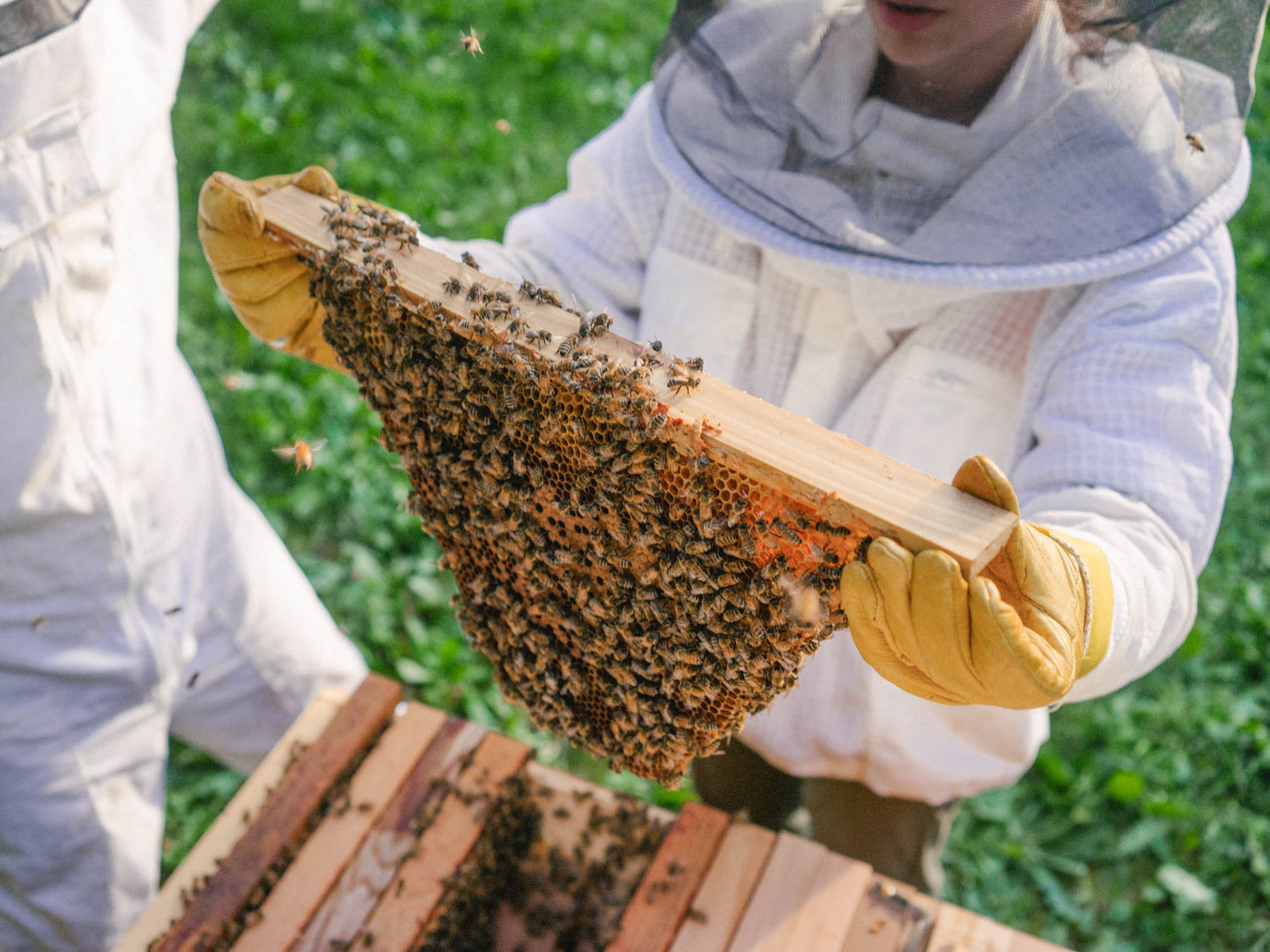
Cameron Brown, of Farmer Brown’s Honey, is a beekeeper in the Meota area.
Brown said he put in 800 colonies to overwinter. But noted a combination of a very cold winter and a killer mite put added pressures on his colonies, similar to many other producers.
“The varroa [destructor] mites were quite fierce last fall,” he said.
While a warm fall offered a second growth for the canola crop and plenty of canola pollen for bees to feed on, it also provided an ideal climate for varroa destructor mites to reproduce unfortunately.
“The combination of events created a very weak colony that could not survive,” he said.
Brown estimates his production will drop down to 70 per cent of last year’s amount, but he remains hopeful.
“I’m putting in new queens now in some of the hives that are weak,…and letting them have a start that way,” he said.
Saskatchewan Beekeepers Development Commission President Nathan Wendell predicts about 30 per cent colony losses across the province this year.
“That’s grown a little bit with the delayed spring,” he said. “The weather has meant that the bees haven’t had a chance to fly and grow, so I think that number has probably moved up to more like a 35 per cent loss across the province. That’s from winter loss, colonies coming out of spring not very strong or having died over the winter.”
In comparison, last year losses in Saskatchewan were quite low, at below 15 per cent. But a typical or average year would be from 15 to 20 per cent loss.
The impact from the varroa destructor mite, a parasitic mite that feeds on bees and transfers viruses into the colony, is one of the biggest factors in the winter loss every year.
“With the weather last year – an early spring and a late fall – the mites were allowed to have a longer reproduction cycle than they would in a typical year, and in some cases that led to the increased mortality,” Wendell said, echoing Brown’s concerns.
He added some producers in the province and across the country are seeing very high losses in the 70 to 80 per cent range.
“The varroa destructor would be a primary cause of those losses,” Wendell said. “But there are likely other factors involved as well.”
The expert noted the key factor in controlling these mites and the consequent mortality rates is using strategic timed-treatments.
In comparison, in a typical year when spring comes in late April and the bees begin to shut down in September or early October, he said, treatments can be timed more accurately to manage the mite numbers in the colonies.
“This year will be a challenging year for many honey producers in the province,” Wendell said. “A lot of folks are going to focus on recovering their numbers they lost over winter. Sometimes that means weakening your hives to make additional replacement hives and sacrificing some of your honey production.”
But, he reiterated, there are always a range of factors involved in honey production, including the weather and the crops.
“Last year with the drought, certain parts of the province had very low honey production,” Wendell said. “So we really won’t know until the crops are in and we see what the weather is going to do this summer. But with the winter mortality numbers as they are, some producers will be running fewer bees, and obviously that will impact their ability to produce as much honey.”
Source - https://panow.com