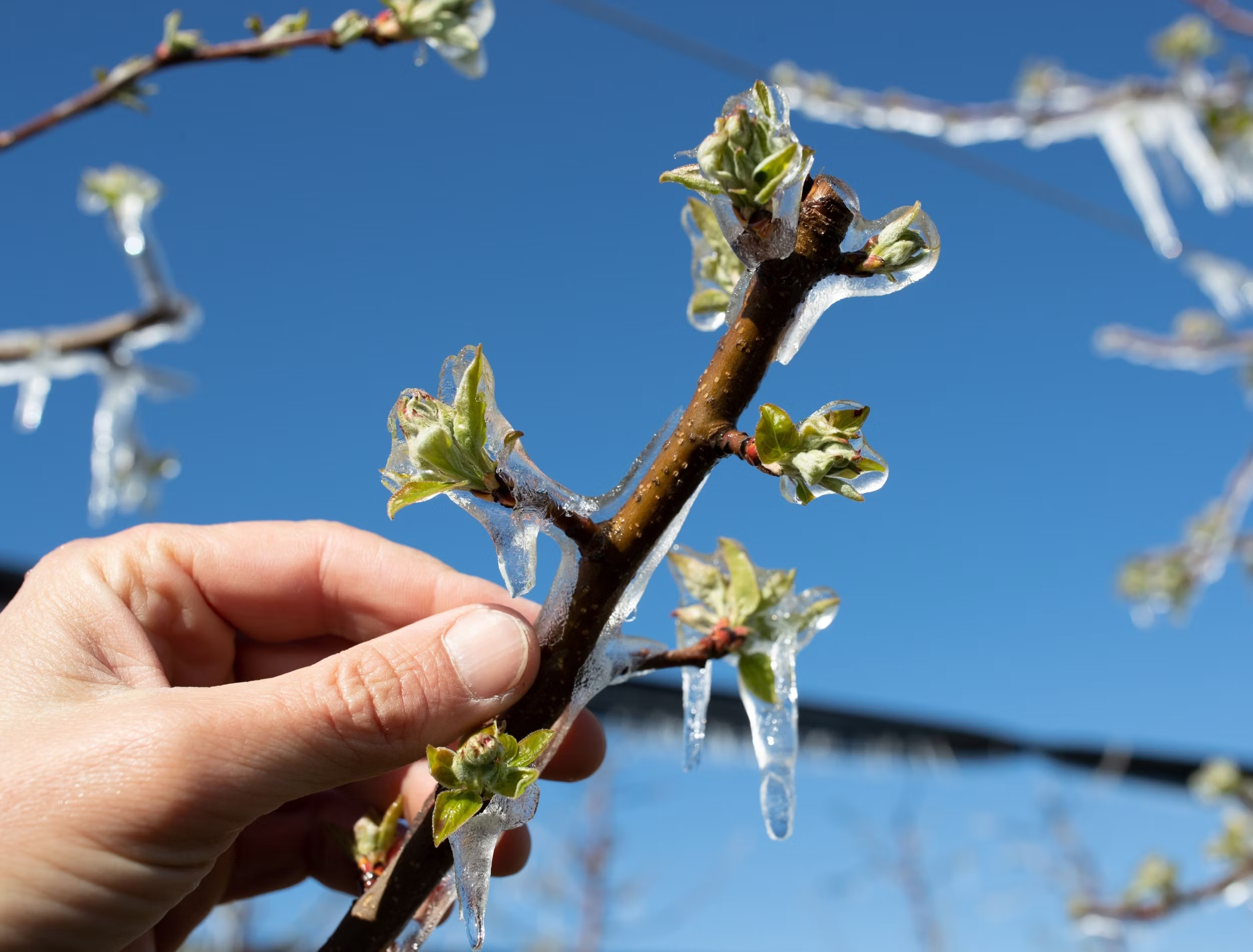
British Columbia (B.C.) cherry growers as well as many Northern Washington growers were impacted by a January 2024 freeze event. "We were experiencing a very mild winter until mid-January, and the fruit buds had started to wake up as a result," says Julie McLachlan with Jealous Fruits. When the temperatures plummeted, the buds were very vulnerable. Therefore, late Washington and most B.C. cherry volume will be significantly down this season. At this point, the trees are still going through the June drop, so it is difficult to make a prediction on total volume.
"I can only speak for our farms and what we are seeing is that the crop set varies between our growing regions," McLachlan shared. "We are fortunate to have several of our orchards located very close to Okanagan Lake, as well as Wood and Kalamalka lakes." In these orchards, minimum January temperatures were 3°C to 4°C warmer than other locations. As a result, the company is expecting moderate to good crops on all varieties grown near the lakes.
In addition to elevation, the variety also makes a difference this season. Some cherry varieties – Regina in particular - seem to have endured the freeze better than others. "We are diversified into the Regina and Kordia varieties and it looks like both varieties will have good crops at all elevations." Regina may even be Jealous' largest volume variety in 2024. In a normal year, that honor goes to Staccato, but some of the Staccato trees are planted at higher elevations with crops on these orchards curtailed by the freeze.
With a very few exceptions, the winter damage is restricted to the 2024 fruit buds. The trees themselves are healthy, and busy forming the 2025 fruit buds at present.
Early end of season
At the moment, B.C. is experiencing relatively cool temperatures, delaying the expected harvest start date. "However, this will work in our favor as Washington is expected to start early and have limited production at the back end of their season," McLachlan said. She expects the season to start with limited availability of Jealous Fruits cherries from July 1st until July 15th, followed by steady supplies from mid-July until August 15th. Kordia, Lapin, Regina and Sweetheart are expected to be available until August 5th while Staccato, Sentennial, and Sovereign will run until August 15th. This places the B.C. cherry season ending about two weeks earlier than normal.
While demand will be high this season, Jealous Fruits will continue to focus on its main markets that include the U.S., Southeast Asia, Korea, and China.
Source - https://www.freshplaza.com