

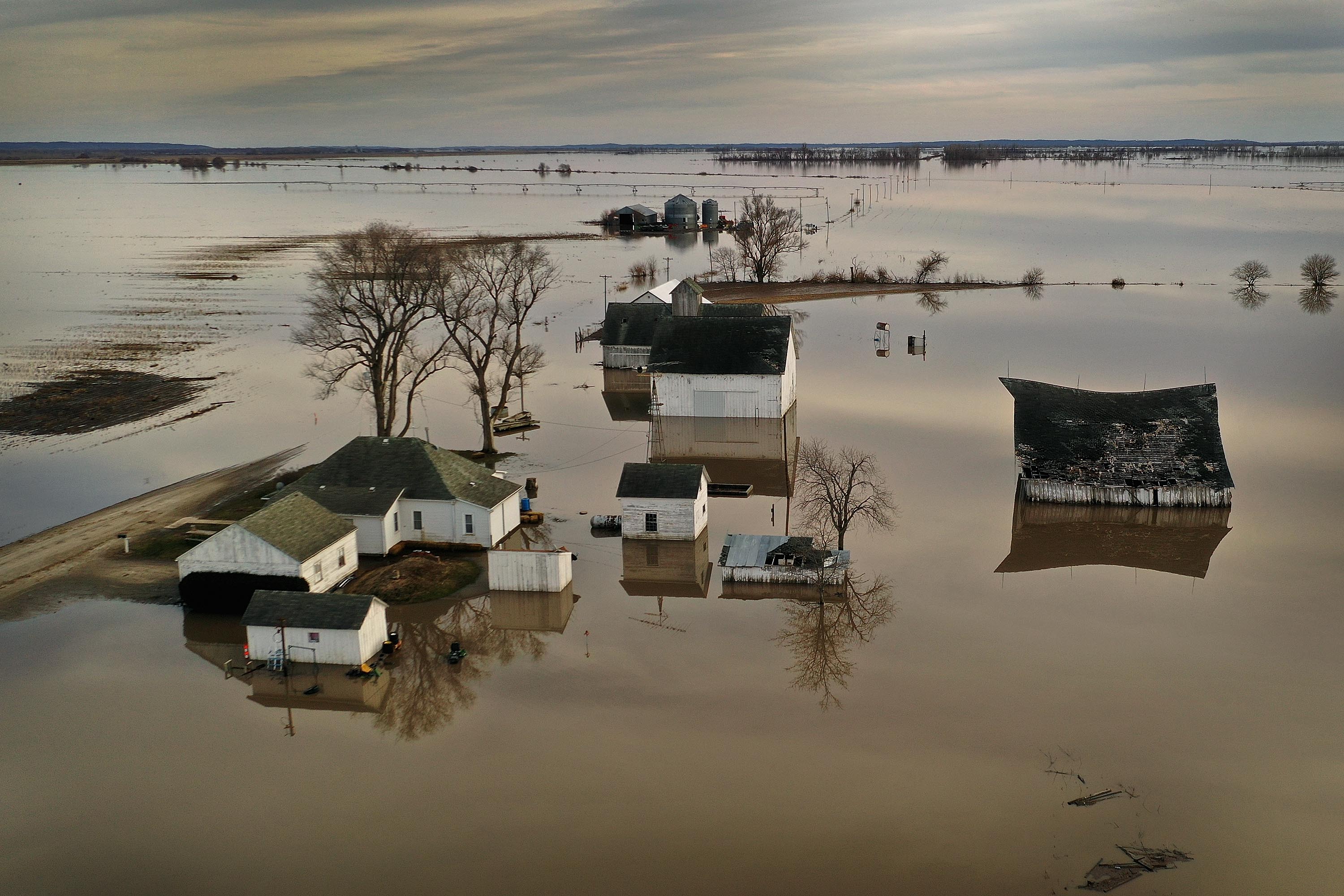
The floods that ravaged southern China in May were the fifth-worst natural global catastrophe last year, but only a fraction of the losses were insured, revealing a huge insurance gap in the world’s second-largest economy and the threat posed by climate change, according to a report by reinsurer Munich Re.
The disastrous floods in Guangdong, Guangxi and Fujian provinces caused US$5 billion of losses, but only US$300 million or 6 per cent was insured, the report showed. The level of insurance in China was below that for other major countries such as the US, Japan and Australia, which experienced severe natural calamities last year.
Overall losses from global natural disasters were around US$270 billion last year, close to the average for the last five years, while insured losses were significantly above the five-year average of US$97 billion, reaching about US$120 billion last year, according to the report released on Tuesday.
“Climate change is taking an increasing toll,” said Thomas Blunck, member of the board of management at Munich Re. “The natural disaster figures for 2022 are dominated by events that, according to the latest research findings, are more intense or are occurring more frequently. In some cases, both trends apply.”
Hurricane Ian was the largest natural catastrophe in 2022, causing 150 deaths and an overall loss of US$100 billion as it left a trail of destruction in western Cuba and the southeast US from late September to early October. However, US$60 billion of the losses were insured. It was followed by the floods in Pakistan from June to October, which killed 1,740 people and led to US$15 billion in total losses, with only a fraction insured, according to Munich Re.
In the Asia-Pacific region, losses from natural disasters increased to about US$70 billion, with only around US$9 billion insured. When excluding the largest insured losses in Japan and Australia, the insurance gap in the region extends up to 97 per cent, meaning losses from natural disasters in some Asia-Pacific regions were almost uninsured, according to Achim Kassow, member of the board of management of Munich Re.
“More needs to be done in the emerging markets to protect people and insure their growing assets against the financial shock of natural disasters – especially as weather disasters become more extreme due to climate change,” Kassow said.
China’s agricultural sector was not spared from the natural disasters. In addition to the record floods last year, a prolonged heatwave and drought in China also led to water shortages and crop failures. The damage, including losses from crop failures, could be in the “mid-single-digit billions”, virtually none of which would have been insured, according to Munich Re’s estimates.
The government needs to increase its financial budget to cover more agricultural production costs, to better protect farmers from more frequent and severe natural disasters in future, according to Benny Zhou, head of agro and actuarial at Munich Re China.
Due to affordability concerns among farmers, agriculture insurance in China is heavily subsidised by the government, which pays around 70 per cent of the premium. Currently, basic insurance, which only covers 40 per cent of production costs such as seed, land rent and labour cost, is the most common crop insurance product in China.
“With increasing severe weather and natural catastrophe events in China in recent years, as well as government approval of a growing financial budget to subsidise agriculture insurance, insurance limit is on the way to being increased to 100 per cent of production costs,” said Zhou.
Source - https://www.scmp.com










